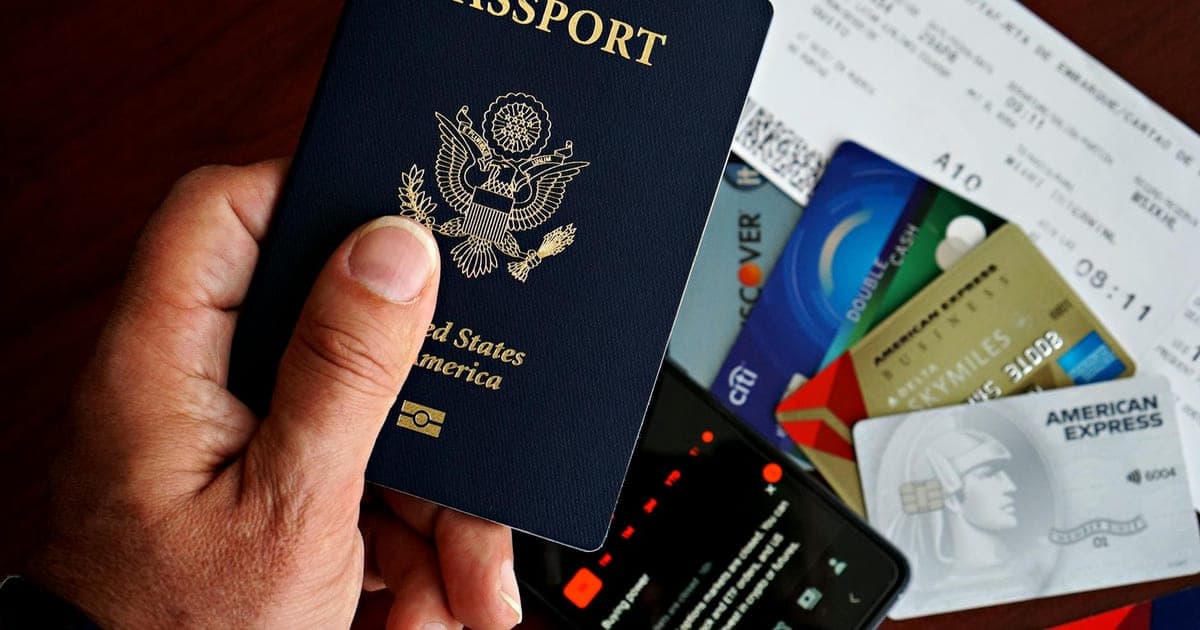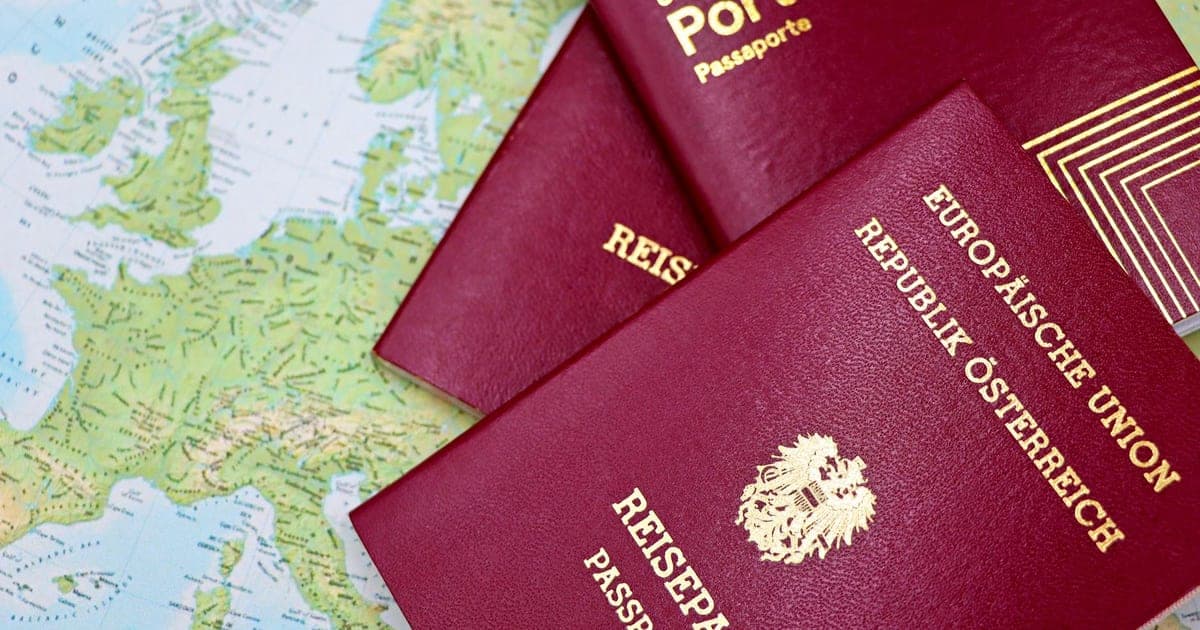
Se você está planejando uma viagem à Europa no fim de 2026 ou depois, há um novo requisito que você não pode se dar ao luxo de ignorar. O Sistema Europeu de Informação e Autorização de Viagem — ETIAS — está finalmente entrando em vigor, depois de anos de adiamentos. Ele se aplica a viajantes dos Estados Unidos, Reino Unido, Canadá, Austrália e mais de 60 outros países que atualmente têm acesso à Área Schengen da Europa sem visto.
Isto não é um visto. É mais barato, mais rápido e mais simples do que um visto. Mas você não poderá embarcar no seu voo para a Europa sem ele.
Aqui está tudo o que você precisa saber: o que é o ETIAS, quando entra em vigor, quem precisa dele, como solicitar, quanto custa e como ele vai mudar o planejamento da sua viagem.
O Que É o ETIAS?
ETIAS é a sigla, em inglês, para Sistema Europeu de Informação e Autorização de Viagem. É um sistema eletrônico de triagem prévia gerenciado pela União Europeia que verifica os viajantes em bancos de dados de segurança, migração e saúde pública antes de eles chegarem à Europa.
Pense nele como o equivalente europeu do ESTA dos EUA (Sistema Eletrônico de Autorização de Viagem), que os visitantes estrangeiros precisam ter antes de voar para os Estados Unidos, ou do sistema eTA do Canadá. Se você já solicitou o ESTA para visitar os EUA por meio de um país do Programa de Isenção de Visto, o processo do ETIAS vai parecer familiar.
O ETIAS não é um visto. Ele não exige entrevista, visita ao consulado, coleta de dados biométricos nem uma pilha de documentos. É uma simples solicitação online que a maioria dos viajantes vai concluir em menos de 10 minutos.
O objetivo é direto: dar às autoridades de fronteira europeias um aviso prévio sobre quem está chegando, realizar verificações básicas de segurança e reduzir riscos na fronteira sem acrescentar o peso de um processo completo de visto.
Quando o ETIAS Entra em Vigor?
Ainda não se sabe, e essa é a resposta honesta.
Durante boa parte de 2025 e 2026 a data oficial era o último trimestre de 2026. Essa menção foi retirada do site oficial do ETIAS, que agora apenas informa que o sistema «não está em operação e não recebe solicitações de autorização de viagem neste momento».
O Financial Times noticiou que a eu-LISA, a agência da UE que constrói o sistema, considera que um lançamento em 2026 já não é viável. Seu conselho de administração discutiu o cronograma em junho de 2026 e volta a se reunir em setembro de 2026 para definir uma nova data. Espera-se 2027, mas nenhuma data está confirmada.
Na prática: hoje você não consegue solicitar o ETIAS, e qualquer site que convide você a se pré-cadastrar ou pagar por um não é legítimo.
Haverá um período de transição de aproximadamente seis meses após o lançamento, durante o qual o ETIAS estará operacional, mas a fiscalização poderá ser gradual. No entanto, espera-se que companhias aéreas e transportadoras verifiquem o status do ETIAS no embarque desde o primeiro dia.
Datas importantes:
- 2016: ETIAS proposto pela Comissão Europeia
- 2018: Regulamento do ETIAS oficialmente adotado
- 2023-2025: Vários adiamentos devido à integração técnica com o Sistema de Entrada/Saída (EES)
- 2025: O EES começa a ser implementado nas fronteiras terrestres, marítimas e aéreas
- Jul 2026: a data do último trimestre de 2026 é retirada discretamente do site oficial
- Set 2026: espera-se que o conselho da eu-LISA defina uma nova data de lançamento
- 2027: janela de lançamento esperada, ainda não confirmada
O conselho é simples: se a sua viagem à Europa for depois de outubro de 2026, solicite o ETIAS antes de comprar suas passagens.
Quem Precisa do ETIAS?
O ETIAS é exigido para cidadãos de mais de 60 países que atualmente têm acesso à Área Schengen sem visto. São viajantes que hoje conseguem entrar na Europa sem qualquer autorização prévia — a partir do data ainda não confirmada, eles precisarão da aprovação do ETIAS antes da partida.
Países Cujos Cidadãos Precisam do ETIAS
A lista completa inclui:
- América do Norte: Estados Unidos, Canadá, México
- América do Sul: Argentina, Brasil, Chile, Colômbia, Costa Rica, Equador, Paraguai, Peru, Uruguai, Venezuela, entre outros
- Ásia-Pacífico: Austrália, Nova Zelândia, Japão, Coreia do Sul, Singapura, Taiwan, Brunei, Malásia
- Reino Unido: Todos os cidadãos britânicos após o Brexit
- Caribe: Bahamas, Barbados, Trinidad e Tobago, entre outros
- Outros: Israel, Emirados Árabes Unidos, Albânia, Bósnia e Herzegovina, Geórgia, Moldávia, Montenegro, Macedônia do Norte, Sérvia, Ucrânia
Se você tem passaporte de um Estado-membro da UE ou do Espaço Schengen, não precisa do ETIAS — você já tem o direito de circular livremente dentro da Área Schengen.
Se você tem passaporte de um país que atualmente exige visto Schengen (China, Índia, Rússia, a maioria das nações africanas etc.), o ETIAS não se aplica a você — você ainda precisa de um visto Schengen padrão.
Quais São os 30 Países Que Exigem o ETIAS?
O ETIAS cobre a entrada em todos os 30 países da Área Schengen. Esses incluem os 27 membros do Schengen pertencentes à UE, além de Islândia, Liechtenstein, Noruega e Suíça.
A lista completa:
| Países Schengen da UE | Países Schengen fora da UE |
|---|---|
| Áustria | Islândia |
| Bélgica | Liechtenstein |
| Bulgária | Noruega |
| Croácia | Suíça |
| República Tcheca | |
| Dinamarca | |
| Estônia | |
| Finlândia | |
| França | |
| Alemanha | |
| Grécia | |
| Hungria | |
| Itália | |
| Letônia | |
| Lituânia | |
| Luxemburgo | |
| Malta | |
| Países Baixos | |
| Polônia | |
| Portugal | |
| Romênia | |
| Eslováquia | |
| Eslovênia | |
| Espanha | |
| Suécia |
Importante: A Irlanda não faz parte da Área Schengen e não exige o ETIAS. A Irlanda tem seus próprios requisitos de entrada. O Chipre é membro da UE, mas ainda não é membro pleno do Schengen — seu status no ETIAS pode mudar, então verifique antes de viajar.
Se você for visitar apenas países europeus fora do Schengen (Reino Unido, Irlanda, Turquia etc.), não precisa do ETIAS para esses destinos. Mas, no momento em que o seu roteiro incluir qualquer país do Schengen — mesmo uma conexão —, você vai precisar dele.
Quanto Custa o ETIAS?
€20 por solicitação.
A taxa subiu dos €20 em julho de 2025. Viajantes com menos de 18 ou mais de 70 anos são isentos e não pagam nada.
Isso equivale a cerca de US$ 7,50 nas taxas de câmbio atuais. Para efeito de comparação:
- O ESTA dos EUA custa US$ 21
- O ETA do Reino Unido custa £10
- O eTA do Canadá custa CAD$ 7
- O ETA da Austrália custa AUD$ 20
O ETIAS é a autorização de viagem mais barata entre os sistemas comparáveis.
Isenções de taxa: Viajantes com menos de 18 anos e com mais de 70 anos estão isentos da taxa. Para eles, a solicitação é gratis.
O pagamento é feito online por cartão de crédito ou débito durante o processo de solicitação.
Como Solicitar o ETIAS
O processo de solicitação foi projetado para ser rápido e simples.
Passo 1: Acesse o Site ou App Oficial do ETIAS
Faça a solicitação apenas pelo portal oficial do ETIAS da UE ou pelo aplicativo oficial. Evite sites de terceiros que cobram taxas infladas pela mesma solicitação. A taxa oficial é €20 — se um site cobrar mais, é um intermediário.
Passo 2: Preencha o Formulário Online
A solicitação pede:
- Informações pessoais: Nome completo, data de nascimento, nacionalidade, nomes dos pais
- Dados do passaporte: Número do passaporte, datas de emissão e de validade, país emissor
- Informações de viagem: Primeiro país de entrada na UE pretendido (isso não te prende a essa escolha — você pode entrar por qualquer país do Schengen)
- Perguntas de histórico: Antecedentes criminais, recusas de imigração anteriores, viagens a zonas de conflito, condições médicas relevantes para a saúde pública
- Informações de contato: Endereço de e-mail, número de telefone, endereço residencial
Passo 3: Pague a Taxa de €20
Cartão de crédito ou débito. O processamento ocorre imediatamente.
Passo 4: Receba a Sua Decisão
A maioria das solicitações é processada em questão de minutos. A UE estima que mais de 95% das solicitações receberão aprovação instantânea ou quase instantânea.
Se a sua solicitação for sinalizada para análise adicional, o processo pode levar até 4 dias para verificações manuais e, em casos raros que exijam informações adicionais, até 30 dias.
Você receberá a notificação por e-mail. O ETIAS aprovado fica vinculado eletronicamente ao seu passaporte — não há nada para imprimir.
Passo 5: Viaje
As companhias aéreas e transportadoras verificarão o status do seu ETIAS no check-in ou no embarque. Se o seu ETIAS estiver aprovado e vinculado ao seu passaporte, você está liberado para voar. Na fronteira, o agente de imigração o verificará automaticamente ao escanear o seu passaporte.
Por Quanto Tempo o ETIAS É Válido?
Um ETIAS aprovado é válido por 3 anos a partir da data de aprovação, ou até o seu passaporte expirar — o que ocorrer primeiro.
Durante esses 3 anos, você pode entrar na Área Schengen quantas vezes quiser, em estadias de até 90 dias dentro de qualquer período de 180 dias. Essa é a mesma regra que se aplica hoje aos viajantes isentos de visto — o ETIAS não altera o limite de duração da estadia.
Se você obtiver um novo passaporte durante o período de 3 anos, precisará solicitar um novo ETIAS vinculado ao novo passaporte.
Qual a Diferença Entre o ETIAS e um Visto?
Este é o ponto de confusão mais comum. O ETIAS é categoricamente diferente de um visto Schengen.
| Característica | ETIAS | Visto Schengen |
|---|---|---|
| Solicitação | Online, 10 minutos | Presencial no consulado/embaixada |
| Custo | €20 | €80-90 |
| Tempo de processamento | De minutos a 4 dias | De 15 a 45 dias corridos |
| Documentos necessários | Apenas o passaporte | Passaporte, fotos, seguro, reservas de hotel, comprovante financeiro, roteiros de voo, cartas-convite |
| Entrevista | Não | Às vezes exigida |
| Dados biométricos | Não | Sim (impressões digitais, foto) |
| Validade | 3 anos / múltiplas entradas | 90 dias a cada 180 dias (mesmas regras de estadia, mas período único de autorização) |
| Quem precisa | Nacionais isentos de visto (EUA, Reino Unido etc.) | Nacionais que exigem visto (China, Índia etc.) |
| Finalidade | Triagem prévia de segurança | Avaliação completa de imigração |
A conclusão: se você atualmente viaja para a Europa sem visto, o ETIAS é uma pequena etapa administrativa — não uma mudança fundamental na forma como você viaja.
O Que Acontece na Fronteira?
Ter um ETIAS aprovado não garante a entrada na Área Schengen. Ele garante que você possa embarcar no seu voo e se apresentar na fronteira. A decisão final de entrada cabe ao agente de fronteira, exatamente como ocorre hoje.
Na prática, a experiência na fronteira será assim:
- Você chega ao controle de passaportes no país Schengen
- O agente escaneia o seu passaporte
- O sistema verifica automaticamente o status do seu ETIAS e o banco de dados do novo Sistema de Entrada/Saída (EES)
- Se estiver tudo certo, você é admitido — possivelmente por portões eletrônicos automatizados nos principais aeroportos
- O EES registra a sua entrada, substituindo o antigo sistema de carimbo no passaporte
A maioria dos viajantes terá um processamento de fronteira mais rápido do que hoje, porque a triagem prévia já foi feita. A combinação de ETIAS e EES foi projetada para reduzir as filas, não aumentá-las.
Se o seu ETIAS foi negado, ou se o agente de fronteira tiver preocupações, você pode ser encaminhado para uma inspeção secundária — o mesmo processo que existe hoje.
O ETIAS Pode Ser Negado?
Sim, mas espera-se que as recusas sejam raras. Os motivos para a recusa incluem:
- Preocupações de segurança: Correspondências em bancos de dados policiais ou de terrorismo
- Histórico de imigração: Permanências além do prazo na Área Schengen, recusas anteriores de visto ou de entrada
- Saúde pública: Doença transmissível ativa que represente um risco (improvável em circunstâncias normais)
- Informações incompletas ou falsas: Fornecer dados incorretos na solicitação
Se for negado, você receberá uma notificação explicando o motivo e o seu direito de recorrer. O processo de recurso varia de país para país e é tratado pela autoridade nacional que sinalizou a solicitação.
Dica: Se você tem um histórico de viagens limpo e nenhum antecedente criminal, a aprovação é essencialmente automática.
ETIAS e Planejamento de Viagem: O Que Muda na Prática?
Para a maioria dos viajantes, muito pouco muda na prática. Veja o que ajustar:
Antes de Comprar as Passagens
Solicite o ETIAS pelo menos 2 semanas antes da sua viagem para considerar possíveis atrasos. A maioria das aprovações sai em questão de minutos, mas o prazo máximo de processamento de 30 dias significa que você não deve deixar para o último dia.
Conexões e Escalas
Se você tiver um voo de conexão que passe por um país do Schengen — mesmo que o seu destino final fique fora da Área Schengen —, talvez você precise do ETIAS. A regra depende de você passar ou não pela imigração. Conexões diretas em área restrita do aeroporto (em que você não sai da zona de trânsito) podem não exigir o ETIAS, mas isso varia conforme o aeroporto e a situação. Na dúvida, solicite.
Viagens por Vários Países Europeus
Um único ETIAS cobre todos os 30 países do Schengen. Você não precisa de autorizações separadas para cada país. Voe para Paris, pegue um trem para Amsterdã, siga para Berlim e saia de Roma — tudo com um único ETIAS.
Reino Unido e Irlanda
O ETIAS não cobre o Reino Unido nem a Irlanda. Se a sua viagem incluir Londres e Paris, você precisa do ETIAS para a parte Schengen e do ETA separado do Reino Unido para a Grã-Bretanha.
Seguro de Viagem
O ETIAS não exige comprovante de seguro de viagem, diferentemente de um visto Schengen. No entanto, o seguro de viagem continua sendo fortemente recomendado para qualquer viagem internacional.
Perguntas Frequentes
O ETIAS é a mesma coisa que um visto?
Não. O ETIAS é uma autorização de viagem, não um visto. É uma simples verificação online de triagem prévia que leva minutos e custa €20. Um visto Schengen é um processo mais longo, mais caro e presencial, para viajantes de países que não têm acesso à Europa sem visto.
Os brasileiros precisam do ETIAS para visitar a Europa em 2026?
Sim, assim que entrar em operação. Os cidadãos brasileiros precisarão de um ETIAS aprovado antes de viajar para qualquer um dos 30 países da Área Schengen. Isso substitui o sistema atual, em que basta se apresentar com um passaporte válido.
Quanto tempo leva o processamento do ETIAS?
A maioria das solicitações é processada em questão de minutos. Casos complexos podem levar até 4 dias e, em situações raras que exijam documentação adicional, até 30 dias.
Ainda posso visitar a Europa por 90 dias sem visto?
Sim. O ETIAS não altera a regra dos 90/180 dias. Você ainda pode permanecer na Área Schengen por até 90 dias dentro de qualquer período de 180 dias. A diferença é que agora você precisa de uma aprovação prévia pelo ETIAS antes de ir.
E se o meu ETIAS expirar no meio da viagem?
Se o seu ETIAS expirar enquanto você estiver na Área Schengen, você ainda pode concluir a sua estadia atual (até o limite de 90 dias). Você precisará de um novo ETIAS antes da sua próxima viagem.
As crianças precisam do ETIAS?
Sim, todos os viajantes precisam do ETIAS, independentemente da idade. No entanto, viajantes com menos de 18 anos e com mais de 70 anos estão isentos da taxa de €20.
O ETIAS é exigido para passageiros de navios de cruzeiro?
Sim. Se o cruzeiro atracar em um porto do Schengen e os passageiros desembarcarem, o ETIAS é exigido.
E se eu tiver dupla cidadania?
Se um dos seus passaportes for de um país da UE/Schengen, use esse passaporte para entrar na Área Schengen — não é necessário o ETIAS. Se ambos os passaportes forem de países que exigem o ETIAS, faça a solicitação usando o passaporte que você apresentará na fronteira.
Planeje a Sua Viagem à Europa com as Ferramentas Certas
O ETIAS acrescenta uma pequena etapa ao planejamento da sua viagem — mas o resto da sua viagem merece mais do que uma planilha do Google. O planejador de viagens com AI da MonkeyTravel monta roteiros europeus personalizados com preços em tempo real, rotas otimizadas entre as cidades e recomendações locais para cada destino do Schengen.
Seja planejando uma semana em Paris, uma aventura por várias cidades cruzando o Schengen ou a sua primeira viagem à Europa após a chegada do ETIAS, a AI cuida da logística para que você possa focar na experiência.
Começar a Planejar Minha Viagem à Europa
Fontes
- O ETIAS vai custar 20 EUR — Comissão Europeia, Migração e Assuntos Internos (17 de julho de 2025): a taxa é de 20 EUR, com isenção para menores de 18 e maiores de 70
- ETIAS — site oficial da UE — atualmente informa que o sistema não está em operação e não recebe solicitações
- Financial Times (julho de 2026): a menção ao último trimestre de 2026 foi retirada do site oficial; a eu-LISA considera 2026 inviável e se reúne em setembro de 2026 para definir nova data
- Verificado em 25 de agosto de 2026. As datas do ETIAS mudaram repetidamente desde 2016: confirme no site oficial da UE antes de viajar.