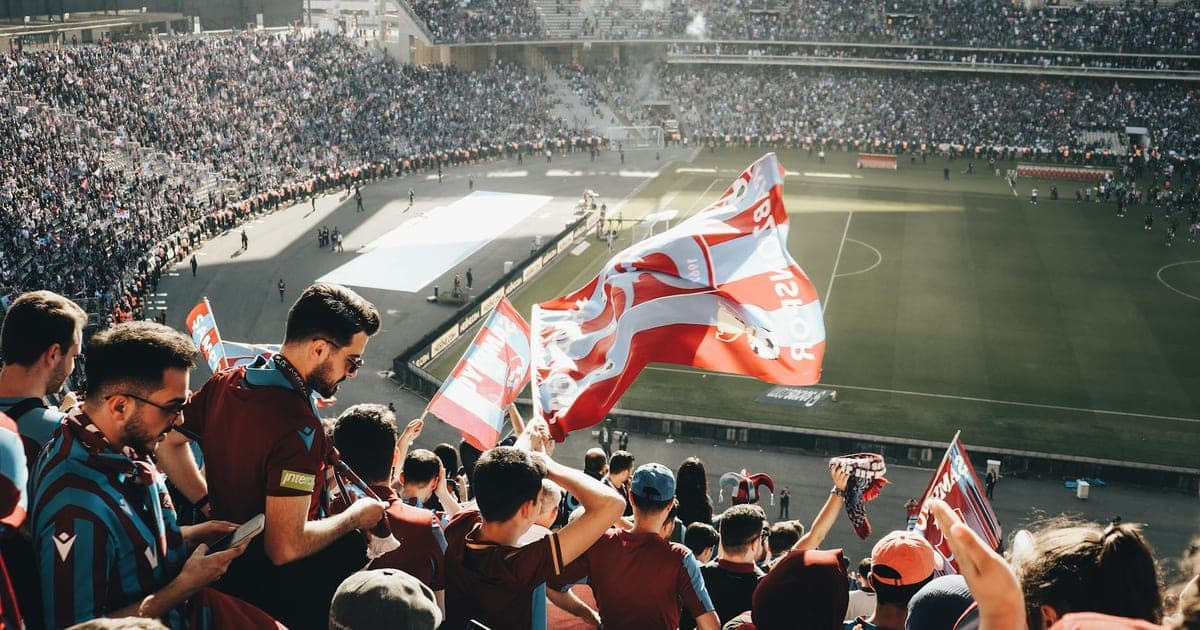
The 2026 FIFA World Cup is the biggest edition in history. Forty-eight teams. One hundred and four matches. Sixteen host cities spread across three countries — the United States, Canada, and Mexico. The tournament runs from June 11 to July 19, 2026, and the final takes place at MetLife Stadium in East Rutherford, New Jersey.
If you are planning to attend, you are not just planning a trip to one place. You are planning a multi-city, potentially multi-country journey across North America during peak summer travel season. That requires real logistics — not just a hotel booking.
This guide covers the host cities and venues, visa requirements for all three countries, realistic budgets by city tier, how to get between cities, and how AI trip planning tools can simplify the entire process.
The 16 Host Cities and Venues
United States (11 cities)
The US hosts the majority of matches, including all knockout rounds from the quarterfinals onward and the final.
- New York/New Jersey — MetLife Stadium (82,500 capacity). Hosts the final on July 19. Located in East Rutherford, NJ, about 8 miles from Midtown Manhattan. Accessible via NJ Transit and shuttle buses on match days.
- Los Angeles — SoFi Stadium (70,240). Inglewood, CA. Connected to LAX by the new Inglewood Transit Connector. LA's sprawl means you need a car or plan around transit carefully.
- Dallas/Arlington — AT&T Stadium (80,000). Home of the Cowboys. Arlington has no public transit to speak of — plan for shuttles, rideshares, or rental cars.
- Houston — NRG Stadium (72,220). South of downtown, reachable via METRORail. Houston in June-July means 35°C+ (95°F+) and oppressive humidity. Hydration is not optional.
- Atlanta — Mercedes-Benz Stadium (71,000). Downtown, directly on MARTA rail. One of the most transit-friendly venues on the list.
- Philadelphia — Lincoln Financial Field (69,796). South Philadelphia, accessible via the Broad Street Line subway. Walkable stadium district.
- Miami/Miami Gardens — Hard Rock Stadium (64,767). North of Miami proper. Limited public transit; expect heavy traffic and rideshare surges on match days.
- Seattle — Lumen Field (68,740). Downtown, steps from multiple transit options. Expect the mildest summer weather of any US host city — highs around 24°C (75°F).
- San Francisco Bay Area — Levi's Stadium (68,500). Located in Santa Clara, about 45 miles south of San Francisco. The Caltrain + VTA light rail connection exists but adds time. Many fans will stay in San Jose rather than SF.
- Kansas City — Arrowhead Stadium (76,416). East of downtown KC. Car-dependent area, but the city is significantly cheaper than coastal hosts.
- Boston/Foxborough — Gillette Stadium (65,878). In Foxborough, MA — about 30 miles southwest of Boston. Limited transit on non-game days. The MBTA runs special commuter rail service for events but plan ahead.
Mexico (3 cities)
- Mexico City — Estadio Azteca (87,523). The legendary venue from the 1970 and 1986 finals. Connected by Metro Line 2. At 2,240m (7,350ft) elevation — altitude can affect you if you are not acclimatized.
- Guadalajara — Estadio Akron (49,850). Mexico's second-largest city. Affordable, excellent food scene, well-connected airport.
- Monterrey — Estadio BBVA (53,500). Industrial city near the US border. Hot in summer (regularly 38°C / 100°F+), but modern infrastructure and easy access from Texas.
Canada (2 cities)
- Toronto — BMO Field (30,000, expanded for World Cup). Downtown on the lakefront. Excellent transit via TTC. Toronto in summer is genuinely pleasant — 25-27°C (77-81°F).
- Vancouver — BC Place (54,500). Downtown, walkable from most hotels. Rain is unlikely in June-July. One of the most scenic host cities.
Visa Requirements: Three Countries, Three Systems
This is where World Cup 2026 gets complicated. You may need entry authorization for up to three different countries.
United States
- Visa Waiver Program (VWP) countries (40 countries including most of the EU, UK, Japan, South Korea, Australia, New Zealand): Apply for ESTA (Electronic System for Travel Authorization) online. Costs $21 and is valid for 2 years. Apply at least 72 hours before departure.
- All other nationalities: You need a B-1/B-2 tourist visa. Apply at your nearest US embassy or consulate. Processing times vary wildly by country — some are weeks, others are months. Start early.
- $250 Visa Integrity and Border Security Fee: This new fee applies to certain visa categories. Check the State Department website for whether your visa class is affected. This is separate from your visa application fee.
Canada
- Visa-exempt nationalities (most EU citizens, many others): You need an eTA (Electronic Travel Authorization). Costs CAD $7 and is usually approved within minutes. Apply online before your flight.
- Other nationalities: Apply for a Canadian visitor visa. Processing times vary by country.
Mexico
- Many nationalities (US, EU, Canada, and others): You receive a Forma Migratoria Multiple (tourist card/FMM) on arrival or fill it out before departure online. Valid for up to 180 days.
- Some nationalities: Require a Mexican tourist visa. Check with the nearest Mexican consulate.
Important Note for US Travelers Going to Europe
If you are a US citizen planning to combine your World Cup trip with travel to Europe before or after, note that ETIAS (European Travel Information and Authorisation System) is not yet required as of early 2026. It has been delayed multiple times. Check the latest status before booking, but as of this writing, US citizens still enter the Schengen Area visa-free without pre-authorization.
Budget Breakdown by City Tier
Costs vary enormously across the 16 host cities. Here is a realistic daily budget per person for mid-range travel (decent hotel, eating out twice a day, local transport, one activity or match).
Tier 1: Expensive ($250-400/day)
- New York/New Jersey — Hotels near MetLife or in Manhattan will be $200-350/night during the tournament. Meals add up fast. Budget $300-400/day.
- Los Angeles — Comparable to NYC if you stay near SoFi or on the Westside. A car rental adds $60-100/day with insurance and parking.
- San Francisco Bay Area — Silicon Valley hotel prices are high year-round. Staying in San Jose instead of SF saves money but still expect $250-300/day.
- Boston — Summer is peak season. Foxborough accommodation is limited, so most fans stay in Boston. $250-300/day.
Tier 2: Moderate ($150-250/day)
- Miami — Off-season for locals (it is blazing hot) but on-season for the World Cup. $180-250/day.
- Seattle — Reasonable by West Coast standards. $170-230/day.
- Atlanta — One of the best value US host cities. $150-200/day.
- Philadelphia — Affordable for the Northeast. $160-220/day.
- Dallas — Cheap hotels but you will spend on transport. $150-200/day.
- Toronto — Canadian dollar helps non-Canadian visitors. $170-230/day.
- Vancouver — Summer is Vancouver's priciest season but still reasonable. $180-240/day.
Tier 3: Budget-Friendly ($80-150/day)
- Houston — Affordable accommodation and food. $120-170/day.
- Kansas City — The cheapest US host city. Great BBQ for under $20. $100-150/day.
- Mexico City — Exceptional value. World-class food for $5-10 a meal. $80-120/day.
- Guadalajara — Even cheaper than CDMX for accommodation. $70-110/day.
- Monterrey — The priciest Mexican host but still a bargain by US standards. $90-130/day.
Getting Between Cities
Multi-city World Cup trips require real transportation planning. Here are your options.
Flights
Domestic flights are the fastest option for most city pairs. Book as early as possible — airlines will add World Cup surcharges on high-demand routes (New York, LA, Dallas, Houston corridor).
- Budget airlines to consider: Southwest, Frontier, Spirit (US); Volaris, VivaAerobus (Mexico); Flair, Swoop (Canada).
- Cross-border flights: Direct flights exist between most US hubs and Mexico City, Guadalajara, Toronto, and Vancouver.
- Watch for: Baggage fees, schedule changes, and the reality that domestic US flights are often delayed in summer due to thunderstorms.
Trains and Buses
- Amtrak connects several US host cities: Boston-New York-Philadelphia is the Northeast Corridor (fast and reliable). Beyond that, Amtrak is slow but scenic.
- Brightline connects Miami to Orlando (if you want a day off between matches).
- Megabus and FlixBus offer cheap intercity buses across the US.
- Mexico: ADO and ETN run comfortable first-class buses between Mexico City, Guadalajara, and Monterrey. Cheaper and often more convenient than flying.
- Canada: VIA Rail connects Toronto to other Canadian cities, but there is no direct train to Vancouver (4+ day journey).
Driving
- US: Renting a car makes sense between nearby cities (Dallas-Houston is 4 hours, Kansas City-Dallas is 8 hours). Park-and-ride lots near stadiums will be available.
- Mexico: The autopistas (toll highways) between CDMX, Guadalajara, and Monterrey are well-maintained. The CDMX-Guadalajara drive is about 6 hours.
- Cross-border: Driving between the US and Mexico is possible at border crossings (Laredo/Nuevo Laredo for Monterrey). Ensure your rental agreement covers Mexico — most US rental companies do not allow it. You will need Mexican auto insurance regardless.
Accommodation Tips
Hotels near stadiums will sell out months in advance for popular matches. Here are strategies that actually work:
- Book refundable rates now. Lock in prices at current rates. If your team gets eliminated or you change plans, cancel free.
- Look at Airbnb and VRBO for groups. A 3-bedroom apartment split four ways often beats hotel prices per person.
- Consider staying further out. In cities with good transit (New York, Atlanta, Philadelphia, Toronto, Vancouver), staying 20-30 minutes from the stadium via train saves significantly.
- Mexico City is a cheat code. Neighborhoods like Roma, Condesa, and Coyoacan offer boutique hotels for $60-100/night that would cost $300+ in equivalent NYC neighborhoods.
- University dorms: Some universities near host stadiums offer summer accommodation. Check local university housing websites starting in early 2026.
Safety and Practical Considerations
- Heat: Houston, Dallas, Miami, Monterrey, and Phoenix-adjacent areas will be brutally hot in June-July. Expect 35-40°C (95-104°F). Drink water constantly, wear sunscreen, and plan indoor time between activities.
- Altitude: Mexico City sits at 2,240 meters. If you are coming from sea level, give yourself a day to adjust before doing anything strenuous. Drink extra water, go easy on alcohol.
- Health insurance: The US has notoriously expensive healthcare. If you are visiting from abroad, buy travel insurance with medical coverage. A hospital visit without insurance can cost thousands of dollars.
- Scams and pickpockets: Standard big-city precautions apply everywhere. Around stadiums, beware of unofficial ticket resellers, fake merchandise, and inflated rideshare pricing.
- Match day transport: Leave early. Every host city will have traffic congestion on match days. Allow at least 2 hours to get to the stadium before kickoff if using roads.
How AI Trip Planners Help With Multi-City World Cup Trips
Planning a World Cup trip across multiple cities is not like booking a week in Cancun. You are juggling match schedules, flights between cities, visa requirements for up to three countries, accommodation in cities with wildly different price levels, and the logistics of getting to suburban stadiums from city centers.
This is exactly where AI trip planners like MonkeyTravel add real value.
What an AI planner can do for your World Cup trip:
- Build multi-city itineraries around your match schedule. Tell the AI which matches you want to attend and it maps out the route, suggests where to fly and where to take a bus, and identifies the transit connections to each stadium.
- Optimize your route. If you want to see Group Stage matches in Houston, Dallas, and Kansas City, the AI calculates the best order to minimize travel time and cost rather than zigzagging across the country.
- Budget across different price tiers. An AI planner can estimate daily costs for each city on your route and help you balance expensive cities (NYC, LA) with affordable ones (Mexico City, Kansas City) to hit an overall budget target.
- Handle the visa complexity. If your itinerary crosses into Mexico or Canada, the planner flags which entry authorizations you need and when to apply.
- Find things to do between matches. You will not be watching football 24 hours a day. The AI can fill rest days with city-specific recommendations — tacos al pastor in CDMX, live music in Kansas City, the Art Institute in Philadelphia.
A trip with 3-4 World Cup matches across different cities involves dozens of bookings and logistics decisions. Doing it manually with spreadsheets works but takes hours. An AI planner compresses that into minutes.
Start Planning Now
The World Cup is two months away. If you have not started planning, you are not too late — but you are getting close. Accommodation in the most popular host cities (New York, LA, Mexico City) is filling up. Flight prices between host cities are climbing weekly.
Here is the order of operations:
- Decide which matches you want to attend (or which cities interest you regardless of specific matches).
- Check your visa situation for all countries on your route. Apply for ESTA, eTA, or visas immediately if needed.
- Book refundable accommodation in each city now to lock in rates.
- Book inter-city transport — flights and trains between host cities.
- Plan what to do between matches — rest days, sightseeing, food.
Or let an AI planner handle steps 1 through 5 in one conversation. Drop your dates, match preferences, and budget into MonkeyTravel and get a complete multi-city itinerary in minutes.
The 2026 World Cup is a once-in-a-generation event spread across an entire continent. Plan it right and it becomes the trip of a lifetime. Plan it poorly and you will spend more time in airport security lines than watching football.
Choose wisely.