Vietnam is one of the most-searched destinations globally heading into 2026 — and for a reason most travel articles won't say directly: it's one of the few places left where your money goes absurdly far, the food is world-class at street-stall prices, and a 10-day itinerary can actually be done properly without cutting corners.
This guide covers the 1,750km stretch from Hanoi in the north to the Mekong Delta in the south. Day-by-day, price-by-price, no filler.
The Vietnam E-Visa: Don't Overthink It
Most nationalities can get a Vietnam e-visa online. It's $25, valid for 90 days single entry (multiple entry also available now), and takes 3 business days to process.
Go to: evisa.xuatnhapcanh.gov.vn — that's the official government portal. Ignore the third-party sites charging $50+ for the same document.
Important details:
- Apply at least 5 business days before travel, not 3 (buffer for any back-and-forth)
- Your passport must be valid for at least 6 months beyond your entry date
- Print a physical copy — some border staff still ask for it even with electronic systems
- The 90-day clock starts on your entry date, not when you apply
Visa-on-arrival is still technically available but the e-visa is cheaper and faster. Use the e-visa.
What Vietnam Actually Costs in 2026
Vietnam is Southeast Asia's best value destination. Here's what real spending looks like:
| Category | Budget | Mid-Range | Comfortable |
|---|---|---|---|
| Accommodation/night | $15-30 | $50-100 | $100-200+ |
| Street food meal | $1-3 | — | — |
| Restaurant meal | $5-10 | $15-25 | $30-60 |
| Domestic flight | $40-60 | — | — |
| Ha Long Bay cruise | $80-150 | $200-300 | $400+ |
| City transportation | $1-5/day | $5-15/day | — |
| Daily total | $30-50 | $80-150 | $200+ |
Budget travelers who eat mostly street food, stay in clean guesthouses, and book transport in advance can genuinely hit $35-40/day. Mid-range travelers comfortable with private hotel rooms, air-conditioned restaurants, and the occasional activity come in at $80-120/day.
Vietnam makes the cheapest destinations in Asia list for a reason.
When to Go (The Honest Version)
Vietnam is a long country and the weather doesn't behave uniformly. There's no single "best month" — it depends on where you're going.
North (Hanoi, Ha Long Bay):
- Best: October to April (cool and dry)
- Avoid: July to August (hot, humid, occasional rain)
Central (Da Nang, Hoi An):
- Best: February to May (dry season, warm but not roasting)
- Avoid: September to November — this is monsoon season for central Vietnam, with genuine flooding in Hoi An's Ancient Town
South (Ho Chi Minh City, Mekong Delta):
- Best: November to April (dry season)
- Rainy season (May-October): afternoon downpours that clear within an hour — manageable, and prices drop significantly
For a north-to-south trip like this itinerary: November through March hits dry season across all three zones. March 2026 is near-ideal.
First Hours in Vietnam: Sim Card and Cash
SIM card: Buy one at the airport immediately. Viettel, Vinaphone, and Mobifone all sell tourist SIMs at arrivals. Cost: $5-10 for 30 days of unlimited data. This is non-negotiable — Grab (Vietnam's ride-hailing app) doesn't work without mobile data, and you need Grab.
Cash: Vietnam runs primarily on Vietnamese Dong (VND). Get cash from ATMs, not currency exchange desks. Vietcombank and BIDV ATMs have the best rates and lowest fees. Withdraw in amounts of 3-5 million VND at a time. Many guesthouses, local restaurants, and market stalls are cash-only.
Grab vs. taxis: Always use Grab. Traditional taxis in tourist areas are notorious for running modified meters or flat-rate scams. Grab shows the price before you book. Set it up before landing.
The 10-Day Itinerary: Hanoi to the Mekong Delta
This route covers the full country efficiently using a combination of internal flights and ground transport. Total internal flight cost: ~$80-120.
Days 1-2: Hanoi
Arrive into Noi Bai International Airport (HAN). Grab to the Old Quarter takes 35-45 minutes and costs $5-8.
Day 1 — Orientation and Street Food
Start at Hoan Kiem Lake in the morning. It's the geographic and psychological center of Hanoi — walk the perimeter, cross the red bridge to Ngoc Son Temple ($1 entry), and get your bearings.
The Old Quarter is 36 streets organized loosely by trade. Wander north of the lake and you're in it. Have your first pho at a plastic-stool street stall — look for places with queues of locals. A bowl costs $1.50-2. This is the benchmark everything else gets measured against.
Afternoon: Hoan Kiem area → Temple of Literature → West Lake. The Temple of Literature (Van Mieu) is Vietnam's first university, founded in 1070. Entry is $1.50. West Lake at sunset is where Hanoi residents actually spend their evenings — rent a bike or just walk the south shore.
Evening: Train Street (Duong Tau), the narrow alley where a train passes within inches of café tables twice a day, is a tourist trap but an entertaining one. Then hit the Dong Xuan Market night food section for bun cha ($2), nem ran ($1 per roll), and banh cuon ($2).
Egg coffee at Cafe Giang is mandatory — it sounds odd, it tastes like dessert, and it's been there since 1946.
Day 2 — History and Half-Day Trips
Ho Chi Minh Mausoleum opens at 7:30 AM and closes at noon (closed Monday and Friday, and for 2 months per year for maintenance — check dates). It's free. The queue moves quickly. Dress modestly.
Adjacent is the Ho Chi Minh Museum, the Presidential Palace grounds, and the One Pillar Pagoda. Budget 2-3 hours for the complex.
Afternoon: Hoa Lo Prison (the "Hanoi Hilton") — sobering and important. Entry $1.50. It presents both French colonial history and American POW history with very different framing; that tension itself is worth engaging with.
Evening: Street food tour around Bui Vien and Ta Hien streets. Bia hoi (fresh-brewed beer) costs $0.25-0.50 per glass. The noise and energy peak around 8-10 PM.
Days 3-4: Ha Long Bay
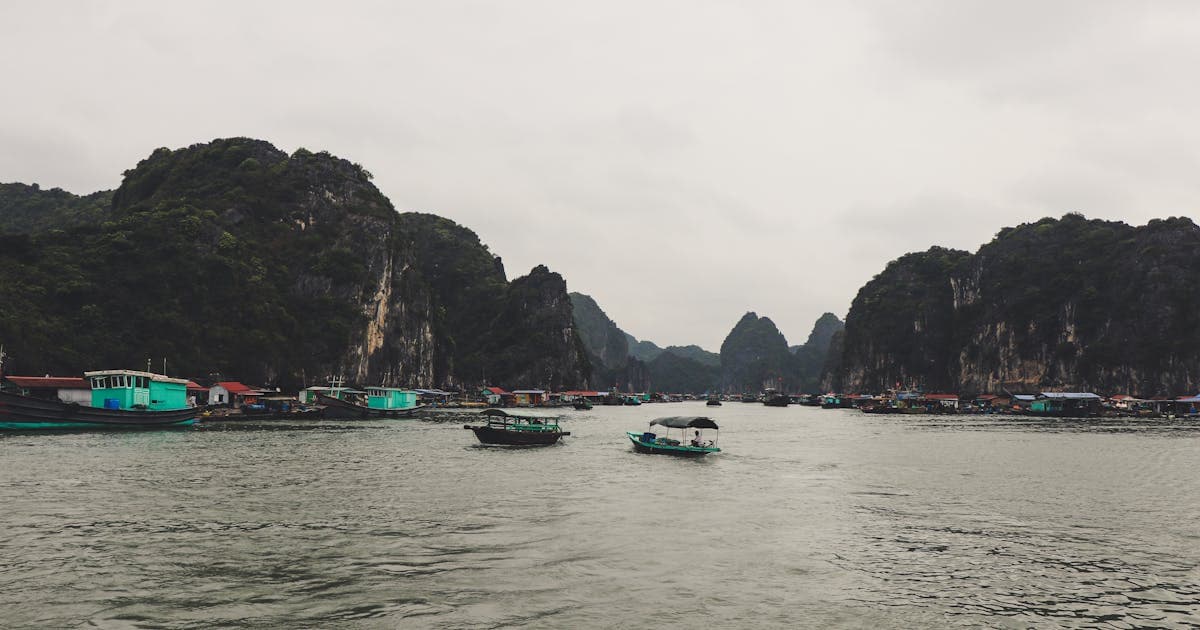
Book a 2-day/1-night cruise. This is one of those experiences that actually matches the photos — 1,600 limestone islands rising from emerald water, most of them uninhabited. But you need to pick the right boat.
How to book:
- Budget cruises ($80-150): Mostly 2-star boats, en-suite cabins, included meals, kayaking and cave visits. Quality varies significantly. Read recent reviews on TripAdvisor or GetYourGuide, not the boat's own website.
- Mid-range ($200-350): More space, better food, smaller groups, usually includes more activities
- Luxury ($400+): Private cabins, sunset cocktails on a sundeck, spa services
What you'll do: Kayaking through caves, visiting floating fishing villages, climbing to viewpoints, swimming in sheltered coves. The Hang Sung Sot (Surprise Cave) is the most impressive — enormous chambers with natural light filtering in. Included in most cruise packages.
Ha Long vs. Lan Ha Bay: Lan Ha Bay (via Cat Ba Island, reachable by bus+ferry or speed boat from Hanoi) has fewer boats, wilder scenery, and is less crowded. Worth the extra logistics for independent travelers.
Most cruises depart from Ha Long City port or the newer Tuan Chau Marina. Travel time from Hanoi: 3.5-4 hours by shuttle bus (included with most cruise packages, ~$7 if booking independently).
Return to Hanoi on Day 4 afternoon and prepare to fly south.
Day 5: Fly to Da Nang → Transfer to Hoi An
Morning flights from Hanoi (HAN) to Da Nang (DAD) take 1 hour 15 minutes. Price: $40-60 booked in advance on VietJet, Bamboo Airways, or Vietnam Airlines. Book at least 2 weeks ahead.
Da Nang airport is modern and easy. Grab from the airport to Hoi An: 30 minutes, $8-12. Don't bother staying in Da Nang unless you specifically want beach time — Hoi An is the draw.
Hoi An check-in and first evening:
The Ancient Town is a UNESCO World Heritage Site — a preserved trading port that looks largely unchanged from the 15th-19th century. The architecture is Japanese, Chinese, and Vietnamese simultaneously, which is unusual and worth understanding before you arrive (the town thrived because it welcomed all three communities).
Evening: Walk the lantern-lit Ancient Town streets. Lanterns are everywhere — hanging from every shop, floating on the river on weekends. The river promenade at night is genuinely beautiful. Have cao lau (a noodle dish eaten almost exclusively in Hoi An, made with water from a specific ancient well) — $2-3 at a local spot.
Days 5-7: Hoi An (3 Full Days)
Three days in Hoi An is the right amount. Here's how to use them:
Ancient Town (half day): A combination ticket covers most of the major sites ($7 for 5 attractions). The Assembly Halls (Phuc Kien is the most impressive), Old House of Tan Ky, Japanese Covered Bridge, and the Museum of Trading Ceramics. Plan for a 2-3 hour walk.
Go early (before 9 AM) — the Ancient Town is pedestrianized in the mornings and evenings, and the light is better. By 10 AM it gets crowded.
Cooking class: Hoi An's cooking classes are some of the best in Southeast Asia — most include a morning market visit, boat ride, and 4-5 dishes. Price: $25-45 per person. Red Bridge Cooking School and Morning Glory are the two most consistent names.
Tailor shops: Hoi An has over 400 tailors. Custom-made clothes in 24-48 hours at $30-100 for a suit, $20-50 for a dress. Don't buy on Day 1 — visit a few shops, get quotes, and order with enough time for fittings. Yaly Couture and A Dong Silk are frequently recommended by repeat visitors.
Cham Islands day trip: A short boat ride from An Bang Beach, the Cham Islands have coral reefs and good snorkeling. Day trips cost $25-40 including lunch, transport, and snorkeling gear. Best from February to August (sea conditions make it rough in other months).
My Son Sanctuary:
A 40km day trip from Hoi An. The My Son ruins are a cluster of Hindu temples built by the Cham civilization between the 4th and 14th centuries — think Cambodia's Angkor Wat but smaller and less crowded. Entry $12. Hire a motorbike taxi from Hoi An ($15 round trip) or join a group tour ($10-15).
An Bang Beach: 4km from the Ancient Town by bike (rent for $2/day). Less developed than Da Nang's beaches, with a row of relaxed beach bars. Morning is best before sunbathers arrive.
Day 8: Fly to Ho Chi Minh City
Da Nang (DAD) to Ho Chi Minh City/Tan Son Nhat (SGN): 1 hour 15 minutes, $40-60. Book the morning flight to maximize your first day in HCMC.
Grab from Tan Son Nhat airport to District 1: 20-30 minutes, $5-8. Traffic in HCMC is what everyone warns you about — it's genuinely dense with motorbikes, and the trick to crossing the street is to walk slowly and steadily at a constant pace while traffic flows around you. It works.
Days 8-9: Ho Chi Minh City
HCMC (still called Saigon by most locals, which is fine to use) is a completely different city from Hanoi — louder, faster, more commercial, less historical. Two days is enough to get it right.
Cu Chi Tunnels: The underground tunnel network used by Viet Cong forces during the Vietnam War. 75km northwest of HCMC; most tours take 3-4 hours. Entry $10; tours $15-25 including transport. Book a morning slot and be back by lunch — don't do this in the afternoon heat.
The "Ben Dinh" section is tourist-heavy. Ask for the "Ben Duoc" section (further from HCMC) — larger, better preserved, and significantly fewer tour groups.
War Remnants Museum: Located in District 3. One of the most important museums in Southeast Asia, covering the American war from a Vietnamese perspective. Entry $2. Give it 2-3 hours. It's not comfortable — it's not meant to be.
Ben Thanh Market: The tourist market in District 1. Good for souvenirs, lacquerware, and Vietnamese coffee — prices start high and expect to bargain to 40-60% of the first quote. The surrounding Ben Thanh Street Food Market operates evenings and is better for eating.
Rooftop bars: HCMC has the best rooftop bar scene in Vietnam. Broma Not a Bar (District 3, free entry, $5 drinks) and Chill Sky Bar (District 1, 26th floor) are the two most consistent picks. Sunset is around 6 PM — arrive 30 minutes early.
District 1 street food: Broken rice (com tam) with grilled pork, eggs, and pickled vegetables — $2-3. This is HCMC's signature dish. Banh mi from a street cart: $0.75-1.50. Fresh spring rolls (goi cuon) with peanut sauce: $1-2 per roll.
Day 10: Mekong Delta Day Trip
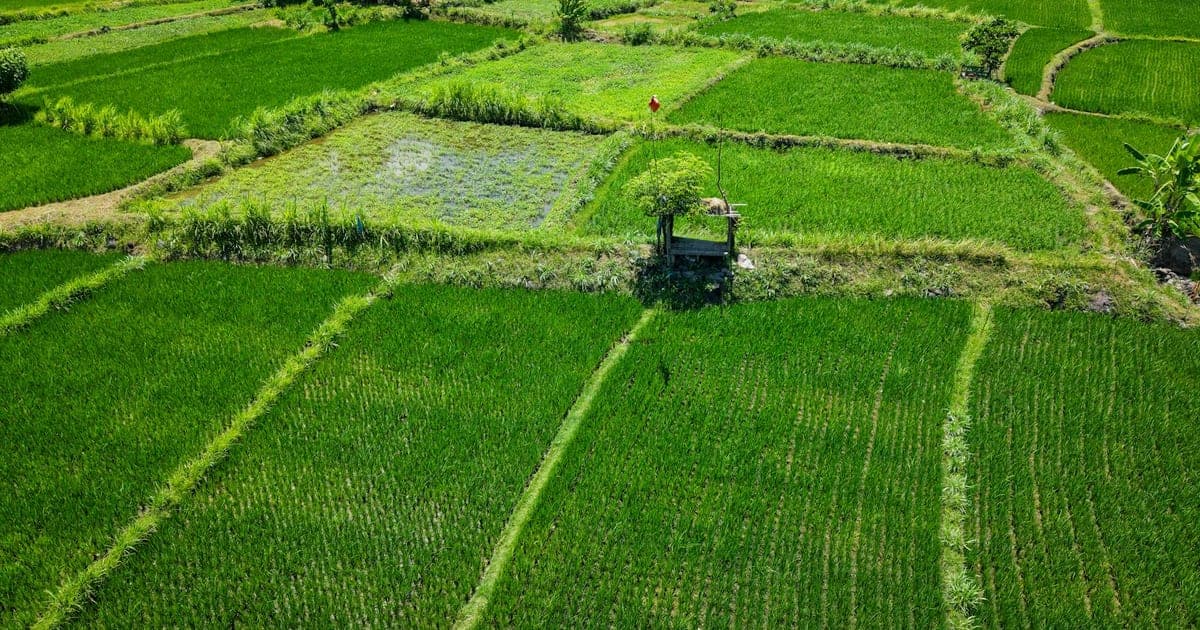
The Mekong Delta — the river delta where the Mekong splits into nine branches before reaching the sea — is a day trip from HCMC that shows a completely different side of Vietnam. Here you're in flat, green agricultural land with narrow canals, coconut palms, and fishing villages.
What to expect: Most day tours ($15-30) cover My Tho or Ben Tre province. You'll visit floating markets (arrive before 9 AM — they're busiest in the early morning), row through narrow canal paths in a sampan boat, tour a coconut candy workshop (the production process is genuinely interesting), and have lunch at a local family restaurant.
Floating markets: Cai Rang Floating Market in Can Tho is the most impressive — but it requires an overnight in Can Tho. For a day trip, the Cai Be floating market near My Tho is smaller but accessible.
A better option for serious travelers: spend an overnight in Can Tho, see Cai Rang market at 5:30 AM when it's peaking, and fly or bus back to HCMC for your departure. The extra night costs $15-30 and is worth it.
Getting Between Cities: Train vs. Flight vs. Bus
| Route | Flight | Train | Bus |
|---|---|---|---|
| Hanoi → Da Nang | 1h15m, $40-60 | 15-17h, $25-40 | 13-14h, $12-20 |
| Da Nang → HCMC | 1h15m, $40-60 | 16-18h, $30-45 | 15-16h, $15-22 |
| HCMC → Mekong Delta | n/a | n/a | 2-3h, $3-6 |
The Reunification Express train running the full Hanoi-HCMC route is scenic and comfortable, but 30 hours is a lot of commitment. For a 10-day trip, fly the two main legs and use ground transport for local movement.
The Mistakes First-Timers Make
Booking Ha Long Bay cruise too cheap. The $40-50/night boats exist. The cabins are closet-sized, the food is questionable, and the boat may be running illegal routes. Budget $80-150 minimum for a reputable 2D/1N cruise.
Trying to see too much. Hanoi-Ha Long-Hoi An-HCMC is already four distinct regions. Adding Sapa, Phong Nha, and the Mekong to one trip is how you end up experiencing nothing properly.
Skipping the local food entirely. If every meal is in a restaurant with English menus and photos, you're missing the point of being in Vietnam. The street food is the food.
Ignoring the central Vietnam rain calendar. Hoi An floods. Not metaphorically — the Ancient Town has genuine water levels during typhoon season. If you're going in September-November, check our monsoon guide before booking.
Not using Grab. Every "just wave down a xe om" story ends with someone paying $15 for a $3 ride.
Plan Your Vietnam Trip Without the Spreadsheet
A Hanoi-to-Mekong route has a lot of moving parts: e-visa timing, cruise booking windows, domestic flight combinations, and figuring out which Ha Long cruise is worth the money. Our free AI trip planner builds the full itinerary around your travel dates and budget — with real options, real prices, and routing that actually makes sense. If you're focused on keeping costs down, the budget trip planner shows you what's possible at every price point.
Tell it you want 10 days in Vietnam. Get a working plan back in under a minute.
FAQ
Do I need a visa for Vietnam?
Most nationalities can get a Vietnam e-visa online for $25. It's valid for 90 days and covers a single entry (multiple entry is also available). Apply at the official government portal: evisa.xuatnhapcanh.gov.vn. Processing takes 3 business days — apply at least 5 days before travel. Some countries (South Korea, Japan, and a handful of others) have visa-free agreements with Vietnam for stays under 15-45 days; check if yours qualifies.
How much does a 10-day Vietnam trip cost?
Budget travelers who stay in guesthouses and eat street food can do 10 days for $350-500 total (excluding flights). That's $35-50/day. Mid-range travelers spending $80-150/day can expect $800-1,500 for 10 days on the ground. Budget about $250-400 extra for internal flights (Hanoi-Da Nang and Da Nang-HCMC). International flights vary widely by origin.
Is Vietnam safe for solo travelers?
Vietnam is generally very safe for solo travelers, including solo women. Petty theft (bag snatching on motorbikes) happens in HCMC's tourist areas — keep bags on the side away from the street. The main risks are traffic-related: roads are chaotic, motorbike rental accidents are common, and pedestrian crossings require confidence. Use reputable transport (Grab, licensed shuttles) and don't rent a motorbike unless you have genuine riding experience.
What's the best Ha Long Bay cruise for first-timers?
For first-timers on a mid-budget, look for 3-star cruises in the $150-250 range. These typically include better cabins, more activities (kayaking, cooking classes, squid fishing at night), and smaller group sizes than budget options. Indochina Junk and Bhaya Cruises are frequently cited as consistent mid-range operators. Book at least 4-6 weeks ahead for Nov-Apr peak season.
Is Vietnamese street food safe to eat?
Yes, with basic judgment. Look for stalls with high turnover (locals eating there, food being cooked to order), avoid pre-cooked meat sitting in the sun, and stick to freshly made items. Pho broth is boiled for hours — it's fine. Fresh spring rolls with raw vegetables are lower risk than you'd think because Vietnamese kitchens handle fresh produce carefully. Millions of travelers eat street food in Vietnam every year without issues.
Sources: Vietnam National Administration of Tourism, Vietnam E-Visa Official Portal, Lonely Planet Vietnam, UNESCO Ha Long Bay, Nomadic Matt Vietnam Travel Costs, TripAdvisor Ha Long Bay Cruises