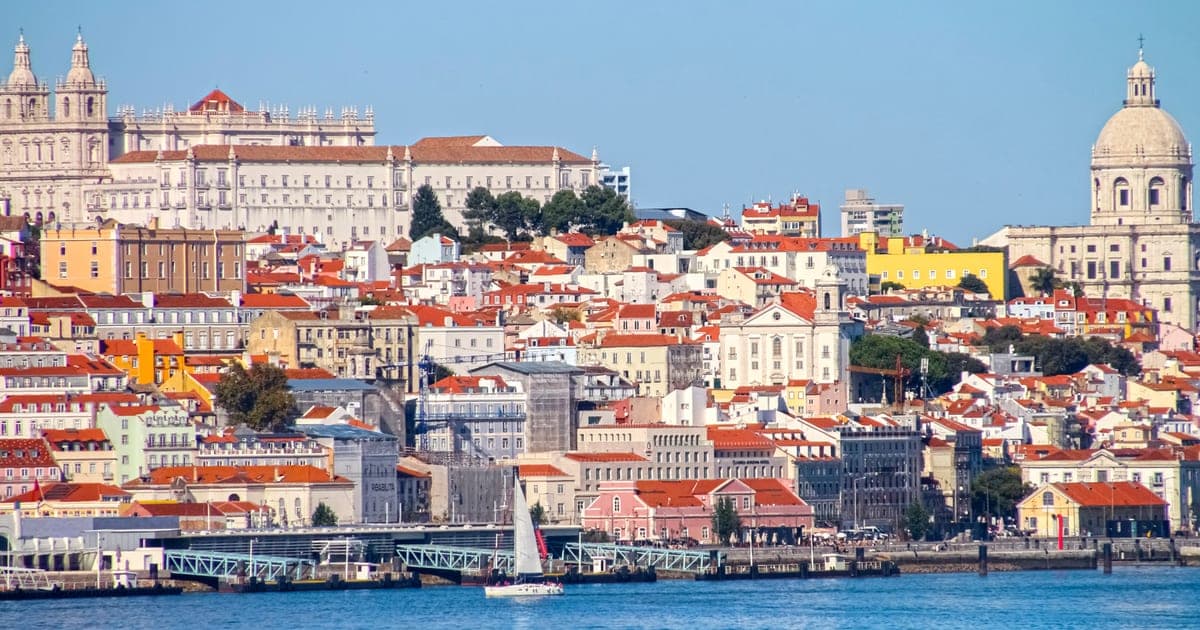
Portugal es uno de los destinos europeos con mejor relación calidad-precio, y sus dos ciudades principales ofrecen experiencias notablemente diferentes. Lisboa es la capital glamurosa — extensa, bañada por el sol y cosmopolita. Oporto es la ciudad norteña con carácter — compacta, empapada de vino y auténtica sin complejos.
Ambas son excepcionales. Ambas son asequibles para los estándares de Europa Occidental. Pero atraen a viajeros diferentes por razones diferentes.
Esta guía desglosa las diferencias reales con precios actuales de 2026 y consejos prácticos, para que dejes de leer artículos de "visita ambas" y tomes una decisión de verdad.
Comparación Rápida de un Vistazo
| Categoría | Lisboa | Oporto |
|---|---|---|
| Presupuesto diario medio | 70-110 € | 55-90 € |
| Mejor experiencia gastronómica | Marisco, cocina global, terrazas | Cocina portuguesa tradicional, francesinha, tabernas |
| Atracción principal | Torre de Belém / Barrio de Alfama | Distrito de Ribeira / Livraria Lello |
| Vida nocturna | Gran escena de clubs y bares | Bares íntimos, bodegas de vino |
| Playas | Cascais y Costa da Caparica (30-45 min) | Foz do Douro y Matosinhos (15-20 min) |
| Clima (abr-oct) | 16-30°C, mucho sol | 14-27°C, algo más fresco y lluvioso |
| Transporte | Tranvías, metro, calles empinadas | Muy peatonal, centro compacto |
| Vino | Buena selección en todas partes | Capital mundial del vino de Oporto |
| Mejor para | Vida nocturna, playas, cosmopolitismo | Presupuesto, vino, autenticidad |
Presupuesto
Portugal ya es barato comparado con París o Barcelona. Oporto va aún más lejos.
Lisboa: Desglose del Presupuesto Diario
| Gasto | Económico | Medio |
|---|---|---|
| Alojamiento | 35-60 € | 80-150 € |
| Desayuno | 3-5 € | 5-10 € |
| Almuerzo | 8-12 € | 12-22 € |
| Cena | 12-20 € | 22-40 € |
| Transporte | 5-8 € | 8-15 € |
| Actividades | 8-15 € | 15-30 € |
| Total Diario | 71-120 € | 142-267 € |
Oporto: Desglose del Presupuesto Diario
| Gasto | Económico | Medio |
|---|---|---|
| Alojamiento | 25-45 € | 60-120 € |
| Desayuno | 2-4 € | 4-8 € |
| Almuerzo | 6-10 € | 10-18 € |
| Cena | 10-16 € | 18-35 € |
| Transporte | 3-6 € | 6-10 € |
| Actividades | 5-12 € | 12-25 € |
| Total Diario | 51-93 € | 110-216 € |
Veredicto: Presupuesto
Oporto es un 20-25% más barata que Lisboa en todos los aspectos. Los mayores ahorros están en alojamiento y comida. Una habitación de hotel de calidad en el centro de Oporto cuesta lo que una básica en Lisboa. Un almuerzo tradicional en Oporto cuesta 7-10 €; la misma comida en Lisboa son 10-14 €. Para viajeros con presupuesto, Oporto es una de las escapadas urbanas más baratas de Europa Occidental — puedes comer y dormir bien con 55-70 € al día.
Gastronomía
La cocina portuguesa está infravalorada a nivel mundial, y ambas ciudades cumplen. Pero las culturas gastronómicas tienen personalidades distintas.
Lisboa: Diversidad y Ambición
La escena gastronómica de Lisboa ha explotado en la última década. La base tradicional — sardinas a la brasa, bacalao, pastéis de nata — sigue siendo excelente, pero la ciudad ha añadido una capa cosmopolita. Encontrarás fusión mozambiqueña-portuguesa, tascas con influencia asiática y una creciente escena de alta cocina.
Lo que comerás bien:
- Pastéis de nata en Pastéis de Belém (1,40 € cada uno — vale la cola)
- Sardinas a la brasa en una tasca de Alfama (8-12 €)
- Bifana (bocadillo de cerdo) en un mostrador local (3-4 €)
- Arroz de marisco en un restaurante de gama media (16-24 € para dos)
- Time Out Market: puestos seleccionados de los mejores chefs de Lisboa (8-18 € por plato)
Dónde falla: Los barrios de Bairro Alto y Chiado se han vuelto muy turísticos, y algunos restaurantes han subido precios sin subir calidad.
Oporto: Tradición y Sustancia
La comida de Oporto es contundente, sin pretensiones y obstinadamente tradicional. La ciudad ha resistido la ola de modernización que llegó a Lisboa, y eso es exactamente lo que la hace especial. Comes lo que comen los locales — estofados contundentes, embutidos curados, pescado de río y la legendaria francesinha.
Lo que comerás bien:
- Francesinha — el bocadillo insignia de Oporto: pan, jamón, salchicha, filete, cubierto de queso fundido y salsa de tomate y cerveza picante (9-14 €). Suena absurdo. Es trascendental.
- Tripas a moda do Porto — callos. Los portuenses se llaman "tripeiros" por algo (8-12 €)
- Bacalhau à brás — bacalao desmigado con huevos, cebolla y patatas crujientes (9-14 €)
- Petiscos (tapas portuguesas) en tascas tradicionales (3-6 € por plato)
- Bifana de Conga (3,50 €) — posiblemente el mejor bocadillo de cerdo de Portugal
Dónde falla: La escena de restaurantes de Oporto puede resultar repetitiva si solo comes en la zona turística de Ribeira. Aventúrate a Cedofeita, Bonfim o Campanhã para más variedad a mejores precios.
Veredicto: Gastronomía
Lisboa para variedad y cocina moderna. Oporto para comida tradicional portuguesa de verdad. Si quieres comer de forma aventurera y probar diferentes cocinas, la diversidad de Lisboa gana. Si quieres comer de forma auténtica y asequible — platos que tu abuela portuguesa aprobaría — Oporto es la mejor mesa. La francesinha sola podría justificar el viaje.
Vino
Esta es la joya de la corona de Oporto.
Lisboa
Lisboa tiene excelente disponibilidad de vino. El vino portugués en general es excepcional e infravalorado globalmente. Puedes beber muy bien en Lisboa — la ciudad tiene bares de vino de calidad, y una buena botella de vino portugués cuesta 5-12 € en restaurantes. El vinho verde es fresco y perfecto para el verano.
Copa de vino en un bar: 2,50-5 €.
Oporto
Oporto es la capital mundial del vino de Oporto. Las bodegas históricas en Vila Nova de Gaia — al otro lado del río desde el centro de Oporto — almacenan millones de litros de oporto envejeciendo en barricas. Visitar las bodegas es una de las mejores experiencias vinícolas de Europa: caminas por cuevas centenarias, aprendes el proceso de producción y catas varias cosechas por 15-25 €.
Más allá del oporto, Oporto bebe más vino per cápita que casi cualquier lugar de Europa. La escena local gira en torno a tascas donde una copa de vino de la casa cuesta 1-2 €.
Bodegas imprescindibles: Graham's (mejores vistas), Taylor's (tour más informativo), Sandeman (más icónica), Ferreira (más portuguesa).
Copa de vino en una tasca: 1-3 €. Cata en bodega: 15-25 €.
Veredicto: Vino
Oporto gana de forma decisiva. No es solo el vino de Oporto — es toda la cultura del vino. Los precios, el consumo diario casual, las experiencias en bodega y la integración del vino en cada comida hacen de Oporto un destino para amantes del vino. Lisboa tiene buen vino, pero Oporto vive el vino.
Cultura y Atracciones
Lisboa
Lisboa tiene el peso de una capital. Solo el distrito de Belém — la Torre de Belém, el Monasterio de los Jerónimos y el museo MAAT — podría llenar un día entero. El barrio de Alfama es uno de los más atmosféricos de Europa: callejones estrechos, fachadas de azulejos, música de fado flotando desde las ventanas abiertas.
Imprescindibles:
- Torre de Belém + Monasterio de los Jerónimos — 10 € combinado. Arquitectura manuelina en su máximo esplendor.
- Barrio de Alfama — Gratis. Piérdete por los callejones. Mejor al amanecer o al atardecer.
- Castillo de San Jorge — 10 €. Vistas panorámicas de la ciudad y el río.
- LX Factory — Gratis. Mercado creativo, librerías, restaurantes en un complejo industrial reconvertido.
- Museo Nacional del Azulejo — 5 €. Único en Lisboa — siglos de azulejería portuguesa.
Oporto
Oporto es más pequeña pero más concentrada. La ribera es Patrimonio de la Humanidad de la UNESCO. La Torre dos Clérigos, Livraria Lello (la librería que inspiró la biblioteca de Hogwarts en Harry Potter) y la estación de São Bento con sus azulejos están a 15 minutos a pie unas de otras.
Imprescindibles:
- Distrito de Ribeira — Gratis. Ribera UNESCO. Mejor fotografiada desde el lado de Gaia.
- Livraria Lello — 5 € (canjeables en compra de libro). Impresionante librería neogótica. Ve temprano.
- Estación de São Bento — Gratis. 20.000 azulejos representando la historia portuguesa. Una estación de tren que funciona como museo.
- Torre dos Clérigos — 8 €. Sube 240 escalones para la mejor vista panorámica de Oporto.
- Puente Dom Luís I — Gratis. Cruza el nivel superior al atardecer.
Veredicto: Cultura
Lisboa para amplitud y diversidad. Oporto para encanto concentrado. Lisboa tiene más que ver y cubre más terreno — es una capital a gran escala con museos de primer nivel. Oporto concentra sus mejores experiencias en un centro peatonal que puedes explorar en profundidad en 2-3 días. Ninguna decepciona, pero recompensan escalas de tiempo diferentes.
Vida Nocturna
Lisboa
Lisboa tiene una de las escenas nocturnas más infravaloradas de Europa. Bairro Alto es el punto clásico — docenas de bares diminutos en calles estrechas donde la fiesta se desborda al exterior. Cais do Sodré se ha transformado en un polo de cócteles y noche a lo largo de Pink Street. La escena de clubs — Lux Frágil es el referente — funciona hasta el amanecer.
Dónde ir:
- Bairro Alto: recorrido de bares a pie, copas a 3-5 €
- Pink Street (Cais do Sodré): cócteles, bares con DJ
- Lux Frágil: el legendario club ribereño de Lisboa (gratis-15 € entrada)
- Pensão Amor: antiguo burdel convertido en bar de cócteles
- Comida nocturna: bifana o prego en un quiosco (3-4 €)
Noche típica: 20-40 €
Oporto
La vida nocturna de Oporto es más íntima. La calle Galerias de Paris en el centro concentra la mayor parte de la acción — puedes visitar cinco locales en una manzana. El ambiente es universitario (Oporto tiene una gran población estudiantil), lo que significa bebidas baratas y energía sin pretensiones.
Dónde ir:
- Galerias de Paris: calle principal de bares, chupitos 1-2 €, cerveza 1,50-3 €
- Rua de Cândido dos Reis: bares de ambiente y música en vivo
- Wine Quay Bar: degustaciones de vino de Oporto en la ribera de Gaia
- Maus Hábitos: galería de arte + bar + música en vivo en un aparcamiento
- Comida nocturna: francesinha a las 2 AM
Noche típica: 12-25 €
Veredicto: Vida Nocturna
Lisboa para escala y variedad. Oporto para valor y autenticidad. Lisboa tiene una escena de clubs más grande, más opciones y un público más cosmopolita. Oporto tiene bebidas más baratas, una atmósfera social más cercana y la novedad única de la cultura del vino de Oporto integrada en la noche. Si quieres bailar hasta las 6 AM, elige Lisboa. Si quieres beber cervezas a 1,50 € con universitarios y acabar en una sesión de fado en vivo, elige Oporto.
Clima y Playas
Lisboa
Lisboa recibe unas 2.800 horas de sol al año — más que casi cualquier capital europea. Los veranos son calurosos y secos (28-33°C), primavera y otoño cálidos y agradables. Las playas requieren un viaje corto: Cascais está a 30 minutos en tren, y Costa da Caparica a 45 minutos en autobús.
Oporto
Oporto es más fresca y lluviosa que Lisboa. Los veranos son confortables (22-27°C) pero con influencia atlántica — la niebla matutina es común. Las playas están más cerca: Foz do Douro está a 15 minutos en tranvía del centro, y Matosinhos (excelente marisco + playa) a 20 minutos en metro.
Veredicto: Clima y Playas
Lisboa para sol garantizado. Oporto para acceso más fácil a la playa. Lisboa tiene mejor clima en general. Las playas de Oporto están más cerca y menos masificadas, pero el agua es más fría y el cielo menos fiable.
Moverse por la Ciudad
Lisboa
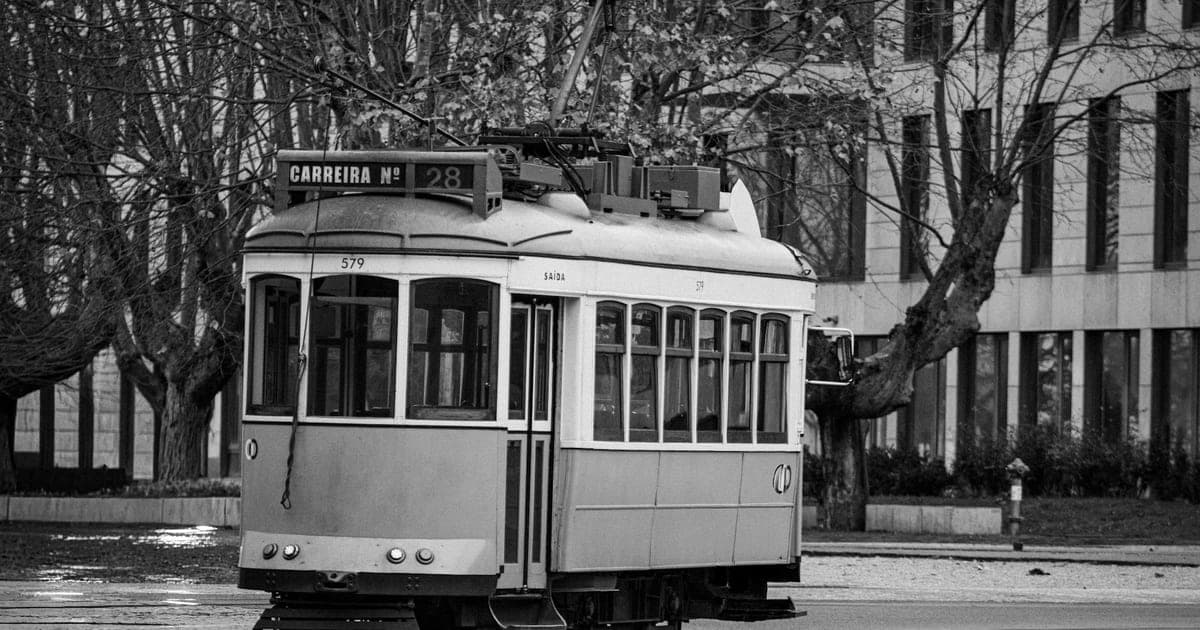
Lisboa está construida sobre siete colinas. Caminar es gratificante pero físicamente exigente — subirás calles empedradas empinadas regularmente. El tranvía 28 es icónico pero abarrotado; el metro cubre bien las partes llanas.
- Billete sencillo de metro: 1,65 €
- Abono diario (Viva Viagem 24h): 6,80 €
- Metro al aeropuerto: 1,65 €
Oporto
El centro de Oporto es compacto y peatonal. Las colinas son más suaves que las de Lisboa, y la mayoría de atracciones están a 20 minutos a pie unas de otras. No necesitarás mucho transporte si te alojas en el centro.
- Billete sencillo de metro: 1,60 €
- Andante Tour abono diario: 7,00 €
- Metro al aeropuerto: 2,60 €
Veredicto: Transporte
Oporto para facilidad peatonal. Lisboa para cobertura de transporte. Oporto es una de las ciudades más peatonales del sur de Europa — casi todo se alcanza a pie. Las colinas de Lisboa cansan más, pero el metro, tranvías y funiculares cubren las distancias.
Mejor Para: Matriz de Recomendaciones
Primera Visita a Portugal
Elige Lisboa. Más variedad, más que ver, más energía cosmopolita. Te da una imagen más completa del Portugal moderno.
Parejas
Elige Oporto. La ribera al atardecer, cata de vino de Oporto a la luz de las velas, cena en una tasca diminuta con vino de la casa a 2 € — Oporto es una de las ciudades más románticas de Europa por menos de 100 € al día.
Foodies
Empate. Lisboa para diversidad y cocina portuguesa moderna. Oporto para platos tradicionales y la experiencia de la francesinha.
Amantes del Vino
Elige Oporto. Sin discusión. Las visitas a las bodegas solas justifican el viaje.
Viajeros con Presupuesto
Elige Oporto. Una de las escapadas urbanas más baratas de Europa Occidental.
Viajeros de Fiesta
Elige Lisboa. Mayor escena de clubs, más variedad, horarios más largos.
Familias
Elige Lisboa. Más actividades para niños (el Oceanário es excelente), mejores opciones de excursiones de playa.
Fotógrafos
Elige Oporto. La ribera, los edificios de azulejos, el río Duero a la hora dorada — Oporto es una de las ciudades más fotogénicas de Europa.
Resumen: Lisboa vs Oporto Cara a Cara
| Categoría | Ganadora | Por qué |
|---|---|---|
| Presupuesto | Oporto | 20-25% más barata en todo |
| Comida (tradicional) | Oporto | Francesinha, tascas, clásicos contundentes |
| Comida (moderna/diversa) | Lisboa | Cocina global, food halls, alta cocina |
| Vino | Oporto | Bodegas de Oporto, cultura vinícola más barata de Europa |
| Cultura | Lisboa | Más museos, mayor escala |
| Encanto | Oporto | Concentrado, peatonal, fotogénico |
| Vida nocturna | Lisboa | Mayor escena, más clubs |
| Playas | Empate | Lisboa: mejor clima / Oporto: acceso más cercano |
| Transporte | Oporto | Más peatonal, menos agotador |
| Romance | Oporto | Atardeceres en Ribeira, catas en bodegas, escala íntima |
En general: Oporto gana en valor, vino, autenticidad y encanto. Lisboa gana en variedad, vida nocturna y escala. Oporto es la mejor escapada corta (2-3 días); Lisboa es la mejor estancia prolongada (4-5 días). Ambas están entre las mejores ciudades de Europa, y un viaje combinando las dos (3 horas en tren, 25-35 €) es el itinerario portugués ideal.
Preguntas Frecuentes
Puedo visitar Lisboa y Oporto en un solo viaje?
Absolutamente — y deberías. El tren de alta velocidad (Alfa Pendular) las conecta en 2 horas 40 minutos por 25-35 €. Da a cada ciudad 2-3 días.
Qué ciudad es más segura?
Ambas son muy seguras para los estándares europeos. Portugal está consistentemente entre los países más seguros del mundo.
Qué ciudad tiene mejores excursiones?
Lisboa lleva ventaja. Sintra (palacios de cuento, 40 min en tren), Cascais (ciudad de playa, 30 min), Óbidos (ciudad medieval amurallada, 1 hora) son excelentes. Desde Oporto: Valle del Duero (1,5 horas), Braga (1 hora), Guimarães (1 hora).
Son suficientes 3 días para cualquier ciudad?
Sí. Tres días es ideal para Oporto — puedes ver todo a ritmo relajado. Tres días en Lisboa cubre lo esencial pero se queda algo justo. Cuatro días en Lisboa es más cómodo.
Planifica Tu Viaje a Portugal con AI
El planificador de viajes con AI de MonkeyTravel crea itinerarios portugueses día a día — tanto si eliges Lisboa, Oporto o ambas. Recomendaciones reales de restaurantes, rutas a pie optimizadas y reservas de bodegas de vino integradas en tu programa.
Dile tus fechas y presupuesto. Tendrás un plan en minutos.
Planifica Mi Viaje a Lisboa Gratis | Planifica Mi Viaje a Oporto Gratis