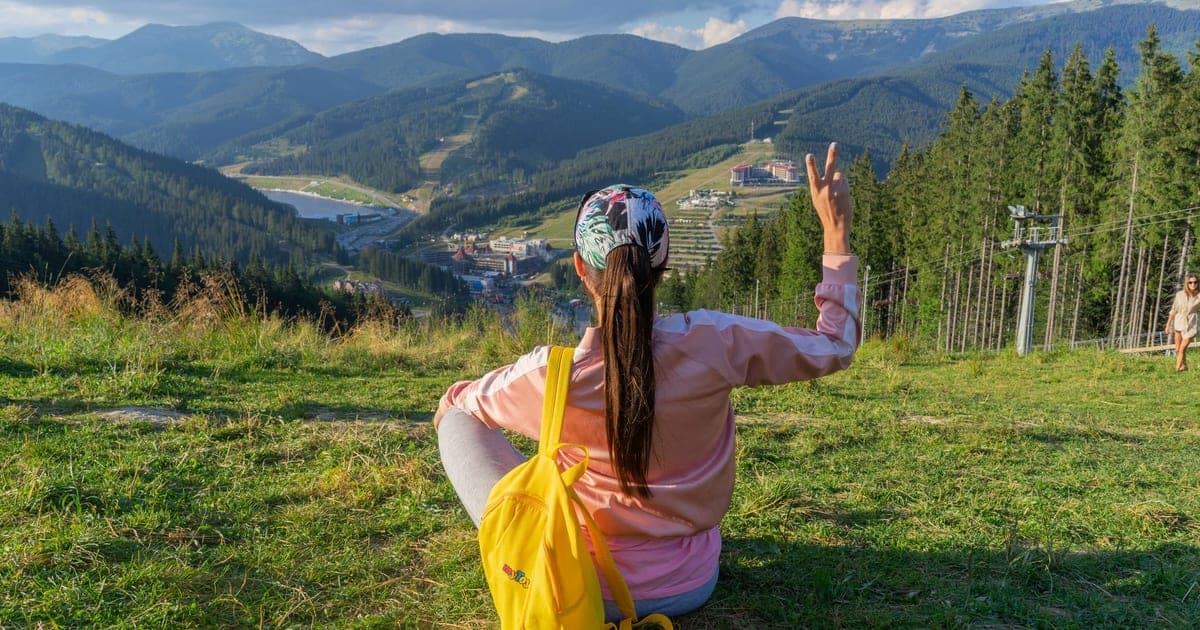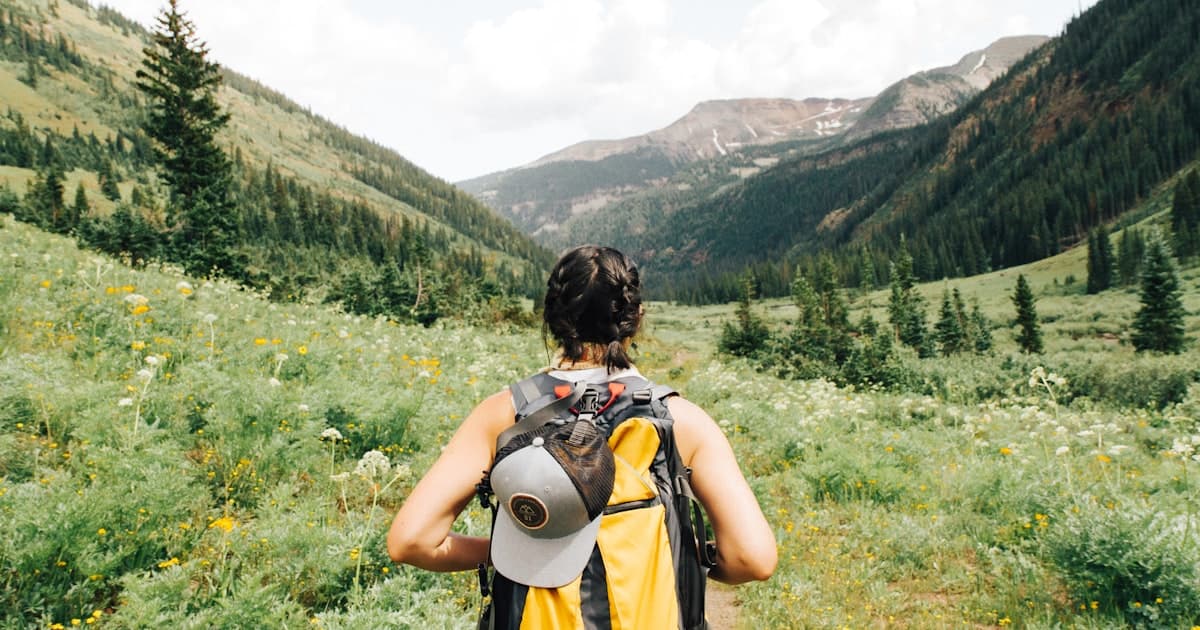
Here's the thing about solo travel: the trip itself is usually incredible. The planning? That's the part that makes people give up before they even book a flight.
When you travel with friends, somebody handles accommodation research while someone else maps out restaurants. With a partner, you split the logistics naturally. Solo? Every single decision lands on your plate. Flights, neighborhoods, safety research, restaurant picks, daily itineraries, backup plans — all you.
That's the quiet reason so many solo trips stay hypothetical. The desire is there — solo travel has been one of the most talked-about shifts in how people travel for years now. The planning energy isn't. Deciding everything alone stops feeling romantic somewhere around the sixteenth open browser tab on a Tuesday night.
AI trip planners are changing that equation. Not by replacing the spontaneity that makes solo travel magic — but by handling the tedious groundwork so you can focus on actually enjoying the freedom.
Why Solo Travel Is Exploding in 2026
Solo travel isn't a niche anymore. It's a mainstream movement with real data behind it.
Solo travel has moved from niche to normal, and the infrastructure has followed. Booking platforms ship dedicated solo filters. Hostels market private rooms at solo travellers rather than bunks. "Best solo travel destinations" is now a permanent fixture of travel search rather than a January spike.
What's driving this?
Flexible work changed everything. Remote work and "work-from-anywhere" policies mean you don't need to coordinate two weeks off with a travel partner. You can take a Thursday flight to Lisbon, work from a cafe on Friday, and explore all weekend. Try coordinating that with three friends' calendars.
Social media normalized it. A decade ago, eating dinner alone in a foreign city felt awkward. Now there are 14 million posts tagged #solotravel on Instagram. TikTok creators have built entire audiences around solo travel content. Seeing thousands of people doing it — and loving it — removes the stigma.
Demographic shifts. People are getting married later, living alone more, and prioritizing experiences over milestones. The average age of first marriage in the US is now 30. That's a lot of years of potential solo adventures that previous generations spent waiting for a plus-one.
Post-pandemic confidence. COVID forced many people to confront solitude. Those who learned to enjoy their own company discovered they didn't need a travel buddy to justify a trip.
The result: solo travel is no longer something you do when nobody else is available. It's something people actively choose.
The Biggest Challenge of Traveling Alone
Ask any solo traveler about their worst moment, and it's rarely something dramatic. It's usually one of these:
Decision fatigue. By day 3 of a solo trip, you've made roughly 200 decisions with zero input from anyone else. Where to eat breakfast. Which direction to walk. Whether to take the bus or the train. Museum or market. Left or right. It's mentally exhausting in a way that group travel never is — because there's no one to say "let's just go here."
The planning spiral. Before the trip even starts, solo travelers face a unique problem: research paralysis. When you're planning for yourself, the options feel infinite. There's no partner saying "I want to see this" to narrow things down. So you open 47 browser tabs, read 12 Reddit threads, bookmark 30 restaurants, and end up more confused than when you started.
Safety uncertainty. "Is this neighborhood safe at night?" is a question every solo traveler asks — and the answer is almost never clear-cut online. Forum advice ranges from "totally fine!" to "I'd never go there alone" for the same street. Without a travel companion as a safety buffer, the stakes of getting it wrong feel higher.
Eating alone. Let's be honest about this one. Most solo travelers enjoy museums, walking tours, and exploration on their own. Sitting at a restaurant table for one? That's where the self-consciousness kicks in. Especially at dinner. Especially somewhere nice.
Loneliness at predictable moments. Solo travel has incredible highs — the freedom, the self-discovery, the pride of navigating a new city alone. But loneliness tends to hit at specific, predictable times: sunset on a beautiful viewpoint, a spectacular meal with no one to share it with, or the first 30 minutes after arriving in a new city with no plan.
These aren't reasons to avoid solo travel. They're problems to solve. And AI is surprisingly good at solving most of them.
How AI Makes Solo Trip Planning Effortless
Here's where solo travel and AI trip planning intersect more powerfully than any other travel style.
It eliminates the planning spiral
The single biggest barrier to solo travel isn't money or fear — it's the overwhelming number of decisions you have to make alone. AI collapses those decisions dramatically.
Instead of spending 15 hours researching neighborhoods, restaurants, and day-by-day logistics for a week in Barcelona, you tell an AI trip planner your dates, budget, and interests. Sixty seconds later, you have a complete itinerary with specific venues, time slots, walking routes, and cost estimates.
That itinerary isn't your final plan. It's your starting point — the thing that took 15 hours of tab-juggling and now takes one minute. You customize from there: swap out the paella place for the one your coworker recommended, drop the Gaudi tour because you've been before, add an extra morning at the beach.
MonkeyTravel's AI trip planner is built around exactly this workflow. You get a structured, personalized itinerary with real venues and three budget tiers — then you tweak it until it feels right. For solo travelers, this eliminates the blank-page problem entirely.
It optimizes for one person (not two or four)
Most travel content assumes you're traveling with someone. "Share a bottle of wine at sunset." "Split the cost of a private tour." "One person navigates while the other watches the bags."
AI trip planners don't make that assumption. When you tell them you're traveling solo, the recommendations shift:
- Restaurants lean toward counter seating, tapas bars, food markets, and ramen shops — places where eating alone is natural, not awkward. No romantic restaurants-for-two with uncomfortable table-for-one energy.
- Activities favor things that are better solo: self-paced museum visits, walking tours, cooking classes (great for meeting people), sunrise hikes, and neighborhood exploration.
- Budgets recalculate for single occupancy. Hotel rooms, private tours, and taxis are proportionally more expensive for one person. A good AI planner accounts for this and suggests hostels with private rooms, free walking tours, and public transit over taxis.
It addresses safety proactively
Tell an AI trip planner you're a solo female traveler arriving in Mexico City at 10 PM, and a good one will recommend neighborhoods known for safety (Roma Norte, Condesa, Coyoacan), suggest well-lit areas near your hotel for a late-night walk, and flag that you should use Uber or DiDi instead of street taxis.
This isn't a replacement for your own research. But it's a starting point that would otherwise take hours of filtering through contradictory Reddit advice. The AI aggregates thousands of reviews, safety data, and traveler reports into a recommendation that's calibrated for your specific situation.
It gives you a confidence framework
Here's something nobody talks about: solo travel anxiety is often not about danger. It's about feeling unprepared. The fear of arriving somewhere and not knowing what to do, where to go, or how things work.
Having a detailed AI-generated itinerary in your pocket — even if you only follow 60% of it — eliminates that anxiety. You know there's a cafe two blocks from your hotel that opens at 7 AM. You know the museum is free on the first Sunday. You know the best neighborhood for street food is a 15-minute walk north.
That framework gives you the confidence to be spontaneous. Paradoxically, having a plan makes you more likely to deviate from it — because you know you can always fall back on the next item in your itinerary.
5 Best Destinations for Solo Travelers in 2026
Based on safety data, solo-friendly infrastructure, cost for single travelers, and how well AI planners can optimize these destinations:
1. Lisbon, Portugal
Why it works solo: Walkable neighborhoods, incredible street food scene (no awkward sit-down dinners required), extremely safe, affordable by Western European standards. The hostel scene is world-class — even if you're over 30, places like Yes Lisbon and Home Lisbon have social events specifically designed for solo travelers.
Budget for one week: $700-$1,100 (including hostel/budget hotel, food, activities, local transport)
AI planning advantage: Lisbon's seven hills make route optimization critical. AI planners cluster activities by neighborhood and minimize uphill walking — something you'd only figure out after your third visit.
2. Tokyo, Japan
Why it works solo: Japan might be the most solo-friendly country on earth. Ramen bars have counter seating designed for one person. Convenience stores sell restaurant-quality meals for $4. Trains run with military precision. Crime is nearly nonexistent. The language barrier is real, but Google Translate + clearly marked signage gets you everywhere.
Budget for one week: $800-$1,400 (accommodation varies wildly — capsule hotels from $30/night, business hotels from $70/night)
AI planning advantage: Tokyo's transit system is notoriously complex. An AI planner routes your day so you're not crossing the city three times. The difference between a well-routed and poorly-routed Tokyo day is easily 90 minutes of train time.
3. Medellin, Colombia
Why it works solo: The digital nomad capital of South America. El Poblado and Laureles neighborhoods are full of cafes, coworking spaces, and social hostels where meeting other solo travelers is effortless. Incredible food scene, perfect weather year-round, and dramatically affordable.
Budget for one week: $400-$700 (seriously)
AI planning advantage: Medellin's safety varies dramatically by neighborhood. AI planners cross-reference venue locations with safety data to keep your itinerary in well-traveled areas without you having to research each street individually.
4. Taipei, Taiwan
Why it works solo: Night markets are the ultimate solo dining experience — hundreds of stalls, everything costs $2-5, nobody cares that you're alone. Public transit is excellent, English signage is widespread, and Taiwanese hospitality toward solo travelers is legendary. The hiking (Elephant Mountain, Yangmingshan) is accessible by metro and perfect for solo exploration.
Budget for one week: $500-$900
AI planning advantage: Taipei's night markets, temples, and neighborhoods are spread across the city. AI routing that sequences your day by geographic clusters saves significant time and lets you hit markets at the optimal hour (after 6 PM).
5. Edinburgh, Scotland
Why it works solo: Compact enough to explore entirely on foot. The pub culture is genuinely welcoming to solo visitors — this isn't a place where you'll feel odd sitting at a bar alone. Museums are largely free. The literary and historical walking tours are outstanding and attract other solo travelers. And in August, the Edinburgh Fringe Festival makes meeting people unavoidable.
Budget for one week: $800-$1,300
AI planning advantage: Edinburgh's Old Town and New Town have very different vibes and logistics. AI planners balance both across your trip and account for Scotland's unpredictable weather by front-loading outdoor activities on forecasted clear days.
Solo Travel Safety Tips
These apply whether you're using AI or not — but AI tools can help with many of them:
1. Share your itinerary with someone at home. This is non-negotiable. Send your AI-generated itinerary to a friend or family member. They should know your hotel name, your daily rough schedule, and your flight details.
2. Arrive during daylight. Book flights that land before dark, especially in unfamiliar cities. If you can't, arrange airport transfers in advance rather than figuring it out at midnight.
3. Trust your gut over your itinerary. If a neighborhood feels wrong, leave. No museum or restaurant is worth ignoring your instincts. Your AI itinerary is a guide, not a mandate.
4. Keep digital and physical copies of everything. Passport photo on your phone. Paper copy of your hotel address in the local language. Offline maps downloaded. Screenshots of your itinerary. Solo travelers don't have a partner carrying backup documents.
5. Choose accommodation with 24-hour reception. Especially for your first night in a new city. Knowing someone is at the front desk if you need help at 2 AM matters more when you're alone.
6. Learn three phrases in the local language. "Hello," "thank you," and "help" go further than you'd think. It signals effort and respect, which often translates to locals being more helpful.
7. Be selective about sharing your solo status. You're "meeting friends later" or "my partner is back at the hotel." This isn't paranoia — it's a reasonable precaution that experienced solo travelers adopt instinctively.
8. Use social hostels strategically. Even if you prefer hotels, book one or two nights in a well-reviewed social hostel. The common areas, group dinners, and organized outings are the fastest way to meet other travelers and combat any loneliness.
Your Solo Trip Checklist
Use this as your pre-trip framework. An AI trip planner handles items 1-5 in about a minute. The rest is on you.
Planning Phase (AI-assisted):
- Choose destination based on your budget, interests, and comfort level
- Generate base itinerary with AI (dates, budget, interests, "solo traveler")
- Customize: swap activities, add personal recommendations, adjust pacing
- Verify opening hours and recent closures for your specific dates
- Book accommodation (prioritize safety, location, and solo-friendliness)
Pre-Departure:
- Share full itinerary with emergency contact at home
- Download offline maps (Google Maps or Maps.me) for your destination
- Screenshot key itinerary details (hotel address, first-day plan, emergency numbers)
- Arrange travel insurance (non-negotiable for solo travelers)
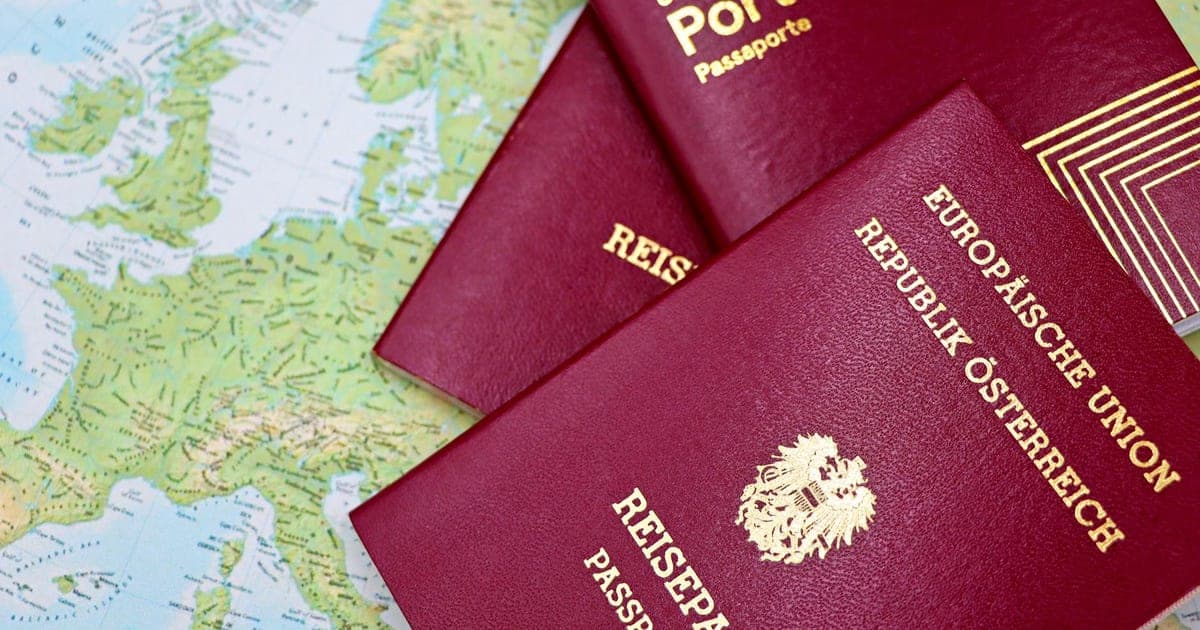
- Check visa requirements and passport validity (6+ months)
- Notify your bank about travel dates to prevent card freezes
- Download translation app and key local phrases
Packing Essentials for Solo Travel:
- Portable charger (your phone is your map, translator, and lifeline)
- Doorstop or portable door lock (peace of mind in budget accommodation)
- Headphones (your best friend for solo meals and transit)
- Small daypack that zips closed (pickpocket prevention)
- Physical copy of hotel address in local language
During the Trip:
- Check in with your emergency contact daily (even just a text)
- Take photos of your hotel room number and street name
- Ask hotel staff for current neighborhood safety advice
- Say yes to at least one social activity (walking tour, cooking class, hostel dinner)
- Leave margin in your itinerary — the best solo travel moments are unplanned
The Bottom Line
Solo travel planning used to be a 20-hour research project. Spreadsheets of hotels, bookmarks of restaurants, Reddit threads about safety, Google Maps screenshots of walking routes. All done alone, all from scratch.
AI trip planners compressed that into minutes. Not by making the decisions for you — but by giving you a smart, personalized starting point that eliminates the blank-page paralysis that stops most solo trips before they start.
The freedom of traveling alone is unmatched. The planning shouldn't be the price you pay for that freedom.
Plan your trip free with MonkeyTravel's AI — tell it you're traveling solo, and get a complete itinerary built for one. Real venues, real prices, smart routing, and zero judgment about the table for one.
Travelling solo as a woman? Our solo female travel safety guide covers the 15 safest destinations and how to vet the rest.
FAQ
Is solo travel safe in 2026?
Solo travel is as safe as it's ever been — arguably safer, thanks to better connectivity, real-time translation apps, and AI tools that can flag safety-relevant information about neighborhoods and transit. The key is preparation: research your destination, share your itinerary, trust your instincts, and choose well-reviewed accommodation.
How do I plan a solo trip with no experience?
Start with an AI trip planner to generate a base itinerary — this eliminates the overwhelming research phase. Choose a beginner-friendly destination (Lisbon, Tokyo, and Edinburgh are excellent first solo trips). Book accommodation with good reviews from solo travelers. Then use the itinerary as a flexible guide, not a rigid schedule. Most solo travelers say their second trip is dramatically easier than their first, so the hardest part is simply starting.
What's the best AI trip planner for solo travelers?
Look for a planner that lets you specify "solo traveler" as a travel style and adjusts recommendations accordingly — solo-friendly dining, safe neighborhoods, activities suited for one person. MonkeyTravel generates itineraries with Google-verified venues, three budget tiers, and geographic routing optimized for walking, which matters more when you don't have someone to split taxi costs with. Avoid generic chatbots that don't have travel-specific data.
How do I meet people while traveling alone?
Hostels with common areas are the fastest option. Cooking classes, free walking tours, and pub crawls attract solo travelers specifically. Apps like Meetup and Couchsurfing Hangouts connect travelers in the same city. Many cities also have "solo traveler" WhatsApp or Telegram groups. The key insight: you don't need to meet people every day. Some of the best solo travel days are spent entirely alone.
How much more expensive is solo travel vs. traveling with a partner?
Roughly 20-40% more expensive per person, primarily due to single occupancy hotel rates and inability to split fixed costs (taxis, private tours, bottles of wine). AI trip planners help offset this by recommending hostels with private rooms, free activities, public transit, and restaurants where solo portions are reasonably priced. Budget destinations like Colombia, Taiwan, and Portugal narrow the gap significantly.
Sources: Skyscanner — Solo Travel Tips and Inspiration, Simon-Kucher — Gen Z and AI Redefine Travel 2026, CNBC — 5 Trends Shaping Travel 2026, The Points Guy — How AI Is Reshaping Travel