 Hungary
Budapest
Thermal baths, ruin bars, and Europe's most beautiful Parliament
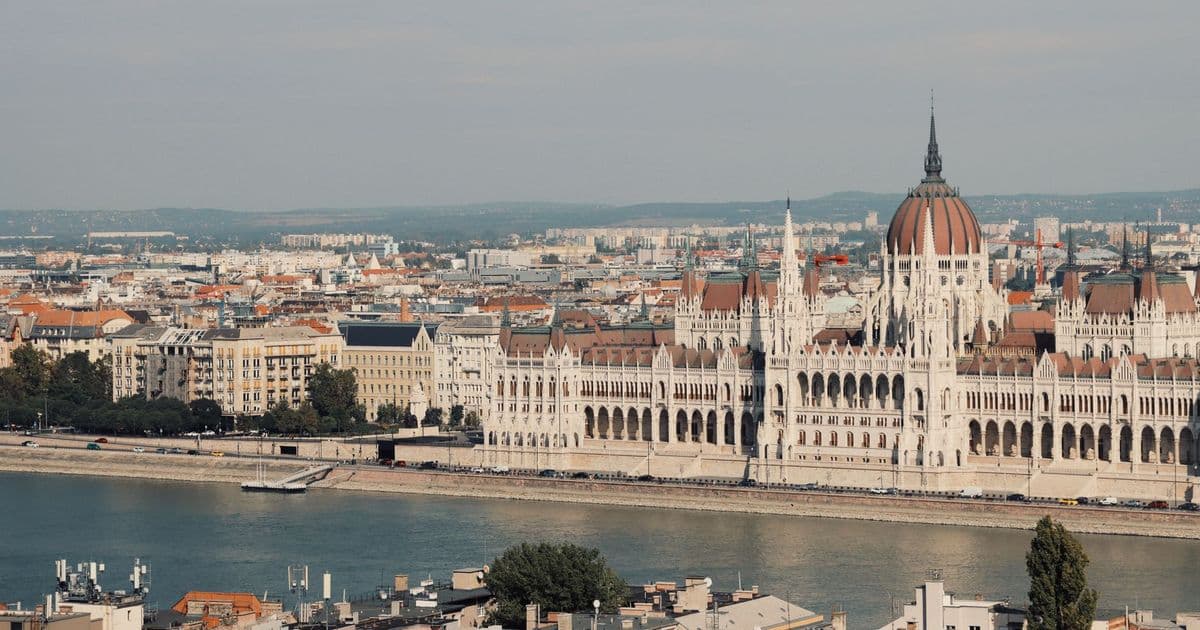
Budapest is two cities knitted together by the Danube: hilly, royal, monumental Buda on the west bank, with the Castle District and the Fisherman's Bastion's seven white turrets watching over the river; flat, dense, party-loud Pest on the east bank, with the neo-Gothic Parliament, the Great Synagogue (Europe's largest), and the Jewish Quarter where 1970s tenement buildings have been recycled into the world's first 'ruin bars' — Szimpla Kert being the founding patron saint, all mismatched bathtubs and Trabant cars hung from the rafters. The city sits on 125 thermal springs, feeding 15 historic bathhouses; Széchenyi (the steam-on-stone-in-yellow-baroque-courtyard classic) and Gellért (1918 art-nouveau tiled palace) are the headliners, but the smaller Veli Bej preserves a 1574 Ottoman dome that's near-empty even at peak season. Budapest is cash-friendly Europe's bargain capital — a Michelin Bib Gourmand dinner at Hungarikum Bisztró costs €18, and the 24-hour BKK transit pass (€4.40) covers Metro line 1 (the world's third-oldest), trams, buses, and the funicular up to Castle Hill. Let AI weave the baths, the ruin bars, and a day trip to the Danube Bend's Visegrád + Esztergom into 4 days that catch both the imperial city and the millennial Pest underground.
Best Time to Visit Budapest
Month-by-month weather, crowds, and season breakdown for Budapest
Spring
Cherry blossoms on Margaret Island, Buda Hills greening, thermal baths still pleasant in cool weather. Easter wood markets at Vörösmarty Square.
Summer
Long days for Danube cruises and ruin bar terraces — but 28°C combined with 70% humidity makes the thermal baths a sweat-fest. July sees the Sziget Festival (€280 weekly pass).
Autumn
Budapest's golden window: 16-23°C, falling leaves on Andrássy Avenue, harvested wine flowing in Buda. The October 23 National Day brings fireworks over the Danube.
Winter
Below-zero mornings (-4 to 3°C), Christmas Markets at Vörösmarty and St. Stephen's (best in Europe per multiple polls), and the thermal baths reach perfection — steaming Széchenyi pools while snow falls is the iconic image.
Why Visit Budapest
Thermal Baths
Széchenyi (€26, the yellow baroque outdoor classic), Gellért (€32, art-nouveau tiled palace), Rudas (€16, Ottoman rooftop pool with city views — gender-segregated weekdays), Veli Bej (€16, tiny 1574 Ottoman dome the tourists miss)
Ruin Bars + Jewish Quarter
Szimpla Kert (the original, 2002 — 2000+ items of scavenged furniture), Mazel Tov (Israeli food in a glass-roofed courtyard), Instant-Fogasház (mega-complex of 7 bars and a club). All free entry; pálinka shots €2-3
Parliament + Castle Views
Book Parliament tour 1 week ahead (€16 EU citizens, €32 others — interior is gilded neo-Gothic insanity). Cross Chain Bridge at sunset; take the Sikló funicular up to Buda Castle (€6 return) for the postcard-perfect Pest skyline at golden hour
Sample Day in Budapest
This is a sample day. MonkeyTravel AI creates a full multi-day itinerary personalized to your pace, budget, and interests.
Coffee + langos at Central Market Hall
Hungary's iconic deep-fried flatbread topped with sour cream, garlic, and grated cheese (€4-5) at the Nagyvásárcsarnok's upstairs counters. Pair with Hungarian coffee at the Pick salami stand. Market opens 6 AM weekdays, packed by 10 AM.
Parliament tour + Shoes on the Danube
Pre-booked English tour (€16/€32, 45 min) — see the Holy Crown of Saint Stephen and the Domed Hall. Walk 200 m south along the embankment to the Shoes on the Danube memorial: 60 cast-iron pairs honoring Jews shot into the river by Arrow Cross militiamen in 1944-45.
Goulash at Hungarikum Bisztró
Two blocks behind Parliament — Michelin Bib Gourmand serving textbook Hungarian classics. The marrow-bone goulash (€8), Mangalica pork stew with nokedli (€11), and Somlói galuska dessert (€5) total €25/person with wine. Reserve weekends.
Széchenyi thermal baths
Take Metro line 1 (the 1896 'Földalatti') to Hősök tere — the yellow neo-baroque palace appears across Heroes' Square. €26 includes a locker (cabin extra). The 38°C outdoor pool is the postcard; the 18 indoor pools (16-40°C) include sauna, steam, and a chess-playing pool where retirees splash through Sicilian Defenses.
Mazel Tov + Szimpla Kert ruin-bar crawl
Dinner at Mazel Tov — Israeli mezze in a glass-roofed Jewish-Quarter courtyard, mains €12-16. Then 3-minute walk to Szimpla Kert (the original 2002 ruin bar) — order pálinka (€3), find the bathtub couch, and let it absorb you. Open until 4 AM weekends.
Trending trips to Budapest
Browse all trips to Budapest →
Frequently Asked Questions
How many days do I need in Budapest?
4 days hits the sweet spot: day one Pest essentials (Parliament + St. Stephen's + Andrássy Avenue + Heroes' Square + Széchenyi baths); day two Buda Castle Hill, Fisherman's Bastion, Matthias Church + Gellért bath in the evening; day three Jewish Quarter (Great Synagogue + ruin bars + Central Market) and a Danube night cruise; day four day trip to the Danube Bend (Szentendre's artist village 30 min north, then Visegrád citadel and Esztergom Basilica). 3 days works if you skip the Danube Bend.
Do I tip in Hungary? And is the forint or euro better?
Tipping is expected: 10-15% in restaurants (some bills add 'service charge' automatically — read carefully), round up taxis, €1-2/round at bars. Pay in Hungarian forint (HUF), not euros — euro pricing at touristy spots adds a 20-30% premium. Cards are accepted almost everywhere including ruin bars and the Central Market. ATMs from major Hungarian banks (OTP, K&H, Erste) charge no fee; avoid Euronet ATMs (8-10% mark-up). Approx €1 = 400 HUF in 2026.
When is the best time to visit Budapest?
May-June and September-October hit the climate sweet spot: 17-25°C, low rain, golden light along the Danube, and shoulder-season hotel rates. July-August is hot (28°C+ with humidity) and Sziget Festival inflates the city in early August. Winter has its own magic — December's Christmas markets at Vörösmarty + St. Stephen's regularly rank as Europe's best, and the contrast of -2°C air and 38°C steaming bath water is the iconic Budapest image. February is the cheapest month if you don't mind sub-zero mornings.
More Cultural Destinations
More Foodie Destinations
More Destinations to Explore
 Spain
SpainBarcelona
 Spain
SpainMadrid
 France
Paris
 United Kingdom
London
 Portugal
Lisbon
 South Korea