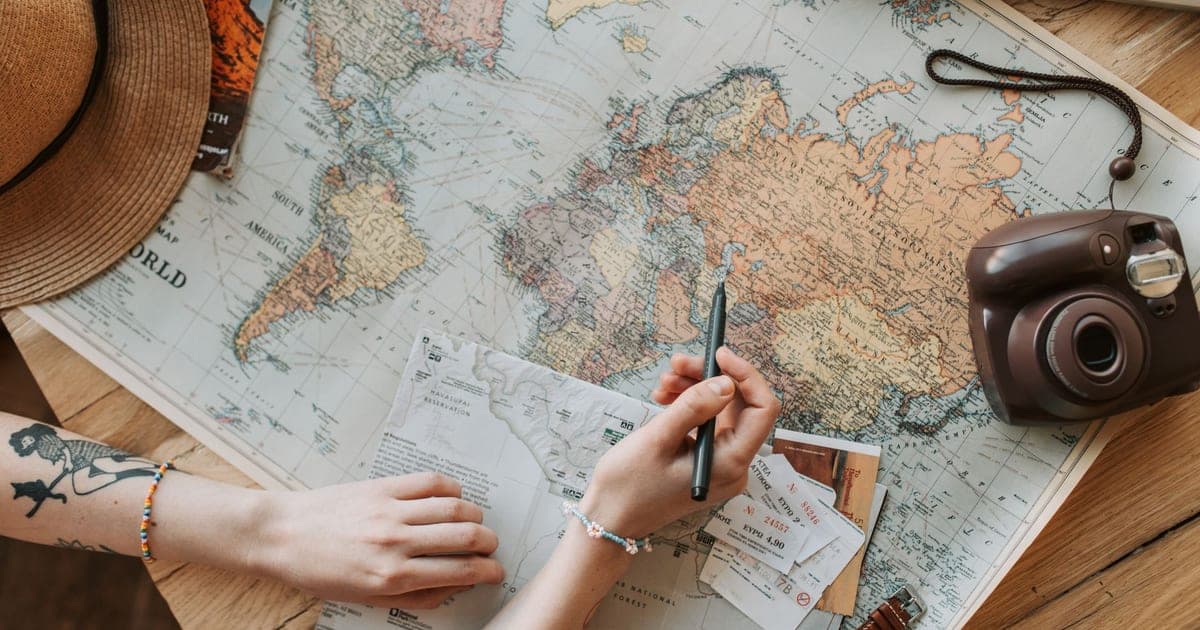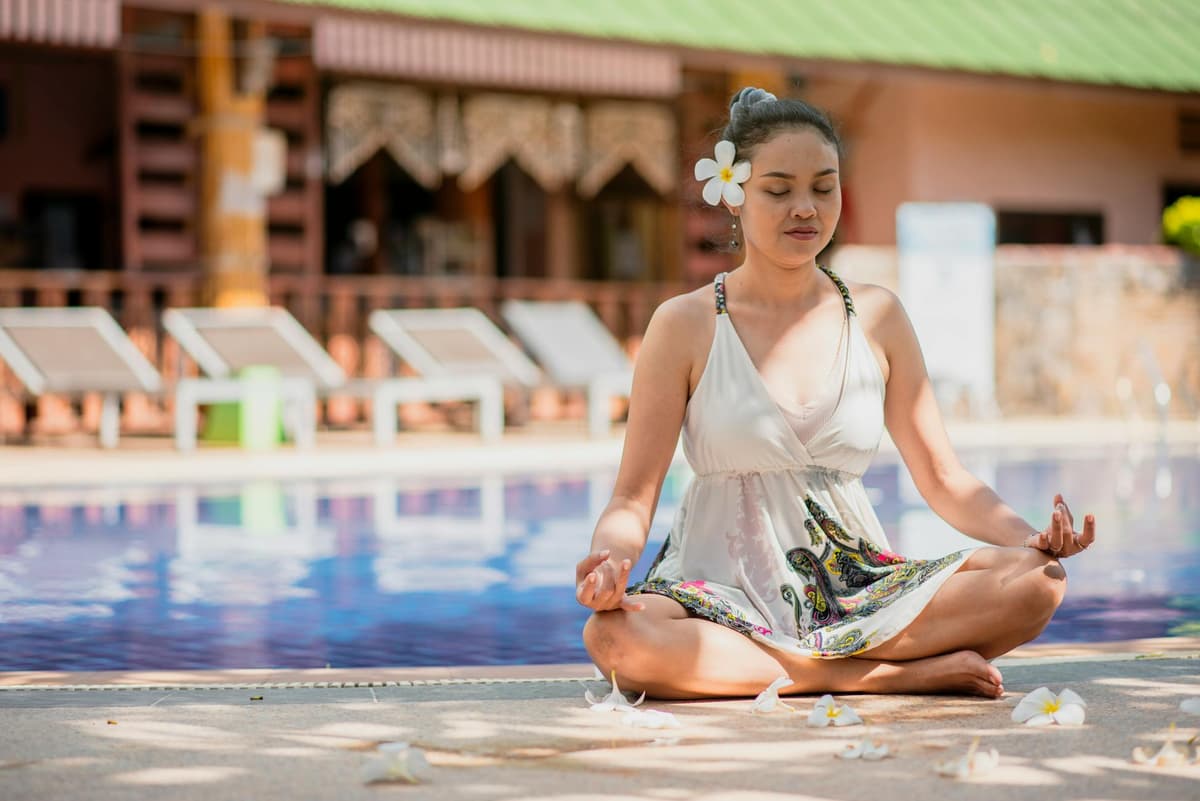
Wellness travel isn't spa days anymore. Searches for "burnout recovery retreat" grew 340% in the past two years, and the global wellness tourism market has crossed $800 billion — growing at 12% annually. People aren't booking retreats to be pampered. They're booking them because they're genuinely broken and need a structured way out.
The problem: wellness travel is one of the most over-marketed categories in tourism. Every resort slaps "wellness" on its menu and charges double. The retreats on this list are chosen based on program quality, measurable outcomes, honest price transparency, and whether the specific format actually matches what different types of travelers need.
Ten destinations. Real prices. No fluff.
Quick Comparison Table
| Destination | Type | Daily Cost | Best Stay | Best For |
|---|---|---|---|---|
| Ubud, Bali | Yoga + spiritual healing | $50–200 | 7–14 days | Budget wellness, solo travelers |
| Kamalaya, Thailand | Holistic + medical | $200–500 | 7–10 days | Comprehensive health reset |
| Ananda, India | Ayurveda + yoga | $300–600 | 7–14 days | Serious Ayurvedic treatment |
| Euphoria, Greece | Thermal + longevity | $250–500 | 5–10 days | Mind-body transformation |
| SHA Wellness, Spain | Medical wellness | $400–800 | 7–14 days | Medical-grade health programs |
| Iceland | Hot springs + nature | $150–300 | 5–7 days | Stress recovery, Star Bathing |
| Costa Rica | Jungle + surf | $80–200 | 5–10 days | Active wellness, adventure |
| Mongolia | Nomadic + yoga | $100–200 | 7–10 days | Off-grid, frontier wellness |
| Sedona, Arizona | Desert + energy work | $150–350 | 4–7 days | Spiritual reset, US-based |
| Seoul | K-beauty glow-cation | $100–250 | 4–7 days | Skin health, urban wellness |
The 10 Best Wellness Retreats for 2026
1. Ubud, Bali — Yoga and Spiritual Healing
Type: Yoga, meditation, spiritual healing, Balinese wellness traditions Daily cost: $50–200 Recommended stay: 7–14 days
Bali is the most accessible serious wellness destination in the world. Ubud specifically — the cultural heart of the island — hosts dozens of legitimate yoga schools, meditation centers, and Balinese healing practitioners, all at prices that make week-long immersions possible without a corporate expense account.
The Yoga Barn is the anchor for most travelers: a multi-studio compound running 15–20 classes daily across styles from Ashtanga to Yin to breathwork. Drop-in classes cost $12–15. Month-long memberships under $200. Surrounding it are sound healing sessions, traditional Balinese healers (the balian tradition that featured in Eat Pray Love — still active, still genuine), and rice terrace meditation walks at dawn.
What's typically included: Daily yoga classes, meditation sessions, traditional Balinese massage ($8–15/hour), plant-based meals, ceremonial experiences. Higher-end retreat packages ($150–200/day) layer in private villa accommodation, personalized healing sessions, and guided spiritual ceremonies.
Best for: First-time wellness travelers. Solo travelers. Budget-conscious retreaters who want high-quality programming without a premium hotel price tag. Anyone needing a longer stay — two weeks in Ubud is financially achievable where two weeks at Kamalaya or SHA is not.
Insider tip: Book the Yoga Barn's 200-hour teacher training if you want full immersion — it runs monthly, lasts 25 days, costs around $2,500 all-in, and functions as an extended wellness retreat regardless of whether you intend to teach.
2. Kamalaya, Koh Samui, Thailand — Holistic Wellness
Type: Holistic wellness, burnout recovery, detox, emotional balance Daily cost: $200–500 Recommended stay: 7–10 days
Kamalaya is one of the most consistently awarded wellness resorts in Asia for a reason: it runs structured programs rather than selling you a menu of spa services and calling it wellness. Built around a Buddhist monk's cave that functions as the resort's meditation center, Kamalaya's campus on Koh Samui blends traditional healing with clinical precision.
Its burnout recovery program — one of its most popular — runs 5–9 days and includes TCM (Traditional Chinese Medicine) assessments, lymphatic drainage, yoga, naturopathic consultations, and integration coaching. This is not a massage-and-pool experience. Guests come with cortisol panels and leave with sleep protocol adjustments and 90-day follow-up plans.
What's included: All consultations, daily wellness treatments, plant-based meals, yoga and fitness classes, meditation, access to naturopathic practitioners. Accommodation ranges from hillside rooms to ocean-view villas.
Best for: People experiencing genuine burnout, adrenal fatigue, or stress-related health issues. Travelers who want medical credibility alongside the wellness experience. Couples or solo travelers who can commit to a structured 7-day program rather than a self-directed retreat.
Insider tip: Book the "Burnout & Exhaustion" or "Emotional Balance" programs directly — they're more cost-effective than building a la carte. The cave meditation sessions (free for guests) at dawn are consistently cited as the single most impactful experience guests have.
3. Ananda in the Himalayas, India — Ayurvedic Spa
Type: Ayurveda, yoga, Vedanta, spa therapies Daily cost: $300–600 Recommended stay: 7–14 days
Ananda sits inside the estate of a Maharaja's palace in the Himalayan foothills above Rishikesh — the yoga capital of the world. The setting alone has therapeutic value: forested ridges, the Ganges visible below, mornings that are genuinely cold and quiet. But Ananda's reputation rests on its Ayurvedic programs, which are among the most rigorous and well-executed outside of Kerala's traditional panchakarma centers.
The 14-day Panchakarma program ($4,500–7,000 all-in) is its signature offering: a full detoxification protocol involving abhyanga oil massage, herbal steam, shirodhara (warm oil poured continuously on the forehead), dietary adjustment, and yoga. The treatment is transformational for people with chronic stress, digestive issues, sleep disorders, and inflammatory conditions — but it requires commitment. This is not a gentle spa holiday.
What's included: Full-board accommodation, daily Ayurvedic treatments, yoga and meditation sessions, doctor consultations, all meals (Ayurvedic diet specific to your constitution), guided walks. Airport transfers from Dehradun included in most packages.
Best for: Serious wellness travelers willing to commit to a 7–14 day program with real dietary and lifestyle discipline. People specifically interested in Ayurveda as a medical system, not just massage. Travelers who want the spiritual context of the Himalayas as part of the experience.
Insider tip: The surrounding area matters — Rishikesh's ghats and ashrams are 45 minutes away and genuinely worth a day trip. The Ganga Aarti evening ceremony on the riverbank is one of the most memorable experiences in India and costs nothing.
4. Euphoria Retreat, Greece — Thermal Springs and Longevity
Type: Thermal wellness, longevity programs, Greek philosophy-based healing Daily cost: $250–500 Recommended stay: 5–10 days
Euphoria Retreat in the Peloponnese is built on a different philosophical premise than most wellness resorts: it draws on ancient Greek medicine, Byzantine healing traditions, and contemporary longevity science to create programs focused on long-term health rather than short-term relaxation. Its thermal pools, labyrinthine steam rooms, and hydrotherapy circuits are set in a forested hillside outside Mystras — a genuinely otherworldly UNESCO World Heritage medieval city.
The "Metamorphosis" program — Euphoria's flagship — runs 7 days and combines thermal therapies, personalized nutrition, sleep analysis, movement sessions (yoga, tai chi, and walking), and daily consultations with wellness practitioners. It's less medically intensive than SHA but more philosophically coherent than most luxury spa resorts.
What's included: Daily wellness treatments, consultations, all meals (Mediterranean diet, thoughtfully prepared), yoga and movement sessions, access to thermal circuit. Accommodation in minimalist stone-walled rooms that are deliberately low-stimulation.
Best for: Travelers interested in longevity science and preventive health alongside the traditional spa experience. People who want a European retreat with genuine intellectual substance rather than just luxury services. Those who want proximity to historical sites (Mystras, Sparta, the Taygetos mountains) as part of the trip.
Insider tip: Visit Mystras on a free morning. The abandoned Byzantine city half an hour away is one of the most undervisited World Heritage sites in Europe — frescoes in near-perfect condition, stone streets climbing a hill, almost no other tourists.
5. SHA Wellness Clinic, Spain — Medical Wellness
Type: Medical wellness, longevity, preventive medicine, macrobiotic nutrition Daily cost: $400–800 Recommended stay: 7–14 days
SHA Wellness Clinic near Alicante is the most medically rigorous destination on this list. It operates as a licensed medical facility running full health assessments — blood work, gut microbiome analysis, genetic predisposition screening, hormonal panels — alongside traditional spa therapies and its signature macrobiotic nutrition program. Guests receive proper diagnoses and leave with actionable health protocols.
SHA's programs range from 7-day "Healthy Living" introductions ($6,000–8,000 all-in) to 21-day longevity programs for people with serious chronic health concerns. The facility has treated pro athletes, executives in full burnout collapse, and people with conditions that conventional medicine failed to adequately address. Results are tracked and measurable.
What's included: Medical consultations and diagnostics, daily treatments, all macrobiotic meals, fitness classes, lectures on nutrition and longevity, accommodation in spa suites. One-week packages are all-inclusive.
Best for: People who want a medical-grade health reset, not just relaxation. High-performance individuals (executives, athletes) who approach wellness quantitatively. Travelers with specific health goals — weight management, gut health, sleep optimization, immune function — who want clinical rigor.
Insider tip: The macrobiotic food is genuinely excellent, not a punishment. SHA's culinary team has been adapting Japanese macrobiotic principles to Mediterranean ingredients for 15 years. The bread alone is worth the trip.
6. Iceland — Hot Springs and Nature Therapy
Type: Geothermal bathing, nature immersion, Star Bathing, stress recovery Daily cost: $150–300 Recommended stay: 5–7 days
Iceland's wellness offering is different in character from the structured retreat model. It's land-based, elemental, and largely self-directed — the landscape does the therapeutic work. The geothermal hot springs (Blue Lagoon, Sky Lagoon, Laugarvatn Fontana, and hundreds of wild roadside pools) provide the core experience, but the wider draw is what Condé Nast named the defining 2026 wellness trend: Star Bathing.
Star Bathing is the practice of deliberately immersing yourself in a dark sky for contemplative rest — lying in silence under the Milky Way, often in or near a geothermal pool, with no screen and no agenda. Iceland's winter nights (October through March) offer Bortle Class 1 darkness in the highlands and regular aurora activity. The combination of thermal warmth and cold air under a sky full of stars produces a particular kind of nervous system reset that has no indoor equivalent.
What's included (typical Iceland wellness itinerary): Access to hot springs ($30–80 per visit), guided Northern Lights tours ($60–150), glacier walks, lava field hikes, farm stays with horse riding, traditional Icelandic skyr-based wellness meals. Accommodation ranges from guesthouses ($80–150/night) to luxury lodges ($300–500/night).
Best for: Travelers seeking stress recovery through nature rather than structured programming. Northern Lights chasers who want a wellness component. Anyone drawn to the Star Bathing trend and wanting to experience it in an authentic setting.
Insider tip: Skip the Blue Lagoon on arrival day — it's a tourist trap at peak hours. Book the Sky Lagoon in Reykjavik instead for your first evening: smaller, less crowded, and the infinity edge over the North Atlantic is more dramatic than Blue Lagoon's milky blue lagoon.
7. Costa Rica — Jungle Wellness and Surf
Type: Surf + yoga, rainforest wellness, adventure therapy, plant medicine Daily cost: $80–200 Recommended stay: 5–10 days
Costa Rica occupies a specific position in wellness travel: it's where people go when they want their wellness experience to include adrenaline. The combination of surf, jungle, volcanic hot springs, and a thriving retreat culture centered around Santa Teresa, Nosara, and the Osa Peninsula makes it the most activity-rich wellness destination on this list.
The core format is surf and yoga retreat: mornings on the Pacific, afternoons in the shala, evenings with plant-based food and sound healing. Packages run $100–200/day all-inclusive at established retreat centers. For serious practitioners, Nosara's Yoga House has produced more internationally certified yoga teachers than almost any other school in the Americas.
What's included: Surf lessons and board rental, daily yoga classes, plant-based meals, jungle excursions, waterfall hikes, hot springs access. Higher-end centers add cacao ceremonies, breathwork, and integration coaching.
Best for: Active wellness travelers who'd go stir-crazy in a purely sedentary retreat. People who want surf alongside their spiritual practice. Travelers interested in plant medicine experiences (ayahuasca and psilocybin retreats operate legally in dedicated ceremonial settings in certain areas — research thoroughly and vet providers carefully).
Insider tip: The rainy season (May–November) cuts accommodation prices 30–40% and the jungle is at its most dramatic. Surf is better in dry season (December–April), but the crowds are also thicker. For a first visit, shoulder season (November, May) hits the optimal balance.
8. Mongolia — Frontier Wellness and Nomadic Culture
Type: Yoga, nomadic wellness traditions, nature immersion, horseback riding Daily cost: $100–200 Recommended stay: 7–10 days
Mongolia is 2026's breakout wellness destination. United Airlines launched direct service from Tokyo to Ulaanbaatar in 2025, cracking open what was previously a genuinely difficult destination to access. National Geographic included it in its 2026 best wellness destinations, and a small ecosystem of retreat operators is now running yoga programs at Ikh Nart Nature Reserve — a protected steppe wilderness 230 km southeast of Ulaanbaatar.
The wellness proposition here is not luxury or clinical. It's the opposite: radical simplicity. Staying in a traditional ger (yurt), waking with nomadic herder families, practicing yoga on open steppe with nothing between you and the horizon. The psychological effect of being in a landscape where human infrastructure is almost entirely absent — no roads, no traffic, no buildings — is difficult to replicate and increasingly rare.
What's included (retreat packages): Ger accommodation, daily yoga sessions, guided steppe walks, horseback riding, traditional Mongolian meals (dairy-forward, hearty), cultural exchanges with nomadic families. Ground transport from Ulaanbaatar included in most packages.
Best for: Experienced wellness travelers who've done Bali and Thailand and want something genuinely different. Travelers interested in community-led wellness and connecting with local healing traditions rather than resort programming. People seeking digital detox in a setting where it's enforced by geography rather than policy.
Insider tip: Summer (June–August) is the correct window — temperatures on the steppe are comfortable, wildflowers are out, and the Naadam festival (July 11–13) adds extraordinary cultural context if your dates align. Use the Tokyo connection via United Airlines; it's far cheaper than routing through European hubs.
9. Sedona, Arizona — Energy Vortexes and Desert Silence
Type: Spiritual wellness, vortex meditation, desert therapy, sound healing Daily cost: $150–350 Recommended stay: 4–7 days
Sedona is the most polarizing destination on this list. The "energy vortex" claims made about four specific red-rock sites (Bell Rock, Cathedral Rock, Airport Mesa, Boynton Canyon) are not scientifically validated. That said: thousands of people report profound experiences at these sites every year, and the landscape itself — cathedral-scale red rock formations in a high desert valley — has unambiguous psychological impact regardless of what you believe about electromagnetic energy.
The practical wellness offering in Sedona is strong: crystal sound bath practitioners, breathwork facilitators, trauma-informed therapists operating alongside the hotel circuit, and some of the best hiking in the American Southwest. The Sedona Method (a structured emotional clearing technique) was developed here and has a dedicated training center. For US-based travelers who can't justify a transatlantic flight, Sedona delivers a legitimate 5-day wellness reset.
What's included (varies by program): Guided vortex tours, sound healing sessions, sunrise meditation hikes, crystal therapy, spa treatments at resort hotels, access to National Forest trails. The Los Abrigados and Enchantment resorts run structured wellness packages ($250–450/night all-inclusive).
Best for: US-based travelers seeking a domestic alternative to international wellness destinations. Spiritually curious travelers open to non-clinical healing modalities. Hikers who want a physical wellness component embedded in their retreat.
Insider tip: Go in shoulder season — spring (March–April) and fall (October) offer ideal hiking temperatures and thinner crowds than summer. The West Fork Trail hike in fall, when the canyon cottonwoods turn gold against the red rock, is one of the most beautiful short hikes in the United States.
10. Seoul — K-Beauty Glow-Cation
Type: K-beauty treatments, skin health, urban wellness, Korean traditional medicine Daily cost: $100–250 Recommended stay: 4–7 days
The "glow-cation" — a trip organized specifically around skin health and beauty treatments — is Seoul's contribution to the 2026 wellness landscape. Korean skincare is a clinical discipline, not a marketing category: dermatology clinics, traditional Korean medicine (hanbang) practitioners, and high-tech medical spas operate at standards that exceed most Western equivalents, at a fraction of the price.
A typical Seoul glow-cation itinerary: clinical skin analysis and customized facial at a certified dermatology clinic ($50–150), traditional Korean jjimjilbang (bathhouse) experience ($10–15 for the day), LED light therapy, and a custom hanbang herbal consultation. Apgujeong and Gangnam-gu host the highest concentration of internationally certified clinics. The Sulwhasoo flagship spa and Dr. Jart+'s consultation service are starting points for serious skincare travelers.
What's included: Pay-as-you-go structure — skin consultations ($30–80), clinical facials ($50–150), jjimjilbang access ($10–15), massages ($30–60/hour), meals separately. Total spend for a quality Seoul wellness day runs $100–150 including food and transport.
Best for: Travelers whose primary wellness goal is skin health. K-beauty enthusiasts who want access to treatments and products not available in their home market. Urban wellness seekers who want cultural immersion alongside their treatment program — Seoul's food, music, and design scenes are world-class.
Insider tip: Book dermatology clinic appointments before you arrive — popular clinics in Apgujeong fill up weeks ahead, especially for foreigners requesting English-speaking consultants. The solo trip planner can help you build a custom Seoul itinerary around your clinic schedule.
The Star Bathing Trend
"Star Bathing" is Condé Nast's named wellness trend for 2026: the deliberate practice of immersing yourself under an open night sky for contemplative rest. No phone, no ambient light, no agenda — just the Milky Way, silence, and a gradual nervous system downregulation that most people haven't experienced since childhood.
The science behind it is straightforward. Light pollution exposure — the pervasive nighttime glow of cities and screens — suppresses melatonin production and disrupts circadian rhythms. Spending several hours under genuine darkness restores circadian function, lowers cortisol, and induces the kind of meditative state that's otherwise only achieved through formal practice.
Best places to experience it in 2026:
- Iceland highlands (September–March): Bortle Class 1 darkness, aurora borealis, geothermal pools for warmth. This is the definitive Star Bathing experience.
- Mongolia steppe (June–August): Milky Way visibility that's almost disorienting in its clarity. No light pollution for hundreds of kilometers in any direction.
- Atacama Desert, Chile: The world's driest desert, home to international observatories, with guided "astrotourism" programs specifically designed around contemplative sky immersion.
- Sedona, Arizona: Certified International Dark Sky Community with ranger-led night programs in the surrounding National Forest.
- Ikh Nart Nature Reserve, Mongolia: Part of the retreat packages now including dedicated star bathing sessions with cultural context from Mongolian nomadic sky mythology.
The practice works at its simplest: find a dark spot, lie down, look up, and give yourself at least 45 minutes. The first 20 minutes are for your eyes to adapt. The second 20 are where the psychological shift happens.
Burnout Recovery Programs: What to Actually Look For
"Burnout recovery retreat" grew 340% in search volume. The demand is real. So is the noise — every resort now offers a "stress management program" that's actually just massages and a heated pool. Genuine burnout recovery requires specific elements:
1. Clinical assessment on arrival. Legitimate programs start with cortisol testing, sleep tracking review, and a medical or naturopathic intake. If there's no assessment, there's no personalization. Kamalaya and SHA do this properly. Most others don't.
2. Structured programming, not a menu. Burnout recovery requires a curated sequence of treatments, not a spa menu you self-select from. The correct program builds intensity gradually, introduces specific interventions in sequence, and tracks response.
3. Sleep architecture focus. Sleep disruption is both a symptom and a cause of burnout. Programs that don't explicitly address sleep quality, timing, and environment are addressing symptoms, not the underlying issue. Kamalaya's sleep hygiene protocols are the industry benchmark.
4. Longer stays. The shift from 3-day weekend detox to 7–14 day immersive programs is driven by research showing that meaningful neurological change requires sustained intervention. A 3-day retreat may produce short-term relaxation; it's unlikely to produce lasting change in HPA axis function. If you're genuinely burned out, budget for at least 7 days.
5. Integration support. What happens when you leave matters more than what happens in the retreat. Programs that provide follow-up protocols — sleep schedules, nutritional guidelines, structured re-entry plans — have measurably better outcomes. SHA's post-program protocols are among the most detailed in the industry.
Use our free AI trip planner to build a custom wellness itinerary that sequences the right destinations for your specific situation — matching duration, budget, and program type to what you actually need.
Frequently Asked Questions
How much does a wellness retreat cost in 2026?
Costs range from $50/day (self-directed Ubud yoga program) to $800/day (SHA Wellness all-inclusive medical package). The meaningful range for a quality structured retreat is $150–500/day. A 7-day program at Kamalaya runs $2,000–4,500 all-in; SHA's 7-day program starts at $6,000; a week in Ubud with yoga classes and quality accommodation runs $700–1,500 total. Longer stays (10–14 days) are increasingly the standard for genuine results.
What's the difference between a wellness retreat and a spa holiday?
A spa holiday is service-oriented: you select treatments from a menu, the staff delivers them, you relax. A wellness retreat is program-oriented: you're assessed, given a structured sequence of interventions, and expected to participate actively in your recovery. Retreats involve dietary protocols, daily movement, consultation sessions, and measurable goals. The best destinations on this list — Kamalaya, Ananda, SHA — are retreats in the clinical sense. Ubud and Sedona operate more as self-directed wellness environments.
How long should a wellness retreat be?
Research and practitioner consensus both point toward 7–14 days as the minimum for meaningful, lasting change. Three-day weekend retreats produce short-term relaxation effects but are unlikely to shift cortisol patterns, sleep architecture, or chronic stress response. The 2026 trend is toward longer immersive stays: 7-day programs have grown faster than 3-day programs across all major wellness resort categories. If time is the constraint, 5 days is a reasonable compromise — enough to establish a new rhythm.
Is wellness travel worth the cost?
Depends on what you're comparing it to. A 7-day program at Kamalaya ($3,000–4,500) costs less than a month of weekly therapy sessions in many Western cities, less than common executive coaching engagements, and dramatically less than the productivity and healthcare costs associated with untreated burnout. For people with clear symptoms — chronic fatigue, sleep disorders, persistent anxiety, inability to recover from work — a well-chosen retreat can be one of the highest-return investments available. For people seeking luxury relaxation, the cost-benefit calculus is different.
What is Star Bathing and where can you do it?
Star Bathing is the practice of spending deliberate time under a dark sky for contemplative rest — no phone, no artificial light, extended periods of stillness and sky observation. Condé Nast named it the defining wellness trend of 2026. The best locations: Iceland's highlands (geothermal pools + aurora), Mongolia's steppe (Milky Way with zero light pollution), Atacama Desert in Chile, and Sedona's dark sky preserves. The practice is straightforward and free — the only requirement is genuine darkness, which means leaving cities and turning off screens.
Sources:
- Global Wellness Institute — Wellness Tourism Report 2025
- Condé Nast Traveler — Wellness Travel Trends 2026
- National Geographic — Best Wellness Destinations 2026
- Kamalaya Koh Samui — Official Programs
- SHA Wellness Clinic — Medical Programs
- Ananda in the Himalayas — Ayurvedic Programs
- Euphoria Retreat Greece — Metamorphosis Program
- Visit Iceland — Geothermal Wellness Guide
- Google Trends — "Burnout recovery retreat" search data
- United Airlines — Tokyo-Ulaanbaatar Route