 Itália
Roma
Todos os caminhos levam às suas férias romanas perfeitas
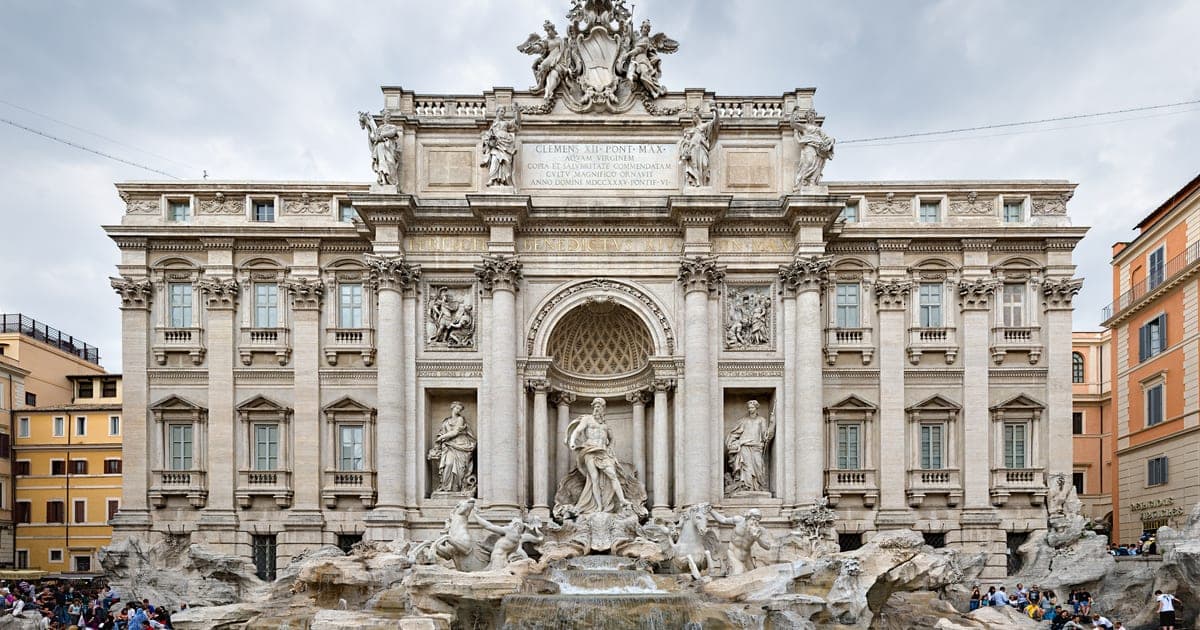
Roma é uma cidade onde cada pedra de calçamento tem uma história. Em um momento você está dentro do Coliseu imaginando gladiadores; no seguinte, joga uma moeda na Fontana di Trevi ou contempla o teto da Capela Sistina, de Michelangelo. Mas a magia de Roma vai além dos monumentos: as vielas cobertas de hera de Trastevere escondem trattorias onde a nonna ainda faz a massa à mão, e o bairro de Testaccio — o antigo distrito do matadouro — é onde os próprios romanos vão comer o melhor cacio e pepe e supplì al telefono. Uma passagem simples BIT de ônibus e metrô custa apenas 1,50 € (válida por 100 minutos), e o Roma Pass (33 € por 48 horas) inclui duas entradas gratuitas em museus mais transporte ilimitado. Deixe a AI combinar essas maravilhas antigas e segredos locais em um plano dia a dia que mantém você longe das rotas lotadas.
Melhor Época para Visitar Roma
Clima, movimento e estações mês a mês em Roma
Primavera
Temperaturas amenas e glicínias em flor. As celebrações da Páscoa dão um clima festivo. Perfeito para explorar ruínas e praças.
Verão
Quente e ensolarado — a alta temporada de Roma. Noites longas, perfeitas para passeios com gelato. Reserve com antecedência; as multidões estão no auge.
Outono
Luz dourada sobre as ruínas antigas, época da colheita das uvas. Dias agradáveis com menos turistas. Outubro é ideal.
Inverno
Invernos amenos para os padrões europeus. Presépios de Natal e mercados festivos. Menos gente significa acesso mais fácil ao Vaticano e ao Coliseu.
Por Que Visitar Roma
Maravilhas Antigas
Reserve o tour pelos subterrâneos e pela arena do Coliseu (22 €) para percorrer os túneis por onde os gladiadores realmente caminhavam, depois siga para o Fórum Romano e o Palatino com o mesmo ingresso combinado — tudo programado para evitar as filas
Culinária Romana Autêntica
Cacio e pepe no Felice a Testaccio, supplì al telefono no Supplizio perto do Panteão e gelato artesanal no Fatamorgana — nossa AI traça um roteiro gastronômico por cada bairro
Vaticano e Lugares Sagrados
Suba à cúpula da Basílica de São Pedro para uma vista da cidade do alto (8 €), reserve um horário de entrada antecipada nos Museus Vaticanos para ver a Capela Sistina quase vazia e descubra obras-primas gratuitas de Caravaggio na San Luigi dei Francesi
Praças na Hora Dourada
Veja o pôr do sol tingir de âmbar as fontes de Bernini na Piazza Navona, aproveite um spritz no terraço da Terrazza Borromini e passeie pelas ruas iluminadas ao redor do Campo de' Fiori ao cair da noite
Um Dia de Exemplo em Roma
Este é um dia de exemplo. A AI da MonkeyTravel cria um roteiro completo de vários dias personalizado para o seu ritmo, orçamento e interesses.
Cornetto e cappuccino no Roscioli Caffè
Uma lendária padaria romana perto do Campo de' Fiori — seu cornetto con crema é considerado o melhor da cidade. Tome em pé no balcão, como um verdadeiro romano, por apenas 3-4 €.
Coliseu e Fórum Romano
Reserve o ingresso Full Experience (22 €) para as câmaras subterrâneas e o acesso à arena. Chegue logo na abertura (9h) pela entrada menos movimentada da Via dei Fori Imperiali, do lado do Fórum.
Almoço no Da Enzo al 29, em Trastevere
Uma querida trattoria familiar na Via dei Vascellari — o cacio e pepe e a amatriciana são clássicos romanos de manual. Não aceitam reserva; chegue às 12h15 para evitar a fila.
Fontana di Trevi e Escadaria da Trinità dei Monti
Caminhe da Fontana di Trevi (dica: visite depois das 14h, quando os grupos da manhã se dispersam) até a Escadaria — o caminho passa por um excelente gelato no Fatamorgana, na Via Laurina.
Panteão e Piazza Navona
Entre sob a cúpula de concreto não armado do Panteão, com 2.000 anos (entrada gratuita com horário marcado obrigatório em pantheon.cultura.gov.it), depois caminhe cinco minutos até a Piazza Navona para um aperitivo junto à Fonte dos Quatro Rios, de Bernini.
Jantar na Salumeria Roscioli
Um bar de vinhos e empório perto do Campo de' Fiori, servindo uma carbonara excepcional, presunto cortado à mão e uma carta de vinhos italianos bem selecionada. Reserve com antecedência: as mesas enchem rápido. Pratos a partir de 16-22 €.
Viagens em alta para Roma
Ver todas as viagens para Roma →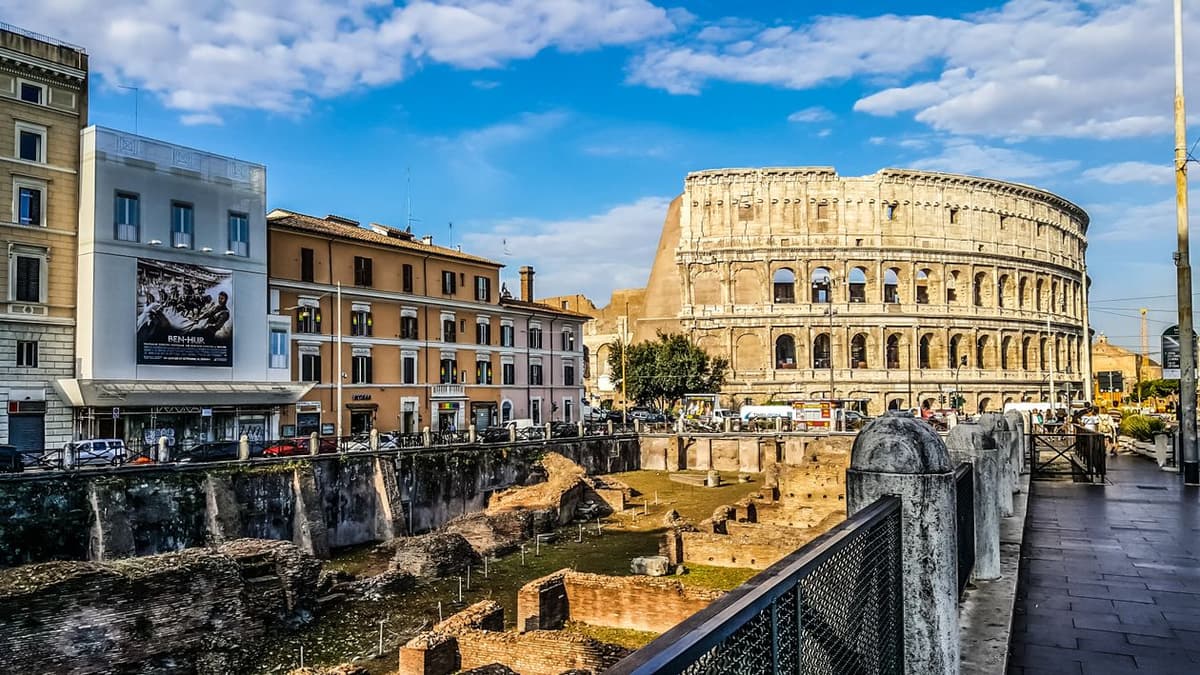
Perguntas Frequentes
Quantos dias preciso em Roma?
De 3 a 4 dias cobrem o essencial: dia um para o Coliseu, o Fórum Romano e o Palatino; dia dois para os Museus Vaticanos, a Capela Sistina e São Pedro; dia três para o Panteão, a Piazza Navona, a Fontana di Trevi e Trastevere à noite. Um 4º dia permite explorar a cena gastronômica de Testaccio e a Via Ápia, e um 5º é perfeito para um bate-volta a Tivoli, com a Villa d'Este e a Villa Adriana (30 minutos de trem). Nossa AI otimiza as rotas a pé para você ver mais em menos tempo.
Qual é a melhor época para visitar Roma?
Abril-maio e setembro-outubro oferecem clima ameno (18-25 °C), menos multidões e uma luz dourada perfeita para fotos no Coliseu e no Fórum. O verão (junho-agosto) passa dos 35 °C e o turismo atinge o pico, embora as noites longas sejam ótimas para aperitivos em terraços. O inverno (dezembro-fevereiro) traz filas curtas, diárias de hotel mais baixas e mercados de Natal na Piazza Navona — só se vista para 5-12 °C.
Preciso reservar ingressos com antecedência para as atrações de Roma?
Sim. O Coliseu (16-22 € dependendo do tipo de tour) e os Museus Vaticanos (17 € online) costumam esgotar com dias de antecedência, principalmente de março a outubro. O Panteão agora exige uma reserva gratuita com horário em pantheon.cultura.gov.it. A Galleria Borghese também exige reserva antecipada (15 €, limitada a 360 visitantes a cada duas horas). Nosso roteiro lembra você exatamente o que reservar e quando, com links diretos.
Como me locomovo em Roma?
O centro histórico de Roma é compacto e melhor explorado a pé — a caminhada do Coliseu ao Panteão leva cerca de 25 minutos e passa por vistas impressionantes o tempo todo. O metrô tem duas linhas úteis (A e B, 1,50 €/passagem, válida por 100 minutos incluindo baldeações de ônibus). Para estadias de vários dias, garanta o Roma Pass de 48h (33 €) ou 72h (53 €), que cobre o transporte público mais entradas em museus. Evite táxis que não usam taxímetro — peça sempre para ligar ou use o aplicativo oficial (itTaxi).
Mais Destinos Cultural
Mais Destinos Gastronômico
Mais Destinos para Explorar

 Áustria
Viena

 Turquia
Istambul

 França
Bordeaux
 França
Paris
 Reino Unido
Londres

 República Tcheca