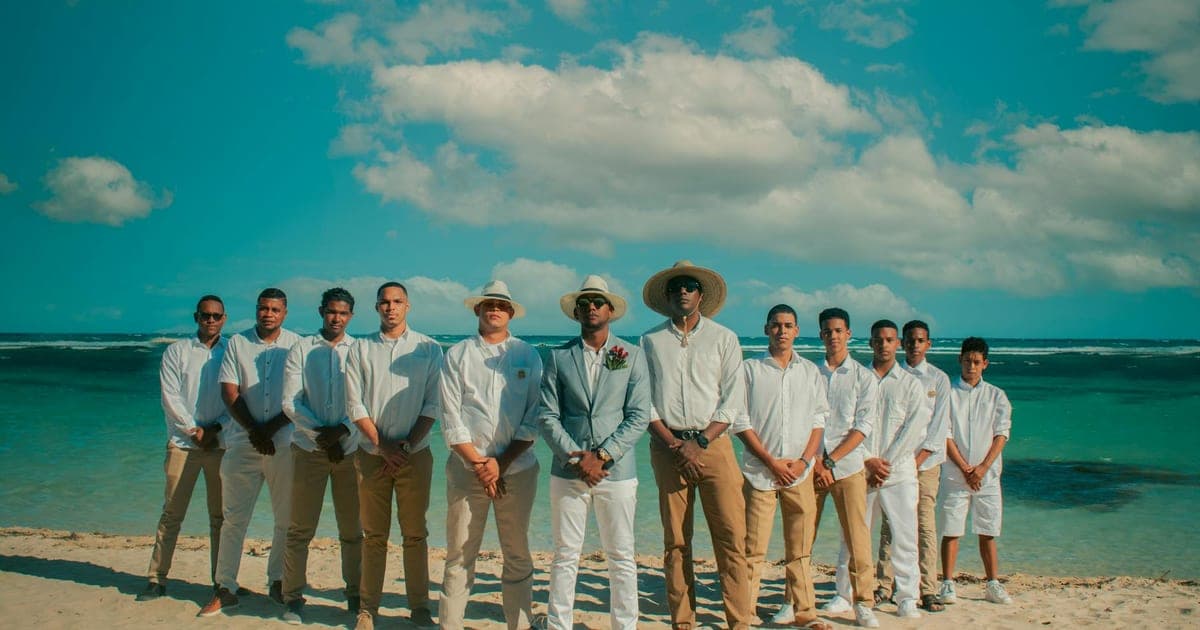
You know the pattern. Someone throws "Let's go to Barcelona!" into the group chat. Everyone replies with fire emojis. Then the questions start. When? Where should we stay? What's our budget? Who's booking what?
200 messages later, nothing's decided. The spreadsheet someone started has three tabs and zero complete rows. Two people want hostels, one wants a boutique hotel, and someone hasn't replied in four days.
Sound familiar? You're not alone. 67% of group trips take over a month to plan, and 1 in 4 never happen at all — according to a 2025 Skift survey. The destination isn't the problem. The process is.
Here's how to fix it.
Step 1: Pick One Organizer (Not a Committee)
Every successful group trip has one person driving the process. Not making all the decisions — just keeping things moving.
The organizer's job:
- Set deadlines for decisions
- Present options (not open-ended questions)
- Book shared items (accommodation, group transport)
- Collect money upfront
What doesn't work: "Let's all figure it out together!" Democracies are great for governance, bad for booking hotels. One person leads, everyone votes.
Pro tip: If you're reading this article, you're probably the organizer. Accept your fate.
Step 2: Lock Down the Non-Negotiables First
Before anyone picks a restaurant or argues about Airbnb vs. hotel, your group needs to agree on exactly three things:
-
Dates — Send a poll with 3-4 date options. Give people 48 hours to respond. Whoever doesn't vote in time accepts whatever the majority picks. No exceptions, no "let me check with my partner" two weeks later.
-
Budget per person — Not "what would you like to spend?" but "Are you comfortable with $150/day including accommodation, food, and activities?" Give a specific number. People who can't afford it should say so now, not after you've booked a $200/night hotel.
-
Vibe — This one prevents 90% of arguments later. Are you doing: (a) adventure and packed days, (b) relaxed with lots of downtime, or (c) a mix? If half the group wants to hike at dawn and the other half wants to sit by the pool until noon, you'll fight about it every single day unless you address it upfront.
Step 3: Present Choices, Not Open Questions
This is where most group trips die. The organizer asks "Where should we eat tonight?" and the group chat implodes.
Instead of: "What hotel should we book?" Try: "I found two options. Hotel A is $120/night, 10 min walk from the center, has a pool. Hotel B is $85/night, 5 min walk, no pool but better reviews. Vote A or B by Friday."
Instead of: "What do you all want to do?" Try: "Day 2 options: (1) Beach day at Barceloneta, (2) Park Guell + Gracia neighborhood, (3) Day trip to Montserrat. Pick your top 2."
Binary or multiple-choice questions get answers. Open-ended questions get silence or chaos. Every. Single. Time.
Step 4: Handle Money Before It Gets Weird
Money ruins friendships faster than anything on a group trip. Set the system before you leave:
For shared expenses (accommodation, group dinners, taxis):
- One person pays, everyone Venmo/Revolut/Wise settles at the end of each day
- Or use Splitwise — it tracks who owes whom automatically. No mental math, no passive-aggressive "so about that dinner..."
For personal expenses:
- Each person covers their own meals, shopping, and optional activities
- Don't split everything equally. The person who ordered water shouldn't subsidize someone else's three cocktails.
Collect a deposit upfront. $100-200 per person before booking anything. This filters out the "maybe" people and commits the real ones. Non-refundable deposits mean nobody backs out two weeks before the trip because "something came up."
Step 5: Build the Itinerary With Built-in Freedom
The biggest mistake in group trip planning: trying to keep everyone together for every minute of every day.
The 70/30 rule works:
- 70% of the day is planned group activities (a morning excursion, a group dinner)
- 30% is free time where people can do their own thing
This means the person who loves museums gets their art fix. The foodie can explore that market alone. The one who needs a nap can take a nap. Everyone regroups for the shared moments that make group travel worth it.
Structure a typical day like this:
- Morning: Group activity (walking tour, hike, beach)
- Lunch: Free time — eat wherever, with whoever
- Afternoon: Personal time or optional group activity
- Evening: Group dinner, then people can join nightlife or head back
Step 6: Have "The Talk" About Expectations
Before you leave, every group needs to address these awkward-but-necessary topics:
-
Wake-up time. If one person is banging around the Airbnb at 6 AM while others sleep until 10, resentment builds fast. Set a general "departure time" for group activities and let early birds do their own thing before that.
-
Alone time is not an insult. Say it explicitly: "It's totally fine to skip an activity and recharge." Without this permission, introverts suffer silently and extroverts feel rejected.
-
Splitting up is healthy. On a 7-day trip, spending 2-3 activities apart actually makes the group time better. You come back with stories to tell each other.
-
The budget spread. If there's a $50/day difference between the cheapest and most expensive person in the group, plan activities at the lower budget and let the bigger spenders upgrade privately (better hotel room, fancier dinner).
Step 7: Use a Tool That Doesn't Require a PhD
Spreadsheets, group chats, Pinterest boards, shared Google Docs — they all start organized and end chaotic by Day 3 of planning.
What you actually need is a single place where:
- Everyone can see the itinerary
- People can vote on activities (not argue about them in chat)
- Someone can propose alternatives without derailing the plan
- Changes are visible to everyone instantly
This is exactly why we built MonkeyTravel's group trip planner. The AI generates a starting itinerary based on your group's destination, budget, and interests. Then every person in the group can:
- Vote on activities with a 4-level system (Love it / Flexible / Concerns / Skip)
- Propose alternatives for any time slot
- See what the group thinks in real time — no more "did everyone see my message?"
One link to share. No downloads. No "which version of the spreadsheet is current?"
The Group Trip Planning Checklist
Use this as your timeline:
- 8 weeks before: Lock dates, budget, and vibe. Collect deposits.
- 6 weeks before: Book flights and accommodation. Share itinerary draft.
- 4 weeks before: Group votes on activities. Book anything that needs advance reservation.
- 2 weeks before: Final itinerary shared. Money app set up. Group chat rules established.
- 1 week before: Share emergency contacts, travel docs, insurance info.
- Day 1: Relax. The hard part is done.
Once the group has agreed on dates, our group trip itinerary template gives you a day-by-day structure to fill in.
If the sticking point is deciding rather than organising, try planning the trip by voting.
FAQ
How far in advance should you plan a group trip?
Start 8-12 weeks ahead for domestic trips, 12-16 weeks for international. This gives enough time for everyone to book flights, request time off, and save money — without so much lead time that people lose interest.
How do you split costs fairly on a group trip?
Use an expense-splitting app like Splitwise or Tricount. One person pays for shared expenses (accommodation, group transport, group meals), and the app calculates who owes what at the end. For individual meals and activities, each person pays their own.
What's the ideal group size for a trip?
4-6 people is the sweet spot. Small enough to agree on restaurants and fit in one car or Airbnb, large enough to split accommodation costs and have a good time. Groups of 8+ often need to split into sub-groups for most activities.
How do you handle someone who won't commit?
Set a deadline: "We're booking on [date]. If you haven't confirmed and paid your deposit by then, we'll plan for everyone who has." Follow through. The group shouldn't wait indefinitely for one person.
Sources: Skift — Group Travel Trends 2025, Splitwise Travel Reports, Condé Nast Traveler — Group Trip Planning Guide, The Points Guy — Best Group Travel Tips