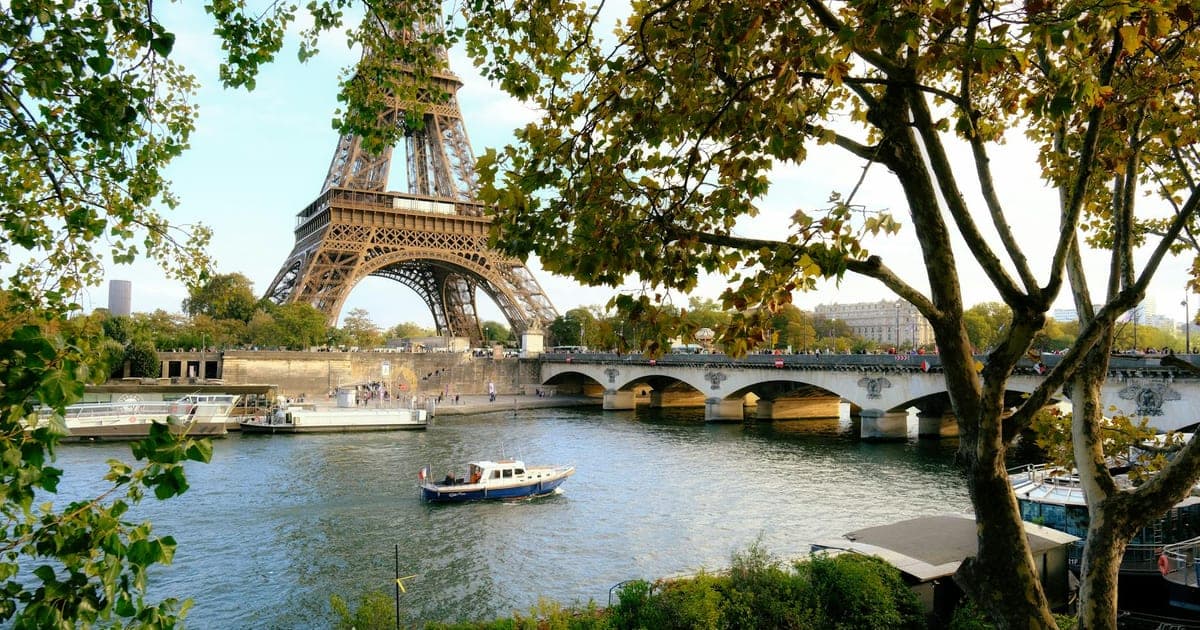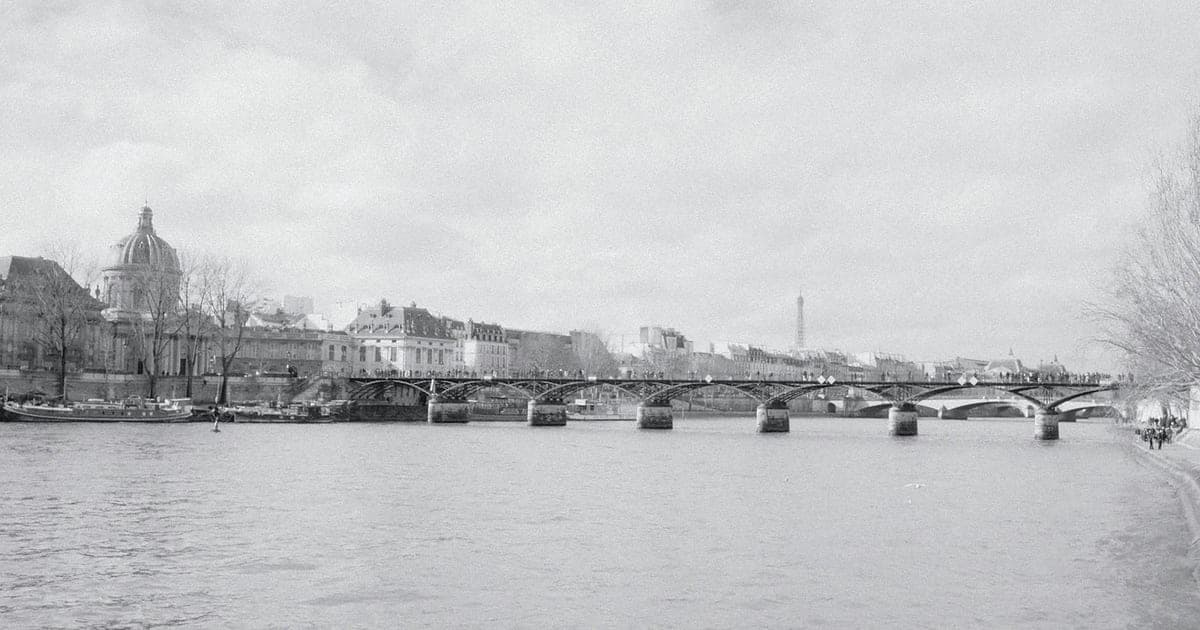
It's the oldest debate in European travel: Paris or Rome? The croissant or the cornetto? The Louvre or the Vatican? The Seine at sunset or the Tiber at dusk?
Here's the truth nobody wants to say: both cities are extraordinary, and you should visit both eventually. But if you have one trip to plan in 2026 and you need to choose, this guide will help you decide based on what actually matters to you — not romantic cliches.
We've compared the two cities across every category that shapes a real trip: food quality and cost, art and museums, getting around, daily budgets, nightlife, romance, and suitability for different traveler types. Every price is current for 2026. Every recommendation comes from on-the-ground experience.
Let's settle this.
Quick Comparison at a Glance
| Category | Paris | Rome |
|---|---|---|
| Average daily budget | €150-280 | €120-230 |
| Best food experience | Fine dining, pastries, wine bars | Street food, trattorie, gelato |
| Top museum | Louvre (680,000+ works) | Vatican Museums (70,000+ works) |
| Getting around | Excellent metro system | Walkable city center + limited metro |
| Romance factor | Iconic, polished | Raw, passionate |
| Best for first-timers | Slightly easier logistics | More forgiving with food |
| Language barrier | Moderate | Moderate |
| Weather (spring/fall) | 12-20°C, occasional rain | 15-25°C, more sunshine |
| Safety | Good (watch for pickpockets) | Good (watch for pickpockets) |
Food & Dining
This is where the debate gets personal. Both cities have world-class food cultures, but they're fundamentally different in philosophy.
Paris: Precision and Refinement
Parisian food is a craft. It rewards patience and willingness to pay for quality. The croissants really are better here — flaky, buttery, architectural. The wine bars (bars a vins) serve natural wines with small plates that rival full meals. And yes, the fine dining scene sets the global standard.
What you'll eat well:
- Morning croissants and pain au chocolat from a proper boulangerie (€1.30-2.50)
- Lunch at a bistro: steak frites, duck confit, or a croque monsieur (€14-22)
- Wine bar small plates: charcuterie boards, terrines, cheese (€8-18 per plate)
- Dinner at a mid-range restaurant (€35-65 per person)
- Street crepes near Montparnasse (€5-8)
Where it falls short: Tourist-trap restaurants near major sights are genuinely terrible and overpriced. A bad meal in Paris is worse than a bad meal in Rome because you expected more and paid more.
Daily food budget: €40-60 (budget), €70-120 (mid-range), €150+ (splurge)
Rome: Soul and Simplicity
Roman food is about ingredients, not technique. A plate of cacio e pepe uses three ingredients and somehow becomes one of the best things you'll ever eat. The street food — supplì, pizza al taglio, porchetta sandwiches — is extraordinary and costs almost nothing.
What you'll eat well:
- Morning cornetto and cappuccino standing at a bar (€2.50-3.50)
- Pizza al taglio (by weight) for lunch (€3-6 for a filling meal)
- Supplì (fried rice balls) from a street vendor (€1.50-2.50)
- Pasta at a proper trattoria: carbonara, amatriciana, cacio e pepe (€10-14)
- Dinner at a mid-range restaurant (€25-45 per person)
- Gelato from an artisan gelateria (€2.50-4.00)
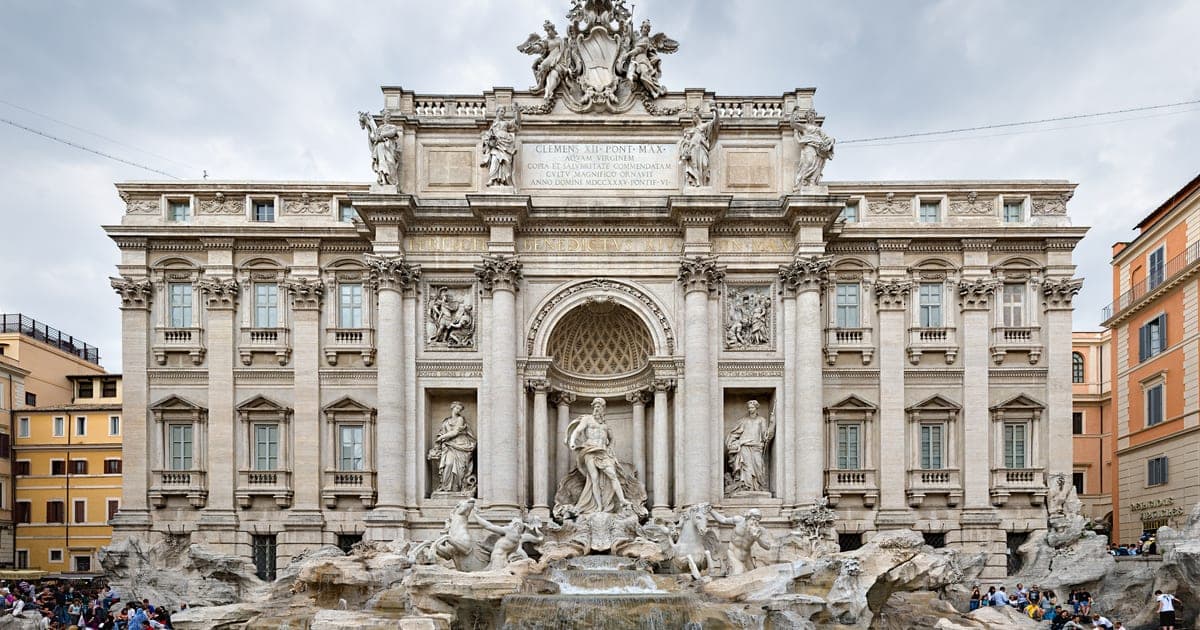
Where it falls short: Rome's restaurant scene can feel repetitive if you don't venture beyond the centro storico. Tourist menus near the Trevi Fountain and Spanish Steps serve microwaved lasagna at Paris prices.
Daily food budget: €30-45 (budget), €55-95 (mid-range), €120+ (splurge)
Verdict: Food
Rome wins for casual eating and budget travelers. You can eat phenomenally well in Rome for €35 a day. Paris requires a bigger investment to eat at the same level, but its fine dining and wine culture are unmatched. If food is your main reason for traveling, Rome is more accessible; Paris rewards those willing to spend.
Art & Museums
Both cities could consume a lifetime of museum visits. But they offer very different experiences.
Paris
Paris has the density. Within a 30-minute walk, you can visit the Louvre, Musée d'Orsay, and Musée de l'Orangerie — three of the world's greatest art museums.
Must-visit museums:
- Louvre — €22, closed Tuesdays. The Mona Lisa, Venus de Milo, Winged Victory. Budget 3-4 hours minimum. Book timed entry.
- Musée d'Orsay — €16. The world's best Impressionist collection in a stunning converted train station. Monet, Renoir, Van Gogh.
- Centre Pompidou — €15. Modern and contemporary art. The building itself is the attraction for many.
- Musée de l'Orangerie — €12.50. Monet's Water Lilies in the oval rooms — a transcendent experience.
- Musée Rodin — €14. Beautiful sculpture garden. The Thinker, The Kiss.
Museum Pass: €62 for 2 days, €78 for 4 days. Covers 60+ museums and monuments. Worth it if you visit 3+ sites.
Rome
Rome's art isn't just in museums — it's embedded in the city itself. Churches with Caravaggio originals on the walls. Ancient ruins you walk past on your way to lunch. Frescoes on ceilings you stumble into by accident.
Must-visit museums and sites:
- Vatican Museums + Sistine Chapel — €17 online (€21 on-site). Michelangelo's ceiling alone justifies the trip. Book early morning or late-afternoon entry to avoid peak crowds.
- Borghese Gallery — €15, reservation mandatory. Bernini's sculptures, Caravaggio's paintings, in an intimate villa setting. Limited to 360 visitors per 2-hour slot.
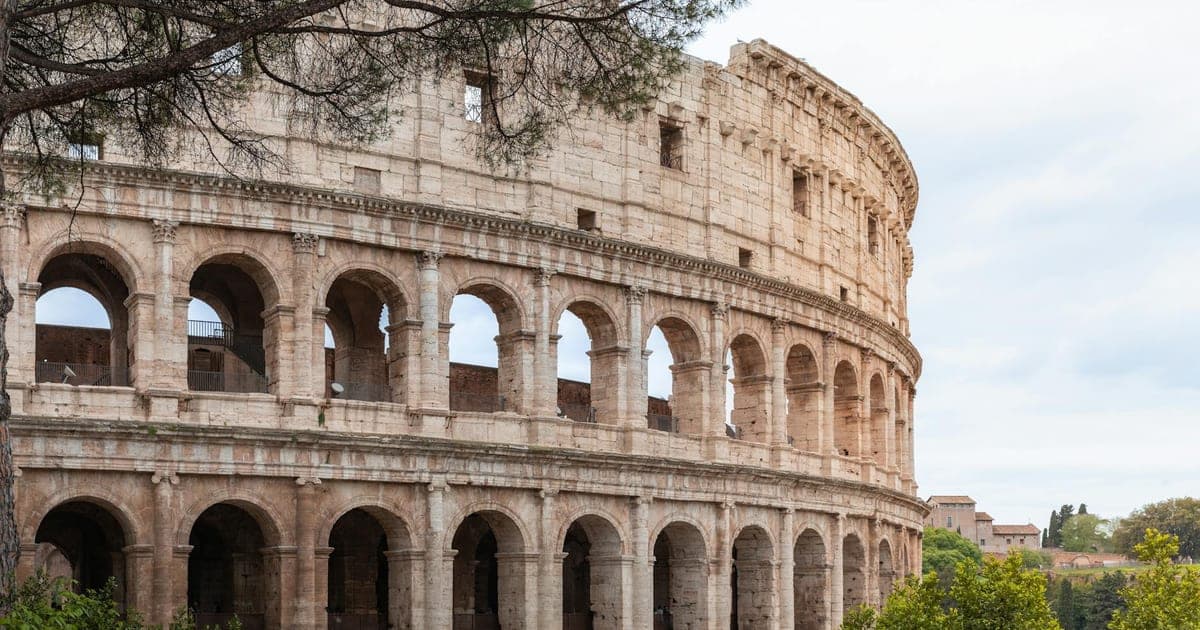
- Colosseum + Forum + Palatine Hill — €18 combined ticket. Ancient Rome in full scale.
- Capitoline Museums — €16. The world's oldest public museum collection.
- Free church art: Caravaggio paintings in San Luigi dei Francesi and Santa Maria del Popolo. Michelangelo's Moses at San Pietro in Vincoli. All free.
Roma Pass: €33 for 48 hours (1 free museum + discounts + transport), €53 for 72 hours (2 free museums + discounts + transport).
Verdict: Art & Museums
It depends on what moves you. Paris wins for sheer volume and the Impressionist canon. Rome wins for the immersive experience — art isn't behind glass, it's part of the living city. If you want to study masterpieces in climate-controlled galleries, choose Paris. If you want to turn a corner and find a Caravaggio in a dimly lit church, choose Rome.
Architecture & Streetscapes
Paris
Paris is visually consistent in a way few cities match. Baron Haussmann's 19th-century renovation gave the city its signature look: cream limestone facades, wrought-iron balconies, zinc rooftops, wide boulevards. The result is a city that feels designed — elegant, uniform, cinematic.
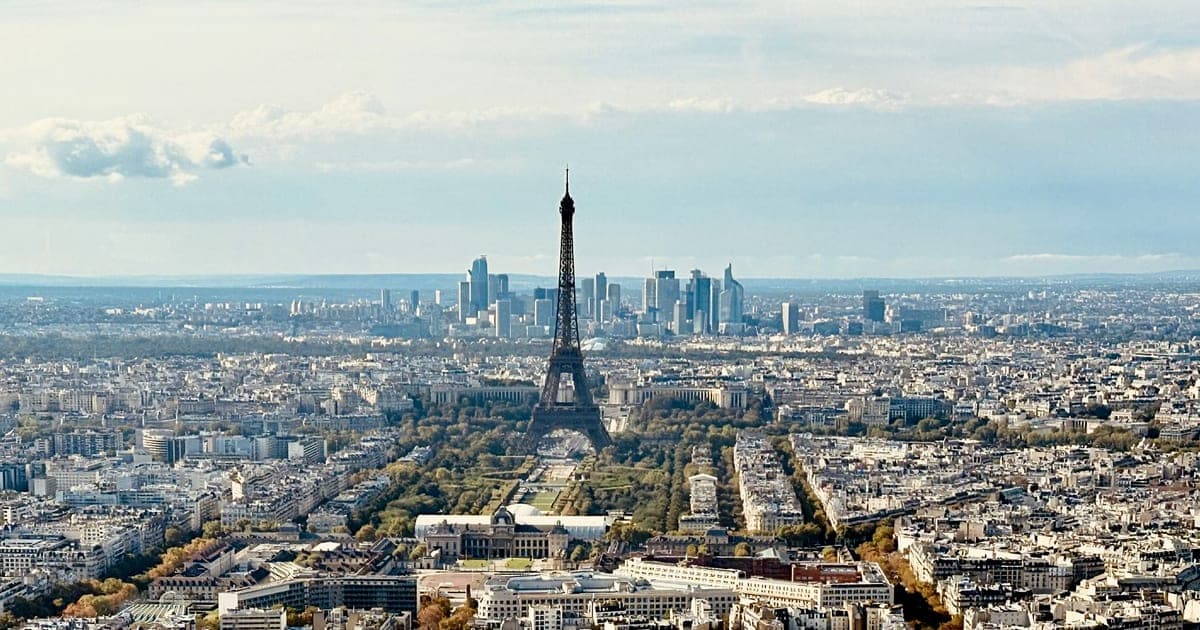
Highlights: The view down the Champs-Elysées, Pont Alexandre III, the Marais neighborhood's narrow medieval streets, Sacre-Coeur from the steps of Montmartre, the rooftops from Galeries Lafayette's terrace (free).
Rome
Rome is chaos layered on chaos — and it works. A Baroque church stands next to a medieval tower built on a Roman temple. The streets are narrow, cobblestoned, and unpredictable. Every neighborhood has a different character, and nothing is uniform.
Highlights: The Pantheon's oculus open to the sky, the Roman Forum's ancient columns against modern apartment buildings, Trastevere's ivy-covered facades, Piazza Navona's fountains, the Spanish Steps at dawn before the crowds.
Verdict: Architecture
Paris for elegance, Rome for drama. Paris looks like a movie set. Rome looks like a living archaeological site. Neither is better — it depends whether you prefer harmony or surprise.
Romance
Let's address the elephant in the room. Both cities market themselves as the world's most romantic destination.
Paris
The romance of Paris is curated. Canal Saint-Martin picnics, a bottle of wine on the banks of the Seine, the view from Montmartre at sunset, a quiet dinner in a candlelit bistro in the 6th arrondissement. It's deliberate, polished, and undeniably effective.
Best romantic experiences:
- Sunset from Pont des Arts or Pont Alexandre III
- Dinner at a tiny Left Bank bistro (Le Comptoir, Chez Janou)
- Morning walk through Luxembourg Gardens
- A shared bottle of wine at a bar a vins in the Marais
- The view from the Eiffel Tower at night (it sparkles on the hour)
Rome
The romance of Rome is accidental. You get lost in Trastevere and find a tiny piazza with a fountain and a trattoria with four tables. Someone is playing guitar. The pasta is perfect. You didn't plan any of it, and that's what makes it romantic.
Best romantic experiences:
- Tossing a coin in the Trevi Fountain at night (yes, it's touristy; no, it doesn't matter)
- Dinner in Trastevere with the windows open to the street
- Sunset from Pincian Hill overlooking Piazza del Popolo
- Gelato while walking along the Tiber at dusk
- An aperitivo on a rooftop bar with Pantheon views
Verdict: Romance
Paris for planned romance, Rome for spontaneous romance. If you're proposing, book Paris. If you want magic to happen on its own, go to Rome. Both cities will make you fall in love — with the city, if not with each other.
Nightlife
Paris
Paris nightlife starts late and runs deep. The bar scene is sophisticated — cocktail bars in the Marais, wine bars in Saint-Germain, late-night jazz clubs in the Latin Quarter. The club scene is smaller than Berlin or London but has a loyal following, especially in the 11th and 18th arrondissements.
Where to go:
- Cocktail bars: Candelaria (hidden behind a taco shop), Little Red Door, Le Syndicat
- Wine bars: Le Baron Rouge, Le Verre Volé, Frenchie Bar a Vins
- Jazz: Le Caveau de la Huchette (swing dancing since 1946), Duc des Lombards
- Clubs: Concrete (on a barge), Rex Club, La Machine du Moulin Rouge
- Late-night eats: Bouillon Chartier serves until 11 PM; kebab spots in the 10th open until 2 AM
Typical night out cost: €30-60 (cocktails €12-16 each, wine €6-10 per glass)
Rome
Rome's nightlife is more casual. Aperitivo culture is strong — most bars offer free or cheap snacks with an evening drink from 6-9 PM, which can replace dinner entirely. The Trastevere and Testaccio neighborhoods are the late-night hubs.
Where to go:
- Aperitivo: Salotto 42, Freni e Frizioni, Il Barretto
- Wine bars: Roscioli, Il Goccetto, Ai Tre Scalini (Monti)
- Rooftop bars: Hotel Minerva (Pantheon view), Terrazza Borromini (Piazza Navona view)
- Clubs: Goa Club, Circolo degli Illuminati, Lanificio 159
- Late-night eats: Trapizzino, Supplizio, or any pizza al taglio spot open past midnight
Typical night out cost: €20-40 (cocktails €8-13 each, wine €5-8 per glass, aperitivo €8-12 with snacks)
Verdict: Nightlife
Paris for sophistication, Rome for atmosphere. Paris has better cocktail bars and a more developed club scene. Rome has better value (aperitivo culture is brilliant) and a more relaxed, social vibe. If you want to dress up and drink a perfectly made Negroni in a hidden speakeasy, Paris. If you want to sit outside on a warm night with a spritz and free bruschetta, Rome.
Budget Comparison
Here's what a real day costs in each city in 2026, broken down by travel style.
Paris: Daily Budget Breakdown
| Expense | Budget | Mid-Range | Luxury |
|---|---|---|---|
| Accommodation | €80-120 | €160-280 | €350-600+ |
| Breakfast | €5-8 | €8-15 | €20-35 |
| Lunch | €12-18 | €18-30 | €40-75 |
| Dinner | €18-28 | €35-65 | €80-200+ |
| Transport | €8-15 | €15-25 | €30-50 (taxis) |
| Activities | €15-25 | €30-50 | €60-100 |
| Drinks/snacks | €8-12 | €15-25 | €30-50 |
| Daily Total | €146-226 | €281-490 | €610-1,110+ |
Rome: Daily Budget Breakdown
| Expense | Budget | Mid-Range | Luxury |
|---|---|---|---|
| Accommodation | €60-100 | €130-230 | €300-550+ |
| Breakfast | €3-5 | €5-10 | €15-25 |
| Lunch | €6-12 | €14-25 | €30-60 |
| Dinner | €14-22 | €25-45 | €60-150+ |
| Transport | €5-10 | €10-18 | €25-40 (taxis) |
| Activities | €10-20 | €25-45 | €50-90 |
| Drinks/snacks | €6-10 | €12-20 | €25-40 |
| Daily Total | €104-179 | €221-393 | €505-955+ |
Verdict: Budget
Rome is consistently 20-30% cheaper across every category. The savings are most dramatic for budget travelers — food and transport costs are meaningfully lower in Rome. At the luxury level, the gap narrows because both cities have premium hotels and restaurants that charge whatever they want.
Getting Around
Paris
Paris has one of the world's best metro systems. 16 lines, 308 stations, trains every 2-5 minutes. You can reach almost anything in the city within 30 minutes. The system is clean, well-signed, and runs from 5:30 AM to 1:15 AM (2:15 AM on Fridays and Saturdays).
- Single ticket: €2.15
- Day pass (Navigo Jour): €8.45
- Weekly pass (Navigo Semaine): €30.75
- Airport transfer (RER B from CDG): €11.45
The city is also flat and bike-friendly. Velib (bike-share) has 20,000+ bikes available from €3.10 for a day pass.
Rome
Rome's metro is limited — only 3 lines, because every time they dig a tunnel they hit ancient ruins. But the historic center is compact enough to walk almost everything. You can walk from the Vatican to the Colosseum in 45 minutes.
- Single ticket (100 minutes): €1.50
- Day pass (BIG): €7.00
- Weekly pass (CIS): €24.00
- Airport transfer (Leonardo Express from Fiumicino): €14.00
Walking is genuinely the best way to see Rome. The cobblestones are rough on bad shoes, but the city reveals its best secrets between the metro stops.
Verdict: Getting Around
Paris for efficiency, Rome for walkability. If you're covering a lot of ground or visiting outer neighborhoods (Montmartre, La Defense), Paris's metro is unbeatable. If you're staying central and want to discover the city on foot, Rome is more rewarding — and cheaper.
Day Trips
From Paris
- Versailles — 40 min by RER C. Palace + gardens. €21 entry, €27 with estate. Go on a weekday.
- Giverny — 75 min by train. Monet's gardens. April-October only. Magical on a sunny day.
- Champagne region (Reims/Epernay) — 45 min by TGV. Tour champagne houses. Tastings from €20.
- Mont Saint-Michel — 3.5 hours by TGV + shuttle. A full day, but unforgettable.
- Loire Valley — 1-2 hours by TGV. Chateaux, wine, and countryside.
From Rome
- Pompeii & Herculaneum — 2.5 hours by high-speed train to Naples + local train. €16 entry. A full day.
- Tivoli — 45 min by bus/train. Villa d'Este (Renaissance gardens) and Hadrian's Villa. €10-13 entry each.
- Orvieto — 1 hour by train. Medieval hilltop town with a stunning cathedral. Low-key and beautiful.
- Amalfi Coast — 3 hours by train + bus/ferry. Possible as a long day trip, but an overnight is better.
- Ostia Antica — 30 min by metro/train. Ancient Roman port city. Better preserved and less crowded than Pompeii. €12 entry.
Verdict: Day Trips
Tie. Both cities are gateways to extraordinary day trips. Paris has Versailles and Champagne; Rome has Pompeii and the Amalfi Coast. Neither city loses here.
Best For: The Recommendation Matrix
First-Time European Travelers
Choose Paris. The metro is more intuitive, the city is easier to navigate logistically, and the iconic sights (Eiffel Tower, Louvre, Notre-Dame) deliver exactly what you expect. Rome can feel overwhelming on a first visit — the layout is confusing and the ruins require more historical context to appreciate.
Foodies
Choose Rome. Unless your budget is unlimited, Rome offers a better food experience for the money. The casual dining culture means you'll eat well at every meal without stress or reservations. Paris is the better choice only if fine dining is your primary goal.
Art Lovers
Choose Paris if you love Impressionism, modern art, and comprehensive museum collections. Choose Rome if you prefer Renaissance and Baroque art, sculpture, and the experience of seeing masterpieces in their original context (churches, palaces).
Couples
Choose Paris if you want a polished, cinematic romantic experience. Choose Rome if you prefer warmth, spontaneity, and passion. Both cities are exceptional for couples — you genuinely can't go wrong.
Families with Kids
Choose Rome. Kids love the Colosseum, gladiator stories, and gelato. The food is more kid-friendly (pizza and pasta at every corner). Rome is more walkable, which avoids the metro-exhaustion that hits families hard in Paris. Paris works too — Disneyland Paris is a bonus — but Rome is easier day-to-day with children.
History Buffs
Choose Rome. 2,700 years of continuous history, visible at every turn. The Forum, the Pantheon, the catacombs, the layers of civilization built on top of each other. Paris has deep history too, but Rome's is older, more visible, and more visceral.
Budget Travelers
Choose Rome. Lower costs across the board — accommodation, food, transport, and attractions. You can do Rome well on €100-120/day. Paris needs at least €140-160/day for a comparable experience.
Fashionistas & Shoppers
Tie. Paris has the haute couture houses, the department stores (Galeries Lafayette, Le Bon Marche), and the Marais boutiques. Rome has Via Condotti luxury shopping, leather goods, and vintage markets. Paris edges ahead for high fashion; Rome for leather, accessories, and deals.
Summary: Paris vs Rome Head-to-Head
| Category | Winner | Why |
|---|---|---|
| Food (budget) | Rome | Street food culture and lower prices |
| Food (fine dining) | Paris | Michelin density, wine bars, pastry |
| Art & Museums | Tie | Different strengths (Impressionism vs. Renaissance) |
| Architecture | Tie | Elegance (Paris) vs. Drama (Rome) |
| Romance | Tie | Planned (Paris) vs. Spontaneous (Rome) |
| Nightlife | Tie | Cocktails (Paris) vs. Aperitivo (Rome) |
| Budget | Rome | 20-30% cheaper across the board |
| Getting Around | Paris | Superior metro system |
| Day Trips | Tie | Both exceptional gateways |
| Families | Rome | More walkable, kid-friendly food |
| History | Rome | 2,700 years and counting |
Overall: Rome wins on value, casual food, and history. Paris wins on logistics, fine dining, and polish. Neither city is the wrong choice — they're just right for different reasons.
FAQ
Can I visit both Paris and Rome in one trip?
Yes. A high-speed train isn't available between the two (as of 2026), but flights take 2 hours and cost €40-120 one way on budget carriers. Give each city at least 3 full days. A week total — 3 days Paris, travel day, 3 days Rome — is a strong itinerary.
Which city is safer?
Both are safe for tourists by major city standards. Pickpocketing is the main concern in both — especially on Paris's metro and around Rome's Termini station and Colosseum. Use a money belt or front-pocket wallet, stay aware on crowded public transport, and you'll be fine.
Which city has better weather?
Rome, on average. Rome gets more sunshine and warmer temperatures year-round. Spring (April-May) and fall (September-October) are ideal in both cities, but Rome's shoulder seasons are warmer by 3-5°C. Summers are brutally hot in both cities (35°C+), but Rome edges into genuinely oppressive territory in July-August.
Which city is better for a weekend trip?
Paris. Better airport-to-city connections, a more efficient metro, and iconic sights that are closer together. You can see the Eiffel Tower, the Louvre, and Montmartre in a packed 2-day trip. Rome is more rewarding with 3+ days because the best experiences (Trastevere at night, Vatican at dawn, wandering the backstreets) need time.
Do I need to speak French or Italian?
You'll get by with English in tourist areas of both cities. In Paris, learning "Bonjour," "Merci," and "Parlez-vous anglais?" goes a long way — Parisians appreciate the effort. In Rome, Italians are generally more relaxed about language barriers and will cheerfully gesture their way through a conversation.
Plan Your 2026 Trip with AI
Still deciding? MonkeyTravel's AI trip planner can build you a personalized itinerary for either city in minutes — with real prices, smart routing, and local recommendations tailored to your interests and budget.
Whether you choose the croissant or the cornetto, we'll make sure you don't waste a single day.