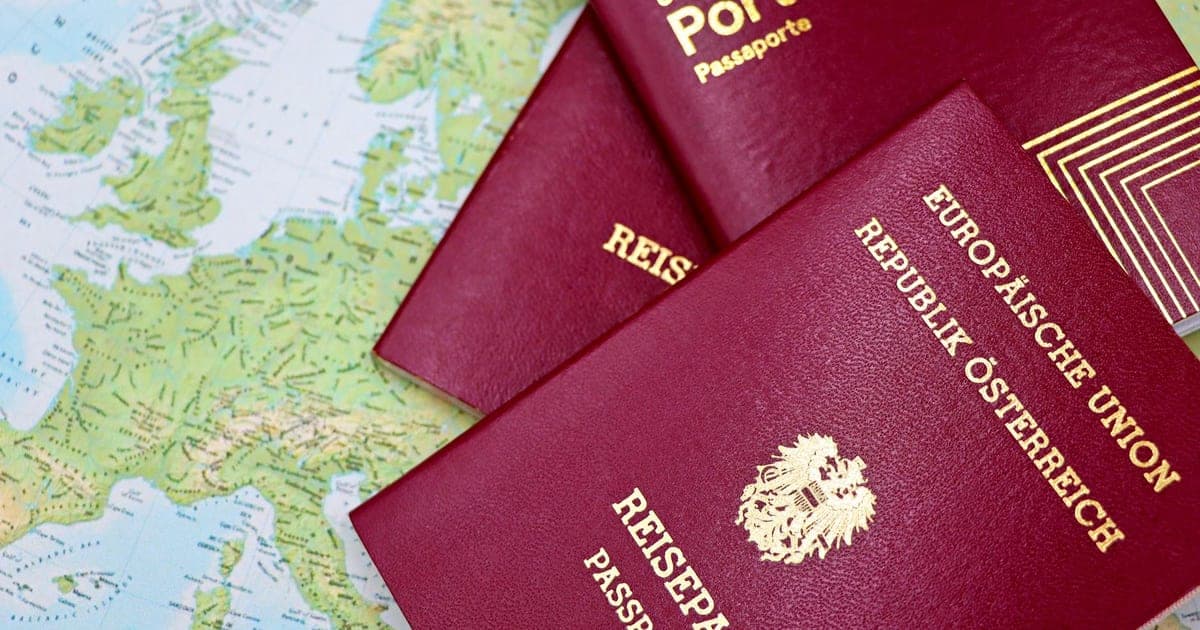
Nem todos os passaportes são iguais. O documento guardado na sua gaveta ou na sua bolsa de viagem determina não apenas para onde você pode voar, mas com que facilidade você chega lá — se passa direto por um portão eletrônico, pega um visto na chegada ou gasta semanas lidando com um pedido consular antes mesmo de reservar um hotel.
O Passport Power Index 2026, baseado principalmente no Henley Passport Index (compilado a partir de dados da Associação Internacional de Transporte Aéreo), revela um mundo em que a diferença entre os cidadãos mais e menos móveis nunca foi tão grande. Segundo a atualização de julho de 2026, quem tem passaporte de Singapura pode visitar 192 destinos sem visto prévio. Quem tem passaporte afegão pode visitar apenas 23. Essa diferença de 169 destinos é a maior nos 20 anos de história do índice.
Este guia detalha o ranking completo de 2026, analisa o que determina o poder de um passaporte e — o mais importante — explica o que isso significa para o planejamento da sua próxima viagem.
Referência Rápida: Onde Está o Seu Passaporte no Ranking?
| Categoria | Países | Acesso Sem Visto |
|---|---|---|
| Elite (190+) | Singapura | 192 destinos |
| Topo (185-189) | Japão, Coreia do Sul, Emirados Árabes Unidos, maior parte da Europa Ocidental | 186-188 destinos |
| Forte (180-185) | Austrália, Reino Unido, Canadá, EUA | 180-185 destinos |
| Bom (150-179) | Chile, Brasil, Argentina, México | 148-175 destinos |
| Limitado (100-149) | África do Sul, China, Turquia | 80-144 destinos |
| Restrito (Abaixo de 100) | Índia, Paquistão, Afeganistão | 23-55 destinos |
Atualizado: agosto de 2026, com base na edição de julho de 2026 do Henley Passport Index.
Quer saber o que esses números significam no mapa? Nosso guia de destinos sem visto por passaporte mostra aonde cada categoria pode realmente ir, região por região.
O Que É o Passport Power Index?
O Passport Power Index classifica os passaportes do mundo pelo número de destinos a que seus titulares podem ter acesso sem obter um visto com antecedência. Os dois principais índices são:
- Henley Passport Index (da Henley & Partners): Usa dados da IATA cobrindo 227 destinos. Conta o acesso sem visto e com visto na chegada. Atualizado trimestralmente, é o ranking mais citado.
- Arton Capital Passport Index: Usa uma metodologia semelhante, mas inclui categorias adicionais, como autorizações eletrônicas de viagem (ETAs) e e-Visas, o que pode gerar pontuações ligeiramente diferentes.
Ambos pintam o mesmo quadro geral: passaportes de democracias estáveis, com economias fortes e redes diplomáticas ativas, ocupam as primeiras posições, enquanto os de países afetados por conflitos ou diplomaticamente isolados ficam nas últimas.
Por que isso importa para os viajantes: A posição do seu passaporte determina diretamente o seu trabalho de planejamento. Um passaporte bem ranqueado significa que você pode reservar um voo e ir. Um menos bem ranqueado significa que você precisa reservar tempo e dinheiro extras para pedidos de visto, o que pode limitar viagens espontâneas.
Henley vs Arton Capital: Principais Diferenças
Os dois índices muitas vezes produzem rankings diferentes. Veja por quê:
| Fator | Henley Passport Index | Arton Capital Passport Index |
|---|---|---|
| Fonte de Dados | Dados de viagem da IATA | Dados de governos e companhias aéreas |
| O Que Conta | Sem visto + visto na chegada | Sem visto + visto na chegada + ETAs + e-Visas |
| Passaporte nº 1 | Singapura (192) | Emirados Árabes Unidos (179 pela metodologia deles) |
| Frequência de Atualização | Relatórios trimestrais | Atualizações em tempo real |
| Tratamento das ETAs | Não contadas separadamente | Contadas como acessíveis |
| Total de Destinos | 227 avaliados | 199 avaliados |
Por que isso importa: Os Emirados Árabes Unidos aparecem em 1º no índice da Arton e agora dividem o 2º no da Henley — a atualização de julho de 2026 fechou quase toda essa distância. Singapura lidera o da Henley, mas fica mais abaixo no da Arton. A diferença está em como cada índice conta as ETAs e os e-Visas. A Henley é mais conservadora; a Arton dá crédito a qualquer forma de entrada facilitada.
Resumo: Use a Henley para a comparação mais citada. Use a Arton se quiser saber o seu acesso na prática, incluindo autorizações eletrônicas.
Os 10 Passaportes Mais Poderosos em 2026
Aqui estão os passaportes mais bem colocados na edição de julho de 2026 do Henley Passport Index, junto com o número de destinos a que seus titulares podem ter acesso sem visto ou com visto na chegada:
| Posição | País/Países | Destinos Sem Visto |
|---|---|---|
| 1 | Singapura | 192 |
| 2 | Japão, Coreia do Sul, Emirados Árabes Unidos | 188 |
| 3 | Suécia | 187 |
| 4 | Bélgica, Dinamarca, Finlândia, França, Alemanha, Irlanda, Itália, Luxemburgo, Países Baixos, Noruega, Espanha | 186 |
| 5-9 | O restante do bloco europeu mais o Reino Unido (6º), Austrália, Nova Zelândia e Canadá | 181-185 |
| 10 | Estados Unidos | 180 |
A composição do bloco 5-9 muda a cada edição; a tabela ao vivo da Henley traz o detalhe posição por posição.
Principais Conclusões do Top 10
Singapura mantém o reinado. Edição após edição, o passaporte de Singapura segue como o mais poderoso do mundo. Sua pontuação de 192 destinos significa que os singapurianos podem visitar cerca de 85% do mundo sem visto prévio — e a atualização de julho de 2026 o deixa quatro destinos à frente dos rivais mais próximos.
A Ásia segue dona do topo — e o Golfo se juntou a ela. Com Singapura, Japão e Coreia do Sul nas duas primeiras posições, a Ásia reforça seu lugar no topo da mobilidade global, e os EAU agora dividem esse segundo lugar com eles. Japão e Coreia do Sul têm sido destaques constantes há mais de uma década, beneficiados por amplos acordos bilaterais.
A Europa preenche as posições intermediárias. Notáveis 30 países europeus aparecem nas 10 primeiras posições. A participação na UE, a Zona Schengen e décadas de acordos recíprocos dão aos cidadãos europeus um acesso extraordinariamente amplo.
A ascensão histórica dos Emirados Árabes Unidos. A história mais dramática na trajetória do poder dos passaportes pertence aos Emirados Árabes Unidos. Na 62ª posição em 2006, os EAU agora dividem o 2º lugar com 188 destinos — mais de 150 destinos sem visto adicionados em 20 anos. Essa transformação foi impulsionada por um engajamento diplomático estratégico, com acordos recíprocos de isenção de visto com a UE, Rússia, China, Israel, México, África do Sul e dezenas de outros.
Os EUA se seguram no Top 10. Os Estados Unidos mantêm a 10ª posição com 180 destinos — a mesma posição do seu pior ranking histórico. A estabilidade mascara um declínio de longo prazo: os EUA dividiram o 1º lugar com o Reino Unido em 2014 e passaram as últimas duas décadas descendo na tabela.
Os 10 Passaportes Mais Fracos em 2026
No outro extremo do espectro, os titulares de passaportes destes países enfrentam barreiras significativas para viagens internacionais:
| Posição | Países | Destinos Sem Visto |
|---|---|---|
| Último lugar | Afeganistão | 23 |
| Perto do fundo | Síria, Iraque | Menos de 30 |
| Cinco últimos | Paquistão, Iêmen, Somália | Por volta de 30-36 |
| Dez últimos | Território Palestino, Líbia, Coreia do Norte, Sudão | Aproximadamente 40-46 |
O 23 do Afeganistão vem da edição de julho de 2026; as faixas agrupadas refletem edições anteriores de 2026, já que as contagens exatas no grupo de baixo variam em um ou dois destinos entre as atualizações.
O Que Coloca os Passaportes no Fundo do Ranking?
Os fatores são consistentes entre os 10 últimos:
- Conflito ou instabilidade em curso — Afeganistão, Síria, Iraque, Iêmen e Somália passaram por guerras prolongadas ou insurgências.
- Isolamento diplomático — Coreia do Norte e, em graus variados, Síria e Líbia mantêm relações exteriores limitadas.
- Baixa capacidade institucional — A capacidade de negociar acordos recíprocos de visto exige ministérios das relações exteriores em funcionamento e governança estável.
- Preocupações de segurança — Países vistos como de maior risco de segurança enfrentam exigências de visto mais rígidas impostas pelos países de destino.
A diferença de 169 destinos entre Singapura (192) e Afeganistão (23) é a maior da história do índice. Em 2006, a diferença entre o então passaporte líder, o dos EUA, e o Afeganistão era de 118 destinos. A distância cresceu cerca de 50 destinos em duas décadas.
Análise Regional do Poder dos Passaportes
Europa
A Europa domina o índice de 2026 como nenhuma outra região. Trinta países europeus aparecem nas 10 primeiras posições, e os cidadãos da UE se beneficiam da livre circulação dentro do bloco, além de amplos acordos de visto no mundo todo.
- Mais fortes: A Suécia sozinha na posição 3 (187 destinos), com um bloco de onze países — Bélgica, Dinamarca, Finlândia, França, Alemanha, Irlanda, Itália, Luxemburgo, Países Baixos, Noruega e Espanha — um destino atrás, com 186
- Ascensões notáveis: A Albânia subiu 36 posições em 20 anos, chegando ao 43º lugar. A Ucrânia subiu 34 posições para o 30º, e a Sérvia ganhou 30 posições, chegando ao 34º — tudo reflexo de acordos de associação com a UE e de progresso diplomático.
- Declínio ocidental: O Reino Unido (posição 6) e os EUA (180, posição 10) passaram 2026 bem abaixo de seus picos históricos — ambos ocupavam o 1º lugar em 2014.
Ásia-Pacífico
A Ásia conquista o primeiro lugar e duas das três primeiras posições.
- Mais fortes: Singapura (192, posição 1), Japão e Coreia do Sul (188, posição 2 compartilhada)
- Nível intermediário forte: Malásia, Nova Zelândia e Austrália ficam dentro ou logo fora do top 10, na casa dos 180 e poucos destinos
- Destaque: A Índia está na 80ª posição na edição de julho de 2026 do Henley Index, com acesso a 55 destinos sem visto — uma subida em termos de ranking em relação aos anos anteriores, ainda que o acesso total tenha ficado praticamente estável.
Américas
As Américas apresentam um quadro dividido entre os fortes passaportes norte-americanos e os mais variáveis da América Latina.
- Mais fortes nas Américas: Canadá (na casa dos 180 e poucos, logo fora da faixa de cima), Estados Unidos (180, posição 10)
- Mais forte na América Latina: Chile (175, posição 13 no mundo) — o único país latino-americano no Programa de Isenção de Visto dos EUA
- Bons desempenhos latino-americanos: Argentina e Brasil (169 cada, posição 16), México (157, posição 21), Uruguai (156, posição 22), Costa Rica e Panamá (148, posição 26)
- Declínio dos EUA: Cair do 1º lugar em 2014 para o 10º em 2026 representa um enfraquecimento notável de longo prazo, impulsionado por mudanças em acordos bilaterais e pelo aperto em arranjos recíprocos.
Oriente Médio
A região mostra os contrastes mais dramáticos.
- Mais forte: EAU (188, posição 2 compartilhada) — o grande destaque mundial ao longo de duas décadas
- Nível intermediário: Israel, Kuwait, Catar e Bahrein mantêm acesso moderado
- Mais fracos: Iraque (31), Síria (29), Iêmen (35) e Territórios Palestinos (40) estão entre os passaportes menos poderosos do mundo
A transformação dos EAU, da 62ª posição para o 2º lugar compartilhado em 20 anos, é a história de poder de passaporte mais notável da história, com o acréscimo de mais de 150 destinos por meio de um engajamento diplomático agressivo.
África
A África segue sendo a região mais desafiadora para a mobilidade de passaportes, com apenas três países entre os 50 primeiros do mundo.
- Mais forte: Seychelles (154, posição 24 no mundo) — o grande destaque da África, impulsionado por uma política externa focada no turismo e por acordos recíprocos
- Nível intermediário: Maurício (posição 28-30 no mundo), África do Sul (101 destinos, posição 48 no mundo)
- Mais fracos: Somália (36), Líbia (40), Sudão (46)
Seychelles demonstra que até nações pequenas podem alcançar um poder de passaporte significativo por meio de um engajamento diplomático bem direcionado. Sua economia dependente do turismo criou fortes incentivos para a liberalização de vistos.
Como Verificar o Poder do Seu Passaporte
Quer saber exatamente onde o seu passaporte está? Estas são as ferramentas mais confiáveis:
-
Henley Passport Index (henleyglobal.com/passport-index) — O padrão de referência. Pesquise por país e veja um detalhamento completo de destinos sem visto, com visto na chegada e que exigem visto.
-
Arton Capital Passport Index (passportindex.org) — Oferece um mapa interativo e comparações entre países. Inclui categorias adicionais, como ETAs e e-Visas.
-
IATA Travel Centre (iatatravelcentre.com) — A fonte de dados brutos que a Henley e outras usam. Ideal para verificar exigências específicas entre países.
-
O site do ministério das relações exteriores do seu país — Sempre a fonte mais oficial para as exigências do seu passaporte específico em um determinado destino.
Dica de especialista: Ao usar o planejador de viagens com AI da MonkeyTravel, o sistema leva em conta as exigências comuns de visto para os destinos escolhidos, ajudando você a identificar quais paradas podem precisar de documentação antecipada antes de fechar o seu roteiro.
Como o Poder do Passaporte Afeta o Seu Planejamento de Viagem
A posição do seu passaporte no ranking tem consequências reais e práticas para a forma como você planeja e vive as viagens.
Destinos Sem Visto: É Só Reservar e Ir
Se você tem um passaporte do top 10, a maior parte do mundo está disponível em cima da hora. Viagem de fim de semana para Tóquio? Reserve um voo. Um mês na Europa? Sem papelada. Essa espontaneidade é um privilégio que o poder do passaporte viabiliza diretamente.
Em outras palavras: essa contagem de destinos sem visto é um cardápio. Escolha um e gere um roteiro dia a dia — lugares reais, orçamentos, horários — em cerca de trinta segundos, sem criar conta. A parte do mapa livre de papelada é exatamente onde planejar deveria ser fácil assim.
Visto na Chegada: Pouco Planejamento Necessário
Muitos destinos oferecem vistos na chegada para passaportes que não se qualificam para a entrada sem visto. Isso normalmente significa preencher um formulário e pagar uma taxa no aeroporto (em geral, US$ 20-US$ 50). Você ainda consegue ser relativamente espontâneo, mas leve fotos para o passaporte e o valor exato da taxa em dinheiro.
Vistos Obtidos com Antecedência: Tempo e Dinheiro
Para destinos que exigem vistos antecipados, você precisa planejar com semanas ou meses de antecedência. Agendamentos em embaixadas, documentos comprobatórios (extratos bancários, reservas de hotel, voos de volta) e taxas (US$ 50-US$ 200+) são padrão. Alguns vistos levam de 4 a 8 semanas para serem processados.
Viagem Restrita: Barreiras Significativas
Algumas combinações de passaporte e destino estão, na prática, bloqueadas. Titulares de certos passaportes do fundo do ranking podem precisar apresentar documentação extensa, passar por entrevistas e, ainda assim, enfrentar altas taxas de recusa.
Impacto Financeiro
Os custos de visto somam rápido. Um viajante que visita 10 países pode gastar US$ 0 em taxas de visto com um passaporte de Singapura e US$ 500-US$ 1.000 com um passaporte de ranking mais baixo. Os prazos de processamento também forçam horizontes de planejamento mais longos, deixando inacessíveis as ofertas de viagem de última hora.
É aqui que uma ferramenta de planejamento mostra seu valor. O planejador de viagens com AI gratuito da MonkeyTravel não cuida do visto por você — nada cuida —, mas, uma vez que você sabe quais destinos o seu passaporte abre, ele transforma o escolhido em um roteiro dia a dia com lugares e orçamentos reais. A papelada é com você; o planejamento não precisa ser.
Tendências Pós-COVID que Estão Remodelando o Poder dos Passaportes
A pandemia alterou profundamente a mobilidade global, e seus efeitos continuam a moldar o cenário de 2026.
A Diferença de Mobilidade Cada Vez Maior
A diferença entre os passaportes mais fortes e mais fracos do mundo cresceu de 153 destinos em 2020 para 169 em 2026. Os países que já estavam no fundo viram seu acesso ainda mais restrito à medida que nações implementaram novas exigências de entrada relacionadas à saúde, que nunca foram totalmente revogadas.
Os Passaportes Ocidentais Estão em Declínio
Os EUA e o Reino Unido — que dividiam o 1º lugar em 2014 — agora estão em 10º e 6º, respectivamente. Os dois perderam mais destinos sem visto em 2025-2026 do que em qualquer ano anterior. Entre os fatores estão:
- Arranjos de reciprocidade mais rígidos (países que retiram o acesso sem visto para cidadãos dos EUA/Reino Unido quando seus próprios cidadãos enfrentam exigências de visto nos EUA/Reino Unido)
- Novos sistemas de entrada, como o ETIAS da UE (Sistema Europeu de Informação e Autorização de Viagem), que acrescenta uma camada de pré-autorização mesmo para viajantes isentos de visto
- Mudanças geopolíticas que afetam acordos bilaterais
Os Vistos para Nômades Digitais Estão Mudando o Jogo
No pós-COVID, dezenas de países introduziram vistos para nômades digitais que contornam as hierarquias tradicionais de poder dos passaportes. Países como Portugal, Espanha, Tailândia, Colômbia e Indonésia agora oferecem vistos de longa permanência para trabalhadores remotos, independentemente da posição do passaporte. Isso representa uma nova dimensão de mobilidade não totalmente capturada pelos índices de passaportes.
A Ascensão das Autorizações Eletrônicas de Viagem
As ETAs — autorizações prévias de viagem semelhantes ao ESTA dos EUA — estão se expandindo. Reino Unido, Canadá e a UE (via ETIAS) agora exigem ou estão implementando ETAs para viajantes isentos de visto. Embora não sejam vistos (em geral são rápidas e baratas), elas acrescentam uma etapa de planejamento que não existia antes da COVID.
Os Passaportes Asiáticos Continuam Subindo
O domínio de Singapura, Japão e Coreia do Sul no topo do ranking reflete uma tendência mais ampla: os passaportes asiáticos ganharam poder de forma constante, enquanto os ocidentais estagnaram ou caíram. A Malásia é outro exemplo, ficando à frente de muitas nações europeias fora da UE.
Dicas para Viajantes com Passaportes Mais Fracos
Se o seu passaporte não está no top 20, viajar para o exterior exige mais estratégia — mas está longe de ser impossível. Veja como maximizar a sua mobilidade.
1. Priorize Destinos com Visto na Chegada e E-Visa
Muitos países oferecem entrada simplificada para passaportes que não se qualificam para acesso sem visto. Os sistemas de e-Visa (solicitados e aprovados on-line, muitas vezes em 48-72 horas) se expandiram drasticamente desde 2020. Países como Turquia, Índia, Quênia, Etiópia, Camboja e Sri Lanka oferecem e-Visas para a maioria das nacionalidades.
2. Construa um Histórico de Viagens
Os consulados que analisam pedidos de visto veem com bons olhos candidatos com históricos de viagem estabelecidos. Comece com vistos mais fáceis de obter e depois use esse passaporte cheio de carimbos para apoiar pedidos a destinos mais restritivos.
3. Considere uma Segunda Cidadania ou Residência
Programas de cidadania por investimento em países como Portugal, Malta, Turquia e várias nações do Caribe podem fornecer um segundo passaporte com posições bem mais altas no ranking. A residência de longo prazo em países da UE também pode, com o tempo, levar à cidadania e a um passaporte europeu.
4. Solicite Vistos de Múltiplas Entradas e de Longa Duração
Quando você passar pelo processo de visto, peça sempre as opções de maior duração e de múltiplas entradas disponíveis. Um visto B1/B2 dos EUA de múltiplas entradas por 5 anos, por exemplo, elimina pedidos repetidos.
5. Use os Hubs de Conexão de Forma Estratégica
Alguns países oferecem trânsito sem visto por 24-72 horas. A China, por exemplo, oferece trânsito sem visto de 72-144 horas em muitas cidades para titulares de passaportes de mais de 50 países. Isso pode transformar uma conexão em uma miniviagem.
6. Participe de Programas de Viajante Confiável
Programas como o Global Entry (EUA), o NEXUS (EUA-Canadá) e o Registered Traveller do Reino Unido podem simplificar as travessias de fronteira até para viajantes de países com passaportes mais fracos.
7. Planeje com Mais Antecedência
Com um passaporte de ranking mais baixo, viajar de forma espontânea é mais difícil. Dê a si mesmo 2-3 meses para o processamento dos vistos e tenha sempre a sua documentação pronta: extratos bancários, cartas do empregador, reservas de hotel e seguro de viagem.
Independentemente da posição do seu passaporte, o planejador de viagens com AI da MonkeyTravel pode ajudar você a montar roteiros detalhados sob medida para os seus destinos. Ele cuida da logística — melhor roteirização, recomendações locais, planejamento de orçamento — para que você possa focar na experiência. Experimente o planejador de viagens com AI gratis para montar o seu próximo roteiro sem visto.
Perguntas Frequentes
1. Com que frequência o Passport Power Index é atualizado?
O Henley Passport Index é atualizado trimestralmente, com os principais relatórios publicados em janeiro. O Arton Capital Passport Index é atualizado em tempo real, conforme as mudanças nas políticas de visto são anunciadas. Os rankings podem mudar ao longo do ano, à medida que acordos bilaterais são assinados ou revogados.
2. Um passaporte mais bem ranqueado garante a entrada em mais países?
Não exatamente. Uma posição mais alta significa mais acesso sem visto ou com visto na chegada, mas a entrada nunca é garantida. Os agentes de imigração ainda podem negar a entrada por motivos como fundos insuficientes, falta de passagens de volta ou permanência além do permitido em visitas anteriores. O ranking reflete a exigência de visto — não um direito absoluto de entrada.
3. A posição do meu passaporte pode mudar sem que eu faça nada?
Sim. A posição do seu passaporte muda à medida que o seu governo negocia (ou perde) acordos bilaterais de visto. Por exemplo, os EUA saíram brevemente do top 10 no fim de 2025 porque vários países passaram a impor novas exigências de visto aos cidadãos americanos. Você também pode ganhar acesso por meio de novos acordos — os EAU acrescentaram mais de 150 destinos em 20 anos.
4. Por que Japão e Singapura aparecem sempre tão bem ranqueados?
Os dois países combinam economias fortes, estabilidade política, baixas taxas de permanência além do prazo do visto e um engajamento diplomático muito ativo voltado à facilitação de viagens. Seus cidadãos são vistos como viajantes de baixo risco, o que torna outros países mais dispostos a conceder acesso sem visto.
5. Existe uma forma de melhorar a minha mobilidade de viagem sem mudar de cidadania?
Sim. E-Visas, programas de visto na chegada, vistos para nômades digitais, vistos de trânsito e programas de viajante confiável ampliam a sua mobilidade efetiva para além do que a posição bruta do passaporte sugere. Construir um histórico de viagens sólido, manter uma boa documentação financeira e solicitar vistos de múltiplas entradas também ajudam bastante.
Conclusão
O Passport Power Index 2026 revela um mundo em que a desigualdade de mobilidade está no maior patamar de todos os tempos. A diferença de 169 destinos entre Singapura e Afeganistão representa a divisão mais acentuada da história do índice, e as tendências — declínio ocidental, ascensão asiática, a transformação diplomática dos EAU — mostram que o poder do passaporte não é estático.
Para os viajantes, a conclusão prática é clara: conheça o poder do seu passaporte, planeje de acordo e aproveite todas as ferramentas disponíveis para simplificar o processo. Quer o seu passaporte abra 192 portas ou 23, o mundo continua lá fora, esperando.
Entender onde o seu passaporte está é o primeiro passo para planejar de forma mais inteligente. A partir daí, é uma questão de montar o roteiro certo para o acesso que você tem. Comece pelo nosso guia de destinos sem visto por passaporte para ver suas opções — e transforme uma delas em uma viagem de verdade:
Planeje uma Viagem para um Destino Sem Visto — Grátis
Dados obtidos do Henley Passport Index e do Arton Capital Passport Index. Os rankings principais refletem a edição de julho de 2026 da Henley; onde as contagens exatas do meio da tabela não estavam confirmadas nessa edição, os números aparecem como faixas ou correspondem a edições anteriores de 2026. Os rankings mudam à medida que as políticas de visto são atualizadas ao longo do ano.
— A equipe MonkeyTravel