Every traveler has that moment at the airport: the sudden cold certainty that you forgot something. Your charger. Your medication. Your passport — no, that's in your pocket. But was it?
This checklist exists so you never have that moment again. We organized everything by category and trip type so you can scan what applies, check it off, and close the suitcase with confidence. No fluff, no gear recommendations disguised as a packing list. Just the actual items you need to remember.
Bookmark this page. Print it. Screenshot it. Whatever works for your pre-trip ritual.
Carry-On Essentials
These items go in your personal bag or carry-on. They stay with you at all times because they are either irreplaceable, needed during the flight, or too important to risk losing in checked luggage.
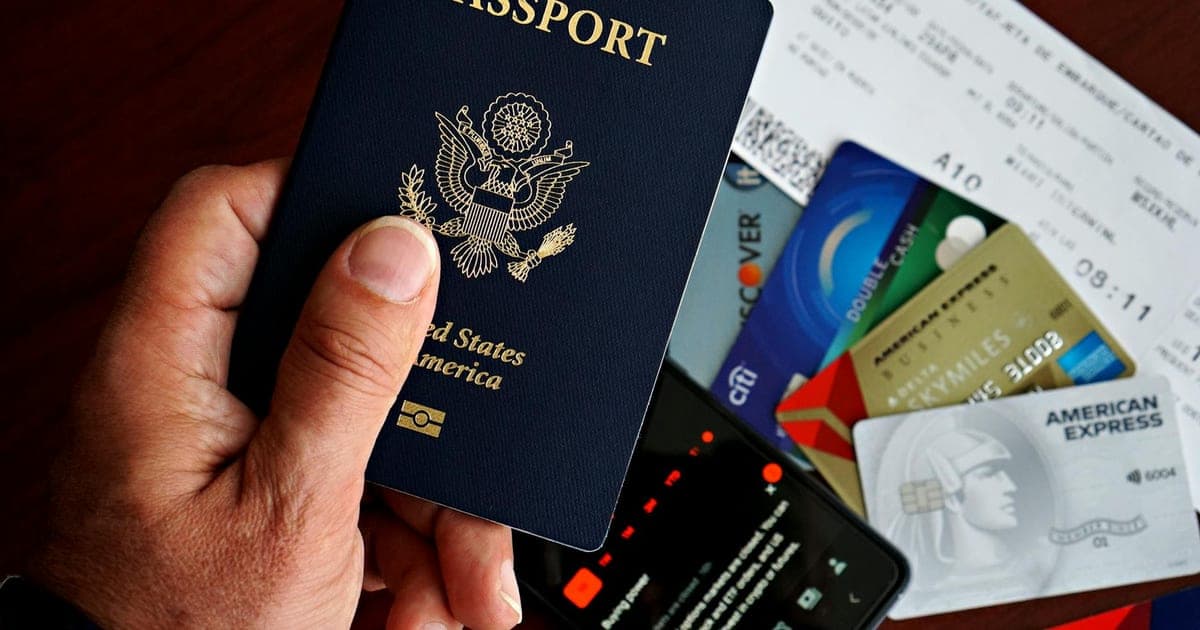
- Passport (with at least 6 months validity)
- Boarding pass (digital or printed)
- Travel visa / entry documents (if required)
- Wallet with ID, credit cards, and local currency
- Phone + charger
- Headphones / earbuds
- Portable power bank (must be in carry-on, not checked)
- One change of clothes (in case luggage is delayed)
- Prescription medications (in original containers)
- Travel insurance documents
- Pen (for customs and immigration forms)
- Eye mask and earplugs
- Reusable water bottle (empty through security, fill after)
- Snacks
- Entertainment (book, tablet, downloaded content)
- Neck pillow (for flights over 4 hours)
- Lip balm and hand cream (airplane cabins are brutally dry)
Why it matters: Airlines lose or delay roughly 7.4 bags per 1,000 passengers globally. If your checked bag goes missing for 24-48 hours, your carry-on essentials become your entire wardrobe and survival kit. Pack accordingly.
Clothing
Clothing is where most people overpack. The goal is versatile pieces that mix and match, not a fresh outfit for every day.
Base Clothing (Any Trip)
- Underwear (one per day + 1 extra)
- Socks (one per day + 1 extra)
- T-shirts / tops (3-5 depending on trip length)
- Pants / jeans (2 pairs)
- Shorts or skirt (1-2)
- Light jacket or hoodie
- Pajamas / sleepwear
- Comfortable walking shoes
- Flip-flops or sandals
- Belt
- One dressier outfit (for nicer restaurants or events)
Rule of Thumb for Trip Length
| Trip Length | Tops | Bottoms | Shoes | Outerwear |
|---|---|---|---|---|
| Weekend (2-3 days) | 3 | 1-2 | 2 | 1 |
| Short trip (4-7 days) | 4-5 | 2-3 | 2 | 1 |
| 1-2 weeks | 5-7 | 3-4 | 2-3 | 1-2 |
| 2+ weeks | 7 (plan to do laundry) | 3-4 | 2-3 | 1-2 |
For trips longer than a week, packing for one week and doing laundry is far more practical than packing for every day. Most hotels and hostels have laundry facilities, and a sink wash with quick-dry fabrics covers the rest.
Toiletries
Remember the 3-1-1 rule for carry-on: each container must be 3.4 oz (100 ml) or less, all containers fit in one quart-sized clear zip-top bag, and each passenger gets one bag.
- Toothbrush and toothpaste
- Deodorant
- Shampoo and conditioner (travel size)
- Body wash or soap
- Face cleanser and moisturizer
- Sunscreen (SPF 30+)
- Razor and shaving cream
- Hairbrush or comb
- Hair ties / clips
- Contact lenses + solution (if applicable)
- Makeup essentials (minimal travel set)
- Nail clippers
- Tweezers (allowed in carry-on)
- Tissues / wet wipes
- Menstrual products (if applicable)
Pro tip: Buy full-size toiletries at your destination for trips longer than 5 days. You will use them up, and it saves a surprising amount of carry-on space and weight.
Electronics
- Phone + charging cable
- Laptop / tablet + charger (if needed)
- Portable power bank (10,000-20,000 mAh recommended)
- Universal power adapter (for international travel)
- Headphones / earbuds
- Camera + memory cards + charger (if not using phone)
- E-reader (lighter than multiple books)
- Travel-size extension cord or multi-port USB charger
- Waterproof phone case or pouch
Important for 2026: All lithium batteries and power banks must be carried in your hand luggage. They are banned from checked bags on every airline. Spare batteries should have their terminals taped or be in a protective case.
Documents and Money
- Passport
- Visa / entry permit (if required)
- Driver's license or government ID
- Travel insurance policy (digital and printed)
- Hotel / accommodation confirmations
- Flight itinerary
- Car rental confirmation
- Copies of all important documents (stored separately from originals)
- Emergency contact list
- Credit card (notify your bank of travel dates)
- Debit card (for ATM withdrawals)
- Small amount of local currency
- International Student / Youth ID (if applicable)
Digital backup: Photograph or scan every document and email it to yourself. If you lose your physical copies, you can access everything from any device with internet.
First Aid and Health
- Prescription medications (with copies of prescriptions)
- Pain relievers (ibuprofen, acetaminophen)
- Anti-diarrhea medication
- Antihistamines (for allergies)
- Motion sickness medication
- Band-aids (assorted sizes)
- Antiseptic wipes or cream
- Insect repellent
- Blister pads (essential if you're walking a lot)
- Hydration salts / electrolyte packets
- Hand sanitizer
- Thermometer (compact digital)
- Any personal medical devices
For international travel, check if your destination requires specific vaccinations and schedule them 4-8 weeks before departure.
Trip-Type Add-Ons
This is where your packing list diverges based on what kind of trip you are actually taking. Start with the base list above, then add the relevant extras below.
Beach Vacation
- Swimsuits (2, so one can dry while you wear the other)
- Cover-up or sarong
- Wide-brim sun hat
- Sunglasses (polarized recommended)
- Reef-safe sunscreen (SPF 50+)
- Aloe vera gel (for sunburn)
- Waterproof phone pouch
- Beach towel (microfiber for packing light)
- Snorkeling gear (or plan to rent)
- Water shoes (for rocky beaches or coral)
- Lightweight evening outfit (for beachside dining)
- Dry bag for valuables on the sand
- Insulated water bottle
City Break
- Comfortable walking shoes (broken in, not new)
- Small crossbody bag or anti-theft daypack
- Umbrella or packable rain jacket
- Smart casual evening outfit
- Layering pieces (museums and churches are often cold inside)
- City map (offline maps downloaded on phone)
- Transit card or contactless payment ready
- Portable phone charger (you will use maps all day)
- Foldable tote bag for shopping
- Comfortable but presentable restaurant outfit
Adventure / Hiking
- Hiking boots (broken in, waterproof)
- Moisture-wicking base layers
- Quick-dry hiking pants
- Fleece or insulating mid-layer
- Waterproof shell jacket
- Hiking socks (merino wool, 2-3 pairs)
- Backpack rain cover
- Headlamp with extra batteries
- Trekking poles (collapsible for flights)
- Water purification tablets or filter
- Trail snacks and energy bars
- Multi-tool or Swiss army knife (checked bag only)
- First aid kit (expanded: blister kit, SAM splint, compression bandage)
- Sunglasses with strap
- Buff / neck gaiter
- Dry bags for electronics
Business Trip
- Blazer or sport coat (wear it on the plane to save space)
- Dress shirts / blouses (wrinkle-resistant fabric)
- Dress pants or skirt (2 pairs)
- Dress shoes
- Ties / accessories
- Laptop + charger + mouse
- Business cards
- Presentation clicker (if presenting)
- Garment bag or packing folder for formal wear
- Portable steamer or wrinkle release spray
- Breath mints
- Professional tote or briefcase
Cold Weather / Winter
- Insulated winter coat
- Thermal base layers (top and bottom)
- Fleece mid-layer
- Waterproof outer layer
- Warm hat (covers ears)
- Insulated gloves or mittens
- Scarf or neck warmer
- Warm socks (wool, 3-4 pairs)
- Waterproof insulated boots
- Hand warmers (disposable)
- Lip balm with SPF (cold wind and high altitude sun)
- Moisturizer (cold air is incredibly drying)
- Snow goggles or UV-protection sunglasses
- Balaclava or face covering (for extreme cold)
Airline Baggage Limits: Quick Reference
Knowing your airline's limits before you pack prevents surprises at check-in. Here are the 2026 standards for major carriers.
Carry-On Size Limits
| Airline | Max Carry-On Size | Weight Limit |
|---|---|---|
| American Airlines | 22 x 14 x 9 in (56 x 36 x 23 cm) | No official limit |
| Delta | 22 x 14 x 9 in (56 x 36 x 23 cm) | No official limit |
| United | 22 x 14 x 9 in (56 x 36 x 23 cm) | No official limit |
| Southwest | 24 x 16 x 10 in (61 x 41 x 25 cm) | No official limit |
| Ryanair | 21.7 x 15.7 x 7.9 in (55 x 40 x 20 cm) | 10 kg (22 lbs) |
| EasyJet | 22 x 14 x 9 in (56 x 36 x 23 cm) | No official limit |
| British Airways | 22 x 18 x 10 in (56 x 45 x 25 cm) | 23 kg (50 lbs) |
| Lufthansa | 21.6 x 15.7 x 9 in (55 x 40 x 23 cm) | 8 kg (17.6 lbs) |
| Emirates | 22 x 15 x 8 in (55 x 38 x 20 cm) | 7 kg (15 lbs) |
| ANA / JAL | 21.6 x 15.7 x 9.8 in (55 x 40 x 25 cm) | 10 kg (22 lbs) |
2026 update: Airlines are increasingly enforcing size limits with automated scanning gates. "It fit last time" is no longer a reliable strategy. Measure your bag with wheels and handles extended — those count.
Checked Bag Limits
Most airlines allow checked bags up to 50 lbs (23 kg) for economy class, with dimensions totaling no more than 62 linear inches (158 cm). Overweight fees typically range from $50 to $200 depending on the airline and route.
Packing Tips That Actually Save Space
Rolling vs. Folding vs. Bundling
There is no single right method. The best approach depends on the type of clothing.
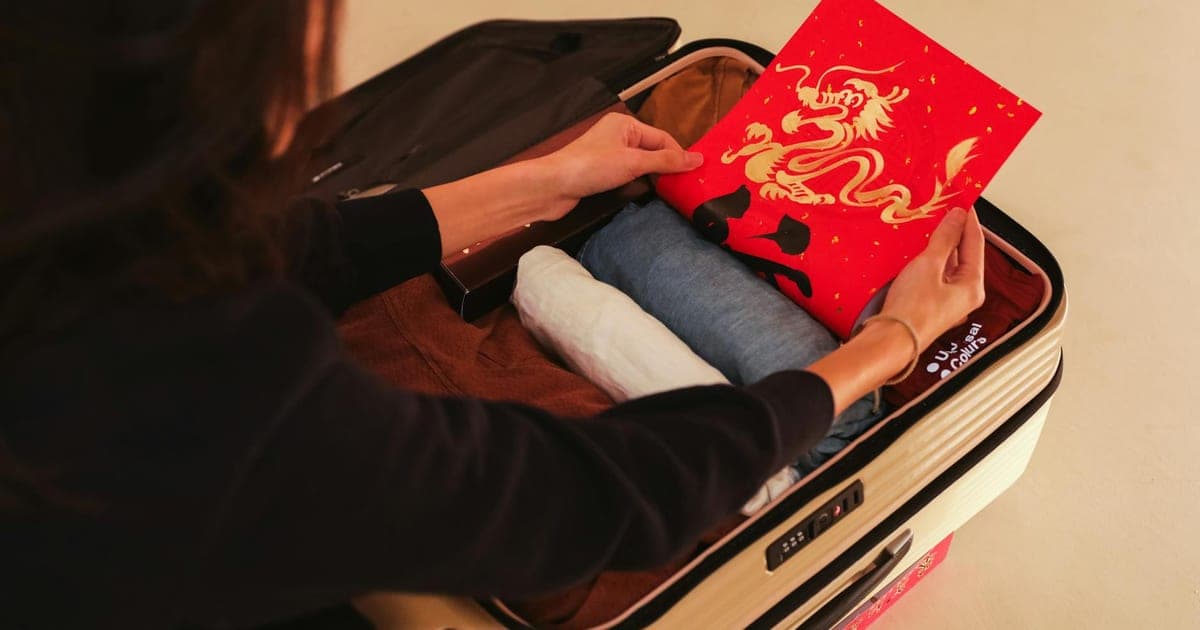
Rolling works best for: T-shirts, jeans, casual pants, activewear, underwear, socks. It minimizes wasted space between items and reduces wrinkles in casual fabrics.
Folding works best for: Dress shirts, blouses, slacks, blazers. Folding with tissue paper between layers prevents creasing along fold lines. Use a packing folder for structured garments.
Bundling is an advanced technique where you wrap garments around a central core object (like a packing cube full of small items). Each piece cushions the next, and nothing gets folded tightly enough to crease. Best for mixed wardrobes with both casual and formal wear.
Compression Bags and Packing Cubes
Packing cubes are for organization. They keep categories separated so you are not rummaging through everything to find socks. They add minimal compression.
Compression bags are for volume. They physically squeeze air out of bulky items like jackets, sweaters, and fleece. A puffy winter coat that takes up half a suitcase compresses down to the size of a large book.
Warning: Compression bags reduce volume but not weight. If you are flying an airline that weighs carry-ons (most European budget carriers), you can easily end up with a small bag that is over the weight limit because you compressed too much into it.
Carry-On Only Strategy
Traveling with just a carry-on is faster (no baggage claim), cheaper (no checked bag fees), and lower risk (no lost luggage). Here is how to make it work:
- Wear your bulkiest items on the plane. Heavy jacket, boots, and thick sweater go on your body, not in the bag.
- Choose a travel wardrobe in 2-3 base colors that all mix and match. Five tops and two bottoms create 10 outfits.
- Use quick-dry fabrics. Merino wool and synthetic blends can be washed in a sink and dried overnight.
- Minimize toiletries. Travel-size everything, or plan to buy at your destination.
- Digitize everything. Books on a Kindle, guides on your phone, boarding passes in your wallet app. Paper is weight.
- Ship ahead if needed. For specialty gear (ski equipment, diving gear), shipping to your hotel is often cheaper than airline sports equipment fees.
MonkeyTravel tip: When you plan a trip with MonkeyTravel's AI trip planner, it generates destination-specific packing suggestions based on the weather forecast for your exact travel dates. No more guessing whether you need a rain jacket in Lisbon in March.
The Pre-Departure Checklist
These are not packing items. They are the things you need to do before you leave the house.
- Notify bank and credit card companies of travel dates
- Set up an out-of-office email reply
- Arrange pet care / house sitting
- Hold or redirect mail
- Check passport expiration (6+ months validity)
- Confirm visa requirements for your destination
- Download offline maps for your destination
- Save emergency numbers (embassy, insurance, local emergency)
- Charge all devices to 100%
- Double-check flight times (airlines change schedules)
- Leave a copy of your itinerary with someone at home
- Lock all windows and doors
- Set timers on lights (security measure)
- Take out trash and perishable food
- Unplug unnecessary appliances
Frequently Asked Questions
How far in advance should I start packing?
Start laying out items 3-5 days before departure. This gives you time to identify anything missing, do laundry if needed, and make purchases without paying for rush shipping. Do the actual packing 1-2 days before. Packing weeks in advance leads to overpacking because you keep adding "just in case" items.
What should I absolutely NOT pack?
In carry-on: Liquids over 3.4 oz / 100 ml, sharp objects (knives, scissors with blades over 4 inches), lighters with fuel, and full-size aerosols. In any luggage: Fireworks, flammable liquids, hoverboards, and loose lithium batteries in checked bags. In general: Expensive jewelry you would be devastated to lose, irreplaceable items, and more than 2 pairs of shoes (they are the heaviest space-wasters in any suitcase).
How do I pack for multiple climates on one trip?
Layering is the answer. A base layer, mid-layer, and outer shell system covers temperatures from 5 to 25 degrees Celsius (40 to 77 degrees Fahrenheit). Choose neutral colors so everything works together. MonkeyTravel's AI planner is particularly useful for multi-city trips because it pulls weather data for each stop and adjusts packing recommendations accordingly.
Is it worth paying for checked luggage, or should I go carry-on only?
For trips under 10 days in moderate climates, carry-on only is almost always worth it. You save $30-70 in baggage fees each way, skip the baggage carousel, and eliminate the risk of lost luggage. For winter trips, adventure travel with specialized gear, or trips longer than two weeks, a checked bag usually makes more sense. The math changes if you are flying budget carriers that charge for carry-on weight but include a checked bag.
How do I keep my luggage organized during the trip?
Use packing cubes with a consistent system: one for tops, one for bottoms, one for underwear and socks, one for dirty laundry (a plastic bag works too). Unpack fully at each destination rather than living out of your suitcase. Repacking at the end is faster than digging through chaos for a week. Keep a small "daily carry" pouch with essentials (sunscreen, charger, snacks) that transfers between your day bag and main luggage.
Your Quick-Reference Packing Checklist
Use this condensed version as a final check before you zip up. Copy it, print it, or screenshot it.
| Category | Essentials |
|---|---|
| Documents | Passport, ID, insurance, flight/hotel confirmations, copies of everything |
| Money | Credit card, debit card, local currency, notify bank |
| Clothing | Tops (3-5), bottoms (2-3), underwear (daily+1), socks (daily+1), shoes (2), outerwear (1) |
| Toiletries | Toothbrush, toothpaste, deodorant, sunscreen, medications, skincare basics |
| Electronics | Phone, charger, power bank, adapter, headphones |
| Health | Prescriptions, pain relief, band-aids, hand sanitizer, insect repellent |
| Comfort | Eye mask, earplugs, neck pillow, refillable water bottle, snacks |
One thing to check before you trust any baggage table
Including this one.
Airline carry-on and checked limits change more often than published guides update, and low-cost carriers in particular adjust size rules and fees at short notice. The dimensions above are the standards as published, but the number that matters is the one on your specific airline's site for your specific fare class on the day you fly.
Two things that catch people out regardless of carrier:
- Fare class changes the allowance. Basic economy on several US carriers no longer includes a full-size carry-on, only a personal item. The airline is the same; the ticket is not.
- Automated sizing gates are now common. "It fit last time" stopped being a strategy when gate agents were replaced by scanners. Measure with wheels and handles extended, because those count.
Packing for wet season is a different list
If your trip lands in monsoon season anywhere in Asia, the standard list is not enough. Quick-dry fabrics stop being a nice-to-have, a dry bag for electronics becomes essential, and the shoes you pack matter more than anything else on the list.
Our guide to monsoon season: where to go and where to avoid covers which regions are genuinely risky versus merely wet, and what changes about travelling in them.
Pack Smarter, Travel Better
The best packing list is one you actually use. Bookmark this page and come back to it every time you travel. Over time, you will develop your own version — adding items you always need and removing ones you never touch.
And if you want packing suggestions tailored to your exact destination, dates, and activities, try MonkeyTravel. The AI trip planner analyzes real-time weather data and local conditions to recommend what to bring so nothing important gets left behind.
Now stop reading about packing and go pack. Your trip is waiting.
Related reading
- Monsoon season: where to go and where to avoid — wet-season packing and which regions to route around
- Where to go in November — post-monsoon Southeast Asia, and what the weather actually asks you to pack
- How to plan a multi-city trip — multi-city is the trip where packing light stops being advice and becomes structural
- International travel checklist — documents, visas and the pre-departure admin this list does not cover