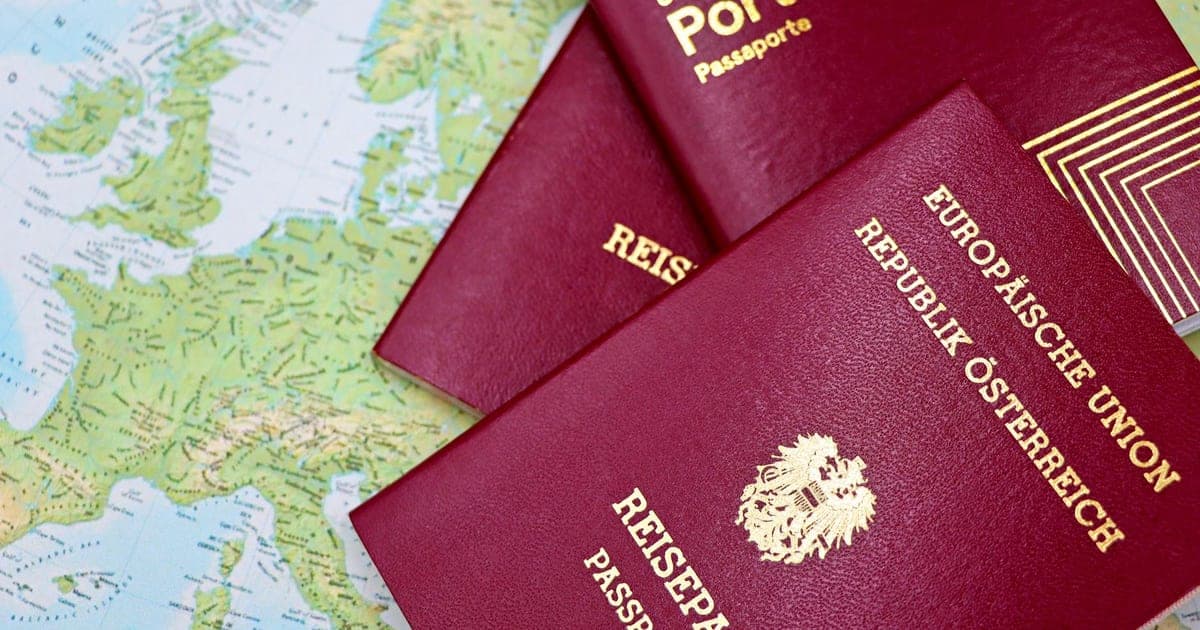
Few things shape your travel experience more than the passport you hold. Before you book flights, plan itineraries, or start packing, one question determines where you can actually go: how many countries let you in without a visa?
The difference is staggering. The world's most powerful passport unlocks 195 destinations visa-free. The weakest? Just 24. That gap of 171 countries is the largest ever recorded, and it continues to widen.
This guide breaks down visa-free access for the world's top 15 passports, explains the growing role of electronic travel authorizations, and gives you practical strategies for maximizing your travel freedom no matter which passport you carry.
The 2026 Passport Power Rankings
The Henley Passport Index, based on exclusive data from the International Air Transport Association (IATA), ranks every passport by the number of destinations their holders can access without a prior visa. Here are the top 15 passports for 2026:
| Rank | Country/Countries | Visa-Free Destinations |
|---|---|---|
| 1 | Singapore | 195 |
| 2 | Japan, South Korea | 188 |
| 3 | Denmark, Luxembourg, Spain, Sweden, Switzerland | 186 |
| 4 | Austria, Belgium, Finland, France, Germany, Greece, Ireland, Italy, Netherlands, Norway | 185 |
| 5 | Croatia, Czech Republic, Estonia, Malta, New Zealand, Poland | 183 |
| 6 | Australia, Latvia, Liechtenstein, United Kingdom | 182 |
| 7 | Canada, Iceland, Lithuania | 181 |
| 8 | Malaysia | 180 |
| 9 | United States | 179 |
| 10 | United Arab Emirates | 184 |
| 11 | Hungary, Slovakia, Slovenia | 184 |
Key Takeaways from the 2026 Rankings
Singapore dominates. For the second year running, Singapore sits alone at the top with 195 visa-free destinations out of 227 worldwide. That means Singaporean travelers can visit 86% of the world without applying for a visa in advance.
European passports cluster together. Ten EU countries share 4th place with 185 destinations each. The Schengen Area's collective bargaining power translates to nearly universal visa-free travel for EU citizens.
The UAE's meteoric rise. The most dramatic climb over the past two decades belongs to the United Arab Emirates, which added 149 visa-free destinations since 2006 and vaulted 57 places to its current ranking. It now outperforms many European passports.
The US has recovered. After slipping to 12th in 2025, the American passport climbed back to the top 10 with 179 destinations.
The mobility gap keeps growing. Afghanistan remains at the bottom with access to just 24 destinations, while Syria (29), Iraq (31), and Pakistan and Yemen (34) round out the weakest passports. The 171-destination gap between Singapore and Afghanistan is the largest ever recorded.
Visa-Free Destinations by Region
Not all regions are equally accessible. Here is a breakdown of which parts of the world are easiest and hardest to visit visa-free, regardless of your passport.
Easiest Regions for Visa-Free Travel
Southeast Asia is among the most welcoming regions. Countries like Thailand, Malaysia, Indonesia, Cambodia, and the Philippines offer visa-free or visa-on-arrival access to most passport holders. The ASEAN bloc's relatively open border policies make the region a favorite for international travelers.
Europe and the Schengen Area are widely accessible for citizens of developed nations. The 27 Schengen countries operate as a single border zone, meaning one entry grants access to all member states. Most passport holders from the Americas, East Asia, and Oceania can visit visa-free for up to 90 days within a 180-day period.
South America is surprisingly open. Many South American countries offer visa-free access to a wide range of nationalities. Argentina, Brazil, Chile, Colombia, Ecuador, and Peru are all visa-free for US, EU, and many Asian passport holders.
The Caribbean is built on tourism and generally offers easy entry. Most island nations provide visa-free stays of 30 to 90 days for visitors from North America, Europe, and many other regions.
Hardest Regions for Visa-Free Travel
Sub-Saharan Africa remains the most restrictive region overall. While destinations like South Africa, Kenya (which launched a visa-free plus e-TA regime in 2024), Seychelles, and Mauritius are accessible, many West and Central African nations require advance visas from almost all nationalities.
Central Asia presents challenges. Countries like Turkmenistan and Uzbekistan have historically required advance visas, though the region is slowly opening up. Kazakhstan and Kyrgyzstan now offer visa-free access to many passport holders.
The Middle East is mixed. The UAE, Qatar, and Oman are accessible, but Saudi Arabia, Yemen, and Iraq require visas from most travelers. Saudi Arabia has recently expanded its tourist visa program, signaling a shift.
Visa-Free vs. Visa-on-Arrival: What Travelers Need to Know
These two terms sound similar but have important practical differences that can affect your trip.
Visa-Free Entry
With visa-free entry, you simply present your valid passport at immigration and walk through. No application, no forms, no fees. The immigration officer checks your passport, stamps it, and you are in. This is the smoothest form of international entry.
What you need: A valid passport (usually with at least 6 months remaining), a return or onward ticket, and sometimes proof of accommodation or sufficient funds.
Visa-on-Arrival (VOA)
Visa-on-arrival requires you to obtain a visa at the port of entry. You land, go to a designated visa counter, fill out a form, possibly provide a passport photo, pay a fee, and wait for the visa to be issued before clearing immigration.
Key differences from visa-free:
- Cost. VOAs typically range from $15 to $100 depending on the country.
- Processing time. Expect 15 to 60 minutes at the visa counter, sometimes longer during peak hours.
- Denial risk. Unlike visa-free entry, a VOA can technically be denied, though this is rare if you meet the requirements.
- Limited entry points. Some countries only issue VOAs at select airports or border crossings — not at every point of entry. India, for example, only offers visa-on-arrival at certain airports.
Practical tip: Always carry two passport-sized photos, a pen, and local currency (usually US dollars) when planning to use visa-on-arrival, as some countries do not accept cards at visa counters.
Electronic Travel Authorizations: The New Normal
The travel landscape is shifting. "Visa-free" no longer always means "paperwork-free." A growing number of countries now require Electronic Travel Authorizations (ETAs) from travelers who previously needed nothing but a passport. By 2026, more than 36 destinations require ETAs.
What Is an ETA?
An ETA is a digital permission to travel. It is not a visa, but it is also not truly visa-free. You apply online before your trip, pay a small fee, and receive authorization (usually within minutes or hours). Without it, you may be denied boarding.
Current ETA Systems (2026)
United Kingdom ETA: Since April 2025, the UK requires an ETA from visa-exempt travelers. As of February 25, 2026, the ETA is strictly mandatory. It costs 16 GBP (about $22 USD), is valid for two years, and allows multiple entries for short stays.
Canada ETA: One of the original ETA systems, Canada has required an Electronic Travel Authorization since 2016 for visa-exempt air travelers. It costs $7 CAD and is valid for up to 5 years.
Australia ETA (subclass 601): Australia's ETA system has been running for over two decades. It allows multiple entries for stays of up to 3 months and costs $20 AUD.
EU ETIAS (Coming Late 2026): The European Travel Information and Authorization System is expected to launch in late 2026. It will apply to nationals of visa-exempt countries (including US, UK, Canadian, and Australian citizens). ETIAS will cost 7 EUR, be valid for 3 years, and allow stays of up to 90 days within any 180-day period in the Schengen Area.
ETA vs. Visa: The Key Differences
| Feature | ETA | Traditional Visa |
|---|---|---|
| Application | Online, minutes | Embassy/consulate, days to weeks |
| Cost | $7-$22 | $50-$200+ |
| Processing time | Minutes to hours | Days to months |
| Documents needed | Passport details only | Financial proof, invitation letters, interviews |
| Validity | 1-5 years | Varies widely |
Bottom line: ETAs are fast and cheap, but they add a step that travelers must remember. Always check ETA requirements before booking flights, as airlines will verify your authorization before boarding.
Digital Nomad Visas: An Alternative Path
If visa-free access to your desired destination is limited or the standard tourist stay is too short, digital nomad visas offer an increasingly popular alternative.
Over 50 countries now offer dedicated visas for remote workers, a number that has grown rapidly since 2020. These visas typically allow stays of 6 to 24 months and are separate from tourist visa limits.
Top Digital Nomad Visa Destinations in 2026
Spain ranks first in the 2025 Global Digital Nomad Report and remains one of the best options in 2026. Strong public transport, high-quality healthcare, excellent urban safety, and a clear legal framework make it a standout.
Portugal continues to attract digital nomads with its D8 visa, which can be combined with long-term residence prospects. Mild climate, affordable cost of living (outside Lisbon), and a welcoming expat community keep it near the top.
Japan introduced a digital nomad visa that allows remote workers and their families to live and work in the country for six months.
South Korea is rapidly rising as a digital nomad hub with excellent infrastructure and connectivity.
Budget-friendly options include Colombia ($900-$1,200/month minimum income), Ecuador ($1,300/month), Mauritius ($1,500/month), and Brazil ($1,500/month). Most European options require $2,000 to $3,500/month in proven income.
MonkeyTravel's AI trip planner can help you explore these digital nomad destinations by generating detailed itineraries that account for coworking spaces, long-term accommodation, and local experiences tailored to extended stays.
How to Check Visa Requirements for Your Specific Passport
With so many variables at play, checking your specific situation before every trip is essential.
Reliable Online Tools
-
IATA Travel Centre (iatatravelcentre.com) — The gold standard. Airlines use this database to verify passenger documentation. Enter your nationality, destination, and transit countries for accurate results.
-
Passport Index (passportindex.org) — Visual, user-friendly tool that shows visa-free, VOA, and visa-required destinations on a world map for any passport.
-
Official Government Websites — Always verify with the destination country's embassy or immigration department website for the most current requirements.
-
Airline Websites — Most airlines have a visa checker tool during the booking process. These are tied to IATA data and are generally reliable.
What to Check Beyond the Visa
- Passport validity. Many countries require your passport to be valid for 6 months beyond your planned stay. Some Schengen countries require 3 months beyond your exit date.
- Blank pages. Some countries require 1 to 2 blank pages for entry stamps.
- Proof of onward travel. Even visa-free destinations may require proof that you are leaving (a return ticket or onward booking).
- Travel insurance. Certain countries and regions (including the Schengen Area) require proof of travel insurance as a condition of entry.
- Vaccination requirements. Some countries require proof of Yellow Fever vaccination or other immunizations.
MonkeyTravel's AI trip planner automatically flags visa requirements and travel document considerations when you build your itinerary, helping you avoid surprises at the airport.
8 Tips for Maximizing Your Visa-Free Travel
Whether you hold a powerful passport or one with limited visa-free access, these strategies will help you travel more freely.
1. Plan Routes Around Visa-Free Clusters
Group visa-free destinations by region and build multi-country itineraries. Southeast Asia, South America, and Europe all offer clusters of countries you can visit without visas on a single trip.
2. Use Transit Visa Exemptions
Many countries offer transit visa exemptions for layovers of 24 to 72 hours. China offers 72-hour and 144-hour transit visa-free stays in major cities. This turns a layover into a mini-trip.
3. Apply for ETAs Before Booking
Do not wait until the last minute. Apply for ETAs as soon as you finalize your destination. Processing is usually fast, but rare delays or denials can disrupt your plans if left to the final days.
4. Keep Your Passport in Top Shape
Renew your passport well before it expires (ideally when it has 12 months left). Ensure you have enough blank pages for stamps. Some countries will deny entry with a damaged passport, even if it is still technically valid.
5. Consider Second Citizenship or Residency
For frequent travelers from countries with limited visa-free access, investment migration programs can provide a second passport with broader access. Countries like Portugal, Malta, and several Caribbean nations offer such programs.
6. Leverage Bilateral Agreements
Stay informed about new visa-free agreements. Countries regularly sign new bilateral deals. China, for example, extended visa-free entry for citizens of 46 countries through the end of 2026, and new agreements are being signed regularly.
7. Use E-Visa Systems When Available
When visa-free entry is not available, check whether the destination offers an e-visa. E-visas are processed online and are significantly easier than traditional embassy applications. Countries like India, Turkey, Kenya, and Vietnam have well-established e-visa systems.
8. Build Flexible Itineraries
Use tools like MonkeyTravel's AI trip planner to build itineraries that can be adjusted based on visa requirements. The AI considers travel documents and entry requirements as part of its planning, making it easier to pivot between destinations if visa issues arise.
Heading to Europe? ETIAS has slipped to 2027 and now costs EUR 20, not the EUR 7 still quoted everywhere.
Frequently Asked Questions
How many countries can a US passport visit visa-free?
As of 2026, a US passport provides visa-free or visa-on-arrival access to 179 destinations worldwide. The US ranks 9th on the Henley Passport Index, giving Americans access to roughly 79% of the world's travel destinations without needing to apply for a visa in advance. However, Americans will soon need an ETIAS authorization for Schengen Area travel when the system launches in late 2026.
What is the most powerful passport in the world in 2026?
Singapore holds the top spot with access to 195 out of 227 destinations visa-free. Japan and South Korea follow in joint second place with 188 destinations each. The top positions have been dominated by Asian and European passports for the past several years.
Is visa-on-arrival the same as visa-free?
No. Visa-free means you present your passport and enter the country with no additional steps, forms, or fees. Visa-on-arrival requires you to apply for a visa at the airport or border crossing upon arrival, which typically involves filling out forms, providing photos, paying a fee ($15 to $100), and waiting in a separate queue. While more convenient than a traditional embassy visa, VOA still involves paperwork, cost, and a small risk of denial.
Do I need an ETA if my country has visa-free access?
Increasingly, yes. ETAs are being introduced by countries that previously required nothing from visa-exempt travelers. The UK, Canada, Australia, New Zealand, and soon the entire EU (via ETIAS) all require or will require ETAs from travelers who are technically visa-free. An ETA is not a visa, but you cannot travel without one where it is required. Always check before booking.
How can I check if I need a visa for a specific country?
The most reliable source is the IATA Travel Centre, which airlines themselves use to verify passenger documentation. You can also use Passport Index (passportindex.org) for a visual overview, or check the official embassy website of your destination country. When using MonkeyTravel's AI trip planner, the system automatically alerts you to visa and documentation requirements for your selected destinations, reducing the risk of missing a requirement.
The Bottom Line
Your passport determines the starting point of your travel freedom, but it does not have to limit your ambitions. Understanding visa-free access, ETAs, visa-on-arrival options, and digital nomad visas gives you a complete toolkit for navigating international travel in 2026.
The landscape is shifting faster than ever. ETAs are replacing simple visa-free entry, new bilateral agreements are being signed, and digital nomad visas are opening doors that tourist visas cannot. Stay informed, plan ahead, and use smart tools to make the most of every trip.
Whether you hold a passport that opens 195 doors or 24, the world is still waiting to be explored. Start planning your next visa-free adventure today.