July is the year's great collision: the warmest, longest-day month of the northern summer and the month Europe and North America go on holiday, so the Mediterranean and the famous cities are at their most crowded and expensive exactly when they are hottest. Recent Julys have brought 40°C-plus heat waves to Spain, Italy and Greece, and the monsoon has most of India and mainland Southeast Asia under rain.
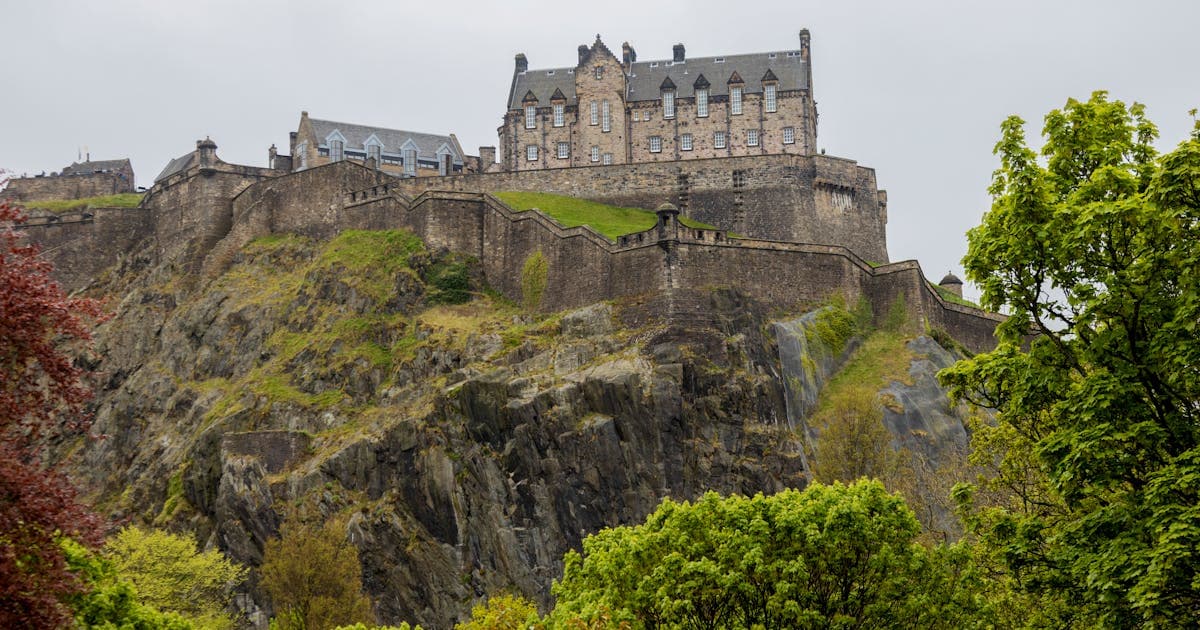
Yet July is packed with fixed dates worth building a trip around. San Fermín runs 6–14 July, Naadam opens on the 11th, Kyoto's Gion Matsuri processions roll on 17 and 24 July, and in 2027 the Tour de France starts in Edinburgh on Friday 2 July. South of the equator it is dry season, so the Mara crossings, the Great Barrier Reef and the Andes all peak now. Twelve places where July is the point, with the dates that matter.
Quick-Pick Comparison: 12 July Destinations
| Destination | Why July | Daily budget (mid-range, pp) | Crowds |
|---|---|---|---|
| Masai Mara, Kenya | River crossings begin | $500–900 | High |
| Pamplona & the Basque coast | San Fermín, 6–14 July | $110–170 | Extreme (San Fermín) |
| Mongolia | Naadam, 11–13 July | $70–120 | High (Naadam week) |
| Kyoto & Mount Fuji, Japan | Gion Matsuri, Fuji season | $140–210 | Very high |
| Lofoten, Norway | Midnight sun, warmest weeks | $190–280 | High |
| Calgary & the Canadian Rockies | Stampede, thawed lakes | $160–240 | Very high |
| Provence, France | Lavender in bloom | $120–180 | High |
| Ladakh, India | Dry while India gets the monsoon | $45–80 | Moderate–high |
| Peru (Cusco & Machu Picchu) | Dry season, clear skies | $80–130 | High |
| Great Barrier Reef, Australia | Dry season, minke whales | $150–230 | Moderate–high |
| Lençóis Maranhenses, Brazil | Lagoons at their fullest | $60–100 | High |
| Georgia's Caucasus | Alpine trails, half the price | $40–70 | Moderate |
1. Masai Mara, Kenya — The River Crossings Begin
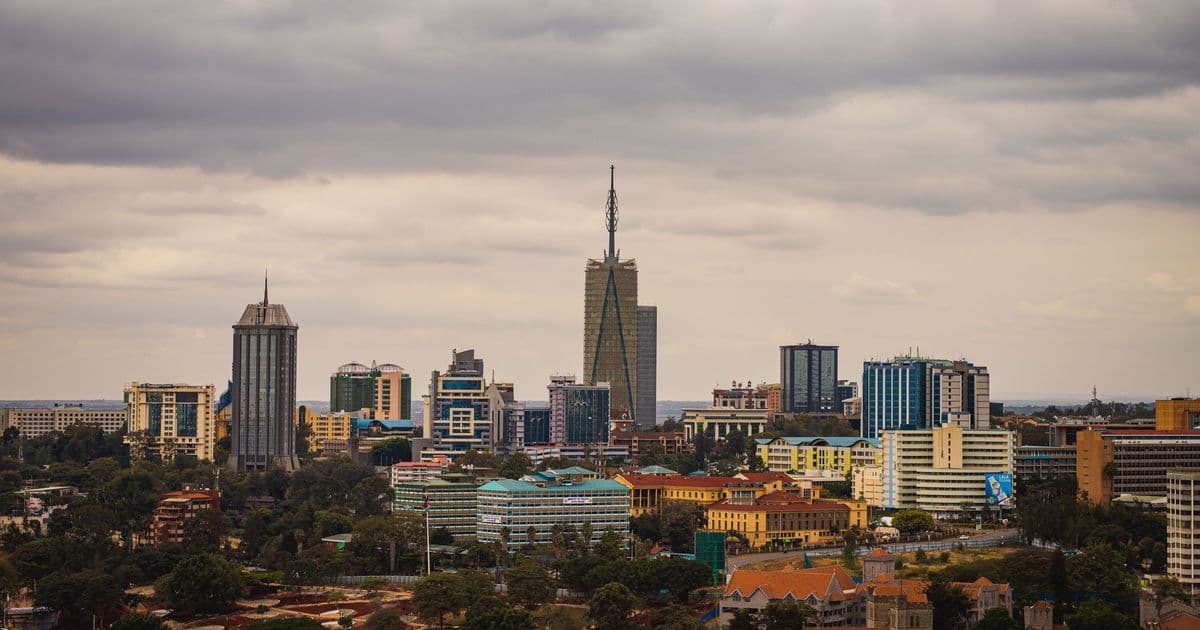
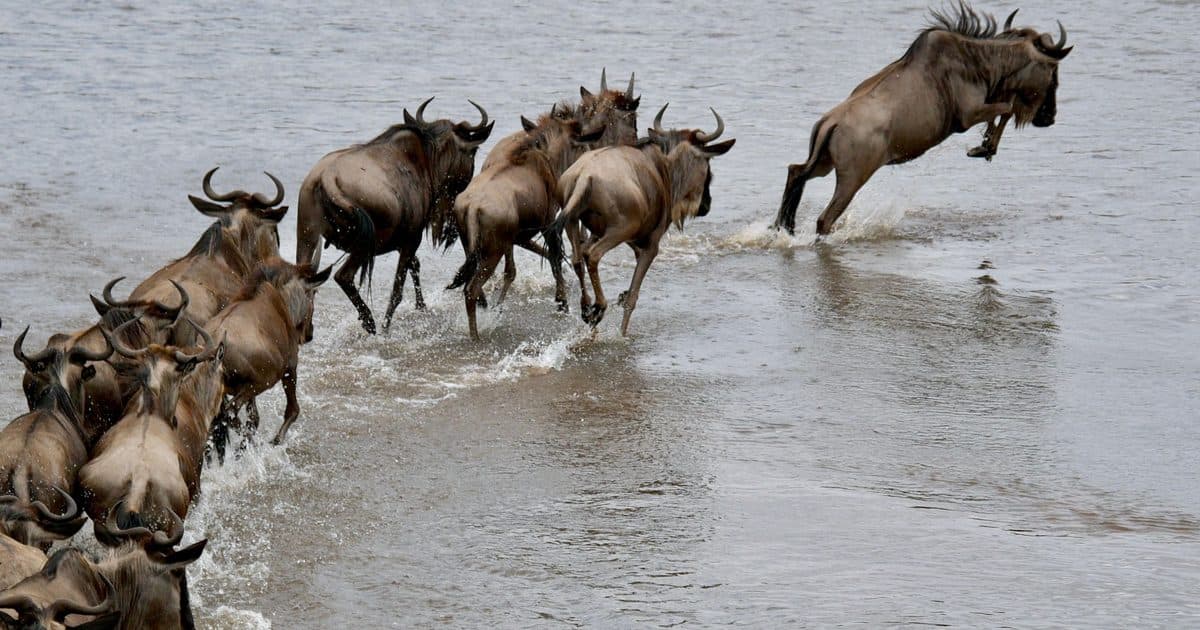
July is when the wildebeest and zebra herds pour north from Tanzania's Serengeti into Kenya's Masai Mara, and the Mara River crossings — the crocodile-lined scramble that defines the Great Migration — begin. They run into October; our Great Migration guide tracks the herds month by month. It is also Kenya's cool dry season: crisp mornings, afternoons in the mid-20s°C, short grass and easy-to-spot predators. Nairobi is at its most pleasant too — worth a day for the national park on the city's edge.
Cost reality: $500–900/day in a mid-range tented camp with game drives — and the reserve's entry fee for non-resident adults doubles from $100 to $200 a day from July. The trade-off: crossings cannot be booked. Herds mass on the bank for days, then cross out of sight, and in early July many are still in Tanzania. Allow three full days; if a crossing is the only goal, August and September usually bring more.
2. Pamplona & the Basque Coast — San Fermín, Then the Sea
San Fermín starts at noon on 6 July with the chupinazo rocket from Pamplona's town hall balcony and ends at midnight on the 14th. From 7 to 14 July the encierro runs every morning at 8:00 — 848 metres of narrow street in about three minutes — and the city in white and red barely sleeps. Then head for the coast: San Sebastián, an hour north, is typically 22–25°C while Seville bakes, with beaches in town and Spain's best pintxos bars.
Cost reality: $110–170/day on the Basque coast; Pamplona rooms during the fiesta cost far more and sell out months ahead. The trade-off: the fiesta is all-or-nothing — loud, packed and expensive for nine days, and the bull run injures runners every year. Watch from a rented balcony, and sleep in San Sebastián to save.
3. Mongolia — Naadam on the Steppe
Naadam is celebrated every year from 11 to 13 July: Mongolia's national festival of wrestling, horse racing and archery. Ulaanbaatar's opening ceremony at the National Sports Stadium is the big-ticket version; the horse races, ridden by child jockeys, run across the open steppe outside the city. July is also prime time for the countryside: green grassland, mild nights in a ger camp, and passable tracks to Terelj, Khustai and the Orkhon Valley.
Cost reality: $70–120/day outside festival week, with a driver-guide as the biggest line; Ulaanbaatar's hotels and flights reprice hard for Naadam. The trade-off: July is one of Mongolia's wettest months, so expect storms and muddy tracks. Naadam week in the capital is crowded and expensive — a small-town soum naadam gives you the same games at human scale.
4. Kyoto & Mount Fuji, Japan — Gion Matsuri and the Climbing Season
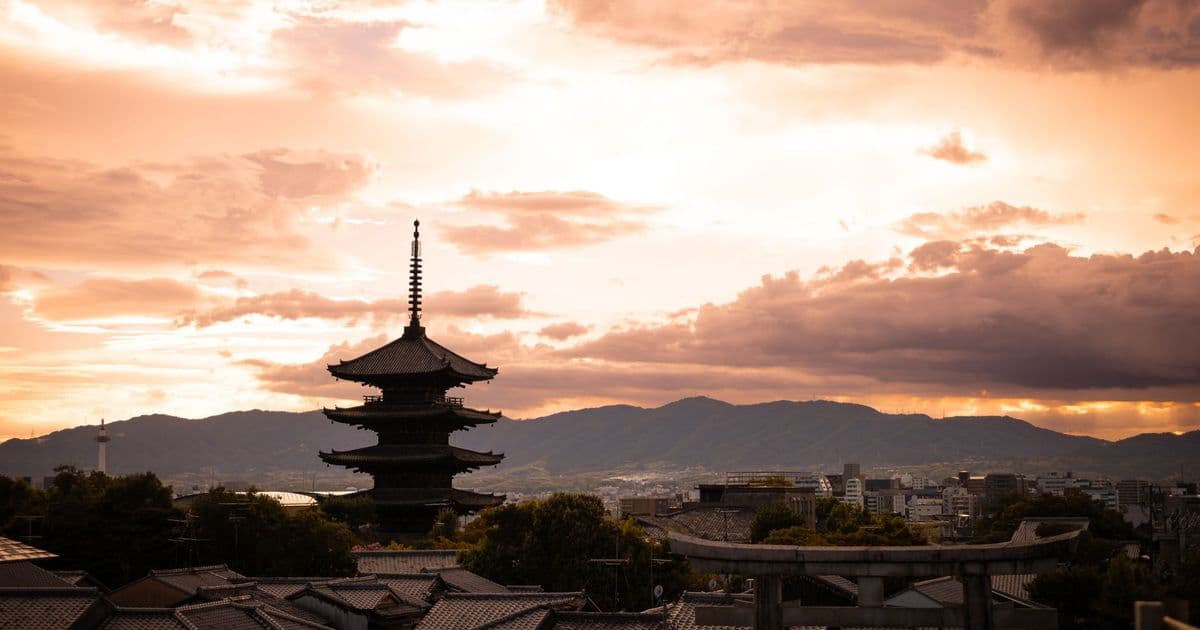
Kyoto's Gion Matsuri fills all of July, and its two float processions, the Yamahoko Junko, roll through downtown on 17 and 24 July — both Saturdays in 2027. The evenings before them (14–16 and 21–23 July) are the highlight: streets closed to traffic, floats lit with lanterns, food stalls everywhere. July also opens Mount Fuji's climbing season. The 2027 dates are set in spring; in 2026 the Yoshida and Subashiri trails opened on 1 July, Fujinomiya and Gotemba on 10 July, all closing on 10 September.
Cost reality: $140–210/day — Kyoto hotels spike around both procession weekends, and Fuji's ¥4,000 climbing fee applies on every trail. The trade-off: Kyoto in July typically reaches 33°C with heavy humidity. On Fuji, the Yoshida Trail caps climbers at 4,000 a day and, like the Shizuoka-side trails, bars entry from 2pm to 3am without a hut booking — so a summit sunrise now means reserving a hut.
5. Lofoten, Norway — The Last Weeks of Midnight Sun
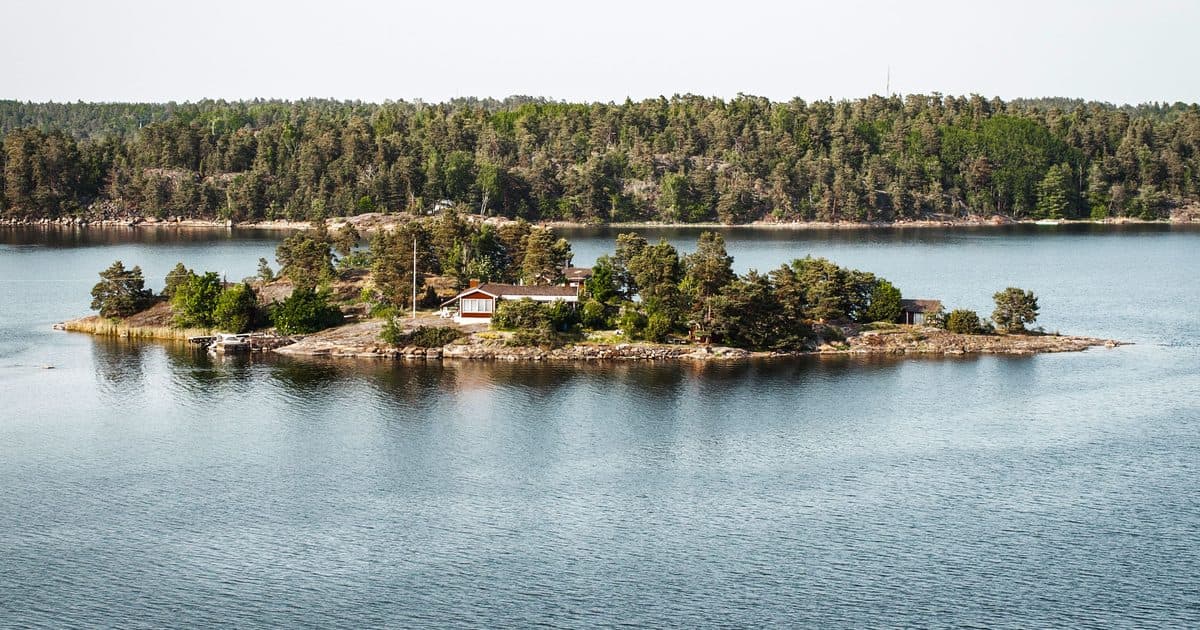
Lofoten in July is the Arctic at its kindest: granite peaks rising from the sea, white-sand beaches, red fishermen's cabins and light that never quite ends. The midnight sun lasts into mid-July — to around 17 July at Kvalvika beach, a few days longer on the northern shores — and the nights stay bright after that. It is the warmest month too, typically 13–17°C. Our midnight sun guide covers the rest of the Arctic.
Cost reality: $190–280/day — Norway is expensive in any month, and a rorbu cabin is the biggest single line. The trade-off: Reine and Hamnøy are jammed, cabins sell out by spring, and the Bodø–Moskenes car ferry is the bottleneck of the trip. Book early, base yourself on Vestvågøy, and treat rain as part of the deal.
6. Calgary & the Canadian Rockies — Stampede, Then the Lakes
The Calgary Stampede runs 9–18 July 2027: rodeo, chuckwagon races, pancake breakfasts and a whole city in cowboy hats. Ninety minutes west, Banff and Lake Louise are at their best — lakes thawed and turquoise, high trails clear of snow, long evenings on the Icefields Parkway. Moraine Lake is closed to private vehicles year-round: you reach it by Parks Canada shuttle, and a reservation is required.
Cost reality: $160–240/day — Banff hotels hit their annual high; Canmore, just outside the park, is the usual saving. The trade-off: the Rockies in July are booked out, and in a dry summer wildfire smoke can haze the views for days. Book shuttle seats and lodging early, and keep Yoho and Kootenay, quieter parks next door, as a backup.
7. Provence, France — Lavender Before the Harvest
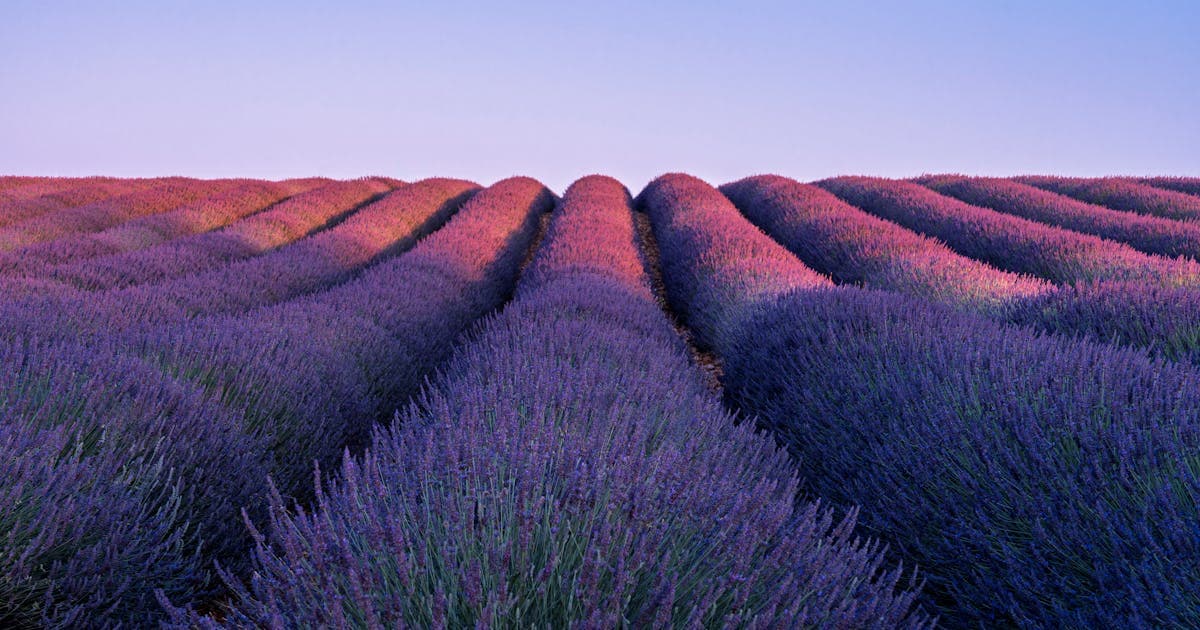
Lavender starts flowering in mid-June around Valensole and Apt and lasts until the end of July on the high plateau around Sault, so early July is when the most fields bloom at once: purple rows to the horizon, Sénanque Abbey framed in flowers. July also brings the Festival d'Avignon (2027 dates not yet announced) and Bastille Day on Wednesday 14 July, with fireworks in nearly every town.
Cost reality: $120–180/day; a car is essential, and Luberon villages are cheaper bases than Avignon during the festival. The trade-off: the heat — mid-30s°C most afternoons — and a bloom that moves. Growers harvest from mid-July, earlier after a hot, dry spell, so the low fields around Valensole can be stubble by the last week. Go early in the month, at sunrise, and head up to Sault if you are late.
8. Ladakh, India — High Passes Under Dry Skies
While the monsoon soaks most of India, Ladakh sits in the Himalaya's rain shadow and stays dry and bright: around 25°C by day in Leh, cool nights, high passes open. It is the classic July escape — the monasteries at Thiksey and Hemis, the Nubra Valley beyond Khardung La, the shifting blues of Pangong Tso. Nubra, Pangong and Tso Moriri need permits, arranged online or through a Leh agency.
Cost reality: $45–80/day — guesthouses and shared jeeps are cheap; July flights into Leh are not. The trade-off: Leh sits at about 3,500m, and flying straight in is a genuine altitude risk — plan two quiet days before going higher. The roads from Manali and Srinagar are long and rough, and rain beyond the mountains can trigger landslides that close them.
9. Peru — The Andes in the Dry Season
July is the heart of the Andean dry season: cloudless days around 20°C in Cusco, nights near freezing, and the year's clearest views over the Sacred Valley and Machu Picchu. It is the best month for the Inca Trail, Salkantay and Rainbow Mountain, which vanish into cloud in the wet months.
Cost reality: $80–130/day plus Machu Picchu — the train costs far more than the entry ticket (S/ 64, about $19, in 2026). The trade-off: this is peak season. In 2026, peak dates (19 June to 2 November) raised Machu Picchu's daily cap to 5,600 visitors, with tickets sold only on the Ministry of Culture's official site, and Inca Trail permits sell out months ahead. Avoid 28–29 July if you can: Fiestas Patrias, Peru's national holidays, are when the whole country travels.
10. The Great Barrier Reef, Australia — Dry Season and Minke Whales
Tropical North Queensland's dry season runs through the southern winter: in July, days around 26°C, low humidity, little rain and clear water over the reef, outside the usual November–May stinger season. In June and July, dwarf minke whales gather on the Ribbon Reefs between Port Douglas and Lizard Island, and a few specially licensed liveaboards from Cairns run swims: you hold a rope line while the whales decide how close to come.
Cost reality: $150–230/day in Cairns or Port Douglas; minke liveaboards cost considerably more. The trade-off: the water is at its coolest, around 23°C, so bring a wetsuit, and the month starts inside Queensland's winter school holidays — 26 June to 11 July in 2027 — when prices and dive bookings peak. The second half of July is calmer.
11. Lençóis Maranhenses, Brazil — The Lagoons Are Full
For a few months a year, the white dunes of Lençóis Maranhenses fill with clear lagoons — no rivers in or out, just the rain of the first half of the year trapped between the dunes, gone again in the dry season. UNESCO made the park a World Heritage Site in 2024, and July is when it looks like the photographs: rains over, lagoons near their fullest, hot days for swimming. Base yourself in Barreirinhas for Lagoa Azul and Lagoa Bonita, or in Atins, where the dunes meet the sea.
Cost reality: $60–100/day; 4x4 tours into the dunes are inexpensive and easy to book locally. The trade-off: July is Brazil's winter school holiday, so Barreirinhas fills up. And the lagoons are only as full as the rainy season was generous — check recent reports before you book.
12. Georgia's Caucasus — Alpine Trails at Half the Price
Tbilisi in July is hot, but Georgia's summer is in the mountains. In Svaneti, the four-day Mestia–Ushguli trek links stone-towered villages under the highest peaks of the Caucasus, with a family guesthouse each night; in Kazbegi, Gergeti Trinity Church sits above Stepantsminda beneath Mount Kazbek. July is when the high trails are reliably clear of snow. Our cheapest destinations in Europe guide explains why Tbilisi makes that list.
Cost reality: $40–70/day — guesthouse rooms with dinner included, at less than half what the same week costs in the Alps. The trade-off: infrastructure is basic. Mountain roads are slow, Mestia is a long day's drive from Tbilisi, and July is the trek's busiest month. Start early — afternoon thunderstorms are common.
Practical Tips for July Travel
- Go north, go up, or go early. In a heat wave, a southern city is a wasted holiday. Pick the coast, the Arctic or the mountains — or see southern cities at 7am and after dark.
- Book the bed before the flight. San Fermín, Naadam, the Gion weekends and the Stampede reprice their host cities months out; Mara camps, Lofoten cabins and Rockies lodges fill regardless.
- The monsoon splits Asia in two. India's west coast, Thailand's Andaman side and most of mainland Southeast Asia are wet; Ladakh and Bali are not. Our monsoon guide maps the calendar.
- Below the equator, July is dry season. East Africa, the Andes and Queensland's tropical north are at their driest — hence the safari, trekking and reef picks.
- Compare the months either side. June has the same long days before school holidays push prices up; August covers alpine valleys and dry-season islands that work just as well in late July.
Plan Your July Trip in 30 Seconds
Pick a destination above, and build a day-by-day July itinerary with real places, opening hours and a budget — free, no account needed to see it.
Frequently Asked Questions (FAQ)
Where is the best place to go in July 2027?
For one spectacle, the Masai Mara as the crossings begin. For a festival, San Fermín (6–14 July), Naadam (11–13 July) or Kyoto's Gion Matsuri (17 and 24 July). To escape the heat, Lofoten, the Canadian Rockies or Georgia's mountains. For value, Ladakh and Georgia: serious mountains for under $80 a day.
What are the big events in July 2027?
Wimbledon runs 28 June–11 July, and the Tour de France starts in Edinburgh on Friday 2 July, its first three stages crossing Scotland, England and Wales. The Montreux Jazz Festival runs 2–17 July, Siena's Palio is on 2 July, San Fermín fills Pamplona 6–14 July and the Calgary Stampede runs 9–18 July. Naadam opens on 11 July, Bastille Day falls on Wednesday 14 July, and the Gion Matsuri processions are on Saturdays 17 and 24 July.
Where is it cool in July?
Reliably cool: Lofoten at 13–17°C and the high Rockies. Warm rather than hot: the Basque coast and Georgia's mountain valleys in the low-to-mid 20s°C, and Ladakh around 25°C by day. In the Andes it is winter and in Kenya the cool season, so Cusco and the Mara are genuinely cold at dawn.
Which destinations should I avoid in July?
Southern Europe's inland cities — Seville, Rome, Athens — in a heat wave. India's west coast, Thailand's Andaman side and most of mainland Southeast Asia, all mid-monsoon. The Gulf states and Egypt, where afternoons run well above 40°C. And Tokyo or Kyoto purely for sightseeing: without the Gion Matsuri, July is one of Japan's hardest months.
How to read the numbers: temperatures are typical monthly averages for each destination, not forecasts — individual days vary widely. Daily budgets are mid-range, per-person editorial estimates covering accommodation, food, local transport and activities; they are a planning guide, not surveyed data, and move with season, booking window and exchange rate. Festival and season dates are sourced below and were verified for 2027; where a date was not yet announced, we say so.
Sources: Spain.info, UNESCO — Naadam, Kyoto Travel, Mt. Fuji (Yoshida), Mt. Fuji (Shizuoka), Visit Lofoten, Calgary Stampede, Parks Canada, Routes de la Lavande, Business Daily Africa, Leh permits, Andina, Australian Geographic, Queensland Education, UNESCO — Lençóis, Midlothian Council, Wimbledon, Montreux Jazz Festival.