 Marrocos
Marrakech
Riads, souks e magia saariana
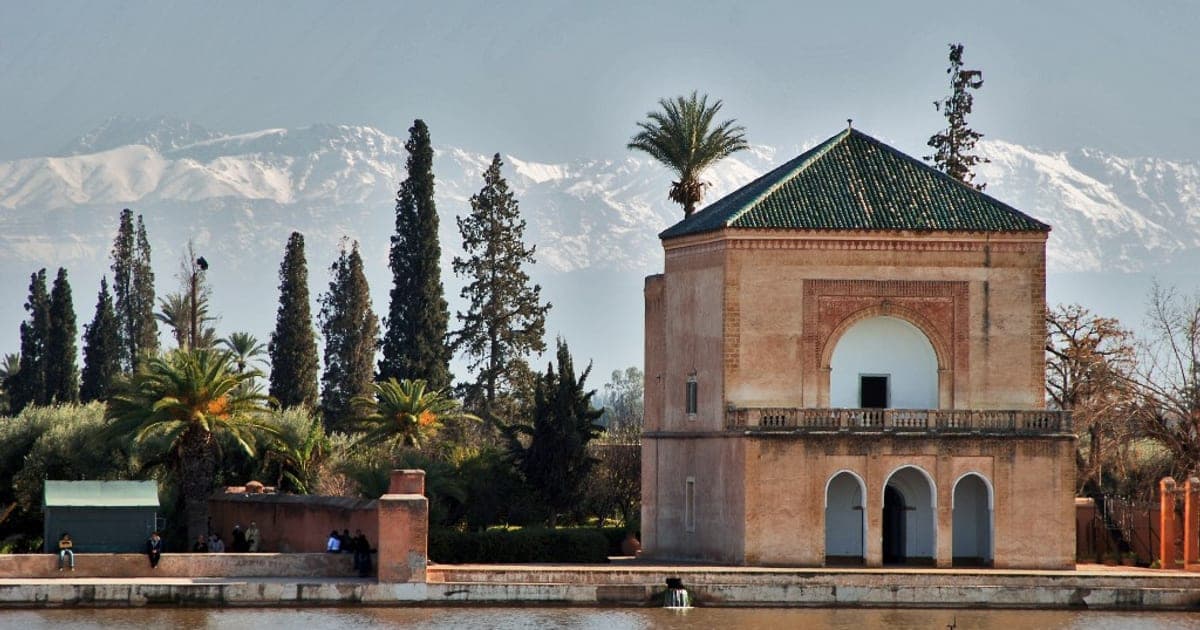
Marrakech impressiona da melhor maneira possível — a medina, patrimônio da UNESCO, é um labirinto de mais de 600 derbs (vielas) onde caldeireiros, curtidores de couro e mercadores de especiarias trabalham nas mesmas bancas há gerações, enquanto, a cada esquina, uma porta de cedro entalhado se abre para o pátio azulejado de um riad, com uma laranjeira e uma piscina. A praça Jemaa el-Fna é o coração pulsante da cidade: de dia são encantadores de serpentes, artistas de hena e suco de laranja espremido na hora (4 MAD/US$ 0,40); à noite, ela se transforma em uma praça de alimentação a céu aberto, com mais de 100 barracas servindo sopa harira, merguez na brasa e cabeça de carneiro. Para além das muralhas da medina, o Jardin Majorelle (70 MAD) deslumbra com a villa azul-cobalto de Yves Saint Laurent entre cactos e buganvílias, e o Palácio Bahia (70 MAD) exibe os mais finos azulejos zellige e tetos de cedro pintado de Marrocos. Um petit taxi para qualquer lugar da cidade custa 10-20 MAD (US$ 1-2) — insista para que o motorista use o taxímetro. Deixe a AI mapear as joias escondidas da medina, os terraços e os bate-voltas às Montanhas do Atlas em um roteiro que captura o caos inebriante de Marrakech sem você se perder.
Melhor Época para Visitar Marrakech
Clima, movimento e estações mês a mês em Marrakech
Primavera
Clima perfeito para explorar os souks e os jardins. Amendoeiras e laranjeiras em flor. Temperaturas ideais para bate-voltas às Montanhas do Atlas.
Verão
O calor extremo (mais de 37 °C) dificulta a exploração ao meio-dia. Recomendam-se atividades de manhã cedo e no fim da tarde. Hora de relaxar na piscina e no riad.
Outono
O calor cede e a medina ganha vida. Temporada da colheita de tâmaras. Outubro-novembro oferecem condições ideais para souks, palácios e jardins.
Inverno
Dias amenos e noites frescas — perfeito para a praça Jemaa el-Fna. As Montanhas do Atlas cobertas de neve formam cenários deslumbrantes. Estação de ótimo custo-benefício.
Por Que Visitar Marrakech
Medina e Souks
A medina, patrimônio da UNESCO, é uma das maiores da África — o Souk Semmarine (a artéria principal) se ramifica em mercados especializados: o Souk des Teinturiers, com lã recém-tingida pendurada no alto, o Souk Haddadine, com ferreiros martelando lanternas, e o Souk Chouari, com intrincados entalhes em madeira de cedro. Os Curtumes de Bab Debbagh (dê 20 MAD de gorjeta ao guia) revelam tanques de tingimento a céu aberto que funcionam desde o século XI
Riads Deslumbrantes
Os mais de 1.500 riads de Marrakech são casas tradicionais com pátio, fontes revestidas de azulejos zellige, paredes de gesso entalhado e terraços com vista para as Montanhas do Atlas. Riads econômicos começam em 300-500 MAD/noite (US$ 30-50), enquanto opções de luxo como o Riad Yasmine (a famosa piscina do Instagram) ou o La Mamounia (o hotel preferido de Churchill desde 1923) oferecem hospitalidade de classe mundial atrás de discretas portas da medina
Culinária Marroquina
Tagine de cordeiro cozido lentamente com ameixas e amêndoas no Al Fassia (administrado inteiramente por mulheres, 120-180 MAD), pastilla de frango polvilhada com canela e açúcar de confeiteiro no Dar Yacout e o cuscuz das sextas-feiras — a tradicional refeição comunitária semanal. A comida de rua é incrível: suco de laranja a 4 MAD na Jemaa el-Fna, pão achatado msemen (2 MAD) e uma tigela de sopa harira (10 MAD) durante as noites do Ramadã
Montanhas do Atlas
A apenas 60 km ao sul, os picos do Alto Atlas alcançam 4.167 metros no Jebel Toubkal (o mais alto do Norte da África). Bate-voltas ao Vale do Ourika (táxi compartilhado 25 MAD) visitam vilarejos berberes e cachoeiras, enquanto as Cascatas de Ouzoud (2,5 horas, 150-200 MAD em transporte compartilhado) são a cachoeira mais espetacular de Marrocos, com 110 metros. Para os mais ambiciosos: uma trilha de 2 dias ao cume do Toubkal custa 1.500-2.500 MAD, com guia e pernoite em refúgio de montanha
Um Dia de Exemplo em Marrakech
Este é um dia de exemplo. A AI da MonkeyTravel cria um roteiro completo de vários dias personalizado para o seu ritmo, orçamento e interesses.
Palácio Bahia
Chegue às 9h, quando o palácio abre, para se adiantar aos grupos de turismo (entrada 70 MAD). Construído na década de 1860 para o grão-vizir Si Moussa, o Palácio Bahia exibe as mais finas artes decorativas de Marrocos — sala após sala de pisos de mosaico zellige, tetos de cedro entalhado, paredes de estuque pintado e um vasto pátio central com uma fonte de mármore cercada de laranjeiras e jasmins. Os aposentos do Harém, com suas alcovas pintadas e intimistas, são o ponto alto.
Souks da medina
Caminhe para o norte pela medina até o Souk Semmarine — a rua principal do mercado coberto — e explore seus bairros de artesãos que dela se ramificam: o Souk des Babouches, para babuchas de couro feitas à mão (60-150 MAD), o Souk Haddadine, onde os ferreiros forjam lanternas de ferro (a partir de 200 MAD), e o Souk des Teinturiers, onde lenços recém-tingidos de amarelo-açafrão, azul-índigo e vermelho-papoula ficam pendurados para secar no alto. A pechincha é essencial — comece em um terço do preço pedido.
Almoço no Nomad
Este restaurante marroquino moderno na beira da Praça das Especiarias (Place Rahba Kedima) tem um terraço com vistas amplas sobre os telhados da medina até as Montanhas do Atlas. O cardápio reinventa os clássicos: tagine de cordeiro com tâmaras e gergelim (120 MAD), couve-flor com chermoula e harissa (85 MAD) e limonada caseira com flor de laranjeira. Recomenda-se reserva para o terraço.
Jardin Majorelle e Museu YSL
Pegue um petit taxi (10-15 MAD) até este lendário jardim criado pelo pintor francês Jacques Majorelle em 1923 e mais tarde restaurado por Yves Saint Laurent e Pierre Bergé (jardim 70 MAD, Museu YSL ao lado 30 MAD). A villa azul-cobalto vibrante, os bambuzais, os cactos de cinco continentes e os lagos de ninfeias são incrivelmente fotogênicos. O vizinho Musée Yves Saint Laurent Marrakech abriga exposições rotativas da alta-costura do estilista.
Hammam no Heritage Spa
O Heritage Spa, na medina, perto da Madraça Ben Youssef, oferece a tradicional experiência do hammam marroquino no cenário de um riad lindamente restaurado (400-600 MAD pelo pacote completo). O ritual inclui sala de vapor, esfoliação com sabão preto e uma luva kessa que remove camadas de pele morta, máscara de argila rhassoul e uma massagem com óleo de argan. Para uma opção econômica, o público Hammam Dar el-Bacha (50 MAD) oferece a autêntica experiência local — leve seu próprio sabão e toalha.
Barracas de comida da Jemaa el-Fna
Ao cair da noite, a Jemaa el-Fna se transforma na maior sala de jantar a céu aberto do mundo — mais de 100 barracas montadas com bancos e cardápios. A barraca 14 e a barraca 1 são as favoritas dos moradores para costeletas de cordeiro grelhadas e kefta (prato misto 40-60 MAD). Experimente a sopa harira (10 MAD), o caldo de caracol (5 MAD, uma especialidade de Marrakech), as linguiças merguez na brasa (20 MAD) e finalize com os biscoitos de mel chebakia. A atmosfera de fumaça de lanternas, vendedores disputando clientes e músicos gnawa é inesquecível.
Perguntas Frequentes
Quantos dias preciso em Marrakech?
De 3 a 4 dias cobrem Marrakech bem: dia um para o Palácio Bahia, os souks da medina e a Jemaa el-Fna à noite; dia dois para o Jardin Majorelle, o Museu YSL e um hammam; dia três para os Túmulos Saadianos (70 MAD), a Madraça Ben Youssef (atualmente em reforma, confira o status) e o Mellah (bairro judeu), com seu mercado de especiarias. Acrescente um 4º dia para um bate-volta ao Vale do Ourika (vilarejos berberes e cachoeiras, 45 minutos de táxi) ou às Cascatas de Ouzoud (2,5 horas). Para o Deserto do Saara (Merzouga), reserve mais 2 ou 3 dias para a viagem pelos passos do Atlas e uma noite em um acampamento no deserto.
Marrakech é segura para turistas?
Marrakech costuma ser segura, mas a medina pode parecer avassaladora para quem vem pela primeira vez. Os problemas mais comuns são vendedores insistentes, preços inflacionados e 'guias' não solicitados que exigem pagamento. Dicas: combine os preços antes de qualquer serviço, diga 'la shukran' (não, obrigado) com firmeza aos cambistas, leve notas pequenas para o troco exato e baixe mapas offline (o GPS da medina pode falhar). As mulheres podem receber mais atenção — roupas discretas ajudam. Evite derbs (vielas) vazias tarde da noite. A região de Gueliz (cidade nova) é mais tranquila e europeia. Pequenos furtos são raros, mas mantenha os objetos de valor seguros nos souks lotados.
Qual é a melhor época para visitar Marrakech?
De março a maio e de outubro a novembro são ideais — dias quentes (20-28 °C), noites frescas e multidões administráveis. A primavera traz jardins em flor e o Festival de Artes Populares de Marrakech (julho). O verão (junho-agosto) é brutalmente quente (35-45 °C) e a maioria das atividades fica desconfortável ao meio-dia, embora os preços dos hotéis caiam bastante. O inverno (dezembro-fevereiro) tem dias agradáveis (18-22 °C), mas noites frias (5-8 °C), e as Montanhas do Atlas recebem neve — perfeito para combinar uma escapada urbana com uma excursão à montanha. As datas do Ramadã mudam a cada ano; a cidade fica mais tranquila durante o dia, mas as refeições noturnas de iftar são uma experiência especial.
Como me locomovo em Marrakech?
A medina é melhor explorada a pé — são 30 minutos de caminhada da Jemaa el-Fna até os portões do norte. Para distâncias maiores, os petits taxis (bege, com taxímetro) custam 10-20 MAD (US$ 1-2) para trajetos dentro da cidade — insista sempre para que o motorista ligue o taxímetro ou combine um preço antes. Da medina a Gueliz ou ao Jardin Majorelle são cerca de 15-20 MAD. O aeroporto fica a 15 minutos do centro (tarifa fixa de táxi em torno de 70-100 MAD). Os grands taxis (compartilhados, com rotas fixas) conectam às cidades vizinhas. As calèches (charretes puxadas a cavalo) em volta das muralhas da medina custam 150-200 MAD por hora — combine o preço antes de embarcar. O sistema de ônibus existe, mas é lento; táxis e caminhadas são muito mais práticos.
Planeje sua aventura perfeita em Marrakech
Roteiro grátis com AI em 30 segundos
Gerar Meu Roteiro de MarrakechDicas e Guias de Viagem
Mais Destinos Cultural
Mais Destinos Gastronômico
Mais Destinos para Explorar
 Portugal
Lisboa
 Turquia
Istambul
 França
Paris
 Itália
Roma
 Japão
JapãoTóquio
 Países Baixos