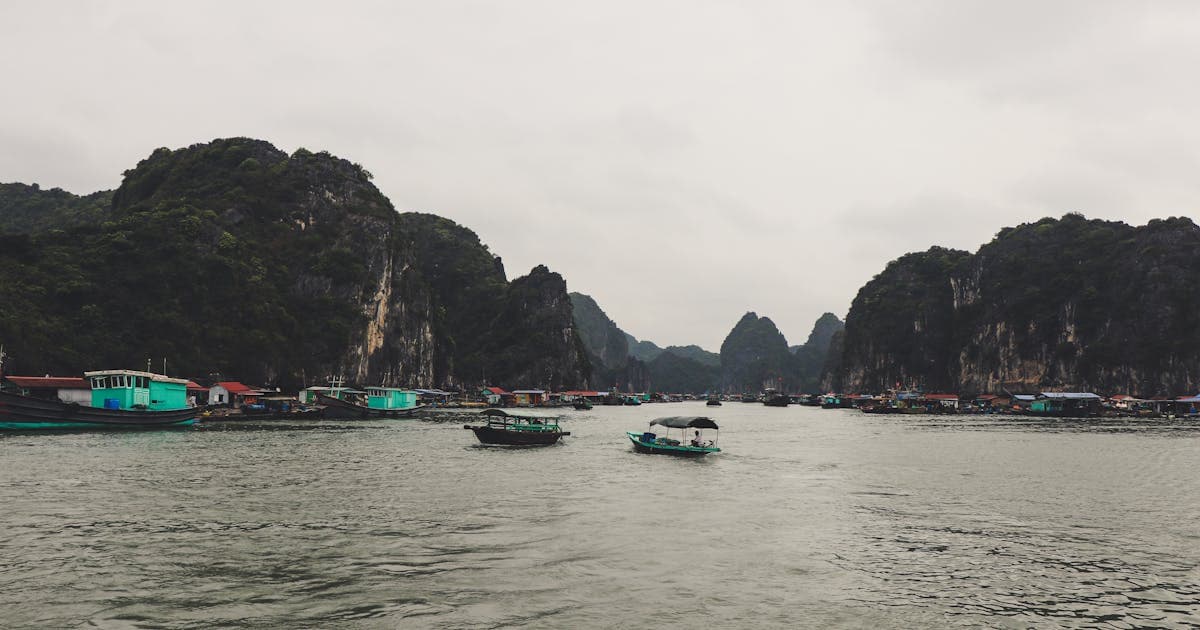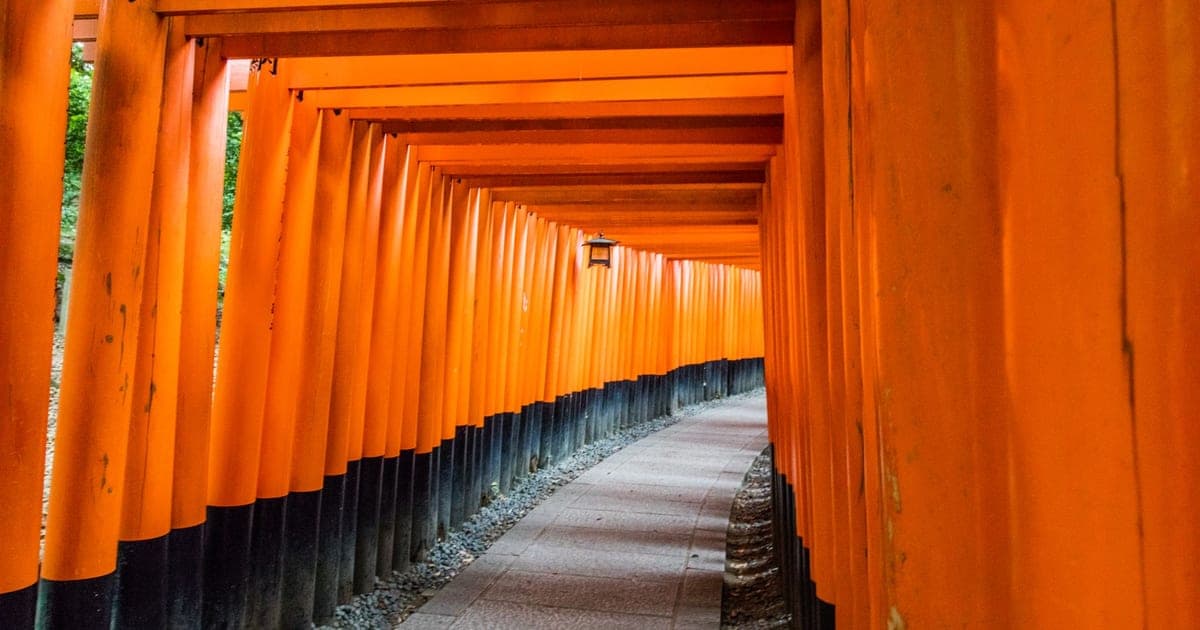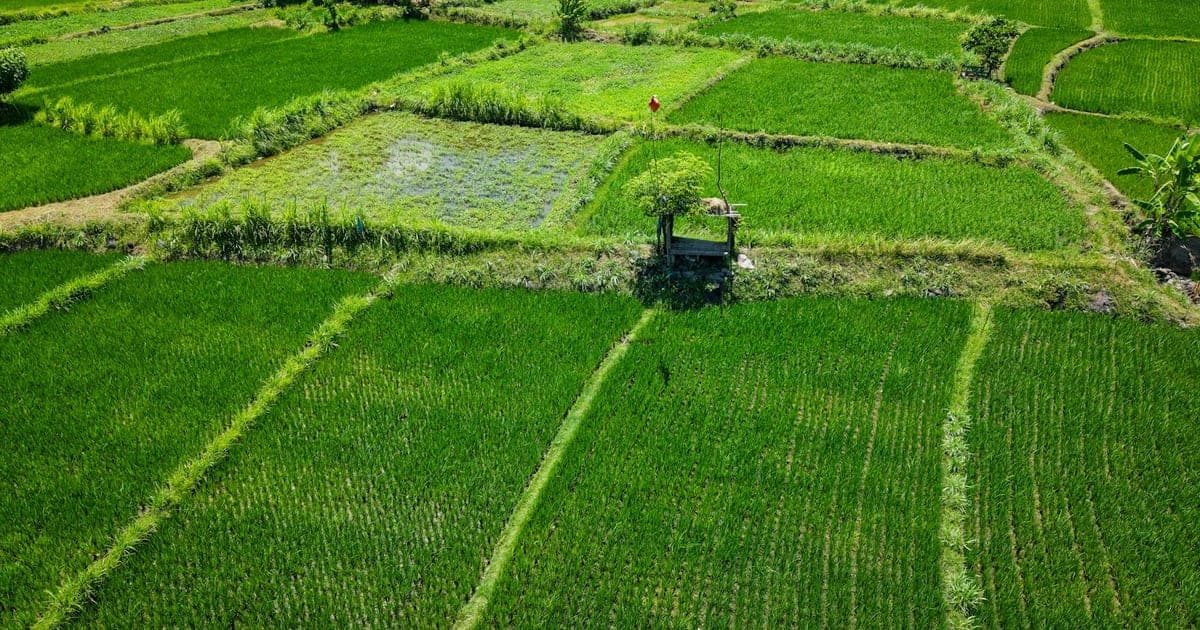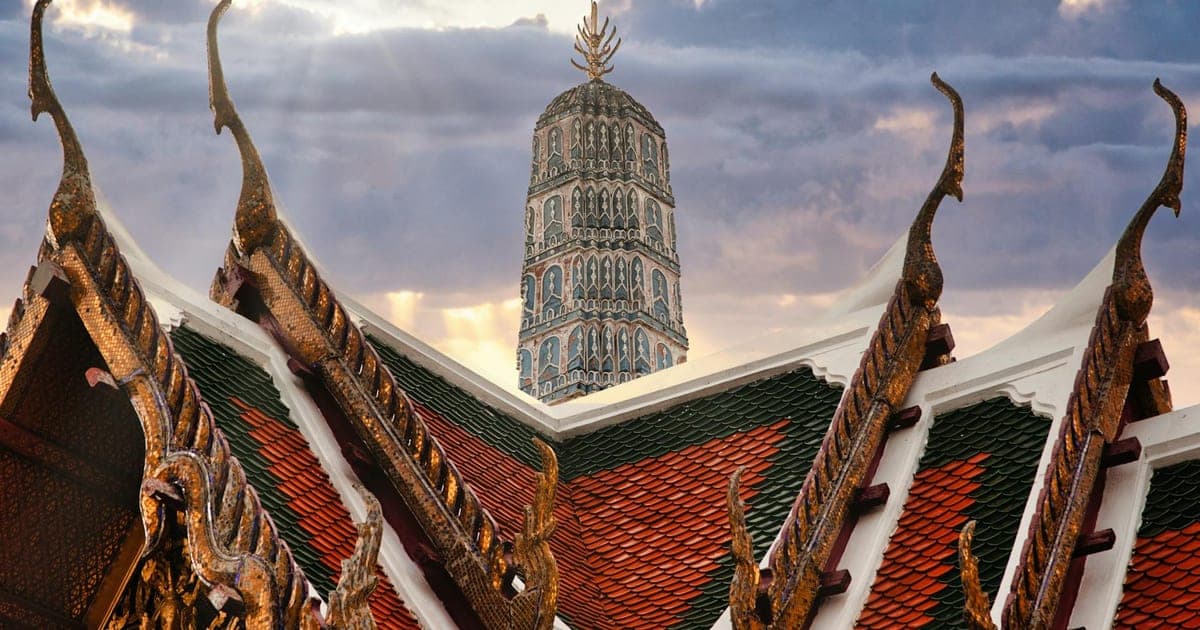
Esta es la pregunta mas comun en los viajes por el Sudeste Asiatico, y se ha hecho tantas veces que todas las respuestas en internet suenan igual. "Depende de lo que busques." Gracias. Muy util.
Lo que nadie dice: Bali y Tailandia son viajes fundamentalmente distintos que casualmente estan en la misma region y rango de precios. Elegir entre ellos no se trata de cual es "mejor" — se trata de cual encaja con el viaje que realmente quieres hacer.
Esta es una comparacion lado a lado basada en precios reales de 2026, experiencias reales y opiniones honestas. Sin contenido patrocinado, sin enlaces de afiliados influyendo en el veredicto.
La respuesta rapida
Elige Bali si: Quieres una experiencia concentrada de villas y terrazas de arroz con comida de clase mundial, retiros de yoga y paisajes perfectos para Instagram en un unico destino compacto.
Elige Tailandia si: Quieres variedad — islas, ciudades, montanas, mercados nocturnos — y la posibilidad de cubrir experiencias muy diferentes en un solo viaje con una logistica mas facil.
Ahora vamos a desglosarlo bien.
Playas
Bali
Las playas de Bali son... complicadas. Si esperas arena blanca como el polvo y agua turquesa, necesitas ajustar tus expectativas — o coger un barco.
- Kuta/Seminyak: Arena volcanica oscura, olas grandes, genial para surfear. No es el tipo de playa para tumbarse en una toalla.
- Uluwatu/Padang Padang: Escenario dramatico en lo alto de un acantilado, bonito pero pequeno. Se llena rapido.
- Nusa Penida/Nusa Lembongan: Aqui es donde estan las playas de postal — Crystal Bay, Kelingking Beach, Diamond Beach. Impresionantes, pero estan a 30-45 minutos en barco de la isla principal. El mar revuelto en temporada de lluvias puede cancelar los barcos.
- Sanur: Agua tranquila, buen snorkel, ideal para familias. No es emocionante, pero es fiable.
La verdad: Las playas de la isla principal de Bali son del monton para los estandares del Sudeste Asiatico. Las mejores playas requieren una excursion a las islas Nusa.
Tailandia
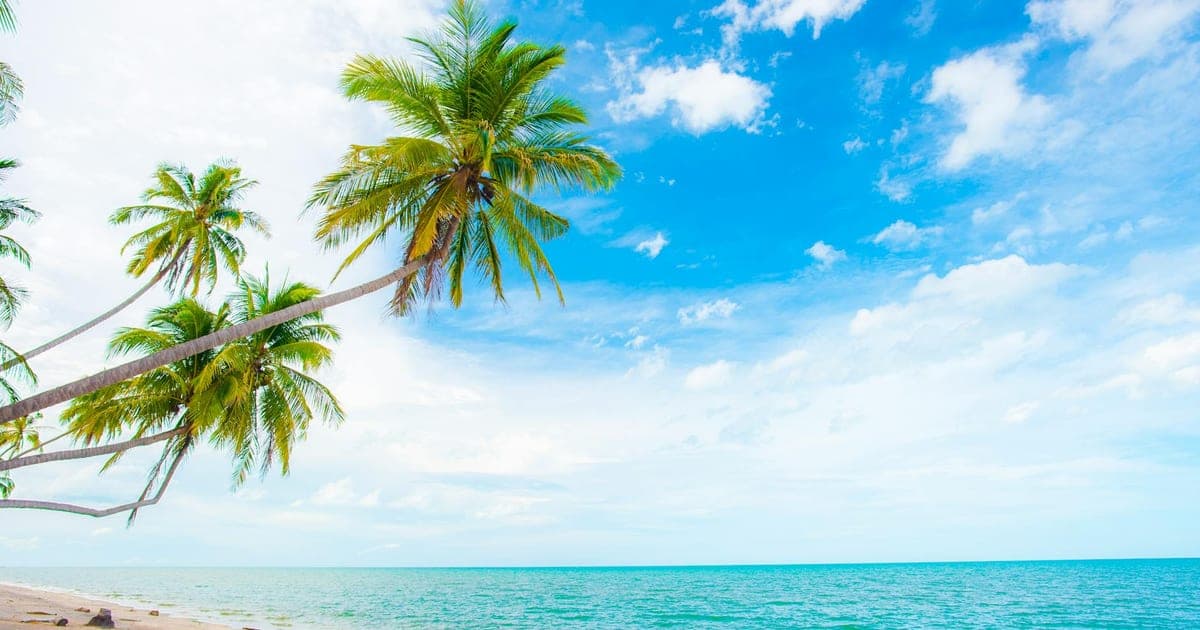
Tailandia tiene mucha mas variedad de playas y parte de la mejor costa del mundo:
- Phuket: Gran isla de resorts. Patong es caotica y turistica; Kata y Karon son mejores. Rawai y Nai Harn se sienten mas locales.
- Krabi/Railay: Acantilados de piedra caliza emergiendo de aguas turquesas. Railay Beach solo es accesible en barco, lo que mantiene las multitudes a raya. Constantemente clasificada entre las playas mas bonitas de Asia.
- Koh Lipe: Las "Maldivas" de Tailandia. Agua translucida, desarrollo minimo, snorkel increible desde la orilla. Llegar requiere esfuerzo (vuelo a Hat Yai, luego ferry), lo que la mantiene menos masificada.
- Koh Samui/Koh Phangan: Islas de resort fiables. Chaweng Beach en Samui tiene buena infraestructura; Koh Phangan ofrece el caos de la Full Moon Party o playas tranquilas en el norte, segun tu rollo.
- Koh Lanta: Relajada, playas largas, ideal para familias. No el paisaje mas espectacular, pero la atmosfera mas relajante.
La verdad: Tailandia gana la categoria de playas por amplio margen. Mas variedad, mejor arena, agua mas clara y playas para cada estilo de viaje.
Ganador: Tailandia — y no esta ni cerca.
Comida y gastronomia
Bali
La escena gastronomica de Bali ha explotado en los ultimos anos. Funciona en dos niveles:
Comida indonesia local (increiblemente barata):
- Los warungs (restaurantes familiares) sirven nasi goreng (arroz frito), mie goreng (fideos fritos), nasi campur (plato de arroz variado) y babi guling (cerdo asado al espeton — especialidad balinesa). Las comidas cuestan $1,50-3.
- El babi guling es el plato imprescindible. Ibu Oka en Ubud es el famoso, pero los locales te diran que Babi Guling Pak Malen en Seminyak es mejor. Los dos son geniales.
- El sate lilit (brocheta de pescado picado balines) y el lawar (ensalada especiada de coco y carne) son unicamente balineses y dificiles de encontrar en otro lugar.
La escena internacional/cafeterias (sorprendentemente excelente):
- Seminyak y Canggu tienen una escena de brunch y cena de nivel mundial. Restaurantes como Motel Mexicola, Bikini, La Brisa y Nook sirven comida que costaria el triple en cualquier ciudad occidental.
- La cultura de smoothie bowls, acai y comida saludable es enorme. Si eso es lo tuyo, Bali es un paraiso.
- La cultura del cafe es seria. Los granos indonesios (Sumatra, Java) son excepcionales, y las cafeterias de especialidad estan por todas partes.
Tailandia
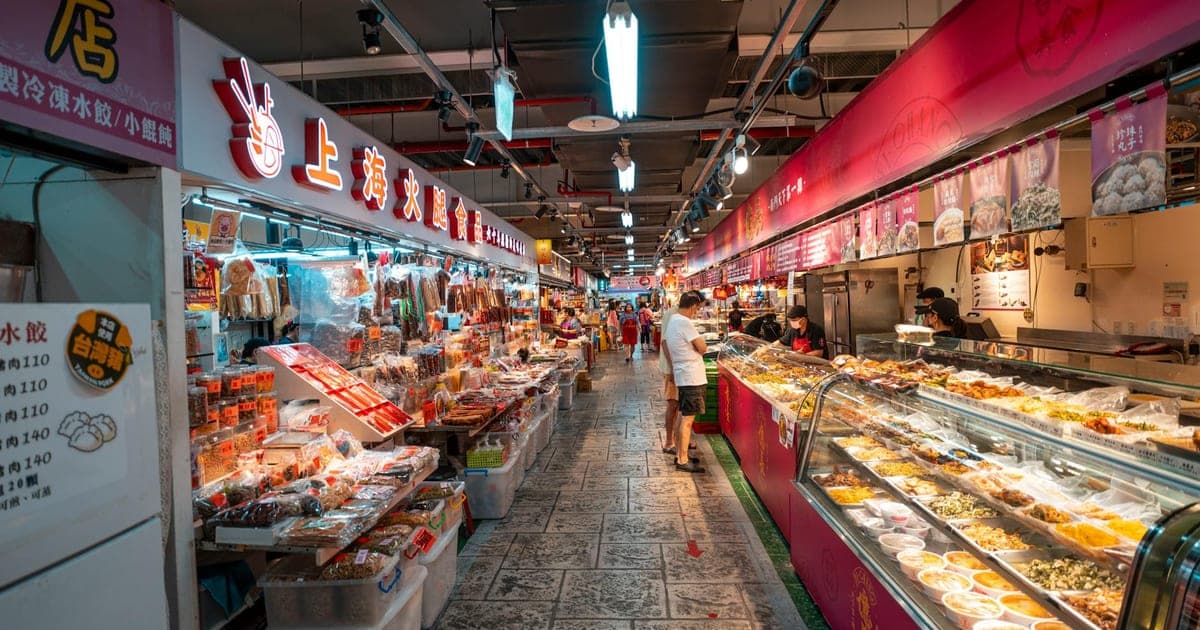
La comida tailandesa es legendaria por una razon, y la cultura de comida callejera no tiene rival en ningun lugar del mundo:
Comida callejera y restaurantes locales:
- El pad thai de un puesto callejero cuesta $1-1,50. Som tum (ensalada de papaya), khao pad (arroz frito), curry verde, curry massaman — todo por menos de $2 en puestos callejeros.
- La comida callejera de Bangkok es una categoria en si misma. Solo Chinatown (Yaowarat) podria mantenerte comiendo una semana. Jay Fai, una vendedora callejera con estrella Michelin, sirve una legendaria tortilla de cangrejo por ~$25 (caro para comida callejera, barato para un Michelin).
- Los mercados nocturnos estan por todas partes y son cena y entretenimiento a la vez. El mercado Sunday Walking Street de Chiang Mai es una de las mejores experiencias gastronomicas del Sudeste Asiatico.
- Variedad regional: La comida del norte de Tailandia (khao soi, salchicha sai oua) sabe completamente diferente a la del sur (mas picante, mas leche de coco, influencia malaya). Puedes comer una cocina regional diferente cada dia.
Alta cocina:
- Bangkok tiene la mejor escena de alta cocina del Sudeste Asiatico. Gaggan Anand, Le Du y Nusara tienen estrellas Michelin y sirven cocina innovadora inspirada en la tailandesa a precios que serian asequibles en Nueva York o Londres.
| Categoria | Bali | Tailandia |
|---|---|---|
| Comida local mas barata | $1,50-3 | $1-2 |
| Restaurante gama media | $8-15 | $5-12 |
| Cena de lujo | $25-50 | $20-60 |
| Escena de comida callejera | Limitada (sobre todo en mercados) | De clase mundial, en todas partes |
| Variedad de cocina | Indonesia + cafeterias internacionales | Tailandesa regional + global |
| Opciones vegetarianas/veganas | Excepcional | Buenas, mejorando |
La verdad: Tailandia tiene mejor y mas barata comida callejera, mas variedad y una cultura gastronomica mas profunda. Bali tiene una mejor escena de cafeterias occidentales, opciones vegetarianas sobresalientes e increible relacion calidad-precio en restaurantes internacionales de gama media. Si la comida es la razon principal por la que viajas, Tailandia gana. Si quieres una tostada de aguacate con vistas a una terraza de arroz, Bali es tu sitio.
Ganador: Tailandia por profundidad gastronomica y comida callejera. Bali por la escena de cafeterias y comida saludable.
Cultura y templos
Bali
Bali es unica en Indonesia — es una isla hindu en un pais de mayoria musulmana, y la cultura religiosa impregna todo:
- Ofrendas diarias (canang sari): Veras pequenas cestas de flores e incienso en las aceras, entradas de tiendas y salpicaderos. Se colocan tres veces al dia. No las pises.
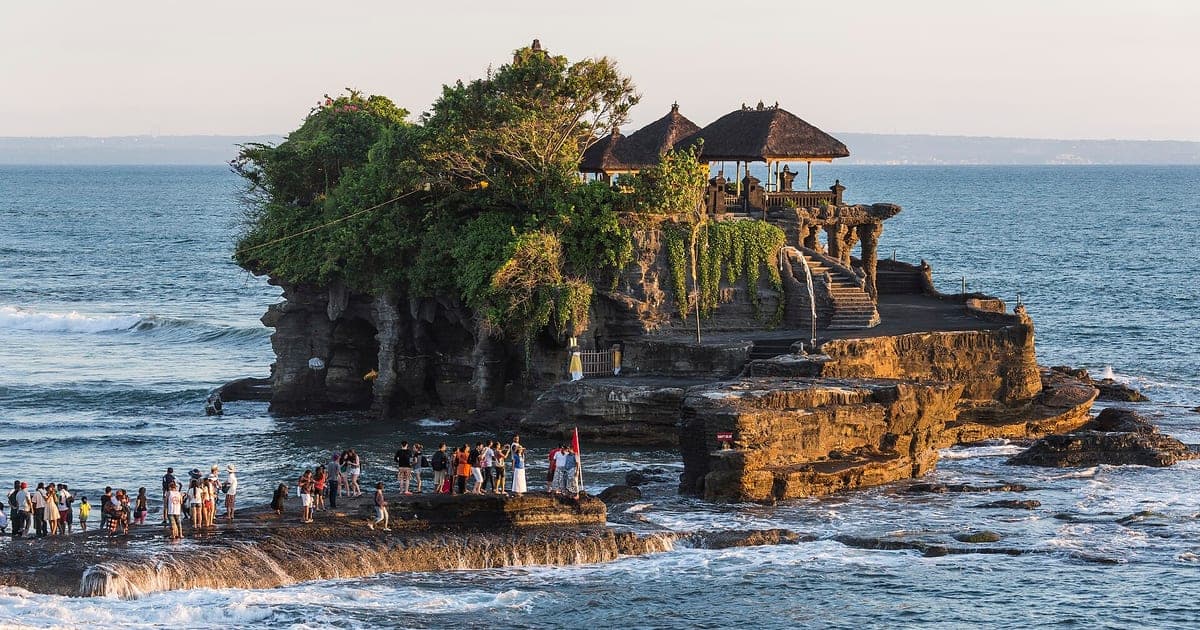
- Templos: Bali tiene mas de 20.000 templos. Los principales — Uluwatu (templo en acantilado al atardecer con danza kecak), Tanah Lot (templo marino sobre una formacion rocosa), Besakih (el "Templo Madre" en el monte Agung) y Tirta Empul (templo de aguas sagradas donde puedes participar en un ritual de purificacion) — son genuinamente impresionantes.
- Ceremonias y festivales: Las ceremonias balinesas ocurren constantemente. Galungan, Nyepi (Dia del Silencio — toda la isla se cierra) y los festivales odalan de templos significan que probablemente te encontraras con una procesion o ceremonia durante tu viaje.
- Artes: Ubud es el corazon cultural. La talla en madera, la joyeria en plata, la pintura en batik y los espectaculos de danza tradicional estan por todas partes. El Palacio de Ubud ofrece danza Legong tradicional cada noche.
Tailandia
La cultura budista tailandesa esta profundamente arraigada en la vida cotidiana:
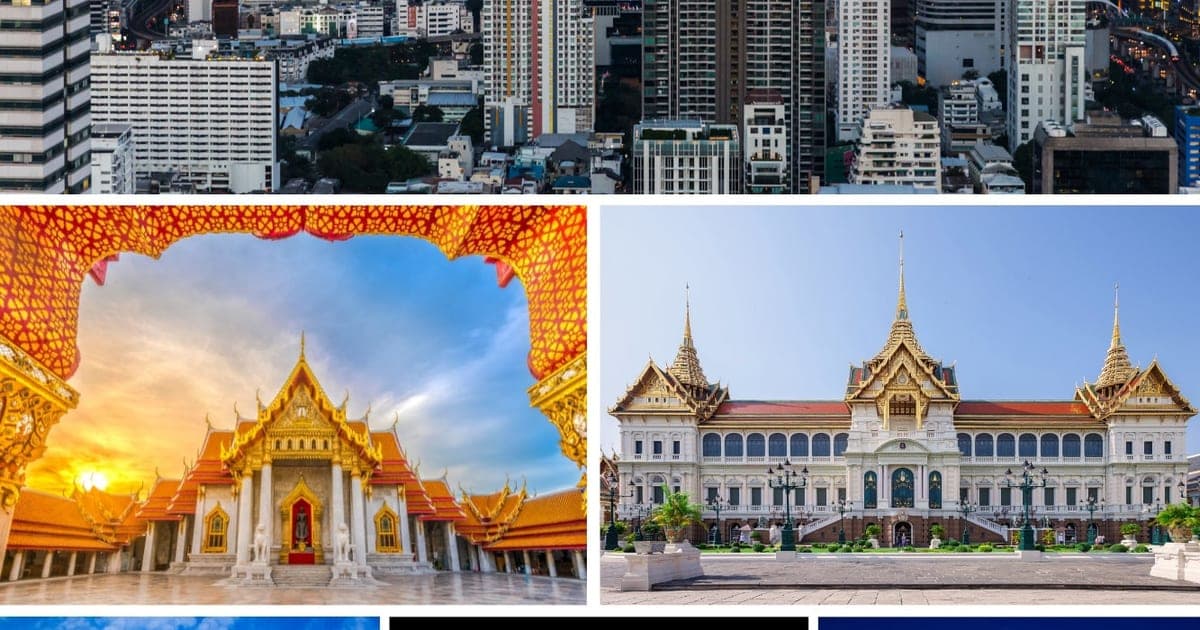
- Templos budistas (wats): Solo Bangkok tiene mas de 400. Wat Pho (Buda Reclinado), Wat Arun (Templo del Amanecer) y Wat Phra Kaew (Buda Esmeralda dentro del Gran Palacio) son logros arquitectonicos de clase mundial. El templo Doi Suthep de Chiang Mai domina toda la ciudad desde una montana.
- El Templo Blanco (Wat Rong Khun) en Chiang Rai es un templo de arte contemporaneo que no se parece a nada mas en la tierra.
- Cultura monacal: Los monjes budistas con tunicas naranjas son una vision diaria. Algunos templos ofrecen sesiones de "monk chat" donde puedes conversar con monjes sobre budismo y cultura tailandesa. En Chiang Mai, los monjes recorren las calles recogiendo limosnas cada manana al amanecer.
- Tribus de las colinas y cultura del norte: Chiang Mai y Chiang Rai ofrecen acceso a comunidades de tribus Karen, Hmong y Akha con culturas, tradiciones y artesanias propias.
- Boxeo tailandes (Muay Thai): Asistir a un combate de Muay Thai es una experiencia cultural autentica. Los campos de entrenamiento en Chiang Mai y Bangkok aceptan visitantes de corta duracion.
| Categoria | Bali | Tailandia |
|---|---|---|
| Religion principal | Hindu | Budista |
| Numero de templos imprescindibles | 10-15 | 20+ |
| Profundidad de inmersion cultural | Muy alta — ceremonias por todas partes | Alta — varia por region |
| Experiencias culturales unicas | Rituales de purificacion, danza kecak, Nyepi | Charlas con monjes, Muay Thai, tribus de las colinas |
| Escena de artes y artesanias | Excelente (Ubud) | Buena (Chiang Mai) |
La verdad: Ambos destinos ofrecen experiencias culturales ricas, pero se sienten diferentes. La cultura hindu de Bali esta mas visualmente integrada en la vida diaria — literalmente no puedes caminar 50 metros sin ver una ofrenda o un templo. Tailandia tiene mas variedad porque es un pais mas grande con diferencias regionales. Ninguno gana claramente; depende de si quieres profundidad (Bali) o amplitud (Tailandia).
Ganador: Empate. Sabores diferentes, ambos excepcionales.
Vida nocturna
Bali
La vida nocturna de Bali se concentra en unas pocas zonas:
- Seminyak: Los beach clubs (Potato Head, Ku De Ta, Mrs Sippy) pasan de piscinas diurnas a sesiones de DJ al atardecer. Los cocteles cuestan $8-12. La franja de Jl. Petitenget tiene bares y restaurantes selectos abiertos hasta tarde.
- Canggu: La escena hipster/surfista. Old Man's es el sitio iconico — cervezas baratas, musica en vivo, energia mochilera. The Lawn y COMO Beach Club son mas exclusivos.
- Kuta/Legian: La franja fiestera mochilera. Bebidas baratas (cervezas a $1-2), musica alta, cocteles en cubos. Es desordenado y divertido si es lo tuyo. Sky Garden es la macro-discoteca.
- Uluwatu: Single Fin es uno de los mejores bares de atardecer de Asia. Mira surfistas desde lo alto del acantilado mientras cae el sol. Es mas "copa al atardecer" que "fiesta", pero es perfecto.
Tailandia
La vida nocturna de Tailandia esta en otra liga:
- Bangkok: Khao San Road es el epicentro de la fiesta mochilera. Thonglor y Ekkamai son donde salen los bangkokianos — bares en azoteas, bares secretos, locales de musica en vivo. Los sky bars (Lebua, Vertigo) ofrecen copas con vistas panoramicas de la ciudad.
- Phuket (Patong): Bangla Road es el centro de la vida nocturna — bares, discotecas, artistas callejeros, caos. Es abrumador pero sin duda una experiencia.
- Koh Phangan: La Full Moon Party es un rito de iniciacion para mochileros. 10.000-30.000 personas en una playa, espectaculos de fuego, pintura neon, cubos de alcohol. Ocurre cada mes, con fiestas de Half Moon y Jungle en semanas alternas.
- Chiang Mai: Mas tranquilo. La zona de Zoe in Yellow tiene bares y discotecas agrupados. La zona del Night Bazaar tiene musica en vivo. Es relajado comparado con Bangkok o Phuket.
La verdad: Si la vida nocturna es una prioridad, Tailandia ofrece mas variedad y opciones mas extremas. Bali tiene geniales beach clubs y bares de atardecer, pero Tailandia tiene vida nocturna de espectro completo, desde cocteles sofisticados en azoteas hasta raves en la playa bajo la luna llena.
Ganador: Tailandia — mas opciones en cada nivel de intensidad.
Presupuesto: costes diarios reales en 2026
Esto es lo que la mayoria de la gente realmente quiere saber. Aqui tienes presupuestos diarios honestos por persona:
Presupuesto diario en Bali
| Categoria | Economico | Gama media | Lujo |
|---|---|---|---|
| Alojamiento | $15-30 (pensiones/hostel) | $50-120 (hotel boutique/villa) | $200-500+ (villa con piscina privada) |
| Comida | $8-15 (warungs + cafe) | $20-40 (mezcla de local + cafeteria) | $60-100+ (alta cocina) |
| Transporte | $5-8 (alquiler de moto) | $15-25 (Grab + conductor ocasional) | $40-60 (conductor privado diario) |
| Actividades | $5-15 (templos, playas) | $20-50 (excursiones, deportes acuaticos) | $80-150+ (experiencias de lujo) |
| Total diario | $33-68 | $105-235 | $380-810+ |
Presupuesto diario en Tailandia
| Categoria | Economico | Gama media | Lujo |
|---|---|---|---|
| Alojamiento | $8-20 (hostel/pension) | $40-100 (hotel boutique) | $150-400+ (resort de lujo) |
| Comida | $5-12 (comida callejera + local) | $15-35 (mezcla de local + restaurante) | $50-100+ (alta cocina) |
| Transporte | $3-8 (transporte publico + tuk-tuk) | $10-20 (Grab + vuelos domesticos) | $30-60 (traslados privados) |
| Actividades | $5-10 (templos, mercados) | $15-40 (excursiones, clase de cocina) | $60-120+ (buceo, tours de lujo) |
| Total diario | $21-50 | $80-195 | $290-680+ |
Comparacion lado a lado
| Nivel de presupuesto | Bali (por dia) | Tailandia (por dia) | Diferencia |
|---|---|---|---|
| Mochilero | $33-68 | $21-50 | Tailandia ~30% mas barato |
| Gama media | $105-235 | $80-195 | Tailandia ~20% mas barato |
| Lujo | $380-810+ | $290-680+ | Similar, depende de las elecciones |
La verdad: Tailandia es mas barato en todos los niveles de presupuesto, pero la diferencia se reduce a medida que gastas mas. La prima de Bali esta principalmente en el alojamiento (esas villas con piscina privada cuestan mas) y la falta de transporte publico barato. En el nivel de lujo, ambos destinos ofrecen un valor increible comparado con los paises occidentales. Una villa con piscina de $300/noche en Bali o un resort frente al mar de $250/noche en Tailandia costarian $800+ en cualquier lugar de Europa o EE.UU.
Ganador: Tailandia — consistentemente mas barato, especialmente para viajeros con presupuesto ajustado.
Moverse por el destino
Bali
Moverse por Bali es el mayor punto debil de la isla:
- Sin transporte publico. No hay metro, ni red de autobuses util (existe el limitado TransSarbagita, pero no cubre la mayoria de las zonas turisticas).
- La moto ($5-8/dia) es la opcion por defecto. Rapida y flexible, pero el trafico de Bali es genuinamente peligroso — carreteras estrechas, sin carriles, camiones, perros y turistas que nunca han montado en moto. Necesitas un permiso internacional de conducir.
- Grab/Gojek funciona en Seminyak, Canggu y Kuta. La disponibilidad baja en Ubud y zonas rurales. Algunas zonas tienen mafias de taxis que bloquean fisicamente a los conductores de rideshare.
- El conductor privado ($35-50/dia) es la opcion mas segura para excursiones y dias con multiples paradas.
- Entre Bali y las islas Nusa: 30-45 minutos en barco rapido. Compra en operadores de confianza. Los barcos se cancelan con mal tiempo (comun de noviembre a marzo).
Tailandia
Tailandia tiene una infraestructura de transporte significativamente mejor:
- Bangkok: El BTS Skytrain y el metro MRT son modernos, con aire acondicionado, baratos ($0,50-1,50 por viaje) y cubren la mayoria de las zonas turisticas. Grab funciona perfectamente. Los tuk-tuks y los barcos por el rio Chao Phraya anaden opciones.
- Entre ciudades: Los vuelos domesticos son increiblemente baratos. Bangkok a Chiang Mai o Phuket cuesta $25-60 en AirAsia, Thai Lion Air o Nok Air. Los trenes nocturnos a Chiang Mai son una experiencia clasica ($15-45 segun la clase).
- Islas: Ferrys y lanchas rapidas conectan las principales cadenas de islas. Los billetes combinados de autobus-ferry desde Bangkok a islas como Koh Samui o Koh Tao son economicos ($15-30).
- Dentro de las ciudades: Los songthaews (camionetas rojas compartidas) en Chiang Mai cuestan $0,60 por trayecto. Los tuk-tuks estan por todas partes. Grab funciona en todas las principales zonas turisticas.
- Entre islas: Saltar de isla en isla es sencillo con companias de ferry como Lomprayah y Seatran que ofrecen rutas conectadas.
Ganador: Tailandia — infraestructura dramaticamente mejor y mas opciones en cada nivel de precio.
Mejor para: quien deberia ir a donde?
Viajeros en solitario
- Bali: Genial para viajeros en solitario, especialmente en Canggu y Ubud. La escena de coworking y nomadas digitales significa que conoceras gente facilmente. Dojo Bali y Outpost son espacios de coworking populares. Cultura de cafeterias amigable para solos.
- Tailandia: Excelente para viajeros en solitario. La ruta mochilera (Bangkok -> Chiang Mai -> Islas) es una de las mas establecidas del mundo. Los hostels son sociales y baratos. Koh Phangan y Pai atraen especificamente a viajeros en solitario.
Ventaja: Tailandia — mas variedad de experiencias para viajeros en solitario y un circuito mochilero mas facil.
Parejas
- Bali: Aqui es donde Bali brilla. Villas con piscina privada por $80-150/noche, cenas romanticas en acantilados en Uluwatu, tratamientos de spa en pareja por $40, atardecer en Tanah Lot. Bali fue practicamente disenado para parejas.
- Tailandia: Excelente para parejas tambien — Koh Samui y Krabi tienen buenas opciones de resorts. Los bares en azoteas de Bangkok son romanticos. Pero el factor romance-resort no esta tan concentrado como en Bali.
Ventaja: Bali — la cultura de villas y el paisaje romantico le dan una fuerte ventaja.
Familias
- Bali: Bueno para familias con ninos mayores. Sanur es la playa familiar. Water Boom en Kuta es divertido. El principal reto es el transporte — moverse con ninos pequenos sin transporte publico es un fastidio.
- Tailandia: Mejor infraestructura para familias. Los resorts en Koh Samui y Phuket se dirigen explicitamente a familias con clubs infantiles y playas poco profundas. Bangkok tiene atracciones para ninos (Safari World, Sea Life, Kidzania). El transporte publico significa que no necesitas una silla infantil en cada taxi.
Ventaja: Tailandia — mejor infraestructura y mas servicios para ninos.
Grupos de amigos
- Bali: Alquilar una villa con piscina es la experiencia definitiva para grupos de amigos. Divide una villa de 4 habitaciones entre $50-70/persona/noche y vive como la realeza. Los beach clubs de Seminyak estan disenados para grupos. Organizar un conductor privado para el grupo hace que el transporte sea facil y barato por persona.
- Tailandia: Saltar de isla en isla con amigos es un clasico. La Full Moon Party en grupo es inolvidable. La vida nocturna de Bangkok funciona perfectamente para grupos. Pero el alojamiento es mas dificil de compartir — la mayoria de las opciones son habitaciones de hotel, no villas.
Ventaja: Bali — la cultura de villas es imbatible para viajes en grupo.
Requisitos de visado (2026)
| Requisito | Bali (Indonesia) | Tailandia |
|---|---|---|
| Visado a la llegada | Si — 30 dias ($35 USD) | Si — 30 dias (gratis para la mayoria de nacionalidades) |
| Extension | Extension de 30 dias disponible ($35) en oficina de inmigracion | Extension de 30 dias disponible (1.900 THB / ~$53) en oficina de inmigracion |
| Estancia maxima (turista) | 60 dias (con extension) | 60 dias (con extension) |
| Visado de nomada digital | B211A disponible — 60 dias, extensible a 180 dias ($300-500 a traves de agente) | LTR (Long-Term Resident) o DTV (Destination Thailand Visa) — 180 dias ($280) |
| Validez del pasaporte | 6 meses minimo | 6 meses minimo |
Nota: Las normas de visado cambian frecuentemente. Verifica siempre los requisitos actuales antes de reservar. Los portadores de pasaporte de EE.UU., Reino Unido, UE, Canada y Australia pueden entrar en ambos paises a su llegada. Algunas nacionalidades necesitan visados previos — consulta tu pasaporte especifico.
La verdad: Tailandia es ligeramente mas facil — el visado a la llegada es gratuito para la mayoria de los pasaportes occidentales, mientras que Bali cobra $35. Ambos paises tienen opciones viables de visado para nomadas digitales para estancias mas largas. El visado DTV de Tailandia (lanzado en 2024) es mas sencillo de obtener que el proceso B211A de Indonesia.
Ganador: Tailandia — entrada gratuita para la mayoria de visitantes y un proceso de visado de larga estancia mas simple.
Clima y mejor epoca para visitar
Bali
- Temporada seca (abril-octubre): La mejor epoca. Soleado, calido (27-30 C / 80-86 F), baja humedad. Julio-agosto es temporada alta con precios mas altos y mas gente.
- Temporada de lluvias (noviembre-marzo): Caluroso y humedo. Lluvias torrenciales por la tarde (normalmente 1-2 horas, luego aclara). Las carreteras se inundan, los servicios de barcos a Nusa Penida se vuelven poco fiables. Sigue siendo suficientemente calido para la playa por las mananas secas.
- Momentos ideales: Mayo-junio y septiembre-octubre. Clima de temporada seca sin precios de temporada alta.
Tailandia
El clima de Tailandia varia significativamente segun la region:
- Bangkok y Tailandia central: Temporada calurosa (marzo-mayo, hasta 40 C), temporada de lluvias (junio-octubre), temporada fresca (noviembre-febrero — la mejor epoca, 25-32 C con baja humedad).
- Islas del Golfo (Koh Samui, Koh Phangan, Koh Tao): Patron de monzon diferente. Peor clima de octubre a diciembre. Mejor de enero a abril.
- Costa del Andaman (Phuket, Krabi, Koh Lanta): Mejor de noviembre a abril. Muchos resorts insulares cierran de mayo a octubre por el monzon.
- Norte de Tailandia (Chiang Mai, Chiang Rai): De noviembre a febrero es ideal. Temperaturas frescas (15-28 C), cielos despejados. Marzo-abril es temporada de quemas con graves problemas de calidad del aire por incendios agricolas — evitalo.
| Mes | Bali | Tailandia (Golfo) | Tailandia (Andaman) | Tailandia (Norte) |
|---|---|---|---|---|
| Ene | Lluvioso | Mejor | Mejor | Mejor |
| Feb | Lluvioso | Mejor | Mejor | Mejor |
| Mar | Transicion | Mejor | Mejor | Humo (evitar) |
| Abr | Empieza mejor epoca | Bueno | Acaba mejor epoca | Humo (evitar) |
| May | Mejor epoca | Bueno | Empieza monzon | Caluroso |
| Jun | Mejor epoca | Bueno | Monzon | Lluvioso |
| Jul | Mejor epoca (pico) | Bueno | Monzon | Lluvioso |
| Ago | Mejor epoca (pico) | Bueno | Monzon | Lluvioso |
| Sep | Mejor epoca | OK | Monzon | Lluvioso |
| Oct | Acaba mejor epoca | Peor | Acaba monzon | Empieza bueno |
| Nov | Empieza lluvias | Peor | Empieza mejor epoca | Mejor |
| Dic | Lluvioso (vacaciones pico) | OK | Mejor | Mejor |
La verdad: El clima de Tailandia es mas complejo porque es un pais mas grande con diferentes zonas climaticas. Esto en realidad juega a tu favor — casi siempre hay una region con buen clima. Bali es mas simple: ve de abril a octubre. Si viajas de noviembre a febrero, la costa del Andaman y el norte de Tailandia estan en su mejor temporada mientras Bali esta en la peor.
Ganador: Depende de cuando viajes. Abril-octubre: ambos son geniales. Noviembre-febrero: Tailandia tiene la ventaja.
El veredicto: matriz de recomendacion
| Si quieres... | Elige |
|---|---|
| Las mejores playas | Tailandia |
| Un viaje romantico en pareja | Bali |
| Mochilero economico | Tailandia |
| Lujo a buen precio | Bali (villas) o Tailandia (resorts) |
| Paraiso de comida callejera | Tailandia |
| Cultura de cafeterias y brunch | Bali |
| Mejor variedad de vida nocturna | Tailandia |
| Beach clubs al atardecer | Bali |
| Profundidad cultural en un solo lugar | Bali |
| Variedad cultural entre regiones | Tailandia |
| Circuito facil para viajero en solitario | Tailandia |
| Experiencia de villa en grupo | Bali |
| Infraestructura familiar | Tailandia |
| Base para nomadas digitales | Ambos — Bali gana por comunidad, Tailandia por simplicidad de visado |
| Primer viaje al Sudeste Asiatico | Tailandia (mas indulgente, mejor infraestructura) |
| Viaje de dos semanas con variedad | Tailandia |
| Viaje concentrado de una semana | Bali |
La conclusion
Tailandia es el mejor destino para un primer viaje al Sudeste Asiatico. Es mas barato, tiene mejor transporte, mas variedad y una ruta turistica bien establecida que facilita la logistica. Puedes combinar ciudad, cultura, playa y montana en un unico viaje de dos semanas.
Bali es el mejor destino para un ambiente especifico. Si quieres la experiencia de villa-con-piscina, yoga-al-amanecer, cocteles-al-atardecer-en-un-acantilado, Bali lo ofrece mejor que cualquier otro lugar del mundo. Es mas caro y mas dificil moverse, pero la concentracion de belleza y estilo de vida en una zona pequena no tiene rival.
La verdadera respuesta para mucha gente: Haz los dos. Estan a un vuelo de $150-200 de distancia. Una ruta popular es dos semanas en Tailandia (Bangkok + Chiang Mai + islas) seguidas de una semana en Bali (Ubud + Seminyak + Uluwatu). Eso te da lo mejor de ambos mundos.
Preguntas frecuentes
Es Bali o Tailandia mas seguro?
Ambos son generalmente seguros para turistas. Tailandia tiene una infraestructura turistica ligeramente mejor y un sistema de policia turistica mas establecido. La principal preocupacion de seguridad en Bali son los accidentes de moto — el trafico es caotico y muchos turistas conducen sin experiencia. En ambos destinos, los hurtos (tirones de bolso, estafas) son el problema mas comun. Usa el sentido comun: no exhibas objetos de valor, usa cajas fuertes del hotel y ten cuidado a altas horas de la noche en zonas de fiesta.
Puedo combinar Bali y Tailandia en un solo viaje?
Por supuesto. Los vuelos directos entre Bali (DPS) y Bangkok (BKK) duran unas 4 horas y cuestan $100-200 en AirAsia o Thai Lion Air. La combinacion mas comun es 7-10 dias en Tailandia + 5-7 dias en Bali.
Cual es mejor para nomadas digitales?
Ambos son destinos de primer nivel para nomadas digitales. Bali (especialmente Canggu) tiene una comunidad nomada mas concentrada con espacios de coworking en cada esquina. Tailandia (especialmente Chiang Mai y Bangkok) ofrece costes de vida mas baratos y mejor infraestructura de internet. El wifi de Bali puede ser poco fiable fuera de los espacios de coworking. El visado DTV de Tailandia es mas simple que el proceso B211A de Indonesia.
Es Bali o Tailandia mejor para una luna de miel?
Bali es el destino de luna de miel mas tradicional. Villas con piscina privada, tratamientos de spa en pareja, cenas romanticas en acantilados y el ambiente general de "lujo por menos" lo hacen ideal. Tailandia tambien funciona para lunas de miel — Koh Samui y Krabi tienen excelentes resorts de lujo — pero la atmosfera romantica no esta tan concentrada.
Cuantos dias necesito para cada uno?
Bali: 7-10 dias es ideal. 5 dias minimo para ver Ubud + una zona de playa + Uluwatu. Menos de 5 dias se siente apresurado. Tailandia: 10-14 dias para ver mas de una region. 7 dias funciona para Bangkok + una isla. 3 semanas si quieres cubrir Bangkok + Norte + Islas adecuadamente.
Cual tiene mejor buceo y snorkel?
Tailandia tiene mejor buceo — Koh Tao es uno de los lugares mas baratos del mundo para sacarte el PADI ($250-300 por el Open Water). Las Islas Similan (accesibles desde Phuket) son sitios de buceo de clase mundial. Bali tiene buen buceo en Nusa Penida (mantas raya) y Tulamben (naufragio del USAT Liberty), pero menos sitios en general. Para snorkel, ambos ofrecen opciones excelentes — Koh Lipe y Koh Tao en Tailandia, Nusa Lembongan y Amed en Bali.
Planifica tu viaje al Sudeste Asiatico con AI
No puedes decidirte entre Bali y Tailandia? O quieres combinar ambos en un itinerario epico? El planificador de viajes con AI de MonkeyTravel crea itinerarios personalizados dia a dia basados en tu presupuesto, estilo de viaje e intereses — en segundos.
Escribe "Bali" o "Tailandia" (o ambos), indicanos tus fechas y presupuesto, y obtendras un itinerario completo con recomendaciones reales de restaurantes, logistica de transporte y horarios diarios. Sin sugerencias genericas de trampas turisticas. Solo un viaje que realmente tiene sentido para tu forma de viajar.