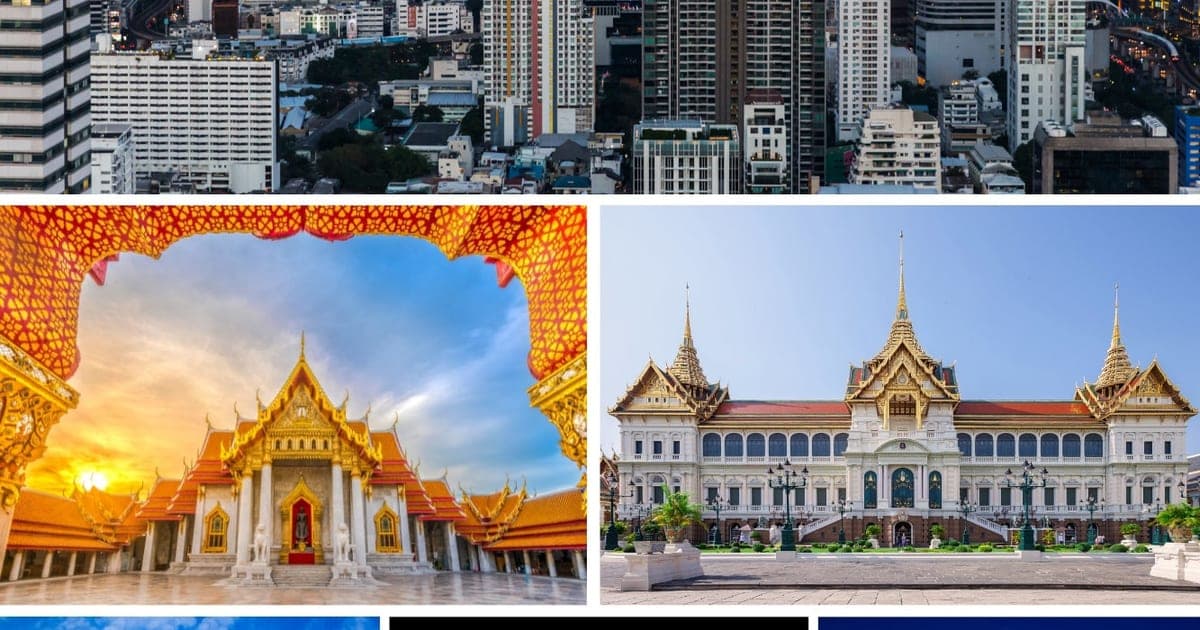
Cinco dias em Bangkok é o ponto ideal. Tempo suficiente para conhecer os templos e mercados flutuantes de que todo mundo fala, com folga de sobra para se perder num beco de Chinatown à meia-noite comendo omeletes de caranguejo feitas num wok do tamanho de uma antena parabólica. Bangkok recompensa tanto o planejamento quanto a espontaneidade — mas castiga os turistas que não entendem o sistema de transporte.
Este roteiro foi montado com conexões reais de BTS/MRT, preços atualizados de 2026 e tempos honestos que levam em conta o calor e o trânsito de Bangkok. Nada de "é só pegar um tuk-tuk" — eles são divertidos, mas pouco confiáveis. Você precisa do Skytrain, dos barcos do rio e do conhecimento de quando caminhar e quando absolutamente não caminhar.
Antes de Ir: O Lado Prático
Como se Locomover — BTS, MRT e Barcos do Rio
O transporte público de Bangkok é barato, tem ar-condicionado e te leva além dos lendários congestionamentos da cidade. Aprenda esses três sistemas e você vai se mover mais rápido do que qualquer táxi.
BTS Skytrain — O trem elevado. Duas linhas (Sukhumvit e Silom) cobrindo o centro moderno da cidade. Funciona das 5h15 à meia-noite.
- Viagens avulsas: ฿17-62 ($0,50-1,75) dependendo da distância
- Rabbit Card: Cartão de transporte recarregável, ฿100 de depósito + ฿100 de carga mínima. Adquira em qualquer estação do BTS. Economiza tempo em comparação a comprar fichas avulsas.
MRT (Metrô) — O metrô subterrâneo. Conecta com o BTS em várias estações. Funciona das 6h00 à meia-noite.
- Viagens avulsas: ฿17-42 ($0,50-1,20)
- Usa um sistema de tarifas separado do BTS — seu Rabbit Card não funciona no MRT. Compre fichas do MRT nas máquinas das estações ou adquira um cartão MRT à parte.
Chao Phraya Express Boats — Barcos que percorrem o rio Chao Phraya no sentido norte-sul. A forma mais barata e cênica de chegar ao Grande Palácio, Wat Arun e Chinatown.
- Barcos de bandeira laranja: ฿16 ($0,45) tarifa única. Os mais úteis para turistas. Passam a cada 5-20 minutos.
- Bandeira azul (barco turístico): ฿60 ($1,70) por um passe de um dia com embarque e desembarque livres. Inclui comentários em áudio.
- Píeres principais: Sathorn (conecta com o BTS Saphan Taksin), Tha Tien (Wat Pho), Tha Chang (Grande Palácio), Wang Lang (em frente ao Wat Arun)
Grab — O Uber do Sudeste Asiático. Use para áreas sem cobertura de BTS/MRT, especialmente à noite. Uma corrida de 15 minutos custa ฿80-150 ($2,30-4,30). Sempre prefira o Grab a táxis de rua para evitar golpes com o taxímetro.
Do Aeroporto ao Centro da Cidade
De Suvarnabhumi (BKK):
- Airport Rail Link (ARL): 30 minutos até a estação BTS Phaya Thai, ฿45 ($1,30). Rápido, confiável, com ar-condicionado. A melhor opção para a maioria dos viajantes.
- Grab/Táxi: 45-90 minutos dependendo do trânsito, ฿250-400 ($7-11,50). Acrescente ฿50 de taxa de aeroporto + pedágios (~฿75). Só vale a pena tarde da noite ou com bagagem pesada.
De Don Mueang (DMK):
- Ônibus A1/A2: 40-60 minutos até o BTS Mo Chit ou MRT Chatuchak, ฿30 ($0,85). Barato, mas pode ficar lotado.
- Grab/Táxi: 30-75 minutos, ฿200-350 ($5,70-10). O trânsito na Vibhavadi Rangsit Road pode ser brutal nos horários de pico.
Estimativa de Orçamento
| Despesa | Econômico | Intermediário | Luxo |
|---|---|---|---|
| Hotel/noite | ฿500-1.500 ($14-43) | ฿2.500-5.000 ($71-143) | ฿8.000+ ($229+) |
| Comida/dia | ฿300-600 ($8,50-17) | ฿800-1.500 ($23-43) | ฿3.000+ ($86+) |
| Transporte/dia | ฿100-250 ($2,85-7) | ฿250-500 ($7-14) | ฿800+ ($23+) |
| Atividades/dia | ฿200-500 ($5,70-14) | ฿500-1.500 ($14-43) | ฿3.000+ ($86+) |
| Total Diário | $31-81 | $115-243 | $424+ |
Bangkok é uma das grandes cidades mais baratas do mundo para viajantes. Um pad thai custa $1,50. Uma cerveja Singha numa barraca de rua sai por $1,70. Uma massagem tailandesa completa fica em $8-12. Seu dinheiro rende de forma absurda por aqui.
Clima e O Que Vestir
Bangkok é quente o ano inteiro. Temperatura média: 30-35°C. A umidade é implacável.
- Estação fresca (nov-fev): Melhor época para visitar. 25-32°C, menos umidade, chuva rara.
- Estação quente (mar-mai): Brutal. 35-40°C. Os moradores ficam dentro de casa no meio do dia.
- Estação chuvosa (jun-out): Pancadas de chuva à tarde (normalmente 1-2 horas), depois o tempo abre. Ainda assim faz muito calor.
Leve na mala: Roupas leves e que respirem. Calçados fáceis de tirar e colocar (você descalça os sapatos em todo templo). Protetor solar. Um guarda-chuva pequeno para chuvas de surpresa. Um lenço ou xale leve para o código de vestimenta dos templos (ombros e joelhos devem ficar cobertos).
Dia 1: Grande Palácio, Wat Pho, Wat Arun e Khaosan Road
Manhã: Grande Palácio e Wat Phra Kaew (8h30)
Chegue cedo. Por volta das 10h00 os ônibus de turismo chegam e os pátios se transformam num mar de sombrinhas. O complexo do Grande Palácio é o coração cerimonial da Tailândia desde 1782, e o Wat Phra Kaew (Templo do Buda de Esmeralda) no seu interior é o templo budista mais sagrado do país.
- Entrada: ฿500 ($14,30). Inclui o Wat Phra Kaew. É a atração mais cara de Bangkok — todo o resto é mais barato.
- Horário: 8h30 às 15h30 todos os dias (última entrada às 15h00)
- Tempo necessário: 1,5-2 horas
- Código de vestimenta: Rigorosamente aplicado. Calça comprida ou saia abaixo do joelho, ombros cobertos. Sem sandálias. Eles alugam cobertura na entrada, se necessário (฿200 de depósito).
Como chegar: BTS até Saphan Taksin, depois Chao Phraya Express Boat até o píer Tha Chang. 10 minutos de caminhada a partir do píer.
O nível de detalhe da arquitetura é impressionante — cada superfície do complexo do templo é incrustada de folha de ouro, vidro colorido e azulejos de cerâmica. O próprio Buda de Esmeralda tem apenas 66 cm de altura e fica no alto de um imponente altar dourado. Não é permitido fotografá-lo dentro da capela principal.
Fim da Manhã: Wat Pho (10h30)
Caminhe 10 minutos ao sul do Grande Palácio até o Wat Pho, lar do Buda Reclinado de 46 metros de comprimento. As solas de seus pés — com 5 metros de largura e incrustadas de madrepérola retratando 108 símbolos auspiciosos — já valem a visita por si só.
- Entrada: ฿300 ($8,60). Inclui uma garrafa de água gratuita.
- Horário: 8h00 às 18h30 todos os dias
- Tempo necessário: 45-60 minutos
O Wat Pho é também o berço da massagem tailandesa tradicional. A escola de massagem no local oferece tratamentos em pavilhões ao ar livre.
- Massagem tailandesa: ฿300 ($8,60) por 30 minutos, ฿480 ($13,70) por 60 minutos
- Massagem nos pés: ฿300 ($8,60) por 30 minutos
Sim, uma massagem tailandesa legítima no templo mais famoso de Bangkok custa menos que um drink em Manhattan. Faça uma depois de uma manhã caminhando.
Almoço: Região de Tha Tien (12h00)
Antes de cruzar o rio, coma perto do píer Tha Tien.
- Pa Aew (em frente ao Wat Pho): Carrinho lendário de pad thai. ฿50-80 ($1,40-2,30). Só dinheiro. Procure pela aglomeração.
- Err Urban Rustic Thai (na Maha Rat Road): Comida de rua tailandesa requintada numa casa de comércio restaurada. Vinagres para beber, laab e carnes grelhadas. ฿200-400 ($5,70-11,50) por prato.
- Barracas do mercado de Tha Tien: Pegue um mango sticky rice (฿60-80/$1,70-2,30) e coma à beira do rio.
Tarde: Wat Arun (13h30)
Pegue a balsa que cruza o rio a partir do píer Tha Tien até o Wat Arun (Templo do Amanhecer). A balsa custa ฿4 ($0,11) — possivelmente o melhor custo-benefício de todo o turismo em Bangkok.
O prang central de 82 metros (torre de estilo khmer) do Wat Arun é incrustado de porcelana chinesa colorida e conchas. Você pode subir parte das escadas íngremes para uma vista panorâmica do rio e do Grande Palácio do outro lado da água.
- Entrada: ฿100 ($2,85)
- Horário: 8h00 às 18h00 todos os dias
- Tempo necessário: 45-60 minutos
- Melhor foto: Do lado de Tha Tien do rio ao pôr do sol (volte mais tarde ou fotografe-o do seu local de jantar)
Fim da Tarde: Descanso e Recarga (15h00)
O calor do meio-dia em Bangkok não é brincadeira, ainda mais depois de uma manhã pulando de templo em templo. Volte ao hotel para um banho e descanso. Pegue o Chao Phraya Express Boat ao sul até o píer Sathorn, depois o BTS até a região do seu hotel.
Noite: Khaosan Road (19h00)
Ame ou odeie — a Khaosan Road é um rito de passagem em Bangkok. Essa faixa mochileira de 400 metros se transforma à noite num agitado carnaval de comida de rua, cerveja barata e sobrecarga sensorial.
Como chegar: Grab de qualquer lugar (฿60-120) ou Chao Phraya Express Boat até o píer Phra Athit e 5 minutos de caminhada.
O que comer e beber:
- Pad thai de um carrinho com wok: ฿50-80 ($1,40-2,30)
- Mango sticky rice: ฿60-80 ($1,70-2,30)
- Escorpião no palito (se tiver coragem): ฿50-100 ($1,40-2,85)
- Coquetéis no baldinho: ฿150-200 ($4,30-5,70). O clássico mochileiro — um baldinho de uísque tailandês, Red Bull e refrigerante. Vá com cautela.
- Cerveja Singha/Chang/Leo da 7-Eleven: ฿40-60 ($1,15-1,70). Metade do preço dos bares.
Embrenhe-se pelos sois (ruelas) para comida melhor a preços mais baixos. A Soi Rambuttri, paralela à Khaosan, tem um clima mais tranquilo com restaurantes ao ar livre e música ao vivo.
Dia 2: Chatuchak Weekend Market, Jim Thompson House e Tour Gastronômico por Sukhumvit
Manhã: Chatuchak Weekend Market (9h00)
O Chatuchak (Mercado JJ) é um dos maiores mercados ao ar livre do mundo: mais de 15.000 barracas espalhadas por 14 hectares, organizadas em 27 setores. Abre aos sábados e domingos (e uma versão menor às sextas). Se o seu Dia 2 não cair num fim de semana, troque este dia por outro.
- Horário: Sábado-domingo, 9h00 às 18h00 (algumas barracas abrem na sexta à noite)
- Entrada: Gratuita
- Como chegar: BTS até Mo Chit ou MRT até Chatuchak Park. A saída 1 te deixa bem na entrada.
Dicas de navegação:
- Pegue um mapa gratuito no balcão de informações perto do Portão 2
- Setores 2-4: Roupas vintage e de segunda mão
- Setores 5-6: Arte e decoração para casa
- Setor 7: Antiguidades e itens de coleção
- Setores 17-19: Cerâmica, louça, artesanato tailandês
- Setor 26: Livros usados
O que comprar:
- Lenços de seda tailandesa: ฿200-500 ($5,70-14,30)
- Sabonetes artesanais de óleo de coco: ฿50-100 ($1,40-2,85)
- Shorts vintage de boxe tailandês: ฿150-300 ($4,30-8,60)
- Artigos de couro feitos sob medida: ฿500-2.000 ($14,30-57)
Negociação: Esperada e incentivada no Chatuchak. Comece em 60-70% do preço pedido e encontre o meio-termo. Não pechinche em itens abaixo de ฿100 — é desnecessário. Sempre sorria — barganhar de forma agressiva é culturalmente malvisto.
Coma dentro do mercado:
- Viva 8 (Setor 8): Famoso sorvete de coco, ฿40 ($1,15)
- Barracas de pad thai perto dos setores 24-26: ฿50-70 ($1,40-2)
- Água de coco fresca: ฿30-50 ($0,85-1,40). Você vai precisar da hidratação.
Tarde: Jim Thompson House (13h30)
Depois do mercado, pegue o BTS de Mo Chit até National Stadium (6 estações). Caminhe 5 minutos até a Jim Thompson House — um conjunto de teca lindamente preservado, construído pelo empresário americano da seda que sozinho reviveu a indústria da seda tailandesa nos anos 1950 e depois desapareceu sem deixar rastros na Malásia, em 1967.
- Entrada: ฿200 ($5,70). Apenas visitas guiadas (incluídas na entrada, a cada 20 minutos). Tours em inglês e tailandês.
- Horário: 10h00 às 18h00 todos os dias
- Tempo necessário: 60-90 minutos
As seis casas tailandesas tradicionais abrigam sua coleção de arte — antiguidades do Sudeste Asiático, porcelana chinesa e esculturas birmanesas. Os jardins são um raro oásis verde no centro de Bangkok.
Fim da Tarde: Siam e MBK (15h30)
Você já está na região de Siam — o epicentro de compras de Bangkok. Se quiser uma terapia de compras com ar-condicionado:
- MBK Center (BTS National Stadium): 8 andares de barracas vendendo eletrônicos, roupas, capinhas de celular e acessórios. Parece um mercado de rua vertical. Ótimo para acessórios de celular baratos e roupas sob medida. Pechincha esperada.
- Siam Paragon (BTS Siam): A contraparte sofisticada. Marcas de luxo, uma excelente praça de alimentação no subsolo (฿60-120/$1,70-3,40 por prato — sério, bom e barato), e o maior aquário do Sudeste Asiático, o Sea Life Bangkok Ocean World (฿990/$28,30, pule a não ser que esteja viajando com crianças).
Noite: Tour Gastronômico por Sukhumvit (18h00)
Vá até o BTS Phrom Phong ou Thong Lo para a cena gastronômica noturna de Sukhumvit. Os sois (ruelas) entre Sukhumvit Soi 23 e Soi 55 (Thonglor) estão lotados de restaurantes de todas as cozinhas — tailandesa, japonesa, coreana, do Oriente Médio, italiana.
Rota gastronômica a pé (autoguiada):
- Mercado Noturno da Soi 38 (resquícios perto do BTS Thong Lo): Espetinhos de satay grelhado ฿10-20 cada ($0,30-0,57), boat noodles ฿40-60 ($1,15-1,70)
- Pee Aor Tom Yum Goong (Soi 20, acessível pelo BTS Asok): O tom yum mais famoso de Bangkok. Encorpado, cremoso, cheio de camarões de rio. ฿150-250 ($4,30-7,15)
- Thonglor Soi 13: Percorra essa faixa para uma mistura de restaurantes tailandeses e bares de coquetéis autorais. Termine a noite na Soi 11, perto de Nana, para bares no terraço e vida noturna.
Dia 3: Mercado Flutuante e Maeklong Railway Market
Este é um passeio de um dia fora da cidade. Você vai precisar sair cedo e só voltará no fim da tarde.
Como Chegar — Duas Opções
Opção A: Mercado Flutuante de Amphawa (recomendado) Um mercado flutuante mais autêntico e menos turístico, que funciona de sexta a domingo à tarde-noite. Se o seu Dia 3 cair entre sexta e domingo, escolha Amphawa.
Opção B: Mercado Flutuante de Damnoen Saduak O famoso de todos os cartões-postais. Turístico, mas fotogênico. Aberto diariamente, mais cheio entre 7h00 e 11h00. Melhor para quem visita em dias de semana.
Como chegar a Damnoen Saduak + Maeklong (passeio combinado de um dia):
- Van a partir do Victory Monument: ฿80-100 ($2,30-2,85) por trecho até Damnoen Saduak. Sai a partir das 6h00. BTS até Victory Monument, depois encontre o ponto das vans no lado sul. Trajeto: 90 minutos.
- Tour organizado: ฿800-1.500 ($23-43) por pessoa. Inclui transporte do hotel, ambos os mercados e, às vezes, uma parada numa fazenda de coco ou de sal. Reserve pelo seu hotel ou pela Klook/GetYourGuide. Poupa dores de cabeça logísticas.
Manhã: Maeklong Railway Market (7h30 se for por conta própria)
Comece pelo Maeklong Railway Market (Talat Rom Hub) — também chamado de "mercado das sombrinhas que recolhem". Os vendedores montam suas barracas diretamente sobre os trilhos de trem ativos. Quando um trem chega (8 vezes por dia), eles recolhem calmamente suas coberturas e produtos enquanto o trem passa a centímetros da mercadoria. É surreal.
- Entrada: Gratuita
- Horários dos trens vindos de Bangkok: Os trens da manhã são os mais confiáveis. Confira os horários — aproximadamente 6h20, 8h30, 9h00 e 11h10, 11h30, 14h30, 15h30, 17h40.
- Tempo necessário: 30-60 minutos. Programe sua visita para ver pelo menos um trem passando.
O que comprar em Maeklong: Frutos do mar frescos (grelhados na hora), frutas tropicais, balas de açúcar de coco, lula seca. É um mercado local de verdade, não um cenário turístico — os preços são justos.
Fim da Manhã/Tarde: Mercado Flutuante de Damnoen Saduak (10h00)
De Maeklong, são 30 minutos de carro até Damnoen Saduak. Se você contratou um tour, esse traslado está incluído. Se for por conta própria, pegue um songthaew (caminhonete compartilhada) por ฿50-80.
O mercado nos canais tem vendedores em barcos de madeira vendendo pad thai, panquecas de coco, mango sticky rice, frutas frescas e souvenirs. Você pode caminhar pelas trilhas ao longo do canal ou alugar um barco:
- Passeio de barco de cauda longa: ฿200-300 ($5,70-8,60) por pessoa por 30 minutos pela rede de canais. Negocie antes de embarcar.
- Barco a remo: ฿150 ($4,30) por pessoa para uma experiência mais curta e tranquila.
A pechincha é esperada — os vendedores começam com valores altos. Um pad thai de um barco deveria custar ฿50-80 ($1,40-2,30), e não os ฿150 que alguns vendedores cobram dos estrangeiros.
Dica de quem entende: Passe direto pelas primeiras fileiras de barracas na entrada principal. Mais para dentro do mercado, os preços caem e a multidão diminui. Os vendedores das bordas vendem comida melhor e menos quinquilharia.
Alternativa Amphawa (Se for Sex-Dom)
O Mercado Flutuante de Amphawa funciona das 12h00 às 20h00 de sexta a domingo. O clima noturno — barracas de frutos do mar à beira do canal iluminadas por luzes de fio, passeios de barco para ver vaga-lumes depois do anoitecer — é genuinamente mágico.
- Como chegar: Van a partir do Victory Monument, ฿70-100 ($2-2,85), 90 minutos
- Camarões de rio grelhados: ฿100-200 ($2,85-5,70) por porção — o prato símbolo de Amphawa
- Passeio de barco para ver vaga-lumes: ฿60-100 ($1,70-2,85) por pessoa. Sai depois do anoitecer (19h00-21h00). Melhor de junho a novembro.
Retorno a Bangkok (15h00-17h00)
As vans voltam ao Victory Monument ao longo de toda a tarde. Você vai chegar cansado e empoeirado — o estado perfeito para uma massagem nos pés em qualquer casa perto do seu hotel (฿200-300/$5,70-8,60 por 60 minutos).
Dia 4: Chinatown, Comida de Rua em Yaowarat, Bares no Terraço e Asiatique
Manhã: Chinatown de Dia (10h00)
A Chinatown de Bangkok (Yaowarat) é uma das mais antigas e maiores do mundo, fundada em 1782 quando os comerciantes chineses foram realocados para dar lugar ao Grande Palácio. Durante o dia, é um labirinto de joalherias de ouro, lojas de medicina tradicional chinesa, templos e becos estreitos.
Como chegar: MRT até a estação Wat Mangkon (aberta em 2019, bem no coração de Chinatown) ou Chao Phraya Express Boat até o píer Ratchawong.
Destaques diurnos:
- Wat Mangkon Kamalawat: O templo budista chinês mais importante de Bangkok. Entrada gratuita. Incenso e ouro por toda parte.
- Sampeng Lane (Soi Wanit 1): Uma rua de pedestres estreita, de 1 km, lotada de produtos no atacado — tecidos, brinquedos, acessórios, quinquilharias. Tudo é barato. Reserve 30-45 minutos.
- Talat Mai (Mercado Novo): O mercado de produtos frescos mais antigo de Chinatown. Ervas secas, cogumelos, especiarias, ameixas em conserva e linguiças chinesas. Mesmo que você não compre nada, a atmosfera é fantástica.
Almoço: Comida Diurna em Yaowarat (12h00)
- Nai Ek Roll Noodle (Yaowarat Road): Lendários rolinhos de macarrão de arroz com porco. ฿60-80 ($1,70-2,30). Está aqui há décadas.
- Jek Pui Curry Rice (Charoen Krung Road): Curry chinês-tailandês sobre arroz. Escolha 2-3 currys sobre arroz no vapor por ฿60-80 ($1,70-2,30). O pato é excepcional.
- Tang Jai Yoo (Yaowarat Soi 11): Dim sum clássico. ฿30-60 ($0,85-1,70) por prato. Peça os pãezinhos de porco e o har gow (bolinhos de camarão).
Tarde: Mercado de Flores e Relaxar (14h00)
Caminhe 15 minutos a oeste de Yaowarat até o Pak Khlong Talat (Mercado de Flores) — o maior mercado de flores de Bangkok. Guirlandas de jasmim, orquídeas, rosas e flores de lótus empilhadas do chão ao teto. O auge é à noite e de madrugada (para o atacado), mas a tarde ainda é vibrante e muito menos lotada.
- Entrada: Gratuita
- Uma guirlanda de jasmim: ฿20-40 ($0,57-1,15). Compre uma e pendure no pescoço como os locais fazem.
Depois do mercado de flores, recolha-se ao hotel para descansar antes da grande noite à frente. A Chinatown à noite é uma experiência completamente diferente da diurna.
Noite: Maratona de Comida de Rua em Yaowarat (17h30)
Este é o ponto alto gastronômico de toda a sua viagem. Quando o sol se põe, a Yaowarat Road se transforma num dos maiores destinos de comida de rua do planeta. Barracas, carrinhos e restaurantes em casas de comércio acendem seus woks, grelhas e vaporizadores. A fumaça, a sirizada das frituras, o neon das placas chinesas — é eletrizante.
A indispensável trilha gastronômica de Yaowarat:
- T&K Seafood (Yaowarat Road): O famoso restaurante de mesas verdes que se espalham pela calçada. Camarões de rio grelhados (฿200-400/$5,70-11,50 dependendo do tamanho), omeletes de caranguejo e peixe no vapor. Chegue cedo — a fila fica longa a partir das 19h00.
- Guay jub (sopa de rolinhos de macarrão de arroz) de qualquer carrinho com fila: Caldo apimentado com miúdos de porco. ฿60-80 ($1,70-2,30). Um clássico de Chinatown.
- Ba mee giaw (macarrão de ovo com wontons) — procure barracas com porco BBQ vermelho pendurado na vitrine: ฿50-70 ($1,40-2).
- Mango sticky rice de sobremesa: ฿60-80 ($1,70-2,30). As versões de Chinatown usam mangas nam dok mai extramaduras.
- Kanom buang (crepe crocante tailandês): ฿10-20 ($0,30-0,57) cada. Cascas crocantes em formato de taco recheadas com merengue doce ou salgado e coco ralado.
Orçamento para a trilha gastronômica completa: ฿400-700 ($11,50-20) por pessoa. Você vai ficar bem cheio.
Final da Noite: Bar no Terraço (20h30)
Depois da maratona de comida de rua, arrume-se e vá a um bar no terraço. Bangkok tem mais (e mais baratos) bares no terraço do que qualquer outra cidade da Ásia.
- Sky Bar no Lebua (Silom): O famoso de Se Beber, Não Case Parte II. BTS Saphan Taksin, depois uma caminhada curta. Drinks ฿500-800 ($14,30-23). Código de vestimenta aplicado (sem shorts, sem sandálias). A vista da curva do rio é espetacular, mas os drinks são caros.
- Octave Rooftop Lounge (Thonglor): BTS Thong Lo. Andares 45 a 49 do Marriott. Melhor custo-benefício. Coquetéis ฿350-500 ($10-14,30). Terraço de três níveis com vistas de 360 graus.
- Vertigo & Moon Bar (Silom): 61º andar do Banyan Tree. Terraço aberto e dramático. Coquetéis ฿450-650 ($12,85-18,60). Sem corrimão — só o céu e a cidade lá embaixo.
- Opção econômica — Bares no terraço da Khaosan Road: Coquetéis ฿120-200 ($3,40-5,70) com vistas aceitáveis. Zero código de vestimenta.
Opcional: Asiatique the Riverfront (Noite Alternativa)
Se bares no terraço não são a sua praia, o Asiatique é um mercado noturno ao ar livre e complexo de entretenimento às margens do rio Chao Phraya. Barco de traslado gratuito a partir do píer Sathorn (BTS Saphan Taksin), funcionando das 16h00 às 23h30.
- Mais de 1.500 lojas e 40+ restaurantes em armazéns reformados à beira do rio
- Calypso Cabaret: Show de cabaré com ladyboys, ฿1.200 ($34,30). Lantejoulas, playback e valores de produção impressionantes.
- Muay Thai Live: Apresentação teatral de Muay Thai, ฿1.200-1.800 ($34,30-51,40)
- Os preços da comida são mais altos do que nas barracas de rua, mas mais baixos do que nos shoppings. Espere ฿100-250 ($2,85-7,15) por prato.
Dia 5: Passeio de Um Dia a Ayutthaya OU Bangkok Moderna
Você tem uma escolha no seu último dia. Ambas as opções são excelentes — escolha de acordo com seus interesses.
Opção A: Passeio de Um Dia a Ayutthaya
Ayutthaya foi a capital do Reino do Sião de 1351 a 1767, quando o exército birmanês a incendiou por completo. As ruínas — templos em ruínas, budas decapitados, cabeças de pedra envoltas por árvores — são impactantes e são Patrimônio da Humanidade pela UNESCO. Fica a 80 km ao norte de Bangkok.
Como Chegar
- Trem a partir de Hua Lamphong (Estação Ferroviária de Bangkok): ฿20-345 ($0,57-9,85) dependendo da classe. A terceira classe custa ฿20 — sim, vinte bahts por uma viagem de trem de 90 minutos. Sem ar-condicionado, bancos de madeira, janelas abertas, um clima incrível. Segunda classe com ar-condicionado: ฿245 ($7). Primeira classe: ฿345 ($9,85). Os trens partem aproximadamente a cada hora a partir das 4h20.
- Van a partir do Victory Monument: ฿60-80 ($1,70-2,30). 90 minutos. Mais rápido, mas com menos clima.
- Tour privado: ฿2.000-4.000 ($57-114) por pessoa. Inclui transporte, guia, almoço e entradas dos templos. Reserve pela Klook ou pelo seu hotel.
Atualização sobre como chegar: Em 2026, muitos trens agora partem da Krung Thep Aphiwat Central Terminal (Estação Bang Sue Grand) em vez de Hua Lamphong. Confira os horários na estação ou no site da State Railway of Thailand.
Os Templos (9h30 às 15h00)
Alugue uma bicicleta na estação de trem por ฿50-100 ($1,40-2,85) por dia. As ruínas estão espalhadas por uma ilha e a bicicleta é a melhor forma de explorar. Como alternativa, contrate um motorista de tuk-tuk para um tour de 4 horas pelos templos: ฿300-500 ($8,60-14,30).
Templos imperdíveis:
- Wat Mahathat: A icônica cabeça de Buda entrelaçada nas raízes de uma árvore. Essa é a imagem que vende Ayutthaya para o mundo. Entrada: ฿50 ($1,40).
- Wat Phra Si Sanphet: Três enormes chedis (estupas) que outrora foram o templo do palácio real. Entrada: ฿50 ($1,40).
- Wat Chaiwatthanaram: O templo mais fotogênico de Ayutthaya, inspirado em Angkor Wat. Localização à beira do rio. Entrada: ฿50 ($1,40). Melhor ao pôr do sol, mas você provavelmente vai visitar no meio do dia.
- Wat Yai Chai Mongkhon: Um enorme Buda reclinado e um imponente chedi que você pode escalar. Entrada: ฿20 ($0,57).
Passe combinado de templos: ฿220 ($6,30) para 6 templos principais. Vale a pena se você visitar 4 ou mais.
Almoço em Ayutthaya
- Barracas de Roti Sai Mai perto da cidade antiga: O famoso algodão-doce de Ayutthaya enrolado em pão chato roti. ฿20-40 ($0,57-1,15). Estranho e maravilhoso.
- Boat noodles no mercado à beira do rio: ฿15-20 ($0,43-0,57) por tigelinha. São propositalmente pequenas — você come de 5 a 8 tigelas. É uma tradição.
- Lung Lek (perto do Wat Mahathat): Peixe de rio grelhado com salada apimentada. ฿80-150 ($2,30-4,30).
Retorno a Bangkok (15h00-16h00)
Trem ou van de volta. Você vai chegar por volta das 17h00-18h00.
Opção B: Bangkok Moderna — Siam, Spa e Compras
Se você quer um último dia relaxado, sem despertadores cedo e deslocamentos longos:
Manhã: Parque Lumphini (8h00)
O Parque Lumphini é o Central Park de Bangkok — 57 hectares de área verde no meio da cidade. Junte-se aos locais para uma caminhada matinal, corrida ou sessão de tai chi. Fique atento aos varanos — lagartos-monitores aquáticos de 2 metros vivem nos lagos do parque e perambulam pelas trilhas. São inofensivos, mas assustam.
- Entrada: Gratuita
- Como chegar: MRT Lumphini ou BTS Sala Daeng
- Tempo necessário: 45-60 minutos
Fim da Manhã: Massagem Tailandesa e Spa (10h00)
Dê-se um agrado com uma experiência de spa de verdade. Bangkok tem de tudo, desde casas de massagem de rua por ฿200 até spas de hotéis de luxo.
- Health Land (Asoke ou Sathorn): O spa de gama intermediária com melhor custo-benefício de Bangkok. Massagem tailandesa tradicional: ฿600 ($17) por 2 horas. Massagem com óleo de aromaterapia: ฿800 ($23) por 2 horas. Reserve com um dia de antecedência — lota.
- Wat Pho Thai Traditional Massage School (filial Sanam Chai): Formados pelos mestres do Wat Pho. ฿500 ($14,30) por 60 minutos.
- Divana Spa ou Thann Sanctuary (luxo): ฿2.000-5.000 ($57-143) por tratamentos de 90-120 minutos.
Tarde: Compras em Siam e Praças de Alimentação (13h00)
Vá até a região do BTS Siam para as melhores praças de alimentação de Bangkok (não é brincadeira — a cultura de praça de alimentação tailandesa é de elite):
- Siam Paragon Food Hall: Nível subsolo. Todo prato tailandês imaginável por ฿60-120 ($1,70-3,40). Compre um cartão da praça de alimentação na entrada, carregue ฿200-300 e coma como rei.
- Praça de alimentação do Terminal 21 (BTS Asok): Andares temáticos representando diferentes cidades. A praça de alimentação do 5º andar tem comida tailandesa absurdamente barata e de alta qualidade: ฿35-60 ($1-1,70) por prato. Não é erro de digitação — é subsidiada para atrair fluxo de pessoas.
- ICONSIAM (margem oeste do Chao Phraya, traslado gratuito a partir do BTS Saphan Taksin): O shopping mais espetacular do Sudeste Asiático. O térreo, o SookSiam, recria um mercado flutuante em ambiente fechado com pratos das 77 províncias tailandesas.
Noite: Jantar de Despedida
Encerre sua viagem com uma refeição memorável:
- Supanniga Eating Room (Thonglor): Culinária Isan (nordeste da Tailândia) requintada. O nam tok moo (salada de porco grelhado) e o arroz frito com caranguejo são extraordinários. ฿250-500 ($7,15-14,30) por prato.
- Jay Fai (perto do Monte Dourado): A famosa comida de rua com estrela Michelin de Bangkok. Omelete de caranguejo (฿1.000/$28,60) e drunken noodles. Esteja preparado para esperar de 1 a 3 horas ou reservar com meses de antecedência. Vale a pena uma vez na vida.
- Alternativa ao Jay Fai — Jeh O Chula (perto da Universidade de Chulalongkorn): Famoso tom yum mama (tom yum com macarrão instantâneo). A fila começa por volta das 17h00. ฿250-350 ($7,15-10) por tigela. O caldo é absurdamente encorpado.
Quanto Custam 5 Dias em Bangkok?
Orçamento realista para 5 dias, por pessoa:
| Categoria | Econômico | Intermediário |
|---|---|---|
| Hospedagem (5 noites) | $70-215 | $355-715 |
| Comida (5 dias) | $43-85 | $115-215 |
| Transporte (5 dias + passeios) | $20-50 | $50-100 |
| Atividades e entradas | $30-75 | $75-215 |
| Massagens e compras | $25-50 | $85-285 |
| Total | $188-475 | $680-1.530 |
Dicas para economizar:
- Coma comida de rua em pelo menos uma refeição por dia — não é só mais barato, muitas vezes é a melhor comida da cidade
- Pule os táxis para qualquer coisa perto de uma estação de BTS/MRT. O transporte é 10x mais barato e, com frequência, mais rápido.
- Beba cerveja da 7-Eleven (฿40-60) em vez de cerveja de bar (฿150-250)
- Faça massagens em casas de bairro, não em spas de hotel. As mesmas técnicas, um terço do preço.
- Compre um leque dobrável de ฿200 em qualquer mercado — você vai usá-lo o tempo todo e é um souvenir prático
- As entradas dos templos são baratas individualmente (฿50-300), mas vão se somando. Priorize Grande Palácio, Wat Pho e Wat Arun. Muitos templos de bairro são gratuitos.
Deixe a AI Montar Seu Roteiro Personalizado de Bangkok
Este guia te dá uma estrutura sólida, mas cada viagem é diferente. Talvez você queira passar um dia inteiro em Chinatown. Talvez vá visitar durante o Songkran (festival de água do Ano-Novo tailandês, 13-15 de abril) e precise de uma estratégia completamente diferente. Talvez prefira acrescentar Kanchanaburi ou Hua Hin como passeio de um dia em vez de Ayutthaya.
A AI da MonkeyTravel cria um roteiro personalizado de Bangkok dia a dia em 30 segundos — com restaurantes reais, preços atuais, conexões de BTS/MRT e rotas inteligentes para que você não fique parado no trânsito quando poderia estar comendo.
Gerar Meu Roteiro de Bangkok — Grátis
Este roteiro é um ponto de partida, não um script. Se quiser um montado para as suas datas, o seu orçamento e o seu ritmo — com lugares reais e horários — a MonkeyTravel faz isso em cerca de trinta segundos, grátis e sem conta.
Planejar minha viagem para Bangkok grátis
Perguntas Frequentes
5 dias são suficientes para Bangkok?
Cinco dias são ideais para uma primeira visita. Você vai cobrir os principais templos, mercados, Chinatown, um passeio de um dia a um mercado flutuante e Ayutthaya ou um dia relaxado de spa/compras. Para viajantes que querem acrescentar Kanchanaburi (Ponte sobre o Rio Kwai), o Parque Nacional de Khao Yai ou se estender até as ilhas, reserve de 7 a 10 dias no total na Tailândia.
Qual é a melhor região para se hospedar em Bangkok?
Sukhumvit (Sois 1-55) oferece o melhor equilíbrio: estações de BTS por toda parte, restaurantes para todos os bolsos, vida noturna e fácil acesso ao resto da cidade. Silom/Sathorn é ótima para viajantes a negócios e para o acesso ao rio Chao Phraya. A região da Khaosan Road é econômica, mas distante do transporte. Para uma primeira visita, hospede-se perto do BTS Asok, Phrom Phong ou Thong Lo.
Bangkok é segura?
Muito segura para turistas. Crimes violentos contra visitantes são raros. Golpes comuns para ficar de olho: motoristas de tuk-tuk oferecendo passeios "grátis" que terminam em joalherias, taxistas que se recusam a usar o taxímetro e a mentira de "o Grande Palácio está fechado hoje" (não está — eles querem te redirecionar para uma loja). Use o Grab em vez de táxis de rua e entre em qualquer templo que alguém disser estar fechado.
O que eu não devo fazer em Bangkok?
- Não desrespeite a monarquia — é crime na Tailândia (leis de lesa-majestade)
- Não toque na cabeça de ninguém — a cabeça é considerada a parte mais sagrada do corpo
- Não aponte os pés para pessoas ou imagens de Buda — os pés são considerados a parte mais baixa do corpo
- Não use sapatos dentro dos templos (nem na maioria das casas e em algumas lojas)
- Não compre produtos falsificados no MBK esperando passá-los pela alfândega — eles podem ser confiscados
Qual é a melhor época para visitar Bangkok?
De novembro a fevereiro — a estação "fresca" (ainda 25-32°C, mas com menos umidade e quase nenhuma chuva). Dezembro-janeiro é a alta temporada turística com o melhor clima. Evite meados de abril (Songkran), a menos que queira participar da gigantesca guerra de água por toda a cidade — vai ser o ponto alto da sua viagem ou o pior dia, dependendo da sua tolerância a ser encharcado por estranhos.
Fontes: Tourism Authority of Thailand, BTS Skytrain, Bangkok MRT, Chao Phraya Express Boat, UNESCO Ayutthaya, Chatuchak Market, Jim Thompson House, Guia Michelin Bangkok