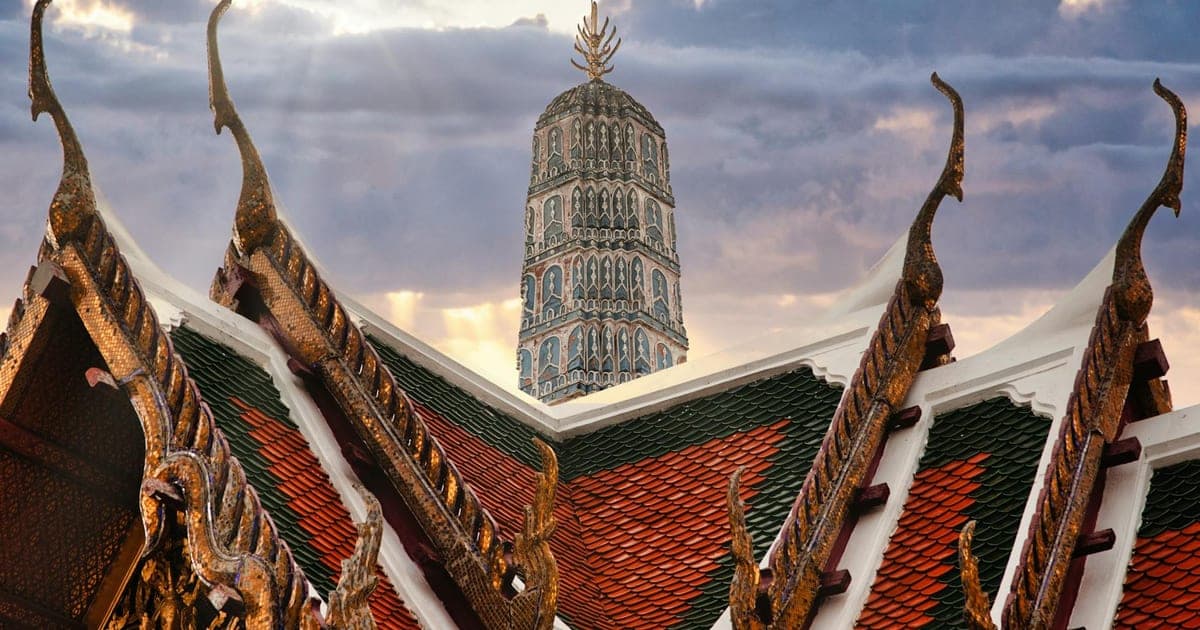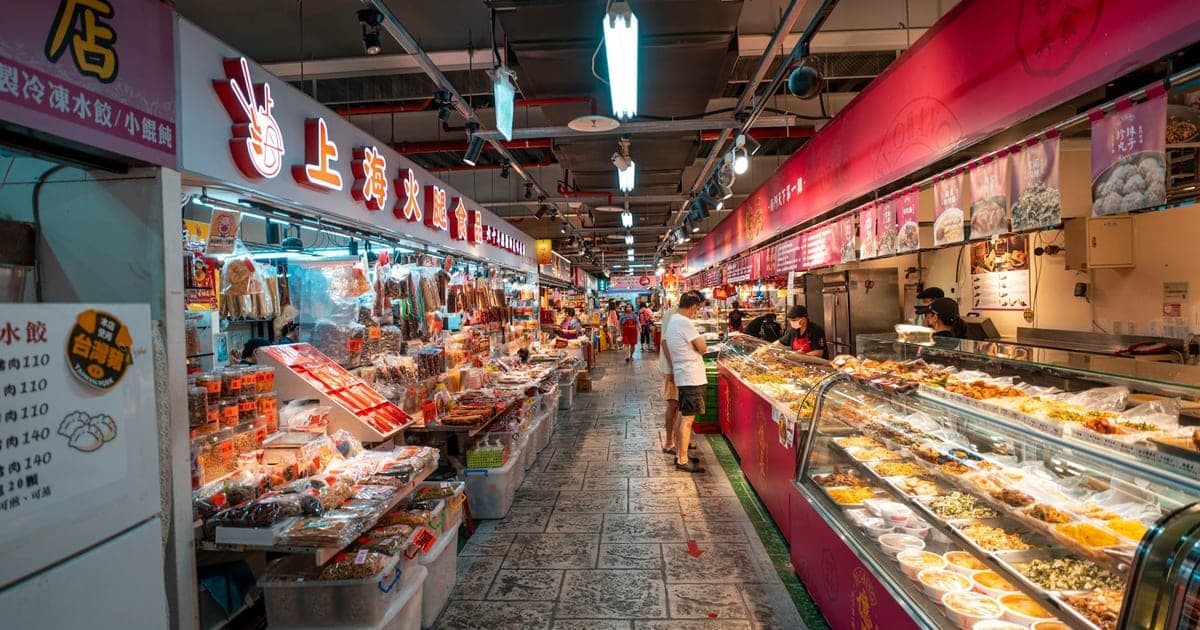
A Ásia continua sendo a campeã absoluta da viagem econômica em 2026, e nem chega perto. Enquanto um dia econômico na Europa Ocidental sai por $80-120 e até a Europa Oriental ultrapassa os $50-70, você pode comer três refeições, dormir em um quarto limpo e visitar templos antigos em partes da Ásia por menos do que custa um jantar medíocre em Paris.
Mas "a Ásia é barata" é uma generalização preguiçosa. Bangcoc não é mais o que era em 2010. Singapura te leva à falência mais rápido do que Londres. E mesmo dentro dos países baratos, as zonas turísticas inflam os preços drasticamente.
Então fomos específicos. Esta é uma lista ranqueada de 15 países onde o seu dinheiro rende mais em 2026 — com orçamentos diários reais baseados em preços reais de hostels, custos de comida de rua e tarifas de transporte. Não "mais ou menos acessível" — números reais.
Referência Rápida de Custos: Países Mais Baratos da Ásia
| País | Orçamento/Dia | Refeição de Rua | Cerveja | Cama em Dormitório | Melhor Para |
|---|---|---|---|---|---|
| Índia (Calcutá) | $12-18 | $0,50-1 | $1,50 | $3-5 | Mais barato no geral |
| Nepal (Catmandu) | $15-22 | $1,50-2,50 | $1,50 | $4-6 | Trekking + templos |
| Indonésia (Yogyakarta) | $15-22 | $1-2 | $2 | $4-7 | Templos da UNESCO |
| Índia (Goa) | $15-22 | $1,50-3 | $1,50 | $5-8 | Praias econômicas |
| Vietnã (Hanói) | $18-25 | $1,50-2,50 | $0,25-1 | $5-8 | Melhor custo-benefício gastronômico |
| Camboja (Siem Reap) | $20-28 | $2-3 | $0,50-1 | $4-7 | Angkor Wat |
| Laos (Luang Prabang) | $22-30 | $1,50-2,50 | $1-1,50 | $6-10 | Cidade da UNESCO |
| Tailândia (Chiang Mai) | $22-30 | $1-2 | $1,50-2 | $6-10 | Polo de nômades digitais |
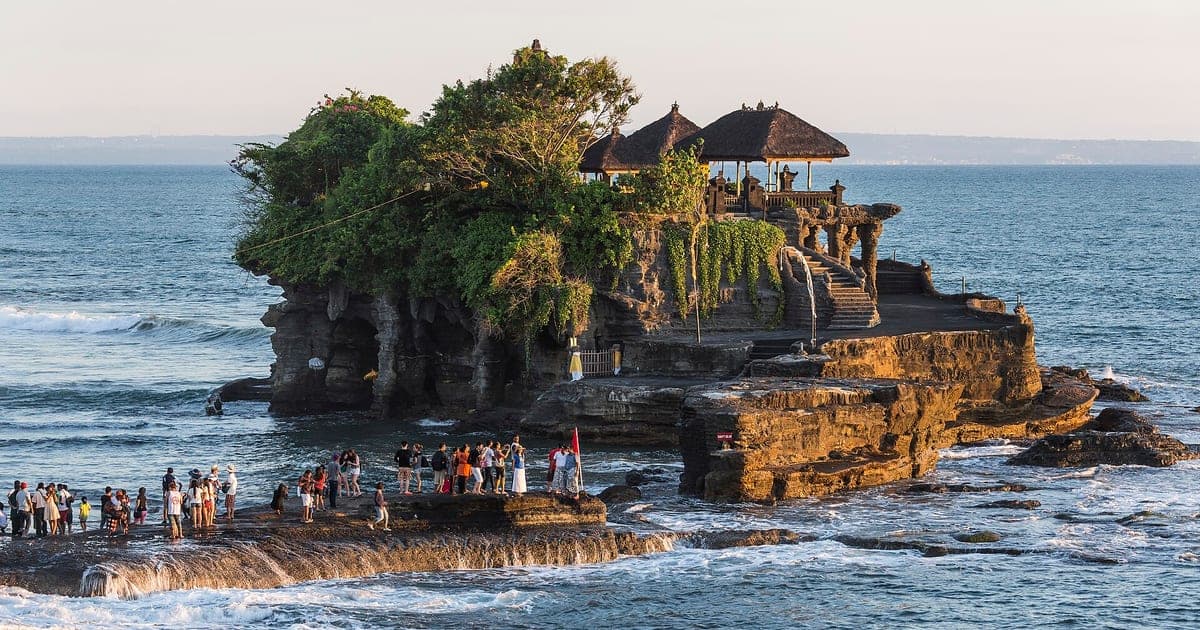
| Bali (Ubud) | $25-35 | $1,50-3 | $2-3 | $7-12 | Terraços de arroz, cultura |
Quanto custa uma viagem completa? 2 semanas de mochilão: $300-500 (Nepal/Índia), $400-700 (Sudeste Asiático). 3 semanas em categoria intermediária: $1.200-1.800. Detalhamento completo abaixo.
Como Calculamos Esses Orçamentos
Todo orçamento diário deste guia inclui:
- Hospedagem: Econômico = camas em dormitório ou pousadas básicas. Intermediário = quartos privativos em hotéis bem avaliados.
- Comida: Três refeições por dia, principalmente comida de rua e restaurantes locais para o econômico, e uma mistura de comida local e restaurantes mais bacanas para o intermediário.
- Transporte: Ônibus locais, trens, tuk-tuks ou caronas compartilhadas dentro da cidade.
- Atividades: 1-2 atrações ou experiências pagas por dia.
Os preços estão em dólares americanos (USD), com base em dados do início de 2026. Voos internacionais não estão incluídos — estamos falando do que você gasta uma vez que já está lá.
1. Hanói, Vietnã
Orçamento Diário: $18-25 | Intermediário: $40-55
Hanói é a capital com melhor custo-benefício do Sudeste Asiático, ponto final. Uma tigela de pho de uma barraca de rua custa $1,50. Uma bia hoi (chope fresco) sai por $0,25 — vinte e cinco centavos. Você pode comer como um rei pelo preço de um sanduíche de posto de gasolina lá na sua terra.
Destaques:
- O Bairro Antigo é uma sobrecarga sensorial de motocicletas, vendedores ambulantes e arquitetura milenar espremida em 36 ruas estreitas
- O Lago Hoan Kiem ao amanhecer, quando os moradores praticam tai chi e a cidade ainda não acordou
- O Templo da Literatura — a primeira universidade do Vietnã, que data de 1070 d.C.
Dica de comida: Pule os restaurantes perto do Lago Hoan Kiem. Caminhe 10 minutos até qualquer estabelecimento de banquinho de plástico na calçada nas ruas Hang Buom ou Hang Bac. O bun cha (carne de porco grelhada com macarrão, o prato que Obama comeu com Anthony Bourdain) custa $2 e é transformador.
Dica de ouro: O Grab (o aplicativo de transporte) é mais barato do que negociar com taxistas, e você evita o golpe do "taxímetro quebrado". Uma corrida de 20 minutos atravessando a cidade custa $1,50-2,50.
2. Siem Reap, Camboja
Orçamento Diário: $20-28 | Intermediário: $45-65
A porta de entrada para Angkor Wat é chocantemente barata depois que você compra o passe dos templos ($37 para o passe de um dia, $62 para três dias). Hospedagem, comida e transporte estão entre os mais baixos da Ásia.
Destaques:
- Angkor Wat ao nascer do sol — clichê por um motivo. Chegue até as 5h e caminhe além do espelho d'água principal até o lado norte, menos lotado
- Os 216 rostos de pedra do Templo Bayon encarando você de todos os ângulos
- As vilas flutuantes no Lago Tonle Sap, onde comunidades inteiras vivem sobre a água
Dica de comida: A Pub Street é a zona turística — ótima para uma cerveja, mas com comida cara demais. Vá para a região de Kandal Village ou para o Old Market para pratos khmer. O fish amok (curry de coco cozido no vapor em folhas de bananeira) custa $2-3 num lugar local e $8-12 na Pub Street.
Dica de ouro: Alugue uma bicicleta ($2-3/dia) para os circuitos de templos menores. O terreno é plano, as distâncias são tranquilas e você verá templos que os passeios de tuk-tuk pulam completamente.
3. Catmandu, Nepal
Orçamento Diário: $15-22 | Intermediário: $35-50
Catmandu talvez seja a cidade mais barata desta lista. Um dal bhat (prato de arroz e lentilha com acompanhamentos) — o prato nacional que alimenta o Himalaia — custa $1,50-3 em um restaurante local e é à vontade, com refis. As pousadas em Thamel começam em $5-8/noite.
Destaques:
- Estupa de Boudhanath — uma das maiores estupas do mundo, cercada por monastérios e bandeiras de oração
- Swayambhunath (Templo dos Macacos) ao pôr do sol, com vistas panorâmicas do vale
- A arquitetura medieval da Durbar Square, ainda em restauração após o terremoto de 2015
Dica de comida: Os momos (bolinhos tibetanos) em Catmandu são extraordinários. Um prato com 10 momos de búfalo no vapor custa $1-2. Experimente os fritos num lugar chamado OR2K em Thamel ou os de vapor em qualquer botequim na Jyatha Road.
Dica de ouro: Catmandu também é a base de partida para alguns dos trekkings mais baratos do mundo. A permissão para o Circuito de Annapurna custa $30 e a hospedagem em tea houses ao longo da rota sai por $3-8/noite, com refeições por $4-8. Nenhum outro país oferece trekking no Himalaia a esses preços.
4. Phnom Penh, Camboja
Orçamento Diário: $18-25 | Intermediário: $40-60
A capital do Camboja não tem os templos de Siem Reap, mas tem seu próprio charme bruto e alguns dos custos de vida mais baixos do Sudeste Asiático. O calçadão à beira-rio ao pôr do sol é genuinamente lindo, e a cena gastronômica rivaliza com a de cidades com o dobro do tamanho.
Destaques:
- O Palácio Real e o Pagode de Prata — ainda uma residência real em funcionamento, com arquitetura khmer extraordinária
- O Museu do Genocídio de Tuol Sleng e os Killing Fields — uma história essencial e impactante
- O Mercado Central (Phsar Thmei), uma cúpula art déco construída em 1937, repleta de tudo, de joias a comida de rua
Dica de comida: Coma no Mercado Russo (Phsar Tuol Tom Poung). As barracas de comida lá dentro servem pratos enormes de loc lac (carne salteada com arroz) por $2-3. Peça o caldo de cana por $0,50 — você vai precisar dele no calor.
Dica de ouro: O ônibus noturno de Phnom Penh para Siem Reap custa $10-12 e leva cerca de 6 horas. Ele te economiza uma diária de hospedagem. Reserve com a Giant Ibis — é a operadora mais confiável.
5. Luang Prabang, Laos
Orçamento Diário: $22-30 | Intermediário: $50-70
Luang Prabang é a cidadezinha mais bonita do Sudeste Asiático — uma cidade Patrimônio Mundial da UNESCO encravada entre os rios Mekong e Nam Khan. É mais cara que Vientiane, mas a combinação de arquitetura colonial francesa, templos budistas e a selva ao redor vale cada dólar.
Destaques:
- A cerimônia de esmolas ao amanhecer, quando centenas de monges em túnicas cor de açafrão caminham silenciosamente pelas ruas recolhendo oferendas
- As Cataratas de Kuang Si — cachoeiras turquesa em cascata a 30 minutos da cidade
- O mercado noturno na Sisavangvong Road, onde artesãos hmong vendem tecidos tecidos à mão por $5-15
Dica de comida: O mercado matinal perto do Palácio Real é onde os moradores compram o café da manhã. O khao piak sen (sopa de macarrão de arroz laosiano) custa $1,50 e vem com um prato de ervas frescas. A Joma Bakery Cafe faz um excelente café laosiano por $2 se você precisar de uma dose de espresso.
Dica de ouro: Pegue o barco lento de/para Huay Xai (fronteira tailandesa) — é uma jornada de dois dias rio Mekong abaixo por $25-30, com uma parada para pernoite em Pakbeng. Uma das grandes experiências de viagem econômica da Ásia.
6. Vientiane, Laos
Orçamento Diário: $18-25 | Intermediário: $40-55
A capital do Laos é uma das capitais mais tranquilas (e baratas) da Ásia. Parece mais uma cidade pequena do que uma capital nacional — sem arranha-céus, sem hora do rush de verdade, apenas avenidas largas, vilas francesas decadentes e monges caminhando para as orações da manhã.
Destaques:
- Pha That Luang — o monumento nacional mais importante do Laos, uma estupa coberta de ouro que brilha ao pôr do sol
- O Parque dos Budas (Xieng Khuan), a 25 km da cidade — um surreal jardim de esculturas com Budas e divindades hindus gigantes de concreto
- A beira do rio Mekong ao pôr do sol com uma Beer Lao ($1-1,50) na mão
Dica de comida: As barracas de comida da noite ao longo do calçadão do Mekong servem o churrasco laosiano (sin dat) — uma grelha de mesa onde você cozinha suas próprias carnes marinadas, com verduras à vontade. Custa $4-6 por pessoa e é uma das melhores experiências gastronômicas do país.
Dica de ouro: Vientiane é uma ótima base para bate-voltas. O ônibus para Vang Vieng custa $5-7 e leva 3-4 horas atravessando uma paisagem dramática de montanhas cársticas.
7. Calcutá, Índia
Orçamento Diário: $12-18 | Intermediário: $30-45
Calcutá (Kolkata) é a Índia no seu mais intenso, generoso e barato. O orçamento diário aqui é quase absurdamente baixo. A comida de rua custa centavos. O metrô é $0,10-0,25 por viagem. E a herança intelectual e artística da cidade — ela foi o centro do Renascimento Bengali — lhe dá uma profundidade cultural que rivaliza com Délhi ou Mumbai por uma fração do custo.
Destaques:
- O Victoria Memorial — um museu de mármore branco cercado por jardins, tão deslumbrante quanto o Taj Mahal, mas sem multidões
- A Ponte Howrah ao amanhecer, quando o mercado de flores embaixo dela explode em cor e movimento
- A College Street, o maior mercado de livros usados do mundo
Dica de comida: A comida de rua de Calcutá é lendária. Os kathi rolls (pães achatados recheados com carne ou paneer temperados) custam $0,40-0,80 no Nizam's ou no Hot Kathi Roll, na Park Street. O puchka (cascas crocantes recheadas com água temperada) é $0,30 por um prato de seis em qualquer vendedor ambulante. É a melhor coisa que você comerá na Índia por menos de um dólar.
Dica de ouro: Pegue o bonde de Calcutá — a mais antiga rede de bondes em operação na Ásia. Uma viagem custa $0,10 e é uma experiência em si.
8. Yogyakarta, Indonésia
Orçamento Diário: $15-22 | Intermediário: $35-55
Todo mundo vai para Bali. Os viajantes econômicos espertos vão para Yogyakarta (os locais a chamam de "Jogja"). É a capital cultural de Java — lar de dois templos Patrimônio Mundial da UNESCO que rivalizam com Angkor Wat — e custa metade do que você gastaria em Bali.
Destaques:
- Borobudur ao nascer do sol — o maior templo budista do mundo, um monumento do século IX com 2.672 painéis em relevo e 504 estátuas de Buda
- Prambanan, um complexo de templos hindus da mesma época, espetacularmente iluminado à noite durante as apresentações do Ballet Ramayana
- O Palácio do Sultão (Kraton), uma corte real viva onde a cultura javanesa tradicional é preservada
Dica de comida: O gudeg — jaca cozida no leite de coco com arroz, frango e ovo — é o prato típico de Jogja. Coma no Gudeg Yu Djum por $1,50-2,50. Para a experiência completa de comida de rua, vá à Jalan Malioboro à noite, quando dezenas de restaurantes lesehan (estilo no chão sobre esteiras) tomam as calçadas.
Dica de ouro: Alugue uma scooter ($4-5/dia) e vá até a Caverna Jomblang, uma caverna vertical onde a luz do sol entra por um buraco e ilumina um rio subterrâneo. Custa $35 pelo tour guiado, que é a maior despesa única que você terá em Jogja — e vale cada centavo.
9. Chiang Mai, Tailândia
Orçamento Diário: $22-30 | Intermediário: $45-65
Chiang Mai é onde metade dos nômades digitais do mundo acaba parando, e por um bom motivo. A Cidade Velha é cercada por muralhas e fossos antigos, recheada com mais de 300 templos e rodeada por montanhas. O custo de vida é baixo até para os padrões tailandeses, e a comida é, sem dúvida, a melhor da Tailândia.
Destaques:
- O templo Doi Suthep, empoleirado em uma montanha com vista para a cidade — suba os 309 degraus (ou pegue o teleférico)
- O mercado da Sunday Walking Street — o melhor mercado noturno da Tailândia, estendendo-se por mais de um quilômetro pela Cidade Velha
- Aulas de culinária por $25-35 que incluem um tour pelo mercado e 5-6 pratos que você realmente vai refazer em casa
Dica de comida: O khao soi (sopa de macarrão com curry de coco coberta com macarrão crocante) é o prato essencial de Chiang Mai. Coma no Khao Soi Khun Yai, na Charoen Rat Road — $1,50 a tigela. A praça de alimentação do Warorot Market serve refeições completas (pad thai, curries, carnes grelhadas) por $1-2.
Dica de ouro: Evite "santuários" de elefantes que permitem cavalgá-los — é prejudicial. O Elephant Nature Park ($80 por um dia inteiro) é o padrão-ouro para visitas éticas. É caro para os padrões locais, mas é a coisa de verdade.
10. Goa, Índia
Orçamento Diário: $15-22 | Intermediário: $35-55
Goa é o destino de praia da Índia, e de novembro a março é um dos lugares mais baratos da Ásia para se instalar em uma praia linda com uma Kingfisher gelada na mão. A herança colonial portuguesa lhe dá um sabor único — igrejas católicas ao lado de templos hindus, vindaloo ao lado de thalis de peixe.
Destaques:
- A Praia de Palolem, no sul de Goa — uma meia-lua de areia branca que é deslumbrante sem ser superlotada
- As basílicas e catedrais de Old Goa, especialmente a Basílica de Bom Jesus (um sítio da UNESCO que abriga as relíquias de São Francisco Xavier)
- O Mercado Noturno de Sábado em Arpora — música ao vivo, barracas de comida de todas as cozinhas e produtos artesanais de artesãos locais
Dica de comida: As barracas de praia são a sensação. O thali de peixe (curry de peixe, arroz, pão, picles e acompanhamentos) custa $2-4 numa barraca local. Um peixe inteiro grelhado (geralmente pampo ou cavala-rei) sai por $4-6. Em um restaurante turístico, o mesmo peixe custa $12-15. Coma nas barracas.
Dica de ouro: O norte de Goa (Baga, Calangute, Anjuna) é a zona da balada — mais barulhenta e turística. O sul de Goa (Palolem, Agonda, Cabo de Rama) é mais tranquilo, mais limpo e um pouco mais barato. Se você quer relaxar, vá para o sul.
11. Pokhara, Nepal
Orçamento Diário: $15-22 | Intermediário: $35-50
Pokhara é a prima descontraída de Catmandu — uma cidade à beira de um lago, cercada pela cordilheira de Annapurna. As vistas do Machapuchare (Montanha Cauda de Peixe) refletido no Lago Phewa são o tipo de cenário para o qual os cartões-postais foram inventados. Também é a base para os trekkings mais populares do Nepal.
Destaques:
- Nascer do sol no mirante de Sarangkot — vistas panorâmicas das cordilheiras de Annapurna e Dhaulagiri
- Voo de parapente sobre o Lago Phewa com vistas do Himalaia ($65-80 por um voo duplo de 30 minutos — o parapente mais barato do Himalaia em qualquer lugar)
- O World Peace Pagoda, uma estupa branca no topo de uma colina com vistas do lago e das montanhas em todas as direções
Dica de comida: A região do Lakeside tem muitos restaurantes turísticos, mas para um bom custo-benefício vá para a área do Old Bazaar. O dal bhat em uma bhojanalaya (cantina) local custa $1,50-2,50 com refis à vontade. O conjunto thakali (um prato regional com 6-8 itens) no Thakali Kitchen sai por $3-4 e é uma das melhores refeições do Nepal.
Dica de ouro: Alugue um caiaque no Lago Phewa por $2-3/hora e reme até o Templo Tal Barahi, na ilha no meio do lago. É tranquilo, as vistas são incríveis e custa quase nada.
12. Mandalay, Mianmar
Orçamento Diário: $20-28 | Intermediário: $40-60
Mianmar passou por tempos turbulentos, e o turismo caiu significativamente desde 2021. Para os viajantes que de fato visitam o país em 2026, Mandalay oferece uma riqueza cultural extraordinária a preços muito baixos. É o coração cultural e espiritual de Mianmar — mais tradicional e menos turístico do que Yangon.
Destaques:
- A Ponte U Bein ao pôr do sol — a maior ponte de teca para pedestres do mundo, com 1,2 km atravessando o Lago Taungthaman
- A Colina de Mandalay ao nascer do sol, com vistas de 360 graus sobre a cidade e o Rio Irrawaddy
- As oficinas de folha de ouro e as ruas de entalhe em mármore, onde artesãos ainda praticam ofícios centenários
Dica de comida: O macarrão shan (macarrão de arroz num molho à base de tomate com carne de porco moída) é a melhor comida de rua de Mandalay, a $0,80-1,50 a tigela. As casas de chá servem chá à vontade com a sua refeição — peça um prato de samosas ($0,30 cada) e fique por ali curtindo, como os locais fazem.
Dica de ouro: Verifique os alertas de viagem do seu governo antes de visitar Mianmar. As condições variam de região para região. Mandalay e Bagan geralmente são acessíveis, mas sempre confirme as informações atuais e viaje com um guia local de boa reputação.
13. Galle, Sri Lanka
Orçamento Diário: $22-30 | Intermediário: $50-70
Os custos do Sri Lanka se estabilizaram após a turbulência econômica de 2022-2023, e Galle é o destino que mais se destaca. O forte colonial holandês — um Patrimônio Mundial da UNESCO — é uma cidade murada de lojinhas boutique, cafés e muralhas decadentes com vista para o Oceano Índico. Fora do forte, os preços reais do Sri Lanka entram em cena.
Destaques:
- Caminhar pelas muralhas do Forte de Galle ao pôr do sol — uma das melhores experiências gratuitas da Ásia
- A praia de Unawatuna, a 10 minutos de Galle, com águas turquesa calmas e snorkeling nos recifes
- Mirissa, 40 minutos a leste, para a observação de baleias-azuis (novembro-abril, $40-50 por um passeio de barco)
Dica de comida: Dentro do forte, coma no Fort Deli um prato de arroz com curry do Sri Lanka ($4-5). Fora do forte, a mesma refeição em um local de "rice and curry" custa $1,50-2,50 e vem com 5-6 curries de vegetais, sambol e papadum. Procure lugares com movimento na hora do almoço — alta rotatividade significa comida fresca.
Dica de ouro: Pegue o trem costeiro de Colombo a Galle ($2-3 por uma passagem de segunda classe, 3 horas). Ele segue ao longo da costa com vistas do mar o caminho todo. Sente-se no lado esquerdo indo para o sul.
14. Cidade de Ho Chi Minh, Vietnã
Orçamento Diário: $20-28 | Intermediário: $45-65
Saigon (todo mundo ainda chama assim) é maior, mais barulhenta e mais moderna que Hanói — uma cidade de 10 milhões de pessoas, 8 milhões de motos e algumas das melhores comidas de rua do planeta. É um pouco mais cara que Hanói, mas a profundidade da cena gastronômica e a energia da cidade fazem valer cada dólar a mais.
Destaques:
- O Museu dos Vestígios da Guerra — um dos museus de guerra mais impactantes do mundo, profundamente comovente independentemente da sua nacionalidade
- A arquitetura colonial do Distrito 1: o Correio Central (projetado por Gustave Eiffel), a Catedral de Notre-Dame e a Casa de Ópera
- Os Túneis de Cu Chi, 70 km a noroeste — a rede subterrânea usada durante a Guerra do Vietnã
Dica de comida: O banh mi (sanduíche de baguete vietnamita) foi aperfeiçoado aqui. O Banh Mi Huynh Hoa, na Le Thi Rieng Street, serve o que muitos consideram o melhor da cidade por $2. Vá cedo — a fila fica longa. Para pho, o Pho Le, na Nam Ky Khoi Nghia Street, serve a mesma receita desde 1968. Uma tigela custa $2,50.
Dica de ouro: O Delta do Mekong fica a 2 horas de ônibus ($5-8) da cidade. Pule os tours em grupo e pegue um ônibus local para Ben Tre ou Can Tho para uma experiência autêntica de mercado flutuante por uma fração do preço do tour.
15. Ubud, Bali, Indonésia
Orçamento Diário: $25-35 | Intermediário: $50-80
Ubud é o destino mais caro desta lista, e ainda assim custa menos por dia do que uma viagem econômica na maior parte da Europa. Os terraços de arroz, a cultura dos templos e a cena gastronômica fazem dele o tipo certo de luxo acessível. Não é um destino de praia — é selva, arte e espiritualidade.
Destaques:
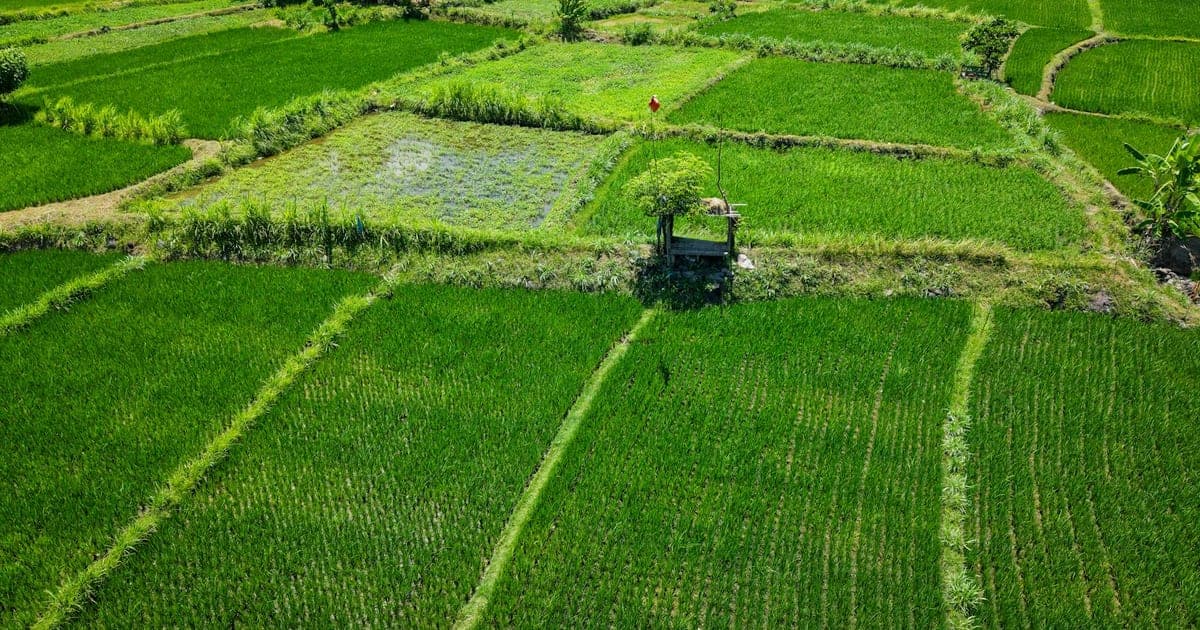
- Os Terraços de Arroz de Tegallalang — os icônicos degraus verdes que definem a identidade visual de Bali
- A Floresta Sagrada dos Macacos, onde 1.260 macacos-de-cauda-longa circulam por ruínas de templos antigos
- Tirta Empul, um templo de água onde locais e visitantes participam de um ritual hindu de purificação
Dica de comida: Coma nos warungs (restaurantes locais), não nos cafés instagramáveis. O Warung Biah Biah serve pratos balineses autênticos por $2-4 — o nasi campur (arroz misto) é perfeito. Uma smoothie bowl em um café da moda custa $7-10. Um nasi goreng num warung custa $1,50. Faça as contas.
Dica de ouro: A verdadeira mágica de Ubud está fora do centro da cidade. Alugue uma scooter ($4-6/dia) e vá até Sidemen, a uma hora a leste, onde os terraços de arroz são igualmente deslumbrantes, mas vazios de turistas. O Monte Agung surge ao fundo e você terá o lugar só para você.
Tabela Comparativa de Orçamentos
| Destino | Econômico ($/dia) | Intermediário ($/dia) | Refeição de Rua | Cerveja | Cama em Dormitório |
|---|---|---|---|---|---|
| Calcutá, Índia | $12-18 | $30-45 | $0,50-1 | $1,50 | $3-5 |
| Catmandu, Nepal | $15-22 | $35-50 | $1,50-2,50 | $1,50 | $4-6 |
| Pokhara, Nepal | $15-22 | $35-50 | $1,50-2,50 | $1,50 | $4-6 |
| Yogyakarta, Indonésia | $15-22 | $35-55 | $1-2 | $2 | $4-7 |
| Goa, Índia | $15-22 | $35-55 | $1,50-3 | $1,50 | $5-8 |
| Hanói, Vietnã | $18-25 | $40-55 | $1,50-2,50 | $0,25-1 | $5-8 |
| Vientiane, Laos | $18-25 | $40-55 | $1,50-2,50 | $1-1,50 | $5-8 |
| Phnom Penh, Camboja | $18-25 | $40-60 | $2-3 | $0,50-1 | $4-7 |
| Siem Reap, Camboja | $20-28 | $45-65 | $2-3 | $0,50-1 | $4-7 |
| Mandalay, Mianmar | $20-28 | $40-60 | $1-2 | $1-1,50 | $5-8 |
| Cidade de Ho Chi Minh, Vietnã | $20-28 | $45-65 | $1,50-2,50 | $0,50-1 | $5-8 |
| Chiang Mai, Tailândia | $22-30 | $45-65 | $1-2 | $1,50-2 | $6-10 |
| Galle, Sri Lanka | $22-30 | $50-70 | $1,50-3 | $2-3 | $6-10 |
| Luang Prabang, Laos | $22-30 | $50-70 | $1,50-2,50 | $1-1,50 | $6-10 |
| Ubud, Bali | $25-35 | $50-80 | $1,50-3 | $2-3 | $7-12 |
Dicas Que Valem em Todo Lugar
Dinheiro:
- Os caixas eletrônicos cobram $2-5 por saque na maioria dos países asiáticos. Saque valores maiores com menos frequência. Os cartões de débito Charles Schwab e Wise reembolsam as taxas de caixa eletrônico.
- O dinheiro em espécie é rei nos destinos econômicos. Os cartões de crédito funcionam em hotéis e restaurantes de categoria intermediária, mas não nas barracas de rua, no transporte local ou nos mercados.
Hospedagem:
- Booking.com e Agoda costumam mostrar preços diferentes para o mesmo hotel na Ásia. Confira os dois. O Agoda geralmente é mais barato no Sudeste Asiático.
- Pousadas reservadas pessoalmente costumam ser mais baratas do que os anúncios online, especialmente no Nepal, Laos e Camboja.
Comida:
- Se os locais estão comendo ali, coma ali. Se o cardápio tem fotos e preços em três moedas, vá embora.
- A água engarrafada custa $0,25-0,50 em todo lugar. Reserve $1-2/dia para água. Leve uma garrafa com filtro (Grayl ou LifeStraw) para economizar dinheiro e plástico.
Transporte:
- Voos domésticos em companhias econômicas (AirAsia, VietJet, IndiGo) costumam ser mais baratos do que trens noturnos quando reservados com 2-3 semanas de antecedência.
- Grab e Gojek funcionam no Vietnã, Camboja, Tailândia, Indonésia e Mianmar. Use-os sempre em vez de táxis sem taxímetro.
Deixe a AI Planejar Sua Viagem pela Ásia em Qualquer Orçamento
Quinze destinos, infinitos roteiros possíveis. Talvez você queira combinar Hanói e Luang Prabang em uma viagem terrestre de duas semanas — confira o nosso guia do Vietnã para iniciantes para um roteiro completo de 10 dias. Talvez você esteja tentando descobrir se Bali ou Goa oferece mais praia por menos dinheiro. Talvez você tenha $1.000 e três semanas e queira saber exatamente até onde isso vai render.
A AI da MonkeyTravel monta roteiros personalizados pela Ásia em 30 segundos — orçamentos diários reais, recomendações de restaurantes de verdade e rotas inteligentes para você não ficar voltando atrás entre os países.
Planejar Minha Viagem pela Ásia — Grátis
Perguntas Frequentes
Qual é o país mais barato da Ásia para turistas em 2026?
Nepal e Índia são os mais baratos no geral. Você pode viajar com conforto em Calcutá por $12-18/dia e em Catmandu por $15-22/dia. Camboja, Laos e Vietnã são os mais baratos do Sudeste Asiático, com orçamentos diários começando em torno de $18-25.
O Sudeste Asiático ainda é barato em 2026?
Sim, embora os preços tenham subido 10-20% em relação aos níveis pré-pandemia nas zonas turísticas mais populares. Bali e Bangcoc tiveram os maiores aumentos. Camboja, Laos e Vietnã continuam excepcionalmente acessíveis. O melhor custo-benefício está nas cidades secundárias — Yogyakarta em vez de Bali, Chiang Mai em vez de Bangcoc, Hoi An em vez de Da Nang.
Quanto dinheiro eu preciso para 2 semanas na Ásia?
Com um orçamento apertado (dormitórios, comida de rua, transporte local): $300-500 para Nepal ou Índia, $400-700 para o Sudeste Asiático. Categoria intermediária (quartos privativos, restaurantes com mesa, tours ocasionais): $700-1.200 para a maioria dos destinos. Esses valores não incluem voos internacionais.
É seguro comer comida de rua na Ásia?
A comida de rua é geralmente segura se você seguir regras básicas: coma onde os locais comem, escolha barracas com alta rotatividade (a comida não fica parada), certifique-se de que a carne seja preparada na hora na sua frente e evite vegetais crus lavados com água local. Milhões de pessoas comem comida de rua todos os dias — muitas vezes é mais seguro do que restaurantes turísticos vazios, porque os ingredientes não ficam parados.
Qual é a melhor época para visitar o Sudeste Asiático com pouco dinheiro?
As temporadas intermediárias oferecem o melhor custo-benefício. Março-maio (antes das monções, mas depois da alta temporada) e outubro-novembro (fim das monções, antes da correria do Natal) oferecem preços mais baixos e menos multidões. Evite Natal/Ano-Novo e o Ano-Novo Chinês, quando os preços disparam em toda a região.
Fontes: Numbeo Cost of Living Index 2026, Budget Your Trip Asia Data, Lonely Planet Southeast Asia Budget Guide, Nomadic Matt Asia Travel Costs, Travelfish Southeast Asia, Agoda Hotel Price Index