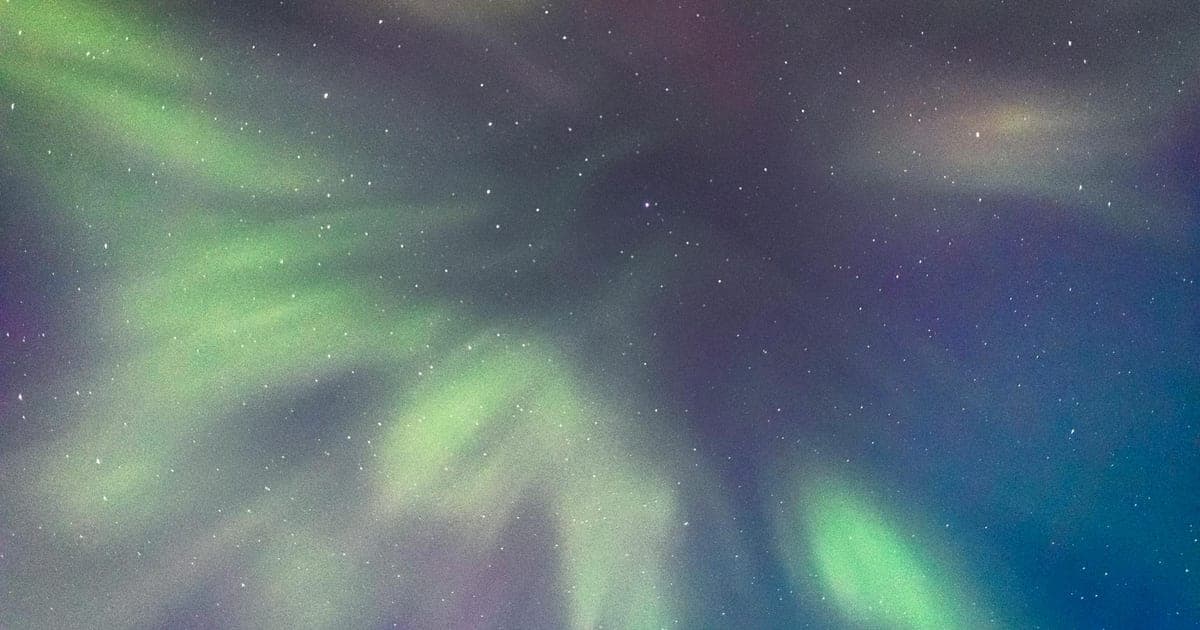
The northern lights are one of those things that sound better than they often are. You fly somewhere freezing, stand outside for three hours staring at clouds, and go to bed disappointed. That's what happens when you don't plan it right.
But when it works — when the sky cracks open in green and violet and you stand there with your mouth open like a child — it's the single most spectacular natural phenomenon you'll ever witness.
This guide is about making sure it works. We've ranked 12 destinations by aurora probability, real costs, accessibility, and what else you can do if the lights don't show. Because even in the best locations, clear skies are never guaranteed — so you need a trip worth taking regardless.
Quick Budget Reference: Northern Lights Destinations by Price
| Budget Tier | Destinations | Cost/Night | Aurora Probability |
|---|---|---|---|
| Under $120/night | Senja (Norway), Abisko (Sweden), Scottish Highlands | $100-200 | 30-90% |
| $120-200/night | Fairbanks (Alaska), Yellowknife (Canada), Finnish Lapland, Lofoten | $130-260 | 70-85% |
| $200+/night | Iceland, Svalbard, Hurtigruten cruise | $180-400 | 60-85% |
Why 2026 matters: We are near the peak of Solar Cycle 25 — the strongest aurora activity in over a decade. After late 2026, solar activity will decline steadily until approximately 2035. This is genuinely the best opportunity in 11 years. Not marketing hype — astrophysics.
How the Northern Lights Work (60-Second Version)
The aurora borealis happens when charged particles from the sun collide with Earth's atmosphere. These particles follow Earth's magnetic field lines toward the poles, exciting gas molecules and producing light — green from oxygen at lower altitudes, purple and red from nitrogen higher up.
What matters for planning:
- Solar cycle: We're near the peak of Solar Cycle 25 (2024-2026), which means stronger and more frequent auroras than usual. This is genuinely the best time in a decade.
- KP index: Aurora strength is measured on a 0-9 scale. KP 3+ is visible from northern locations. KP 5+ means strong displays. KP 7+ is a major storm visible much further south.
- Best months: September-March, with peak darkness from November-February.
- Best hours: 10 PM - 2 AM, though major storms can start earlier.
- Enemies: City light pollution and cloud cover. Both will ruin your chances regardless of solar activity.
The 12 Best Places to See the Northern Lights
1. Tromso, Norway
Aurora probability: Very High (85%+ over a 3-night stay)
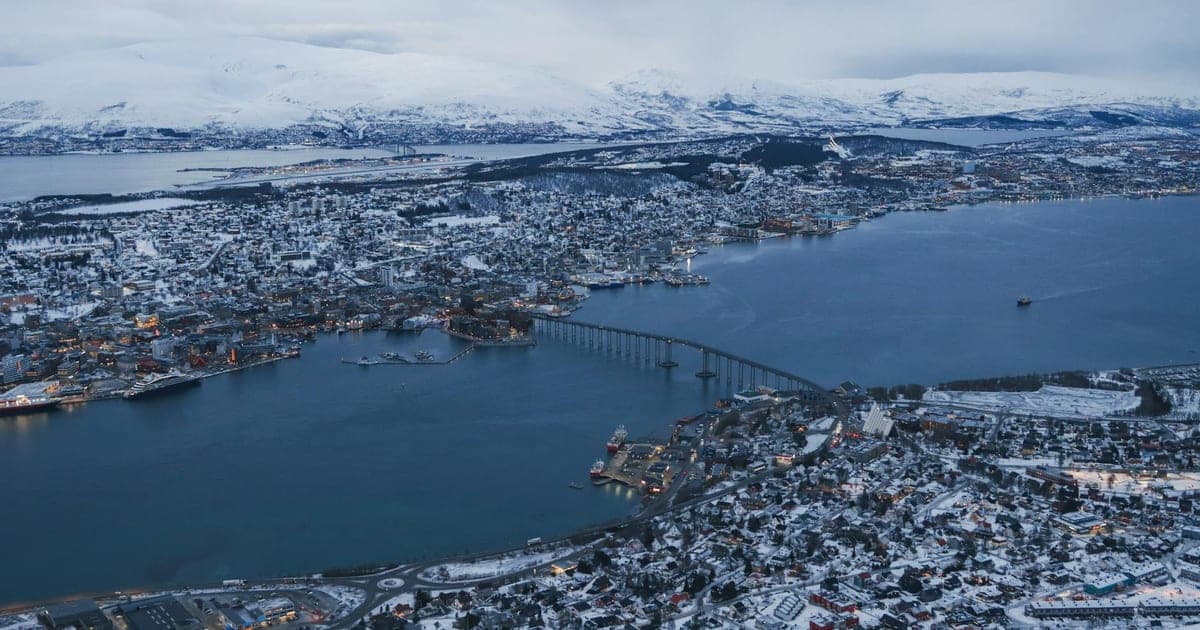
Tromso is the most reliable northern lights destination on Earth, period. It sits at 69°N — well inside the auroral zone — and benefits from the warm Gulf Stream, which keeps temperatures surprisingly mild for the Arctic (around -4°C in winter, not the -30°C of inland Scandinavia).
- Best months: September-March
- Budget: $150-250/day including accommodation and meals
- Getting there: Direct flights from Oslo (1h50), London, and several European cities
- How long: Minimum 3 nights for a strong chance of clear skies
What to do: Chase tours from Tromso are among the world's best — guides drive 100-200 km to find clear skies, dramatically improving your odds. A guided chase tour runs $150-200 per person. By day, try whale watching (October-January), dog sledding, or take the Fjellheisen cable car for panoramic Arctic views.
Pro tip: Visit during the Polar Night (late November-mid January) for maximum darkness hours, or come in late September/October when you also get stunning autumn colors.
2. Lofoten Islands, Norway
Aurora probability: High (75%+ over 3 nights)
The Lofoten Islands offer something no other aurora destination can: dramatic mountain and fjord scenery that makes your photos look like they belong in a gallery. The aurora reflecting off still fjord waters is genuinely jaw-dropping.
- Best months: September-March
- Budget: $130-220/day (rorbu cabins are worth the splurge at $150-250/night)
- Getting there: Fly to Svolvaer or Leknes from Oslo or Bodo
- How long: 4-5 nights (weather is more variable than Tromso)
What to do: Stay in a traditional rorbu (fisherman's cabin) on the waterfront. Hamnoy and Reine are the most photogenic villages. Hike to Reinebringen for the iconic Lofoten view. The fishing villages themselves are worth the trip even without the aurora.
3. Abisko, Sweden
Aurora probability: Very High (90%+ over 3 nights)
Abisko has the highest statistical probability of clear skies of any aurora destination, thanks to a unique microclimate created by Lake Tornetrask. The "blue hole of Abisko" is a real meteorological phenomenon — clouds part over this area more often than anywhere nearby.
- Best months: October-March
- Budget: $120-200/day
- Getting there: Fly to Kiruna, then 90 minutes by bus/train to Abisko
- How long: 2-3 nights (clear sky probability is exceptionally high)
What to do: The Aurora Sky Station on Mount Nuolja (accessible by chairlift) is one of the world's best aurora viewing platforms. Guided tours at the station include hot drinks and expert guidance. During the day, Abisko National Park offers cross-country skiing and snowshoeing through pristine Arctic wilderness.
Pro tip: Abisko is small and remote — that's the point. Don't expect nightlife or shopping. Do expect some of the clearest dark skies in Europe.
4. Rovaniemi & Finnish Lapland, Finland
Aurora probability: High (70%+ over 3 nights)
Finnish Lapland combines aurora hunting with the most complete Arctic winter experience — glass igloos, reindeer sleigh rides, and Santa Claus Village (yes, it's touristy, but kids love it). Rovaniemi is the gateway city, though heading further north to Inari or Muonio increases your odds.
- Best months: September-March
- Budget: $140-250/day (glass igloos are $300-600/night but sell out months ahead)
- Getting there: Direct flights to Rovaniemi from Helsinki (1h20) and several European cities
- How long: 3-4 nights
What to do: Book a glass igloo or aurora cabin at Arctic SnowHotel, Kakslauttanen, or Levin Iglut for the ultimate sleep-under-the-aurora experience. Smoke sauna followed by a dip in a frozen lake is a Finnish essential. Reindeer safaris and husky sledding are available everywhere.
Pro tip: Inari (260 km north of Rovaniemi) has significantly less light pollution and higher aurora probability. Worth the drive.
5. Reykjavik & Southern Iceland
Aurora probability: Moderate-High (65%+ over 3 nights)
Iceland offers the best combination of aurora viewing and diverse daytime activities of any destination on this list. The drawback? Cloud cover. Iceland is notoriously cloudy, which is why you need at least 3-4 nights and willingness to drive.
- Best months: September-March (October and February-March often have the clearest skies)
- Budget: $180-320/day (Iceland is expensive — no way around it)
- Getting there: Direct flights from major cities in North America and Europe (Keflavik airport)
- How long: 4-5 nights minimum
What to do: Drive the Golden Circle or South Coast and hunt aurora outside Reykjavik where light pollution drops. The Snaefellsnes Peninsula and Vik are outstanding dark-sky locations. By day, visit Thingvellir National Park, Geysir, Gullfoss, Jokulsarlon glacier lagoon, and the Blue Lagoon.
Pro tip: Rent a car. Reykjavik city has too much light pollution. You need to drive 30-45 minutes out of town minimum. The Icelandic Met Office aurora forecast (en.vedur.is) is your best friend — check it hourly.
6. Fairbanks, Alaska, USA
Aurora probability: Very High (80%+ over 3 nights)
Fairbanks is North America's aurora capital. Its inland location means drier air and clearer skies than coastal alternatives, and it sits directly under the auroral oval. For travelers based in the US or Canada, it's the easiest high-probability destination to reach.
- Best months: September-March (the equinox months of September and March often produce the strongest storms)
- Budget: $130-220/day
- Getting there: Direct flights from Seattle, Anchorage, and several US cities
- How long: 3-4 nights
What to do: Chena Hot Springs Resort (60 miles from Fairbanks) offers natural hot springs where you can soak while watching the aurora — genuinely one of the most surreal experiences available. The University of Alaska's Geophysical Institute provides nightly aurora forecasts specific to Fairbanks.
Pro tip: March is an excellent month for Fairbanks — you still get long dark nights but the temperatures are far more bearable than December-January (around -15°C vs. -35°C).
7. Yellowknife, Canada
Aurora probability: Very High (85%+ over 3 nights)
Yellowknife is statistically one of the best aurora-viewing cities in the world. Its position under the auroral oval and its cold, dry continental climate produce exceptionally clear skies. The city has built an entire tourism industry around aurora viewing.
- Best months: September-March (mid-November to mid-April for consistent darkness)
- Budget: $150-260/day
- Getting there: Flights from Edmonton, Calgary, Vancouver, and Ottawa
- How long: 3 nights (operators guarantee sightings over 3 nights with near-100% success)
What to do: Aurora Village and North Star Adventures run heated teepee setups on frozen lakes — comfortable viewing without frostbite. The city also offers ice fishing, dog mushing, and snow-mobiling. In autumn (September), combine aurora viewing with canoe trips on Great Slave Lake.
8. Senja, Norway
Aurora probability: High (75%+ over 3 nights)
Norway's second-largest island is the under-the-radar alternative to Lofoten — equally dramatic scenery, a fraction of the tourists, and significantly lower prices. The jagged mountain peaks and sheltered fjords create extraordinary aurora backdrops.
- Best months: September-March
- Budget: $100-180/day (noticeably cheaper than Lofoten)
- Getting there: Fly to Tromso, then 2.5 hours by car/bus
- How long: 3-4 nights
What to do: The Bergsbotn viewing platform and Husoy fishing village are standout locations. Segla peak is an incredible but strenuous winter hike. Combine Senja with a few nights in Tromso for the best of both worlds.
9. Scottish Highlands, UK
Aurora probability: Low-Moderate (30%+ over 3 nights, higher during strong storms)
Scotland won't make anyone's list of guaranteed aurora destinations — but during solar maximum (which we're in right now), the Highlands produce surprisingly frequent displays. And you don't need a visa, you fly direct from almost anywhere in Europe, and the whisky and scenery are world-class consolation prizes.
- Best months: October-March
- Budget: $110-200/day
- Getting there: Fly to Inverness from London, Edinburgh, or other UK cities
- How long: 3-5 nights (lower probability means you need more time)
What to do: Caithness, the Isle of Lewis, and the Moray Firth coast are the best locations. The Durness area in the far northwest has minimal light pollution. By day, explore castles, distilleries, and some of the most dramatic coastal scenery in Europe.
Pro tip: Don't fly to Scotland specifically for the aurora unless KP forecasts are at 5+. But if you're already planning a Scotland trip between October and March, add a Highland night or two in a dark-sky area. The bonus of catching the lights is genuinely magical.
10. Svalbard, Norway
Aurora probability: Moderate (60%+ over 3 nights — but unique daytime aurora)
Svalbard is the only destination on this list where you can see the aurora during daytime. During the Polar Night (mid-November to late January), it's dark 24 hours — meaning if the solar wind cooperates, you can see aurora at noon. Svalbard also offers something nowhere else does: the most extreme Arctic wilderness accessible by commercial flight.
- Best months: November-February (Polar Night for maximum darkness)
- Budget: $200-350/day (remote location premium)
- Getting there: Fly to Longyearbyen from Oslo or Tromso
- How long: 3-4 nights
What to do: Snowmobile expeditions to ice caves, dog sledding under the stars (or aurora), and visits to the Global Seed Vault entrance. This is a true Arctic adventure destination — expect polar bear safety briefings and temperatures around -15 to -25°C.
11. Murmansk, Russia (Limited Access — Check Travel Advisories)
Aurora probability: Very High (80%+ over 3 nights)
Murmansk sits at 68°N and is the world's largest city above the Arctic Circle. Historically one of the best aurora destinations for budget travelers. However, travel to Russia is currently restricted for many nationalities — check your government's travel advisory before planning.
- Best months: October-March
- Budget: $60-120/day (extremely affordable if accessible)
- Getting there: Flights from Moscow or St. Petersburg
- How long: 3-4 nights
Important: Visa requirements and entry restrictions vary significantly by nationality and change frequently. Verify current status before booking.
12. Tromso to Kirkenes (Norway's Arctic Coast by Hurtigruten)
Aurora probability: Very High (85%+ over a 5-night sailing)
This isn't a single destination — it's a route. The Hurtigruten coastal voyage from Tromso to Kirkenes (and back) sails along Norway's Arctic coast for 5-6 nights, giving you multiple chances at clear skies from different locations. If clouds block one area, you literally sail to another.
- Best months: October-March (the "Northern Lights Promise" sailing season)
- Budget: $180-400/day all-inclusive (cabin, meals, and excursions)
- Getting there: Fly to Tromso to board
- How long: 5-6 nights for the full sailing
What to do: Hurtigruten offers an "Aurora Promise" — if the northern lights don't appear during your voyage, you get a free 6- or 7-day voyage the following season. Onshore excursions include dog sledding, king crab fishing, and Sami cultural visits. The ship itself has observation decks and aurora alert systems.
Budget Comparison: Northern Lights Destinations
| Destination | Daily Budget | Flights (from London/NYC) | Aurora Probability | Best For |
|---|---|---|---|---|
| Abisko, Sweden | $120-200 | $200-400 | Very High (90%) | Highest clear-sky odds |
| Tromso, Norway | $150-250 | $150-350 | Very High (85%) | Best all-round destination |
| Yellowknife, Canada | $150-260 | $350-600 | Very High (85%) | North American travelers |
| Fairbanks, Alaska | $130-220 | $300-550 | Very High (80%) | Hot springs + aurora combo |
| Senja, Norway | $100-180 | $200-400 | High (75%) | Budget Norway, fewer crowds |
| Lofoten, Norway | $130-220 | $200-400 | High (75%) | Best scenery/photo ops |
| Finnish Lapland | $140-250 | $200-400 | High (70%) | Glass igloos, family trips |
| Iceland | $180-320 | $200-500 | Moderate-High (65%) | Best daytime activities |
| Svalbard, Norway | $200-350 | $250-450 | Moderate (60%) | Extreme Arctic adventure |
| Scottish Highlands | $110-200 | $50-150 | Low-Moderate (30%) | Easy access, low commitment |
Probabilities are for 3-night stays during peak season with reasonable weather. Actual results vary.
Aurora Forecast Tools and Apps
Don't leave your aurora hunt to luck. These tools give you real-time data:
Free Tools
- NOAA Space Weather Prediction Center (spaceweather.gov): The official US source for solar wind data and KP index forecasts. The 30-minute aurora forecast map is essential.
- Icelandic Met Office Aurora Forecast (en.vedur.is): Cloud cover + aurora probability combined — the gold standard for Iceland trips.
- AuroraWatch UK (aurorawatch.lancs.ac.uk): Real-time alerts for UK and northern Europe aurora visibility.
Apps
- My Aurora Forecast (iOS/Android, free): Real-time KP index, alerts, and a map showing the auroral oval. Set a KP threshold alert so your phone wakes you up when activity spikes.
- Aurora Alerts (iOS/Android, free): Push notifications for geomagnetic storms. Reliable and fast.
- SpaceWeatherLive (app + website): Detailed solar wind data, KP forecasts, and historical aurora data. Best for photographers who want to plan shoots.
How to Read a KP Forecast
| KP Index | Strength | Where Visible |
|---|---|---|
| 0-1 | Quiet | Nowhere |
| 2-3 | Low | Northern Norway, Iceland, Fairbanks, Yellowknife |
| 4-5 | Moderate | Northern Scotland, southern Scandinavia, northern Canada |
| 6-7 | Strong | Northern England, northern Germany, Seattle, southern Canada |
| 8-9 | Extreme | Visible from the US Midwest, central Europe (rare) |
Photography Tips
You don't need a $3,000 camera to photograph the aurora. Here's what works:
- Any camera with manual mode (even modern smartphones can capture aurora)
- Settings: ISO 1600-3200, aperture f/2.8 or wider, shutter speed 5-15 seconds
- Tripod: Non-negotiable. Any cheap tripod works.
- Extra batteries: Cold kills batteries. Keep spares in your inner jacket pocket.
- Remote shutter or 2-second timer: Eliminates camera shake.
- Smartphone tip: iPhone 15/16 and Samsung Galaxy S24/S25 both have dedicated night modes that can capture aurora. Hold very still or prop against a surface.
What to Pack
- Layering system: Merino wool base layer, fleece mid-layer, insulated outer layer
- Insulated boots: Rated to at least -20°C. You'll be standing still in the cold.
- Hand warmers: Chemical hand warmers are cheap insurance against frozen fingers
- Headlamp with red light mode: Preserves your night vision while navigating in the dark
- Thermos: Hot chocolate or coffee keeps morale high during long waits
- Camera gear: Tripod, extra batteries, lens cloth (condensation is constant)
Let AI Plan Your Northern Lights Trip
Choosing between 12 destinations, finding the right months, booking aurora lodges that sell out a year in advance, and building a daily itinerary around unpredictable weather — it's a lot.
MonkeyTravel's AI builds a personalized northern lights itinerary in 30 seconds. Tell it your dates, budget, and interests, and get a day-by-day plan with real hotels, actual excursion prices, and backup plans for cloudy nights.
Plan My Northern Lights Trip — Free
FAQ
When is the best time to see the northern lights in 2026?
The 2025-2026 winter season is exceptional because we're near the peak of Solar Cycle 25, meaning stronger and more frequent aurora displays. The best months are October through March, with the darkest skies from November to February. September and March are also strong due to the equinox effect, which amplifies geomagnetic storms.
How many nights do I need to stay to guarantee seeing the aurora?
There's no guarantee — ever. But statistics are on your side with 3+ nights in a high-probability destination. In Tromso or Yellowknife, 3 nights gives you an 85%+ chance. In Iceland, plan for 4-5 nights due to cloud cover. Some operators like Hurtigruten offer an "Aurora Promise" — a free return trip if the lights don't appear.
Can you see the northern lights without leaving a city?
Technically yes during strong storms (KP 5+), but city light pollution dramatically reduces visibility and color intensity. Even in Tromso or Reykjavik, driving 30-60 minutes to a dark location makes an enormous difference. The best displays require dark skies.
Are northern lights tours worth the money?
In most destinations, yes. Aurora chase tours ($150-200) use weather radar, cloud maps, and local knowledge to drive you to clear skies — sometimes 100+ km from your hotel. Solo travelers often stare at clouds while tour groups nearby are watching the aurora from a clear spot 30 minutes away. The exception is if you have a car and are comfortable navigating rural roads at night in winter conditions.
What if I travel all that way and the weather is bad?
Choose a destination with great backup activities. Iceland has geothermal pools, glaciers, and waterfalls. Finnish Lapland has glass igloos, saunas, and reindeer safaris. Norway's coast has fjord cruises and fishing villages. The best northern lights trips are designed so the aurora is the highlight — not the only reason to go.
Sources: NOAA Space Weather Prediction Center, University of Alaska Fairbanks Geophysical Institute, Icelandic Met Office, Visit Norway, Visit Finland, Hurtigruten, AuroraWatch UK, SpaceWeatherLive