There's something deeply surreal about watching the sun hover above the horizon at midnight. No sunset. No darkness. Just golden light stretching across mountains, fjords, or tundra while the rest of the world sleeps.
The midnight sun is a natural phenomenon that occurs above the Arctic Circle (and below the Antarctic Circle) during summer. The further north you go, the longer it lasts — from a few days to several months. It rewires your sense of time, makes 2 AM hikes feel completely normal, and produces some of the most extraordinary light conditions on the planet.
But not all midnight sun destinations are equal. Some are easy to reach and well-equipped for visitors. Others are remote, expensive, and require serious planning. This guide breaks down the best places to experience the midnight sun in 2026, with honest details about when to go, what to do, and what it actually costs.
How the Midnight Sun Works
The Earth tilts 23.5 degrees on its axis. During the Northern Hemisphere's summer, the North Pole leans toward the sun, meaning areas above the Arctic Circle (66.5°N) get 24 hours of continuous daylight around the summer solstice (June 20-21, 2026).
The key rule: the further north, the longer the midnight sun lasts. At the Arctic Circle itself, you get one night of midnight sun (the solstice). At 70°N (Tromsoe), it lasts about two months. At 78°N (Svalbard), it lasts four months.
1. Norway — The Classic Midnight Sun Destination
Norway is where most people experience the midnight sun for the first time, and for good reason. The infrastructure is excellent, the scenery is dramatic, and there are multiple destinations at different latitudes.
Tromsoe (69.6°N)
Midnight sun period: May 20 - July 22 (approximately 2 months)
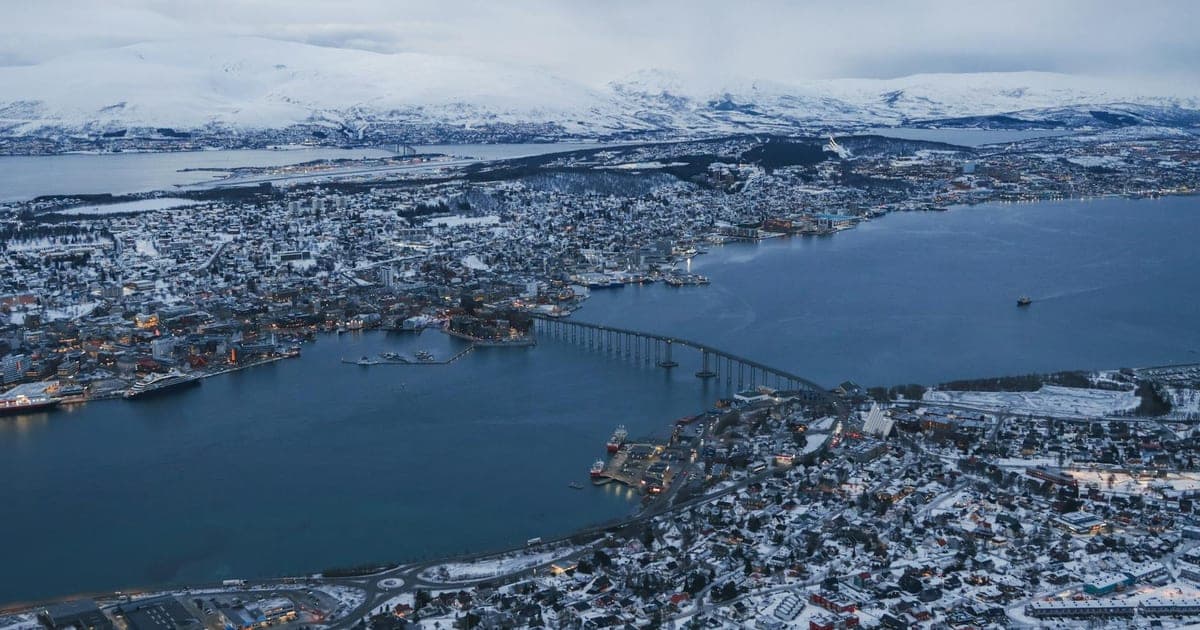
Tromsoe is the most accessible midnight sun city in the world. It has an international airport with direct flights from London, Oslo, Stockholm, and other European cities. The city of 77,000 has restaurants, museums, and a vibrant nightlife — you're not roughing it.
What to do:
- Midnight sun kayaking in the fjords (from 800 NOK / ~$75)
- Hike to Sherpa Steps on Storsteinen mountain for panoramic views
- Midnight sun concert at the Arctic Cathedral
- Whale watching (orcas and humpbacks in nearby waters)
Lofoten Islands (68°N)
Midnight sun period: May 25 - July 17
The Lofoten Islands are arguably the most photogenic midnight sun destination on Earth. Jagged peaks plunge into turquoise fjords, traditional red fishing cabins (rorbuer) dot the shoreline, and the light at midnight is a photographer's dream — soft, golden, and endless.
What to do:
- Hike Reinebringen (the iconic viewpoint above Reine village, free)
- Midnight sun surfing at Unstad Beach (yes, arctic surfing — wetsuit provided, from 900 NOK / ~$85)
- Sea eagle safari by boat (from 750 NOK / ~$70)
- Visit Nusfjord, one of Norway's oldest fishing villages
Nordkapp (71°N)
Midnight sun period: May 13 - July 29
Nordkapp (North Cape) markets itself as the northernmost point of mainland Europe — technically that's nearby Knivskjellodden, but Nordkapp has the visitor center, the iconic globe sculpture, and the dramatic cliff. The midnight sun here lasts over two months.
What to do:
- Stand at the North Cape plateau and watch the midnight sun over the Arctic Ocean
- King crab safari in nearby Honningsvaag (from 1,500 NOK / ~$140)
- Drive the scenic Havoeysund route along the coast
- Visit the Sami cultural center
2. Iceland (64-66°N)
Midnight sun period: Mid-June (around the solstice, June 18-25 for true midnight sun)
Iceland sits right at the Arctic Circle, so the midnight sun is brief — really just a few days around the solstice. But what Iceland lacks in duration, it makes up for in jaw-dropping landscapes. The sun barely dips below the horizon from late May through late July, creating weeks of near-24-hour twilight even when it's not technically midnight sun.
What to do:
- Drive the Ring Road under perpetual golden light
- Midnight sun at Dettifoss, Europe's most powerful waterfall
- Glacier hiking on Vatnajokull (from 15,000 ISK / ~$110)
- Soak in a hot spring at midnight — Myvatn Nature Baths or the Secret Lagoon are less crowded than the Blue Lagoon
- Photograph Kirkjufell mountain under the midnight sun
Best base: Akureyri (65.7°N) in the north gets closer to true midnight sun than Reykjavik (64.1°N). Plus it's less crowded and cheaper.
3. Sweden — Abisko & Kiruna (68°N)
Midnight sun period: May 27 - July 18
Swedish Lapland is the budget-friendly alternative to Norway. Abisko National Park — famous for its clear skies (the "Blue Hole of Abisko") — is equally spectacular in summer. Kiruna, Sweden's northernmost city, sits just 90 minutes away.
What to do:
- Hike the Kungsleden (King's Trail) under midnight sun — day hikes or multi-day treks
- Midnight sun at Abisko Sky Station (chairlift ride up for views, from 395 SEK / ~$38)
- Tour the LKAB iron ore mine in Kiruna (world's largest underground mine)
- Midnight sun photography in Abisko National Park — the lake reflections are surreal
- Try the Ice Hotel in Jukkasjarvi (yes, parts remain frozen even in summer)
Why Sweden is underrated: Comparable scenery to Norway, significantly lower prices, fewer crowds, and Sweden's Right of Access law (Allemansratten) lets you camp, hike, and forage almost anywhere for free.
4. Finland — Rovaniemi & Utsjoki (66-70°N)
Midnight sun period:
- Rovaniemi (66.5°N): June 6 - July 7 (~30 days)
- Utsjoki (69.9°N): May 17 - July 27 (~70 days)
Finland's Lapland is the most tranquil midnight sun experience. Vast forests, thousands of lakes, and very few people. If Norway is dramatic cliffs and fjords, Finland is quiet lakes and endless birch forest.
What to do:
- Midnight sun canoeing on Lake Inari (Utsjoki area)
- Visit Santa Claus Village in Rovaniemi — kitchy, but kids love it
- Hike in Urho Kekkonen National Park — one of Finland's largest wilderness areas
- Gold panning in Tankavaara (real Lapland gold rush history)
- Midnight sun golf at the Arctic Golf Course in Rovaniemi (18 holes under the midnight sun)
- Sauna by a lake at midnight — the quintessential Finnish experience
Why Finland is special: The "nightless night" (yoton yoe) is a cultural phenomenon. Finns celebrate it with bonfires, festivals, and staying up all night. Midsummer's Eve (Juhannus) on June 20-21 is Finland's biggest holiday — locals head to lakeside cottages and stay up all night.
5. Alaska — Fairbanks (64.8°N)
Midnight sun period: Continuous civil twilight from late April to early August. True midnight sun (no sunset) around June 18-25 only, as Fairbanks is just below the Arctic Circle.
Fairbanks is the most accessible midnight sun destination from North America. It doesn't get true 24-hour sun (you need to drive north to the Arctic Circle on the Dalton Highway for that), but the sky never gets dark from May through July.
What to do:
- Midnight Sun Baseball Game — the Fairbanks Gold Panners play at midnight on June 21 with no artificial lights (since 1906, tradition!)
- Drive the Dalton Highway to the Arctic Circle sign (196 miles north, unpaved)
- Chena Hot Springs at midnight (from $15 entry)
- Riverboat cruise on the Chena River
- Denali National Park day trip (2.5 hours south, book well ahead)
Budget note: Alaska is expensive. Expect $150-250/night for mid-range hotels in Fairbanks during summer. However, food and transport are cheaper than Scandinavia.
6. Svalbard, Norway (78°N)
Midnight sun period: April 20 - August 22 (4 full months!)
Svalbard is the ultimate midnight sun destination. This Norwegian archipelago, halfway between mainland Norway and the North Pole, gets the longest midnight sun of any inhabited place on Earth. It's also one of the most remote and expensive.
What to do:
- Glacier hiking and zodiac cruises (from 1,200 NOK / ~$110)
- Visit the Global Seed Vault (exterior only, but iconic)
- Polar bear spotting (guided tours only — polar bears outnumber humans here)
- Kayaking among icebergs under the midnight sun
- Visit Longyearbyen, the world's northernmost settlement with a population over 1,000
Important: You cannot explore outside Longyearbyen without a guide and a rifle (polar bear protection). All outdoor excursions must be organized tours.
7. Greenland (67-83°N)
Midnight sun period: Varies by location. Ilulissat (69°N): May 21 - July 24.
Greenland offers the most dramatic midnight sun backdrop — massive icebergs calving into the sea under a sun that never sets. Ilulissat and its UNESCO-listed Icefjord are the top destination.
What to do:
- Watch icebergs from Ilulissat Icefjord under the midnight sun
- Boat tour among icebergs (from 600 DKK / ~$85)
- Hike to Sermermiut, a 4,000-year-old Inuit settlement
- Whale watching (humpbacks frequent the Disko Bay area in summer)
Getting there: Fly from Copenhagen or Reykjavik to Ilulissat (seasonal flights). There are no roads between towns in Greenland — you fly, take a boat, or don't go.
When Does the Midnight Sun Occur? Quick Reference
| Destination | Latitude | Midnight Sun Dates (approx.) | Duration |
|---|---|---|---|
| Svalbard | 78°N | Apr 20 - Aug 22 | ~4 months |
| Nordkapp, Norway | 71°N | May 13 - Jul 29 | ~2.5 months |
| Utsjoki, Finland | 70°N | May 17 - Jul 27 | ~2.3 months |
| Tromsoe, Norway | 69.6°N | May 20 - Jul 22 | ~2 months |
| Ilulissat, Greenland | 69°N | May 21 - Jul 24 | ~2 months |
| Lofoten, Norway | 68°N | May 25 - Jul 17 | ~1.7 months |
| Abisko, Sweden | 68°N | May 27 - Jul 18 | ~1.7 months |
| Rovaniemi, Finland | 66.5°N | Jun 6 - Jul 7 | ~1 month |
| Iceland (Akureyri) | 65.7°N | ~Jun 16 - Jun 26 | ~10 days |
| Fairbanks, Alaska | 64.8°N | ~Jun 18 - Jun 25 (twilight) | ~1 week |
Best Activities During the Midnight Sun
Hiking
The midnight sun transforms hiking. You can start a trail at 10 PM and summit at midnight in perfect golden light with no other hikers in sight. Top picks:
- Reinebringen, Lofoten — 2 hours up, stunning Reine village views
- Kungsleden, Sweden — Multi-day trail through wild Lapland
- Hornstrandir, Iceland — Remote, dramatic cliffs, arctic foxes
- Urho Kekkonen, Finland — Vast wilderness, few people
Kayaking
Paddling under the midnight sun is an almost meditative experience. The water is often glass-calm, and the light paints everything gold.
- Tromsoe fjords — Guided midnight kayak tours
- Lofoten — Paddle between the iconic peaks
- Ilulissat, Greenland — Kayak among icebergs (advanced)
Photography
The midnight sun produces the world's longest "golden hour" — in some locations, the warm, low-angle light lasts for hours. Landscape photographers travel from around the world for this light.
Tips: Bring a polarizing filter, shoot during the "midnight hour" (11 PM - 1 AM) for the warmest tones, and use the long shadows for dramatic composition.
Midnight Golf
Several Arctic courses offer midnight sun golf — teeing off at midnight is a bucket-list experience. Courses in Tromsoe, Rovaniemi, and Lofoten all offer midnight rounds.
Budget Comparison: What Does a Midnight Sun Trip Cost?
Here's a realistic daily budget per person (accommodation + food + activities) at each destination:
| Destination | Budget | Mid-Range | Notes |
|---|---|---|---|
| Northern Norway (Tromsoe/Lofoten) | $120-180 | $200-350 | Rorbuer cabins are ~$150-250/night |
| Nordkapp, Norway | $130-190 | $220-380 | Remote = higher prices |
| Iceland | $140-200 | $250-400 | Campervan reduces costs significantly |
| Sweden (Abisko/Kiruna) | $90-140 | $160-280 | Best value in Scandinavia |
| Finland (Lapland) | $100-150 | $170-300 | Cabin rentals are affordable |
| Alaska (Fairbanks) | $130-180 | $200-320 | Cheaper food than Scandinavia |
| Svalbard | $180-260 | $300-500 | Most expensive — remote island |
| Greenland | $170-240 | $280-450 | Limited options, book early |
Cheapest midnight sun trip: Swedish Lapland. Abisko offers free camping (Right of Access), affordable hostels, and cheaper food than Norway. A week-long trip is doable for $700-1,000.
Best value overall: Finland. Cabin rentals on lakes are surprisingly affordable ($80-120/night), food is reasonable, and the experience is unique and uncrowded.
Practical Tips for Midnight Sun Travel
Sleep
The biggest challenge of midnight sun travel is sleeping. Your body doesn't produce melatonin when it's light outside, and hotel blackout curtains vary wildly in quality.
Pack these:
- A high-quality sleep mask (not a flimsy airline freebie — invest in a contoured one)
- Melatonin supplements (check legality — prescription-only in some countries)
- Earplugs — birds don't stop singing either
Planning Around 24-Hour Daylight
- Book activities for late evening or "night" — midnight hikes and 11 PM kayak tours are less crowded and more magical
- Restaurants often close at normal hours despite the light — don't assume everything is open at midnight
- Grocery stores are your friend in Scandinavia — cooking at your cabin saves 40-60% on food costs
- Driving at 2 AM is safe (great visibility) and traffic-free
What to Pack
- Layers — Arctic summer temperatures range from 5-20°C (41-68°F) depending on location
- Rain gear — Coastal Norway and Iceland are wet even in summer
- Sunscreen and sunglasses — 24 hours of UV exposure adds up fast
- Mosquito repellent — Finnish and Swedish Lapland mosquitoes are legendary (late June-July is worst)
- Camera with manual settings — auto mode struggles with midnight sun exposure
When to Book
Peak midnight sun season (mid-June to mid-July) books up 4-6 months ahead in popular destinations like Lofoten and Tromsoe. Svalbard tours sell out even earlier. Book accommodation and major activities by February for summer travel.
Let AI Plan Your Midnight Sun Trip
Planning a midnight sun trip means juggling flight routes to remote Arctic destinations, accommodation availability in small towns, activity timing around 24-hour daylight, and budget across expensive destinations. It's a lot of moving pieces.
MonkeyTravel's AI builds a personalized midnight sun itinerary in 30 seconds — handling logistics, routing, and budget so you can focus on the experience.
Plan My Midnight Sun Trip — Free
FAQ
What is the best country to see the midnight sun?
Norway is the best overall choice. It has the most destinations at different latitudes (Lofoten, Tromsoe, Nordkapp, Svalbard), the best tourism infrastructure, and the most dramatic scenery. Sweden is best for budget travelers, and Iceland is best for combining midnight sun with volcanic landscapes and hot springs.
Is the midnight sun the same as the Northern Lights?
No — they're opposite phenomena. The midnight sun happens in summer (May-July) when the sun never sets. The Northern Lights (aurora borealis) happen in winter (September-March) when nights are long and dark. You cannot see both on the same trip unless you visit during the shoulder seasons (early September or late March) when you get brief darkness and occasional aurora.
Can you see the midnight sun in Reykjavik?
Not technically. Reykjavik (64.1°N) is south of the Arctic Circle, so the sun does briefly dip below the horizon even at the summer solstice. However, it never gets truly dark — you get 2-3 hours of bright twilight instead of night. For true midnight sun in Iceland, head to Grimsey Island (66.5°N) on the Arctic Circle, or to Akureyri (65.7°N) for near-midnight-sun conditions.
How do locals deal with 24 hours of daylight?
Most people above the Arctic Circle are well-adapted. Blackout curtains are standard in homes and hotels. Locals tend to stay up later, socialize more, and take advantage of the light for outdoor activities. Sleep patterns shift — many people sleep less in summer and make up for it during the dark winter months. Midsummer festivals are major cultural events across Scandinavia and Finland.
Is a midnight sun trip worth it if I only have one week?
Absolutely. One week is enough for any single destination on this list. A focused trip to Tromsoe or Lofoten (fly in, 5-6 nights, fly out) gives you the full midnight sun experience with time for hiking, kayaking, and exploring. Don't try to visit multiple countries in one week — the distances are vast and you'll spend more time in transit than under the midnight sun.
Sources: Visit Norway, Visit Sweden, Visit Finland, Inspired by Iceland, Explore Fairbanks, Visit Svalbard, Visit Greenland, TimeAndDate.com Midnight Sun Calculator