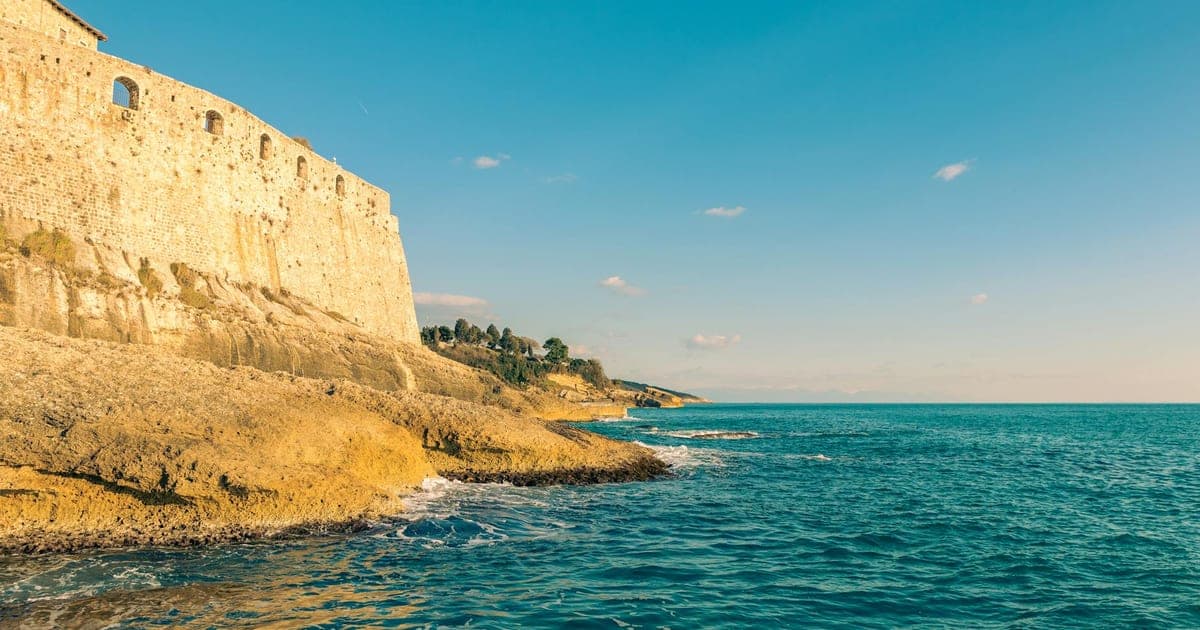
I live in Bologna, which means I have spent the last eight summers watching the Mediterranean turn from "the dream" into "the warning." Last July, Athens hit 46°C. Seville touched 47.2°C. Rome closed the Colosseum at midday for an entire week. Friends who flew in for the postcard cancelled hilltop walks and stayed inside. They came home tanned and frustrated.
That experience — paying premium money to hide from the sun in a hotel room — is what reorganized how I think about warm-season travel. And it's why the way most travel sites cover this part of the year is broken.
Most "best of summer" lists pick one lane. Beach. Or coolcation. Or spring break. They are three useful lists for three different people, and they cannibalize each other in your search results because nobody tells you which list you actually need.
Here is the truer framing. Spring and summer aren't one travel season. They're three different decisions:
- Do you want heat? Peak summer in the Mediterranean, the Caribbean, or Bali. You came for the swim, the long lunch, the 30°C night.
- Do you want to escape heat? A coolcation — Iceland, Hokkaido, the Norwegian fjords. Same months, half the temperature, twice the daylight.
- Do you want value? Shoulder season and spring break — March, April, late May, early June. Same destinations as #1, with 30-40% off the peak rates and crowds you can actually walk through.
Pick the goal first. Pick the destination second. That order matters because most disappointing summer trips happen when people pick a postcard destination and then realize their actual goal was something else.
What follows is a single guide consolidating three earlier MonkeyTravel posts (the summer destinations list, the coolcation list, and the spring break list) into one editorial pass. Twelve destinations in the quick-pick table, then deep dives organized by what you actually want. I have cut filler. I have called out the picks I personally skip. And I have kept the real numbers — temperatures, daily budgets, crowd levels — that let you decide.
A note on dates: when I say "shoulder season starts late May," I mean western Europe. Greek islands shoulder is different. The decision flow at the end of the post will sort that out.
Quick-pick comparison: 12 destinations across all three goals
This table consolidates the strongest picks from the three source posts. Use it to triangulate, then jump to the deep-dive section that fits your goal.
| Destination | Best for | Avg temp (May–Aug) | Daily budget | What makes it special |
|---|---|---|---|---|
| Santorini, Greece | Hot beach | 26-30°C | $150-220 | Caldera sunsets, near-zero rain, the Aegean at 25°C |
| Amalfi Coast, Italy | Hot beach | 27-32°C | $180-280 | Lemon groves at peak, hairpin coast road, July sea |
| Algarve, Portugal | Hot beach (value) | 25-30°C | $80-130 | Best-value beaches in Western Europe, sea caves |
| Bali, Indonesia | Hot beach (luxury value) | 27-30°C | $50-90 | Dry season, surf, $25 massages, $80 pool villas |
| Iceland | Cool escape | 12-15°C | $150-250 | 20+ hours daylight, ring road, geothermal pools |
| Norwegian Fjords | Cool escape | 12-20°C | $140-250 | Trolltunga, Lofoten arctic beaches, Flåm Railway |
| Scotland | Cool escape | 12-18°C | $130-200 | NC500, Edinburgh Fringe in August, Highland walks |
| Hokkaido, Japan | Cool escape | 18-25°C | $100-180 | Lavender fields, summer Japan without the swelter |
| Lisbon, Portugal | Shoulder value | 17-25°C in spring | $75-120 | Capital culture at secondary-city prices |
| Albuquerque, USA | Spring value | 14-22°C in spring | $80-120 | New Mexico chili food culture, Sandia tramway |
| Cartagena, Colombia | Spring value | 28-32°C in spring | $65-110 | Walled UNESCO city, Caribbean prices that work |
| Slovenia | Shoulder value (cool) | 18-25°C | $80-140 | Lake Bled, Soca river, the Alps without Swiss prices |
Now: the three sections.
🌞 If you want heat: Peak summer destinations
If you actually want the heat — the lazy beach day, the salt on your skin at 11 PM, the long Mediterranean lunch — this section is yours. These are the picks I kept from the original summer list and the spring break list, narrowed to the five that earn their daily-budget premium.
I dropped Dubrovnik from the heat-pick list (it stays as a "good but not great" — the cruise-ship Old Town problem makes 11 AM-5 PM brutal in August). I dropped Cancún because the value proposition lives in spring, not midsummer.
1. Santorini, Greece — the postcard that earns it
The Aegean is at its warmest from June through September. Water temperature climbs to 24-26°C by July. Rain between June and August is essentially zero. The famous caldera sunsets are at their most cinematic when skies stay clear, which they do.
- Avg temp: 28-30°C
- Daily budget: $150-220/person
- Crowd level: 3 (Oia at sunset is standing-room only)
- What to do: Akrotiri archaeological site, sunset somewhere that isn't Oia, wine tasting in Megalochori, a day on the south coast at Perissa or Perivolos
- Insider tip: Skip Oia entirely for sunset. Take the public bus to Akrotiri Lighthouse on the southwestern tip ($2.40 each way). Same caldera, maybe 30 people instead of 3,000. Bring wine.
I usually do Santorini for three nights, paired with a less-touristed island — Naxos or Milos — for the rest of the week. Three nights is the right dose.
2. Amalfi Coast, Italy — the food-lover's heat pick
The Tyrrhenian Sea hits 25-27°C in July and August. The lemon groves are at peak fragrance. The limoncello you order at lunch is made from this season's harvest. The coast road is one of the most beautiful drives in the world and one of the most stressful — SITA buses ($2.50) handle the hairpins so you don't have to. Ferries between towns ($8-15) are the luxury alternative.
- Avg temp: 29-32°C
- Daily budget: $180-280/person
- Crowd level: 3
- What to do: Path of the Gods walk (early morning, before the heat), boat to the grottos at Conca dei Marini, ferry to Capri, dinner in Atrani
- Insider tip: Stay in Atrani instead of Amalfi. Three-minute walk between them, but Atrani is a real residential village. A seafood trattoria dinner runs $40-50 versus $70-90 in Amalfi proper. See also our 5-day Italy itinerary.
3. Algarve, Portugal — the value heat pick
300+ days of sunshine a year, and summer delivers Western Europe's most consistent beach weather. Atlantic water reaches 20-22°C — warmer than you'd expect. The sandstone cliffs and sea caves are best by kayak in calm morning seas. Mid-range guesthouses run $50-75/night in smaller towns.
- Avg temp: 27-30°C
- Daily budget: $80-130/person
- Crowd level: 2
- What to do: Praia da Marinha early (before 11 AM), Benagil Cave by kayak (not motorboat), Lagos old town, surf lessons in Sagres, fresh-grilled fish in Olhão
- Insider tip: Praia da Marinha gets packed by 11 AM. Walk 20 minutes east on the coastal trail to Praia da Mesquita — same cliff scenery, almost no people, no road access.
If you're flying from the US, the Algarve via Lisbon is the most underrated value beach trip in the West. You can pair it with a few days in Lisbon.
4. Bali, Indonesia — the luxury-on-a-budget heat pick
June through August is Bali's dry season. Humidity drops, skies clear, the west coast surf picks up. The cost-of-living advantage is staggering: a private villa with a pool in Canggu runs $60-100/night, a two-hour Balinese massage costs $15-25, dinner with cocktails at a quality Seminyak restaurant is $20-30 per person.
- Avg temp: 27-30°C
- Daily budget: $50-90/person
- Crowd level: 2 (varies hugely by area)
- What to do: Surf Uluwatu or Canggu, sunrise hike up Mt Batur, rice terraces in Sidemen (skip Tegallalang), Nusa Penida day trip
- Insider tip: Sidemen Valley in East Bali has the same rice terrace views as Tegallalang with 5% of the visitors. Stay at a small guesthouse ($25-40/night) with rice paddies from your bed.
For a longer trip, see our Bali 7-day itinerary. If you're torn between Indonesia and a comparable Asian heat pick, Bali vs Thailand covers the trade-offs.
5. Tokyo, Japan — the city heat pick
July and August are hot, humid, and crowded with festivals. Matsuri shrines parade through neighborhoods, hanabi fireworks light up the Sumida River for a million people, and beer gardens pop up on department store rooftops. The yen is historically weak, which means a Michelin lunch set runs $25-50. Try that in Paris.
- Avg temp: 29-33°C
- Daily budget: $100-170/person
- Crowd level: 2
- What to do: Sumida River fireworks (last Saturday of July), Yanaka neighborhood, izakayas in Shimokitazawa, day trip to Kamakura
- Insider tip: Watching the Sumida fireworks at riverside is brutally crowded. Book a table at any restaurant or bar in Tokyo Skytree's Solamachi complex two weeks ahead — air-conditioned, drink in hand, fireworks from above.
For a full week structure see Tokyo 4-day itinerary, or compare against Tokyo vs Seoul and first trip to Japan.
🏔 If you want to escape the heat: Coolcation picks
This is where the math has shifted hardest. Three years ago, the coolcation was a quiet alternative. Now the coolcation is simply the mainstream option, and the numbers back it. The Faroe Islands run a visitor booking system. Iceland took just under 2.3 million foreign overnight visitors in 2025, with August setting an all-time monthly record, and overnight stays in registered accommodation up 9.1% on 2024.
The temperature gap is the headline. While the Mediterranean averages 30-33°C in July and August (with regular spikes to 42-45°C), the destinations below sit between 10°C and 25°C. That's a 15-20°C gap. A full day of hiking instead of a pool-shaped sweat session.
I cut Patagonia and New Zealand from the original coolcation list for this guide — they're winter, not summer, and they need their own planning context. I cut Alaska because the budget jumps put it in a different category from the other picks. I added the strongest ones below.
1. Iceland — the headline coolcation
Twenty-plus hours of daylight in June. Geothermal hot springs you can swim in at 11 PM. Volcanic landscapes that look like another planet. The Ring Road in 7-10 days is one of the best road trips on the continent.
- Avg temp: 12-15°C (vs ~30°C in the Mediterranean — an 18°C gap)
- Daily budget: $150-280/person
- Crowd level: 2 (Ring Road), 1 (highlands)
- What to do: Ring Road circuit, secret hot springs (skip the Blue Lagoon), Landmannalaugar's rainbow mountains, Silfra snorkel between tectonic plates, puffins at Dyrhólaey
- Insider tip: Camper van it. Rent for $150-200/day and your accommodation and transport are one line item. Campsites are $12-18/person and have hot showers and camp kitchens. Reserve a Laugavegur Trail hut by March if you want July or August.
Iceland is expensive, but the camper van math closes the gap. Do not pay $25 for breakfast at a Reykjavik café — buy groceries at Bonus, which is the no-frills supermarket every Icelander uses.
2. Norwegian Fjords (Bergen + Lofoten) — the photogenic pick
Geirangerfjord and Sognefjord under midnight sun, Lofoten's white-sand arctic beaches, the Flåm Railway, Trolltunga's tongue rock. The fjords are only fully accessible from June through August. Lofoten is the destination within the destination — drive Svolvær to Å, sleep in a rorbuer (converted fisherman's cabin), eat king crab off the boat.
- Avg temp: 12-20°C (a 12-15°C gap vs Mediterranean summer)
- Daily budget: $140-250/person
- Crowd level: 2 (major fjords), 1 (remote)
- What to do: Geirangerfjord cruise, hike Romsdalseggen Ridge instead of crowded Trolltunga, drive the Atlantic Ocean Road, kayak between Lofoten villages
- Insider tip: Skip Trolltunga (10-12 hours, photo-spot bottleneck). Romsdalseggen Ridge near Åndalsnes is a 10 km ridgeline with 360-degree views, equally spectacular, fraction of the people, 6-7 hours.
Book rorbuer by February. The good ones in Lofoten are gone otherwise.
3. Scotland — the easy-from-Europe pick
Ninety-minute flight from London, 7 hours direct from the US East Coast. Edinburgh in August during the Fringe is the world's largest arts festival; the rest of the year it's just a great walking city. The Highlands are best at low speed — single-track roads, passing places that double as social events.
- Avg temp: 12-18°C (a 14-17°C gap)
- Daily budget: $130-200/person
- Crowd level: 2 (Fringe), 1 (Highlands)
- What to do: NC500 road trip (Scotland's Route 66), Isle of Skye before 9 AM, hike Ben Nevis, whisky distilleries on Speyside or Islay, Edinburgh Fringe
- Insider tip: A campervan in Scotland makes the Highlands flexible — every council has roadside aires, and the wild-camping rules are some of the most permissive in Europe.
If you're flying from the US East Coast, Scotland is the most accessible coolcation full stop. Glasgow has direct flights from major US hubs and Edinburgh is a 50-minute train ride.
4. Hokkaido, Japan — the Asia coolcation
While the rest of Japan swelters in 35°C+ heat, Hokkaido sits in its own temperate microclimate. Lavender fields rival Provence. Seafood is the best in the country. The Furano-Biei area in mid-July is one of the most beautiful drives in Asia: rolling hills of lavender, sunflowers, and patchwork farmland.
- Avg temp: 18-25°C (a 7-12°C gap from mainland Japan, more from the Mediterranean)
- Daily budget: $100-180/person
- Crowd level: 2
- What to do: Farm Tomita lavender (peak mid-July), Hakodate morning market for uni and crab, Daisetsuzan National Park hiking, Noboribetsu onsen
- Insider tip: Rent a car. Hokkaido is best by road, Japanese rentals are spotless, $40-60/day. Drive Cape Kamui for the cliff walk and a wind so strong it'll knock you sideways.
This is the one I personally book most often when I want a coolcation that doesn't feel like Europe.
5. Slovenia — the shoulder-season cool pick that flies under the radar
Lake Bled and the Julian Alps offer Alpine scenery at a fraction of Swiss prices. Ljubljana is one of the most liveable capitals in Europe — car-free old town, river cafes, weekend market. The Soca River runs emerald green through a valley most people have never heard of.
- Avg temp: 18-25°C (a 5-10°C gap)
- Daily budget: $80-140/person
- Crowd level: 1-2
- What to do: Lake Bled pletna boat to the island church, Triglav National Park hiking, kayak the Soca, Postojna caves, Vipava wine valley by bike
- Insider tip: Lake Bled gets busy in July-August, but the Soca Valley feels like a different country. Base yourself in Bovec or Kobarid — half the price, double the access to the river.
💸 If you want value: Spring break and shoulder-season picks
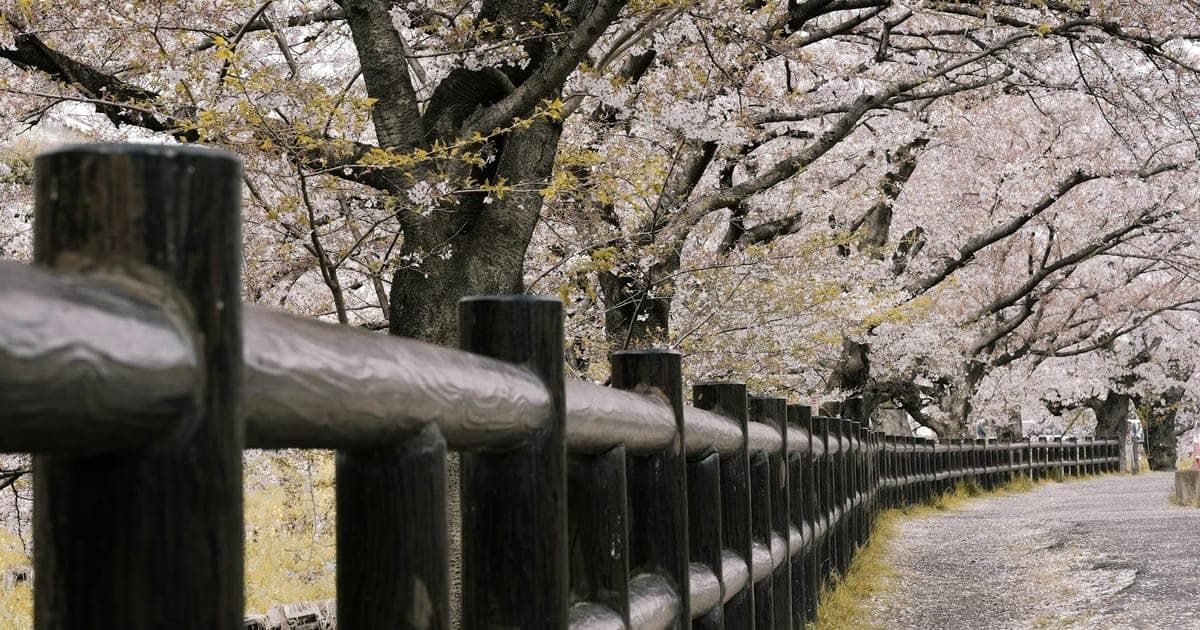
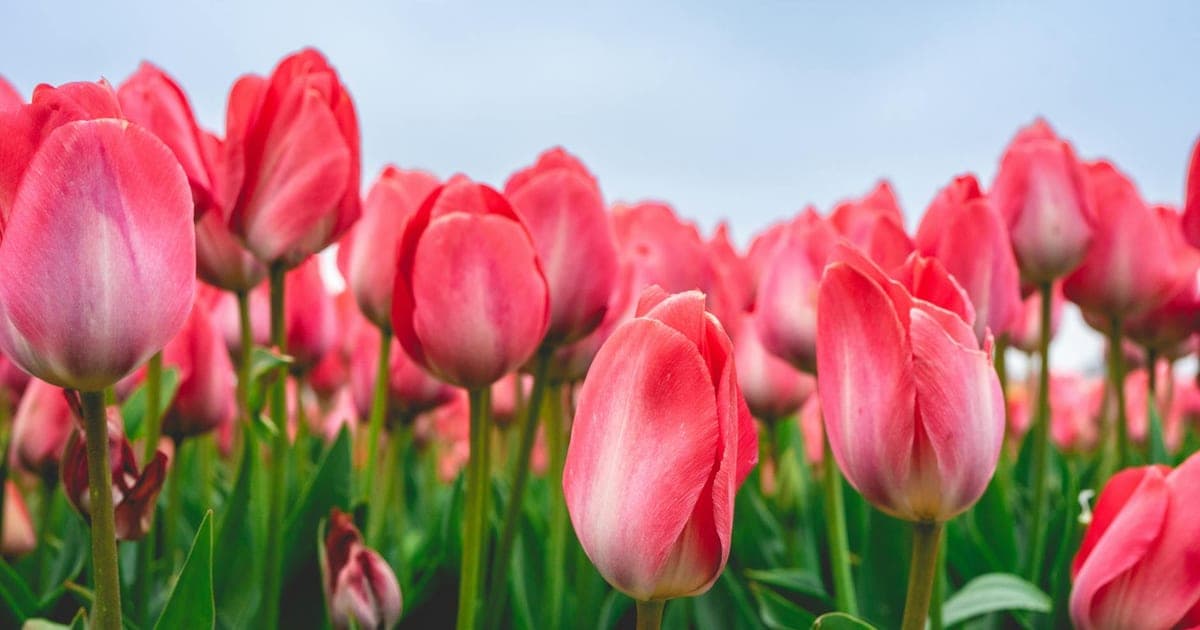
This is the third decision: you don't need peak heat or full midsummer daylight. You want most of the experience for 30-40% less. That's the spring break window (March-April) and shoulder season (late May, early June, early September) playing in your favor.
I kept the strongest five from the spring break list and added two late-spring/early-summer Europe picks where the value differential is real.
1. Lisbon, Portugal — the European value leader, year-round
Lisbon in March, April, and May is the sweet spot: mild temperatures, fewer crowds, prices 25-35% below July peak. A glass of local wine at a neighborhood bar is $2-3. A prato do dia lunch with a drink is $8-12. Boutique guesthouses in Alfama run $60-100/night.
- Avg spring temp: 14-22°C (March), 17-25°C (May)
- Daily budget: $75-120/person (vs $90-140 in peak July)
- Crowd level: 2
- What to do: Belém Tower, Jerónimos Monastery, Alfama fado, Sintra day trip, LX Factory weekend market, surf lesson at Carcavelos or São Pedro do Estoril
- Insider tip: Train to Cascais ($2.50, 40 minutes). Coastal line through Estoril, full grilled-fish lunch for $12 in town. The Portuguese Riviera, mostly visited by Portuguese.
Build it out with our Lisbon 3-day itinerary and the Lisbon vs Porto comparison if you're choosing between cities. For broader Europe value picks, see cheapest destinations in Europe.
2. Albuquerque, New Mexico — the +204% spring pick
Searches for Albuquerque are up 204% year-over-year on Google Flights. Part of it is Breaking Bad / Better Call Saul tourism. Part of it is the food: New Mexico green and red chili cuisine is unlike anything else. Part of it is the landscape — the Rio Grande bosque, the Sandia Mountains turning pink at sunset, Petroglyph National Monument.
- March-April temp: 14-22°C, low humidity, sunny
- Daily budget: $80-120/person (one of the cheapest on this list)
- Crowd level: 1-2
- What to do: Old Town Albuquerque, Sandia Peak Tramway (longest aerial tramway in North America), Petroglyph National Monument, Meow Wolf, Rio Grande Nature Center
- Insider tip: Duran's Central Pharmacy lunch counter on Central Avenue has served New Mexican food since 1956. Green chili cheeseburger for $8. Order Christmas style (red and green chili both) on anything.
3. Cartagena, Colombia — Caribbean value
A walled colonial city on the Caribbean. UNESCO historic center, beach access, Latin American energy at prices that make Florida feel extravagant. March-April is hot (87-92°F) but with low rain. Colombia's safety profile has improved dramatically over the past decade.
- March-April temp: 28-32°C, Caribbean water at 28°C
- Daily budget: $65-110/person (the cheapest on this list)
- Crowd level: 2
- What to do: Walking the Ciudad Amurallada, sunset cocktails on the city walls at Café del Mar, Rosario Islands snorkeling, Getsemani street food
- Insider tip: Getsemani — the neighborhood older guidebooks told you to avoid — is now the most interesting part of Cartagena. Eat at neighborhood arepa spots ($3-4) instead of $20 walled-city tourist restaurants.
4. Sarasota, Florida — the Florida west coast secret
Five of Google's top 10 trending US spring break spots are on Florida's west coast. Sarasota is the standout: Siesta Key Beach, the Ringling Museum, an actual arts scene, no spring break chaos. March water is already 21°C and the humidity is low.
- March-April temp: 24-28°C, mostly sunny — Florida's best weather window
- Daily budget: $110-170/person
- Crowd level: 2
- What to do: Siesta Key Beach, Mote Marine Aquarium, Ringling Museum, kayak Myakka River State Park, Point of Rocks at sunset
- Insider tip: Skip oceanfront resort dining (it's all the same $22 fish tacos). Eat at Fandango's or Lickety Split where locals actually go.
5. Hong Kong — the +103% Asian shoulder pick
Hong Kong searches are up 103%. March and April are the best weather window: mild, low rain, before summer humidity. World-class food, dramatic Victoria Harbour views, Michelin-starred restaurants more accessible than anywhere else, hiking trails 20 minutes from skyscrapers.
- March-April temp: 18-24°C, ideal walking weather
- Daily budget: $100-160/person
- Crowd level: 2
- What to do: Victoria Peak at dusk, Tim Ho Wan dim sum, Temple Street Night Market, Dragon's Back trail, Star Ferry across the harbour, day trip to Lantau and the Giant Buddha
- Insider tip: The MTR covers everything for $1-3 per journey. Star Ferry is HK$3.40 (about $0.44). Don't take a taxi when the MTR goes there.
Bonus shoulder-season Europe picks: late May, early June
The two destinations below sit in the gap between "spring break" and "peak summer" — they're already warm, but European volumes haven't fully arrived yet:
- Barcelona, late May to mid-June: 22-26°C, beach already swimmable, terraces full but not overwhelmed. Hotel rates 20-30% below July. Pair with our Barcelona 3-day itinerary or Paris vs Barcelona if you're choosing.
- Greek islands, early June: Aegean already at 21-22°C, prices 30% below August, and Santorini before the cruise ships fully arrive. This is the sweet-spot window I personally book.
How to choose: a short decision flow
The table at the top of this post is the menu. This is how to actually order.
Question 1: Do you have a fixed school break? If yes — March/April spring break, mid-July to mid-August summer — you are constrained to peak windows. Choose from the heat or coolcation lists. Skip shoulder-season picks; you can't access them.
Question 2: Are you traveling with kids under 10? Heat above 30°C with young children is a logistical problem. Coolcation destinations win here. Iceland, Scotland, Slovenia, and Hokkaido are all family-friendly. Algarve is the best heat compromise — Atlantic breezes keep it more bearable than the inner Mediterranean, and the beaches have shade infrastructure.
Question 3: How much do you hate crowds? Crowd-sensitive travelers should not book Santorini, the Amalfi Coast, or the Old Town of Dubrovnik in peak July or August — full stop. Substitute: Algarve (heat), Norwegian Fjords or Iceland (cool), or shift dates into early June or late September. Hokkaido and Scotland are the rare picks that combine "midsummer" and "manageable crowd density."
Question 4: What's your maximum daily budget? Under $80/day per person rules out everything except Bali, Cartagena, Albuquerque, the Baltics, and Slovenia. $80-150/day opens the Algarve, Lisbon, Hokkaido, Slovenia, the Hong Kong shoulder window, Sarasota. $150+/day opens Iceland, Norway, Switzerland, Santorini, Amalfi.
Question 5: How important is direct flight access? From US East Coast: Iceland (5h direct), Scotland (7h direct), Lisbon (7h direct), Sarasota and Albuquerque (domestic). From Western Europe: Algarve, Lisbon, Slovenia, Iceland, Scotland, Norway are all 2-3.5h direct. Hokkaido and Bali are the long-hauls.
Question 6: Are you optimizing for one specific event? The Edinburgh Fringe is August. Sumida fireworks are last Saturday of July. Hokkaido lavender peaks mid-July. Festa Major de Gracia in Barcelona is mid-August. Build the trip around the date if the event is the point.
That's the funnel. If you can answer those six, you'll exit with a destination you can actually justify.
On the Italian coast the rate bands matter more than the month — here is how low, mid and high season actually work.
FAQ
When does shoulder season start in Europe in 2026?
Western Europe shoulder season runs roughly late May through mid-June, then again mid-September through mid-October. The transition isn't uniform: Spain and Portugal pull warm weather earlier (mid-May) and hold it longer (well into October), while Scandinavia and the British Isles compress the warm window to late June through early September. Greek islands shoulder is early-to-mid June and mid-September onward — by the second week of September, prices in the Cyclades drop 25-30% and ferry crowds normalize.
What are the cheapest summer destinations in Europe?
Three picks deliver real value. Lisbon at $75-120/day for a major capital is the headline. Slovenia at $80-140/day gives you the Julian Alps without Swiss prices. The Algarve at $80-130/day is the best beach-quality-per-dollar in Western Europe. The Baltic capitals (Tallinn, Riga) sit between $70-130/day if you want medieval architecture without crowds. Avoid Switzerland, Norway, and Iceland if budget is the primary lens.
Best coolcation if I'm flying from the US East Coast?
Iceland. Five hours direct from JFK or Boston, 12-15°C summer temperatures, the Ring Road as the structural anchor for a 7-10 day trip. Scotland is the runner-up at 7 hours direct to Glasgow or Edinburgh — slightly warmer, easier urban entry through Edinburgh, and the Highlands are bookable as a campervan loop. The Canadian Rockies (Banff/Jasper) work too at roughly 5h plus a connection, but require more domestic logistics on arrival.
When is spring break 2026?
US college spring break is concentrated in mid-March through early April 2026, with most schools clustering March 8-20. K-12 spring breaks vary by state and school district — many run the week of April 6-10 (the week after Easter, which falls April 5 in 2026). Canadian "March Break" is the second or third week of March. UK Easter holidays run roughly March 30-April 13. If you can travel in the second half of April, you'll hit lower prices and lighter crowds at most destinations on the spring break list.
Should I book peak summer Europe now or wait for prices to drop?
Book now for popular destinations. Summer 2026 airline seat capacity across Europe and Asia is up 12% over 2025 according to OAG data, but spring travel planning is up 27% year-over-year. For Santorini, Amalfi, Croatia, and Iceland, the best-value accommodation sells out by late April — earlier for Lofoten rorbuer and Laugavegur Trail huts (book by February-March). For flights, 2-3 months out is the sweet spot for European routes, 3-4 months for long-haul Asia. Book hotels with refundable rates and re-book if prices drop.
Is Bali good in summer if I want quiet?
Bali in June-August is dry season, which is the best weather window — and the busiest. The crowds concentrate in Canggu, Seminyak, and Ubud's Tegallalang rice terraces. The east of the island (Sidemen, Amed, Candidasa) and the north (around Munduk and the lakes) absorb very few visitors even in peak August. Stay east, day-trip west when you want it. See the Bali 7-day itinerary for a routing that does this naturally.
What's the difference between a "coolcation" and just going north?
Coolcation specifically means 15-25°C summer temperatures in destinations that offer something positive — landscapes, cuisine, daylight hours — not just "absence of heat." Going north for the sake of going north gets you Manchester in July at 18°C and grey rain. A real coolcation is Iceland's midnight sun, Hokkaido's lavender, the Norwegian fjords, or the Scottish Highlands' single-track roads. The temperature is the entry point, not the product.
Build any of these as a real itinerary
Picking the destination is decision one. The harder part — neighborhoods, day-by-day routing, restaurants that aren't tourist traps, realistic costs — is what actually makes or breaks the trip.
MonkeyTravel's free AI trip planner builds that itinerary in under a minute. Drop in any destination from this guide, your dates, and your budget. You'll get accommodations, activities, restaurant recommendations, and a daily cost estimate matched to where you're staying. No spreadsheets, no 47 browser tabs.
Plan my spring or summer trip — free
For specific months, our month-by-month guides go deeper: where to go in March, where to go in April, where to go in May, where to go in June, where to go in July, and where to go in August.
Sources: OAG aviation capacity data, Google Flights trending destinations 2026, Skyscanner search trends, Numbeo cost-of-living, World Weather Online historical climate data, Budget Your Trip daily cost estimates, UNWTO Tourism Barometer 2026.