I've helped plan three honeymoons. Two were friends'. One was my own. The pattern is always the same — couples sit down to "pick a destination," and three weeks later they're still picking.
The reason isn't indecision. It's that the honeymoon decision is really three decisions stacked on top of each other, and most couples try to make all three at once.
You're picking a budget tier — what you can actually spend without resenting the trip later. You're picking a season — because Santorini in August and Santorini in May are different vacations sharing a name. And you're picking what you want from Day 1 — meaning, what kind of person are you on the morning after a transatlantic flight, with a partner who's possibly nauseous and possibly exhilarated, and a hotel room that may or may not be ready before 3 PM.
Most honeymoon advice skips the third one entirely.
A friend of mine — I'll call her M., she'll know who she is — booked a 14-day honeymoon to Vietnam in 2024. Beautiful itinerary. Hanoi, Halong Bay, Hoi An, Ho Chi Minh City. The problem was Day 1: they landed in Hanoi at 11 PM after 22 hours of travel, slept for four hours, and had a 6 AM motorbike street-food tour booked. By the time the tour guide pulled up to their hotel, M. was crying in the lobby. They cancelled the morning. They almost cancelled the marriage. The trip eventually became one of the best of their life — but only after they tore up Days 1 and 2 and replaced them with a hotel room, congee, and a massage.
That's what this guide is built around. Pick the budget tier you can actually afford. Pick the season the destination is actually good in. And design the first 48 hours so you're not a wreck when the real honeymoon starts.
I'm Francesca — Europe and Romance editor at MonkeyTravel, based in Lisbon, originally from Florence. I came to travel writing through food writing, which means I judge a destination by what's on the table at 9 PM and how the bread is, not by the infinity pool. I planned my own honeymoon — five days in Lisbon and three in the Algarve — and I've planned weddings for two friends, which gave me a front-row seat to how often "we'll figure it out together" turns into "we figured nothing out."
Below: four budget tiers from $2,000 to $15,000+, the destinations that earn each tier, the season they're actually good in, and the planning mistakes that ruin the trips that do all the picking right.
The Four Honeymoon Budget Tiers
Before destinations, the framework. Most online advice flattens honeymoon prices into a single "average" ($5,000 to $10,000 according to The Knot). That number is useless because it averages a Bacalar honeymoon and a Bora Bora honeymoon and tells you nothing about either.
Real budget tiers, with what each one actually delivers:
| Tier | Total Spend (10 nights, 2 people, flights inc.) | What's Included | Who It Suits |
|---|---|---|---|
| Under-the-radar | $2,000–$4,500 | Boutique 3-star hotels, mid-range restaurants, public transport + occasional taxis, 2–3 paid excursions | Couples who'd rather travel three times in five years than once "perfectly" |
| Comfort | $4,500–$8,000 | 4-star hotels with character, occasional splurge dinners, private transfers, 4–5 excursions, regional flight | The sweet spot. Most couples land here and have the trip they actually wanted |
| Premium | $8,000–$15,000 | 5-star or boutique-luxury, private villa with pool or caldera-view suite, fine dining, private guided tours | Couples treating the honeymoon as the splurge of the decade |
| Aspirational | $15,000+ | Overwater bungalows, private island, multi-leg trips with business class, butler service, helicopter or seaplane transfers | Saving for it, sold equity for it, or simply have the money — and want zero compromises |
Example destinations by tier:
- Under-the-radar ($2,000–$4,500): Bacalar (Mexico), Sri Lanka, Crete, Slovenia, Azores
- Comfort ($4,500–$8,000): Bali, Tulum, Lisbon + Algarve, Montenegro, Puerto Vallarta, Zanzibar
- Premium ($8,000–$15,000): Santorini, Amalfi Coast, Japan, St Lucia, Lake Como, Iceland
- Aspirational ($15,000+): Maldives overwater, Seychelles private islands, Bora Bora, African safari + Zanzibar combo, Switzerland's Glacier Express + private chalet
A note on these numbers: they assume two people, ten nights total, and include round-trip economy flights from a major US or European hub. Couples flying from secondary airports add $300–$800 per person. Couples flying business add a lot more. The tier doesn't move; the flight cost does.
Tier 1: Under-the-Radar Honeymoons ($2,000–$4,500)
These are the destinations that punch above their price. They're not "cheap honeymoons." They're honeymoons in places where your money buys what $8,000 buys in Santorini. The trade is fame — these places aren't on Instagram's first page yet, which is why the prices are still rational.
Bacalar, Mexico
Why romantic: A freshwater lagoon with seven distinct shades of blue caused by the depths over white sand and cenote springs. Tiny boutique hotels right on the water with kayaks and paddleboards thrown in. No chains. No resort strip. The lagoon at sunrise is the sort of thing that makes new spouses sit on a dock and not say anything for half an hour, which is more than you can say for most "romantic" destinations.
Best season: November through April. Dry season, clear skies, the lagoon at peak visibility. Worst: September — peak rainy season; some boutique properties close for renovations.
Realistic 7-night cost (2 people, flights from US East Coast): $2,400–$3,200. Waterfront cabana $40–70/night, sailing catamaran day on the lagoon $30–40/person, ceviche dinners on the water $10–15/person.
My take: This is what Tulum was in 2014. Three hours south of Cancun by car, three hours south of Tulum, and the difference between Tulum and Bacalar right now is the difference between $400/night palapas and $50/night palapas — for arguably more romantic accommodation. Go before someone famous photographs it.
Sri Lanka
Why romantic: Five-star experiences at two-star prices. Beachfront boutique hotels in Mirissa for $40–$70 a night, ninety-minute Ayurvedic massages for two for $30–$40, fresh tuna and prawns on a beach grill for $15. And then — this is the hidden upgrade — you can drive two hours inland and be in tea country with mist rolling over emerald hillsides, then two more hours and you're at Sigiriya Rock Fortress, a 1,500-year-old palace on a 200-meter monolith.
Best season: December through March for the south and west coasts (beach + whale watching season — blue whales visible from shore at Mirissa). May–September for the east coast (Trincomalee, Arugam Bay). Worst: Monsoon overlap on whichever coast you've picked. Pick one coast and travel its dry season.
Realistic 7-night cost (2 people, flights from Europe): $2,800–$3,800. Boutique beachfront $50–$80/night, private driver for the day $50–$70, whale watching $30–$40/person.
My take: The most underrated honeymoon destination in Asia. Couples who want texture — beach plus tea plantations plus ruins plus wildlife — get more here than from any single-destination tropical trip at three times the price.
Crete, Greece
Why romantic: Greece without the Santorini tax. Chania's Venetian harbor at golden hour with its waterfront tavernas, the Samaria Gorge hike (Europe's longest, $5 entrance fee), Elafonisi's pink sand. The thing Santorini doesn't have and Crete does: scale. You can disappear here.
Best season: May–June and September–October. The Aegean stays warm into October, the prices are 30–40% below July–August peak, and the light is better. Worst: August. Hot, packed, prices doubled.
Realistic 7-night cost (2 people, flights from Europe): $2,200–$3,000. Boutique hotel in Chania's old harbor $70–$120/night with breakfast on a Venetian terrace.
My take: If you want Greek honeymoon iconography — whitewashed walls, blue domes, taverna seafood at a wooden table on the water — and you're not religiously committed to caldera views, Crete is more rewarding than Santorini and half the price. I sent friends here last September; they extended their trip by three days.
Slovenia
Why romantic: Lake Bled is a medieval castle on a cliff above an emerald lake with a tiny island church in the middle that you row to. There's a regional cake — the Bled cream cake — that's worth a flight on its own. Vintgar Gorge is two kilometers of wooden walkway over emerald rapids. Predjama Castle is built into the mouth of a cave. Slovenia is the country Switzerland would be if Switzerland were affordable.
Best season: May–September. June and September have the best photography light and noticeably thinner crowds than July–August. Worst: January–February, when the lake fogs and many lakeside restaurants close.
Realistic 7-night cost (2 people, flights from Europe): $2,200–$3,100. Lake-view hotel room $60–$90/night, lakeside dinners $30–$50 for two.
My take: The single best alpine-lake honeymoon in Europe at this price point. Add three nights in Ljubljana — one of the most underrated capitals in Europe — and you have a complete eight-night trip for what Lake Como charges for four nights.
Tier 2: Comfort Honeymoons ($4,500–$8,000)
This is the tier most couples should book. It's the price range where your money buys actual romance infrastructure — the boutique hotel that knows you're honeymooners, the private transfer that means you're not arguing about the airport bus at 11 PM, the dinner where the waiter quietly upgrades the wine. Every destination below works in this tier without compromise.
Bali, Indonesia
Why romantic: A private villa with a pool in Ubud or Seminyak runs $80–$150 a night. Rooftop dinners with rice paddy views. A full day of traditional Balinese massage, flower bath, and reflexology for two for around $60. Couples who'd spend $500/night elsewhere for that vibe replicate it here for a quarter of the price. See the Bali 7-Day Itinerary for a day-by-day pacing template.
Best season: April through October (dry season). Worst: January–February — peak monsoon, with afternoon thunderstorms that flood Ubud streets.
Realistic 7-night cost (2 people, flights from US or Europe): $4,800–$6,500. Private villa with pool $120–$180/night, dinner at a serious restaurant $40–$60 for two, day-with-driver $50.
My take: Split the week. Three nights in Ubud for the jungle, the rice terraces, the temples. Four nights in Seminyak or Canggu for the beach and the food scene. Don't try to do both from one base — the drive is 90 minutes and the vibes are completely different. The number-one Bali honeymoon mistake is staying in one location and treating the other as a day trip.
Tulum, Mexico
Why romantic: The only place that genuinely combines beach, Mayan ruins, and cenote swimming in a single town. The eco-chic hotel strip on the beach road is what Tulum's reputation is actually built on — palapa-roofed bungalows with outdoor showers and four-poster beds in the jungle. Sunrise at the cliffside ruins is one of the most cinematic experiences in Mexico.
Best season: November through April. Dry, comfortable, no hurricanes. Worst: August–October — hurricane season; the eco hotels (with their open-air showers and palapa roofs) are exactly the wrong design for tropical storms.
Realistic 7-night cost (2 people, flights from US): $4,800–$7,200. Beach-road eco-hotel $250–$400/night now, cenote day trips $30–$50, jungle restaurant dinners $60–$100 for two.
My take: Tulum has gotten expensive. The price is justified if — and only if — you book on the beach road, not the pueblo. The pueblo is fine for backpackers but misses the entire point of Tulum. If the beach-road prices feel insane, drop down to Bacalar (in Tier 1) and you'll have a more romantic trip for half the price.
Lisbon + the Algarve, Portugal
Why romantic: This was my own honeymoon, so I'm biased and saying it anyway. Five days in Lisbon — see the Lisbon 3-Day Itinerary for the bones — followed by three days on the Algarve coast. The combination is everything: city wine bars and pastéis de nata and tile-fronted neighborhoods, then dramatic sandstone cliffs over the Atlantic, grilled sardines on a beach in Lagos, and that very specific Portuguese sunset that turns the cliffs gold.
Best season: May–June and September–October. Worst: August — Portuguese vacation month, when locals leave the cities and tourists fill the Algarve to capacity.
Realistic 8-night cost (2 people, flights from US East Coast): $5,200–$7,500. Boutique Lisbon hotel $150–$220/night, Algarve cliff hotel $180–$300/night, dinners $50–$90 for two.
My take: Underrated as a honeymoon. The standard advice sends you to Italy; Portugal is what Italy was 15 years ago — same Mediterranean light, same emphasis on what's on the table, prices 30% lower, and crowds that haven't fully discovered it.
Montenegro
Why romantic: Everything the Amalfi Coast promises — Byzantine stone towns on impossibly blue water, medieval walls, seafood restaurants at the harbor — at a fraction of the price. Perast, a village of 350 people on the Bay of Kotor with two baroque churches on tiny offshore islands, is one of the most genuinely romantic places in Europe and almost no one knows it exists.
Best season: May–June and September. Worst: July–August — 38°C+ heat, regional tourists in volume.
Realistic 7-night cost (2 people, flights from Europe): $3,200–$4,800. Old-town Kotor boutique $80–$120/night, full-day private boat $60/person, harbor dinner $30–$40 for two.
My take: The best-value cliffside-coast honeymoon in Europe right now. Pair it with cheaper European destinations if you want to extend the trip without breaking the budget.
Puerto Vallarta, Mexico
Why romantic: Cobblestone streets in the Zona Romántica (the original old town), boutique hotels with rooftop bars over the Pacific, jungle mountains that come right down to the sea. A 30-minute drive into the Sierra Madre and you're at a waterfall hike. A 1-hour drive north and you're in Sayulita, a surf village that's everything beach-resort Mexico isn't.
Best season: November–April. Whale season (humpbacks visible from shore) runs January–March. Worst: August–September — hurricanes, heavy rain.
Realistic 7-night cost (2 people, flights from US): $3,800–$5,500. Boutique Zona Romántica hotel $100–$160/night, marietas Islands boat $60–$80/person.
My take: A more interesting honeymoon than Hawaii at half the price. Hawaii's strength is the dramatic landscape; Puerto Vallarta has dramatic landscape plus a real city plus a serious food scene plus mountain jungle plus surfing within 90 minutes.
Zanzibar
Why romantic: The Maldives' lagoon and beach quality with added culture, history, and depth. Stone Town's Swahili-Arab old city. Spice farm tours that smell of clove and nutmeg. Sunset dhow cruises for $30 a couple. Boutique villas with ocean views from $60 a night. The fact that you can spend a week here for what one Maldives night costs.
Best season: June–October and December–February. Worst: April–May (long rains; some boats cancel; diving visibility drops).
Realistic 7-night cost (2 people, flights from Europe via Nairobi): $4,200–$6,200. Beach villa $80–$140/night, fresh seafood dinner on the sand $15–$25/person, sunset dhow $30/couple.
My take: The closest you get to the Maldives experience without the Maldives price. The added bonus is Stone Town — three days of culture before you collapse onto Nungwi or Kendwa beach for the back half of the trip.
Tier 3: Premium Honeymoons ($8,000–$15,000)
This is where the destinations earn their reputations. Cliffside infinity pools, caldera-view suites, ryokan dinners served by women in kimono, private boats off the Amalfi Coast. The places that built honeymoon iconography — and at this budget you can actually experience them properly rather than getting the cheap room with no view.
Santorini, Greece
Why romantic: The caldera sunsets are not overhyped. Watching the sun drop into the Aegean from a private terrace cut into a cliff with a glass of Assyrtiko is genuinely the thing it claims to be. The cave-house hotels carved into Imerovigli, the blue-domed churches, the volcanic black-sand beaches.
Best season: Late May–early June and September. Hot, dry, swimmable, manageable crowds. Worst: July–August — peak chaos. Oia at sunset becomes a crowd of 2,000 people with phones blocking the view. Late October–April closes most of the cave-house properties.
Realistic 7-night cost (2 people, flights from Europe): $8,500–$13,000. Caldera-view suite $400–$700/night in shoulder season (more in peak), private wine tour $300/couple, dinner at a serious restaurant $120–$180 for two.
My take: Book in Firostefani, between Fira and Imerovigli. The caldera view is identical to Oia at half the markup, the walk to Oia is ten minutes, and you actually get a hotel pool that isn't shared with day-trippers. Anyone telling you to book in Oia is selling something.
The Amalfi Coast, Italy
Why romantic: There's a reason it shows up on every honeymoon list — it earns it. Cliffside villages painted in ochre and terracotta dropping to turquoise water, lemon groves, and the seafood pasta that ruins every other pasta you'll eat afterward. Private boat charters along the coast are the iconic Amalfi honeymoon experience and worth every euro. See the 5-Day Italy Itinerary for the broader Italy context.
Best season: May–June and September. Worst: July–August — the SS163 coastal road becomes bumper-to-bumper, Positano averages 4,000 daily tourists per square kilometer, restaurants stop taking walk-ins.
Realistic 7-night cost (2 people, flights from US East Coast): $9,000–$13,500. Cliffside hotel in Positano or Praiano $350–$600/night, private boat $400 split between two, Path of the Gods hike free.
My take: Stay in Ravello, not Amalfi town. Ravello is 300 meters above the coast, cooler, with the gardens at Villa Rufolo and the Wagner Festival concert terrace. The drive down to the water is fifteen minutes. Amalfi town gets every cruise-ship day-tripper; Ravello gets people who actually wanted to be there.
Japan
Why romantic: The single best country for the contrasting honeymoon — temples, food markets, ryokan inns, mountain onsen. A week in Tokyo and Kyoto, then three days at a traditional ryokan in Hakone or Kinosaki Onsen with kaiseki dinners and a private cypress-wood bath. You leave changed.
Best season: Cherry blossom — late March to early April (exact dates vary, plan a seven-day window). Autumn leaves — mid-October to mid-November. Worst: Mid-July through August (humid, 35°C, rainy season at the start).
Realistic 10-night cost (2 people, flights from US or Europe): $9,500–$14,000. Boutique Tokyo hotel $250–$400/night, Kyoto machiya $300–$500/night, ryokan with dinner and breakfast $400–$700/couple, JR Pass $570/person.
My take: Book the ryokan first, then build the trip around it. Cherry blossom and autumn ryokans sell out three to four months ahead. The yen is still historically weak against the dollar, which is the under-discussed reason Japan is the best premium honeymoon value in 2026. Use our free AI trip planner to draft a Japan honeymoon route.
St Lucia
Why romantic: The twin Pitons rising vertically out of the Caribbean are the most dramatic landscape in the region. St Lucia gives you rainforest plus volcanic beaches plus serious resort luxury at prices that aren't quite Maldives-level. Open-air suites at properties like Ladera have no fourth wall — just the jungle and the Pitons.
Best season: December through May. Worst: August–October (hurricane season).
Realistic 7-night cost (2 people, flights from US East Coast): $7,500–$12,000. Soufriere boutique resort $500–$900/night, catamaran day with snorkeling $200/couple, drive-in volcano $20.
My take: Book Soufriere (the south end, near the Pitons), not Rodney Bay (the north). The whole point is the Pitons — you want them on your balcony, not a two-hour drive away.
Lake Como, Italy
Why romantic: Northern Italy's effortless answer to Mediterranean glamour. Silk-smooth water reflecting snow-capped Alps. Ferries between ornate villas in fishing villages. The scale is intimate — 46 km long — and the pace is unhurried.
Best season: May through September. May and late September are the photography sweet spot. Worst: Bellagio in July–August — the village narrows to an alley and becomes physically hard to walk through.
Realistic 7-night cost (2 people, flights from US or Europe): $8,000–$12,500. Lakeside hotel in Varenna or Bellagio $300–$600/night, half-day private wooden boat $80, Villa del Balbianello tour $20.
My take: Stay in Varenna, not Bellagio. Same view across the lake, a quarter of the tourist density, you can find a table at a lakefront restaurant without booking three weeks out. Bellagio is the Instagram name; Varenna is the actual experience.
Iceland
Why romantic: Theatrical in a way no beach destination is. The Blue Lagoon while snow falls. Aurora chasing across a dark lava field. Driving the Ring Road with no other cars. Glacier ice caves you walk into. It's the anti-honeymoon honeymoon — and for the right couple, it's unmatched.
Best season: September–March for Northern Lights. June–July for midnight sun. Both are dramatic; pick which version you want. Worst: Late October–November — the dark is starting but the ice caves aren't open yet, and the weather is genuinely difficult.
Realistic 7-night cost (2 people, flights from US East Coast or Europe): $8,500–$12,500. Reykjavik design hotel $250–$400/night, glacier ice cave tour $200/person, Blue Lagoon premium $90/person, rental 4WD $150/day.
My take: Manage Northern Lights expectations down to zero. They're not guaranteed. Couples who go expecting the aurora as a guaranteed backdrop end up disappointed; couples who go for Iceland's landscape and hot springs and treat the lights as a possible bonus end up amazed.
Tier 4: Aspirational Honeymoons ($15,000+)
Once-in-a-lifetime tier. Not for everyone, not for every couple, but for the couples who treat the honeymoon as the trip — the one they'll talk about for thirty years — these destinations deliver in a way the comfort tier can't replicate. There's nothing else like a private island in the Indian Ocean, no shortcut to a safari sunset.
The Maldives
Why romantic: It's the benchmark for a reason. Private overwater bungalows with glass floors above turquoise lagoons. No cars, no crowds, staff-to-guest ratios that mean champagne is always cold. The most romantic single-property setting on this list.
Best season: December through April (dry season, calm seas). Worst: May–October — wet season, choppy seas, some house reefs murky.
Realistic 7-night cost (2 people, flights from US or Europe): $14,000–$25,000. Mid-tier overwater $800–$1,400/night, premium overwater $1,500–$3,500/night, seaplane transfer $400–$700/couple, 90-minute couples massage $300.
My take: Choose a resort reachable by speedboat instead of seaplane unless the seaplane is non-negotiable to you. Speedboat resorts are 20 minutes from the airport, equally beautiful, and save $400–$700. And ask about the house reef quality before you book — this is the single most under-asked Maldives question, and the difference between resorts is enormous.
Seychelles
Why romantic: La Digue's Anse Source d'Argent — granite boulders, pink sand, turquoise shallows — is probably the most photographed beach on earth and somehow still doesn't feel ruined. The Seychelles is the only destination that delivers genuinely pristine beaches without mass-market resort atmosphere. It feels unspoiled because, structurally, it still is.
Best season: April–May and October–November (inter-monsoon, sea calm on all sides). Worst: June–August (south-east trade winds make some beaches rough) and December–January (northwest monsoon).
Realistic 7-night cost (2 people, flights from Europe): $14,000–$22,000. La Digue boutique $700–$1,200/night, Mahé luxury resort $1,000–$2,000/night, inter-island flights $200/person.
My take: Skip the cars and stay on La Digue — it's bicycle-only except for essential services, which is how it stays so quiet. The trade-off is fewer high-end resorts there; if you need maximum service, do three nights on Mahé and four on La Digue.
Bora Bora
Why romantic: The lagoon is, objectively, one of the most beautiful enclosed bodies of water on earth. Mount Otemanu rising from the center. Overwater bungalows with private decks straight into translucent blue. There's a reason it's the iconic honeymoon image of the last forty years.
Best season: May–October (dry season, comfortable temperatures). Worst: December–March — wet season, occasional cyclones.
Realistic 7-night cost (2 people, flights from US West Coast): $16,000–$28,000. Mid-tier overwater $700–$1,200/night, premium overwater $1,500–$2,500/night, dinner at a resort restaurant $200–$300 for two.
My take: Honest opinion — at this price, Fiji's outer-island overwater (Yasawa group) delivers 80% of Bora Bora's experience for 30% of the cost, with arguably better reef life. Bora Bora makes sense if you specifically want Bora Bora's iconography — Mount Otemanu, the name on your photos. If you'd be equally happy with overwater bungalows over an ocean reef, Fiji is the smarter trip.
African Safari + Zanzibar
Why romantic: The contrasting honeymoon at its most dramatic. Three or four nights in a Tanzanian or Kenyan game reserve — Serengeti, Maasai Mara, or Ngorongoro Crater — followed by a week of decompression on Zanzibar's white-sand beaches. Sunrise game drives, then later in the trip, sunrise from a daybed with the Indian Ocean ten meters away.
Best season: July–October (dry season, peak game viewing, Great Migration in Maasai Mara). Worst: April–May (long rains; many tented camps close).
Realistic 10-night cost (2 people, flights from US or Europe): $16,000–$28,000. Premium tented safari camp $800–$1,800/night per couple all-inclusive, internal flights $400/person, Zanzibar luxury beach villa $400–$700/night.
My take: This is the honeymoon people remember thirty years later. The combination of safari adrenaline and beach decompression is unbeatable, and the contrast is exactly what the contrasting honeymoon trend is built on. Save it; it's worth saving for.
Switzerland's Glacier Express + Private Chalet
Why romantic: The world's slowest express train across 291 bridges and 91 tunnels through alpine landscape, followed by four nights in a private chalet above Zermatt with the Matterhorn out the window. Mountain hut fondue dinners. Cable cars to viewpoints above the clouds.
Best season: June–September for hiking (mountain huts open, cable cars running, wildflowers in the meadows). December–March for the snow version (different but equally dramatic). Worst: October–November and April–May — shoulder windows when much is closed.
Realistic 7-night cost (2 people, flights from US or Europe): $13,000–$20,000. Zermatt private chalet $500–$1,200/night, Glacier Express first-class $200/person, Jungfraujoch return $150/person.
My take: Switzerland is the most expensive country in Europe by almost any measure — a hotel breakfast can be $30, a cable car $60. At the comfort tier it's stressful; at this tier the cost simply disappears into the budget and the experience is what's left. Pair the Glacier Express with a chalet rather than a hotel — chalets feel substantially more like a honeymoon.
The Planning Mistakes That Ruin Honeymoons
This is the section the source posts didn't have, and it's the one that matters most. The destination decision matters less than people think. The execution decisions matter more.
I've watched these mistakes happen — to my own friends, to brides I've consulted with, occasionally to me. Most are fixable with one or two phone calls before the wedding.
Mistake 1: Booking back-to-back early flights for Day 1
You finish the wedding at 1 AM. You sleep for three hours. You get up at 5 AM for an 8 AM flight. You connect somewhere. You arrive at your honeymoon destination jet-lagged, depleted, and probably arguing about the rental car.
The fix: Book Day 1 of the honeymoon to start on Day 2 of post-wedding life. Spend the night after the wedding in a hotel near the airport — yes, this costs an extra $200, no, it is not optional. Sleep ten hours. Fly the next day, refreshed. The first 48 hours of a honeymoon set the emotional tone of the entire trip; nobody arrives well after eight hours of sleep and adrenaline.
Mistake 2: Two activities scheduled per day
The honeymoon planner instinct is to maximize. You're spending $8,000; you should see everything. So you book sunrise temples and afternoon cooking class and evening boat dinner and you're miserable by Day 4.
The fix: One anchor activity per day. Maximum. The rest is improvised — wandering, bookshops, naps, that long lunch that turns into dinner. The honeymoons people remember aren't the ones with the most events; they're the ones with the most space between events. M.'s Vietnam trip became great when she replaced "three things per day" with "lunch somewhere good, then we'll see."
Mistake 3: Picking your dream destination in its worst season
Santorini in late October when half the cave hotels have closed. Bali in January when the rain doesn't stop. The Maldives in June when seas are choppy. Iceland in early November when the ice caves aren't open and the weather makes the road dangerous.
The fix: For every destination above, this guide lists best months and worst months. If your wedding date locks you into the destination's worst season, change destinations — don't change the season. Couples who go to "their dream destination" in the wrong month consistently report disappointment. Couples who pick a different destination in its right month consistently don't.
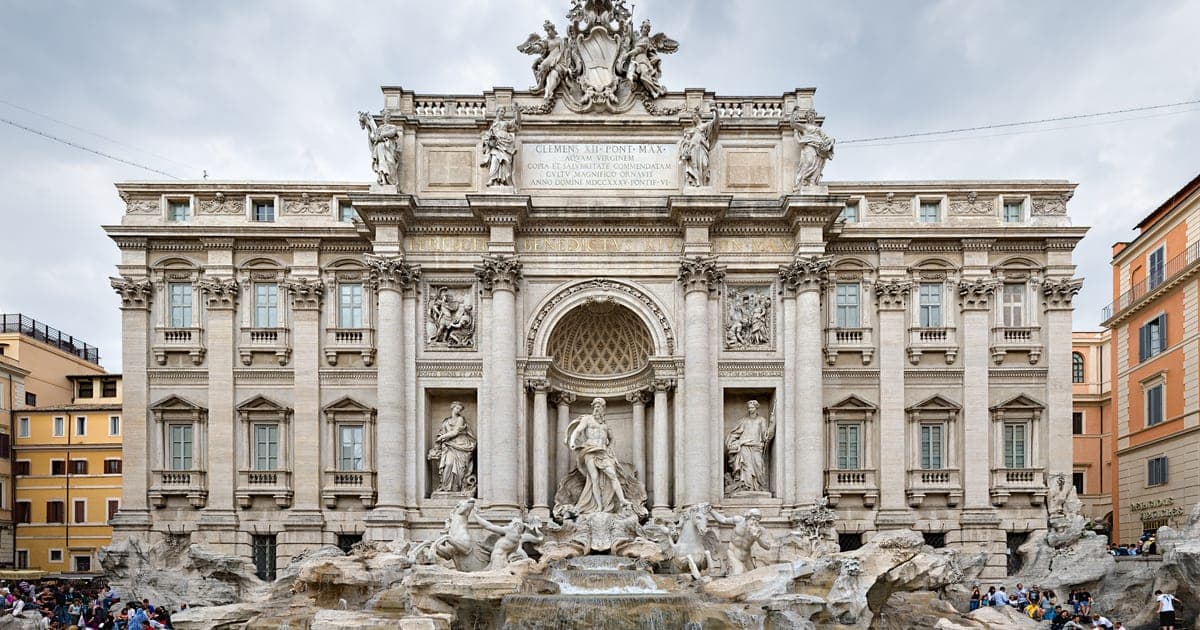
The most frequent season-mismatch I see: weddings in July, honeymoon to Greece. July Santorini is hellish. Pick Crete in October instead, or pick Greece for the anniversary trip, or move the wedding by three weeks if it's still flexible.
Mistake 4: Skipping travel insurance
This is the mistake people regret hardest. International medical evacuation can cost $40,000–$200,000. Trip cancellation insurance for a $10,000 honeymoon costs $400–$700. You're spending more on the honeymoon than on most insurance you'll ever buy and nobody buys it.
The fix: Buy comprehensive travel insurance with medical evacuation coverage and "cancel for any reason" upgrade. The marginal cost is 4–7% of trip value. The downside is you're out a few hundred dollars; the upside is you don't lose $10,000 if one of you gets food poisoning two days before the flight, or worse. See the international travel checklist for what to verify before you go and the visa requirements for US citizens if you're heading outside Europe.
Mistake 5: Planning the trip together, every detail
The conventional advice is "plan together so you both want it." This is mostly correct and entirely wrong in the ways that matter. Couples who joint-plan everything end up with itineraries that are negotiated rather than romantic — a compromise of both people's want lists rather than something either of them is excited by. And by the time you board the plane, every element has been discussed three times in the kitchen.
The fix: Collaborate on the big decisions — destination, dates, budget tier. Surprise each other on the small ones. One partner books one dinner without telling the other. One partner plans Day 4 secretly. The element of surprise — even small surprises — is what separates a honeymoon from "a vacation we took right after the wedding." This is the trick I learned planning a friend's 2024 honeymoon: she chose the destination, he chose the daily anchor activities and didn't tell her until each morning. She still talks about Day 6 in Lisbon, when he'd booked a private fado dinner she had no idea about.
Mistake 6: Doing the contrasting honeymoon in the wrong order
Around 40% of 2026 honeymoon bookings are now two-destination "contrasting honeymoons" — typically a stimulating destination plus a beach destination. The structure is good. The order, half the time, is wrong.
The fix: Put the more stimulating destination first. Always. Japan-then-Maldives, not Maldives-then-Japan. Iceland-then-Tulum, not Tulum-then-Iceland. Saving the beach for after means you spend your beach days actually unwinding from real things rather than dreading the end of vacation. Saving the cultural city for after means you arrive in Tokyo exhausted and skip the markets.
Mistake 7: Booking through a "honeymoon package"
Travel agents bundling flights, hotels, and transfers into a "honeymoon package" typically mark up 15–25%. Sometimes more. The romance language ("we'll handle everything") obscures that you're paying a significant premium for what is, mostly, two hours of research you could do yourself.
The fix: Book independently. Flights on Google Flights with the price calendar. Accommodation on Booking.com or directly with boutique properties (a polite email saying "we're honeymooners, what's your best 8-night rate?" works more often than not — independent properties love long stays and will frequently offer 10–20% off). Transfers via local taxi apps. Two hours of work saves $500–$1,500 on a typical honeymoon.
The exception: a genuinely luxury travel advisor (not a "package agent") who specializes in your specific destination — Maldives, safari, Japan ryokans — can sometimes get rates and suite upgrades you can't access directly. That's worth their fee. A generic "honeymoon agent" booking through a tour operator catalog is not.
Designing the First 48 Hours
If you only get one section of this guide right, make it this one.
Day 1 of a honeymoon should be near-empty. That's not a budget call; it's a design call. You have just been through the most emotionally compressed event of your adult life — the wedding — and you have probably also just been through a 6-to-12-hour flight. Your body is somewhere; your nervous system is somewhere else. Asking yourself to "make the most of Day 1" is asking the wrong question.
The right Day 1: arrive, get to the hotel, eat something simple at the hotel restaurant or room service, walk around the immediate neighborhood for an hour, sleep ten hours. That's the whole plan. If the hotel has a pool or a hot spring or a quiet garden — even better, you've used it. If you have a balcony with a view — sit there with bread and cheese and don't book anything.
Day 2 is when the honeymoon actually starts. And on Day 2 — exactly one anchor activity. One. Pick the thing you came for. The Santorini sunset wine tour. The Bali couples massage. The Tokyo sushi bar. The Bacalar lagoon catamaran. The first proper memory of the honeymoon. Build the rest of the day around it loosely — coffee somewhere, lunch wherever, the activity, dinner walked-into.
The reason this works: the first real shared experience after the wedding lodges in memory more deeply than every subsequent experience. Couples remember Day 2 of a honeymoon more clearly than Day 5. Make Day 2 the best version of itself.
Specific Day 2 anchors that work, by destination:
- Bali: Sunrise at Tanah Lot or Uluwatu temple, then beach club in the afternoon
- Japan: Arashiyama bamboo grove at dawn (genuinely empty before 8 AM, overwhelming by 10 AM), then a casual lunch at Nishiki Market — see the Tokyo 4-Day Itinerary for context on broader pacing
- Santorini: Wine tasting at Santo Wines or Domaine Sigalas, then sunset at Akrotiri Lighthouse (a fraction of Oia's crowds)
- Amalfi Coast: Private boat from Positano along the coast to Capri — the iconic memory people came for
- Bacalar: Sailing catamaran on the lagoon, swimming in the Pirates Channel, a single long lunch on the water
- Maldives: Snorkeling directly off the bungalow deck at golden hour. That's it. That's the day
The mistake is treating Day 2 like Day 5 — over-loading it because you're "now rested." You're not rested. You're 36 hours from a wedding. Anchor it on one thing. Walk into the rest.
Frequently Asked Questions
How much should we budget for a 2026 honeymoon?
Most couples should plan for $4,500–$8,000 total — the Comfort tier above. That covers a 10-night honeymoon to destinations like Bali, Lisbon + Algarve, Tulum, Montenegro, or Zanzibar with character hotels, occasional splurge dinners, and 4–5 paid excursions. Couples on tighter budgets ($2,000–$4,500) get more honeymoon than they expect at Bacalar, Crete, Sri Lanka, or Slovenia. Couples in the Premium ($8,000–$15,000) and Aspirational ($15,000+) tiers are buying iconographic destinations — Santorini caldera suites, Maldives overwater, safari + Zanzibar combos. The single biggest variable across all tiers is flight cost from your home airport.
Best honeymoon destination for first-time international travelers?
Lisbon + the Algarve, Bali, or Crete. All three are first-international-trip-friendly: English widely spoken, well-developed tourist infrastructure, low scam risk, easy public transport plus available private drivers, and short enough learning curves that you don't spend Day 1 lost. Bali requires a longer flight from the US but offers the strongest "this is genuinely different from home" experience. Crete and Lisbon are easier from Europe and offer culture without intimidation. Avoid first-trip destinations with complex internal logistics (Japan with the JR Pass, India, multi-country Africa) unless one partner has international experience.
When should we book to get the best 2026 prices?
Flights: 3–4 months ahead for international, 6 weeks for domestic. Tuesday and Wednesday flights average 15–20% cheaper than Friday or Sunday. Use Google Flights' price calendar to find the cheapest 3-day window around your wedding date. Hotels: 4–6 months ahead for peak-season properties (Maldives in February, Santorini in June, Japan in cherry blossom season — these sell out completely). 2–3 months for shoulder season at most other destinations. Ryokans in Japan during cherry blossom or autumn leaves: 3–4 months minimum. The Azores and Slovenia are growing fast and now require earlier booking than they used to. See when to book the cheapest flights for 2026 for the broader timing strategy.
Should we pay for travel insurance?
Yes, every time. International medical evacuation can cost $40,000–$200,000. Comprehensive travel insurance for a $10,000 honeymoon runs $400–$700, including medical, trip cancellation, and "cancel for any reason" coverage. The cost is 4–7% of trip value, the upside is total — you don't lose the trip if a parent gets sick three days before the flight. This is the single highest-ROI honeymoon expense. Skipping it is the most regretted honeymoon decision in my experience.
Honeymoon registry vs. cash gifts?
If your guest list will donate generously, a honeymoon registry (Honeyfund, Zola, Wanderable) lets guests gift specific experiences — "buy us our snorkeling day in Zanzibar," "fund our caldera-view dinner in Santorini." Registries average 30–40% higher contributions than generic cash gifts because guests prefer specificity. The downside: most registries take 2–4% in fees. The hybrid that works best: registry for the experiences (psychologically appealing for guests), separate cash option (Venmo, bank transfer) for couples who'd rather give without fees. Don't ask for cash gifts on your wedding invitation — list the registry on your wedding website only.
Is the contrasting honeymoon worth the extra logistical complexity?
For most couples, yes. About 40% of 2026 honeymoon bookings are now two-destination structures, and the data is clear — couples report higher satisfaction with contrasting honeymoons than single-destination ones, especially for trips longer than 8 nights. The reason is simple: you want both meaningful shared experience and genuine relaxation, and most single destinations struggle to deliver both at their best. Standout combinations: Japan + Maldives, Bali + Seychelles, Amalfi + Santorini, Iceland + Tulum, Lisbon + Algarve. Always sequence the more stimulating destination first.
How do we plan a honeymoon when our schedules are completely full?
Use AI planning. Genuinely. Tools like our AI trip planner compress what used to be 15–20 hours of research (flights, hotels, daily itineraries, restaurant bookings, transport) into 60–90 minutes of conversation. The best 2026 use case for AI planners is exactly the over-scheduled couple: you describe budget, dates, vibe, and constraints; the AI returns a sequenced plan with realistic costs you then refine. The honeymoon is one of the highest-leverage trips to plan with AI because the variables (two travelers, fixed dates, optimization for romance and pacing) are exactly what AI does well.
What's the single most-skipped honeymoon planning step?
Designing Day 1 to be empty. Almost no one does it. Almost everyone regrets it. If you take one piece of advice from this guide, take that one — book the flight, get to the hotel, eat something simple, sleep ten hours, and let Day 2 be when the honeymoon actually starts.
Plan your 2026 honeymoon with our free AI trip planner — drop in your destination, dates, and budget tier, and get a sequenced day-by-day plan with realistic costs and shoulder-season recommendations.
Sources: