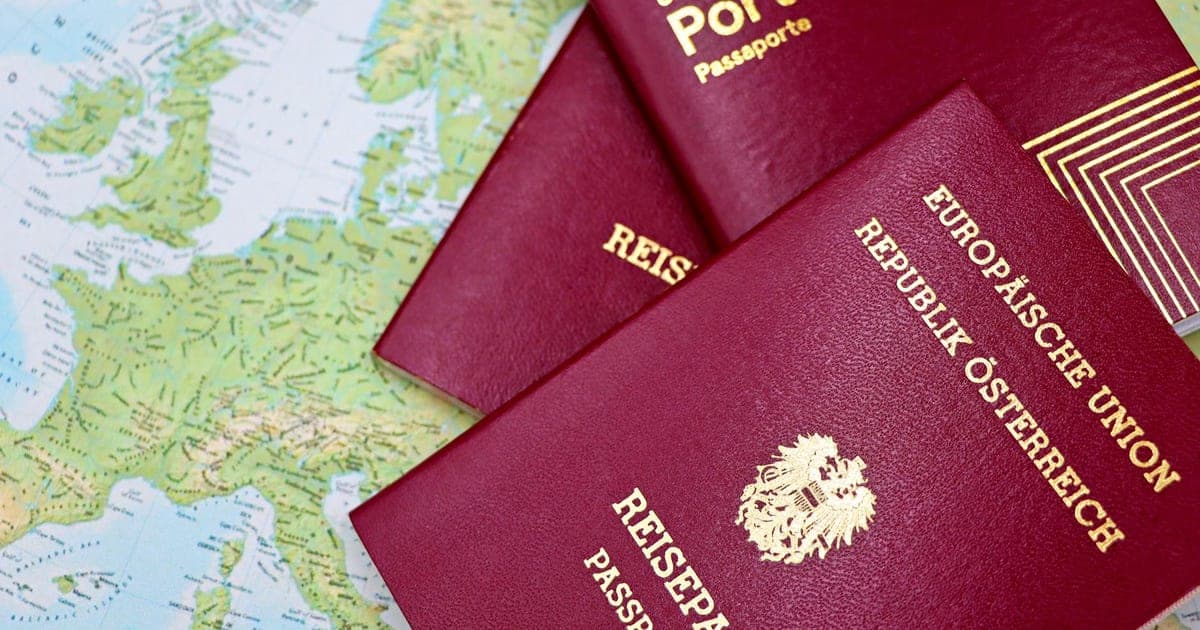
El pasaporte estadounidense ocupa el puesto 10 en el mundo en libertad de viaje en 2026, El Henley Passport Index situa su acceso sin visa y con visa al llegar en 180 destinos; suma los pocos que solo requieren una autorizacion electronica rapida y llegas a unos 186 lugares alcanzables sin visa tradicional. Eso es excelente segun los estandares globales, pero no significa que puedas presentarte en cualquier lugar solo con tu pasaporte y una sonrisa.
Al menos 20 paises requieren que los ciudadanos estadounidenses obtengan una visa o autorizacion electronica de viaje antes de llegar, y ese numero esta a punto de crecer. El sistema ETIAS de Europa se lanza este ano, el Reino Unido ya exige su requisito de ETA, y varios paises han cambiado recientemente sus politicas.
Esta guia cubre cada escenario: donde puedes viajar libremente, donde necesitas tramites previos, cuanto cuesta y cuanto tiempo toma. Guardala en favoritos antes de tu proximo viaje.
El Pasaporte Estadounidense en 2026
Segun el Henley Passport Index, el pasaporte de EE.UU. proporciona:
- Acceso sin visa: ~146 paises y territorios (sin tramites previos)
- Visa al llegar: ~34 paises (obtienes la visa en el aeropuerto o frontera)
- ETA/autorizacion electronica: ~6 paises (registro rapido en linea)
- Visa requerida: ~20+ paises (debes solicitarla antes de viajar)
Las dos primeras lineas son los 180 destinos que Henley cuenta para su ranking. Suma los paises con ETA y llegas a unos 186 accesibles con minima burocracia. Para los paises restantes, necesitaras planificar con anticipacion, a veces semanas o meses.
Donde Pueden Viajar los Ciudadanos de EE.UU. sin Visa
La mayoria de los destinos turisticos populares reciben a los portadores de pasaporte estadounidense sin visa. Aqui tienes un desglose por region.
Todo lo que aparece en esta seccion es un lugar que puedes decidir hoy y volar la semana que viene. Si alguno te llama la atencion, puedes convertirlo en un itinerario dia a dia en unos treinta segundos, sin cuenta y sin tarjeta.
Europa (Zona Schengen + No Schengen)
Los ciudadanos de EE.UU. pueden visitar 26 paises de la Zona Schengen hasta 90 dias dentro de cualquier periodo de 180 dias. Esto incluye Francia, Alemania, Italia, Espana, Portugal, Grecia, Paises Bajos, Austria, Suiza y los paises nordicos. Los paises europeos fuera de Schengen como el Reino Unido, Irlanda, Croacia (ahora Schengen desde 2023) y los Balcanes tambien permiten entrada sin visa.
Cambio importante en 2026: El requisito de ETIAS (detallado mas abajo) anadira un paso obligatorio de registro en linea para viajar a Schengen a partir de finales de 2026.
Las Americas
Casi todos los paises de Norte, Centro y Sudamerica permiten la entrada sin visa a ciudadanos de EE.UU.:
- Canada: Hasta 6 meses, sin visa necesaria
- Mexico: Hasta 180 dias sin visa
- Centroamerica (Guatemala, Belice, Honduras, El Salvador, Costa Rica, Nicaragua, Panama): 30-90 dias sin visa
- La mayor parte de Sudamerica (Argentina, Chile, Colombia, Ecuador, Peru, Uruguay): 30-90 dias sin visa
- Caribe: La mayoria de las islas permiten estancias de 30-90 dias sin visa
Excepcion: Brasil ahora requiere una e-visa desde enero de 2026 (ver seccion de e-visa abajo).
Asia-Pacifico
- Japon: 90 dias sin visa
- Corea del Sur: 90 dias sin visa (K-ETA suspendida hasta 2026)
- Taiwan: 90 dias sin visa
- Singapur: 90 dias sin visa
- Tailandia: 60 dias sin visa (ampliado de 30 dias en 2024)
- Malasia: 90 dias sin visa
- Filipinas: 30 dias sin visa
- Hong Kong: 90 dias sin visa
- Israel: 90 dias sin visa (estatus de turista B/2)
- EAU: 30 dias sin visa
- Georgia: 1 ano sin visa
- Mongolia: 30 dias sin visa
Africa
El acceso sin visa en Africa es mas limitado, pero varios destinos populares reciben a ciudadanos de EE.UU.:
- Marruecos: 90 dias sin visa
- Sudafrica: 90 dias sin visa
- Tunez: 90 dias sin visa
- Mauricio: 90 dias sin visa
- Seychelles: 90 dias sin visa (permiso de turista a la llegada)
- Ruanda: 30 dias sin visa
- Botsuana: 90 dias sin visa
Oceania
- Nueva Zelanda: 90 dias sin visa (se requiere NZeTA, NZD $17 en linea)
- Fiyi: 120 dias sin visa
- Tonga, Samoa, Vanuatu: 30-60 dias sin visa
Nota: Australia requiere un ETA (detallado abajo).
Paises que Requieren Visa para Ciudadanos de EE.UU.
Estos son los destinos destacados donde no puedes simplemente presentarte con tu pasaporte. Cada uno requiere preparacion previa.
Paises que Requieren Visa Tradicional de Embajada/Consulado
| Pais | Tipo de Visa | Costo (USD) | Tiempo de Tramite | Estancia Permitida |
|---|---|---|---|---|
| China | Visa de turista (L) | $68 | 4-7 dias habiles | 60 dias por entrada (multi-entrada 10 anos) |
| Rusia | Visa de turista | $198+ | ~10 dias habiles | 30 dias (entrada simple) |
| Corea del Norte | N/A | N/A | N/A | Viaje prohibido para ciudadanos de EE.UU. |
| Butan | Visa de turista | $40 (visa) + $100/dia SDF | 7+ dias | Duracion del itinerario aprobado |
| Ghana | Visa de turista | $60 | 5-10 dias habiles | 30-60 dias |
| Nigeria | Visa de turista | $160 | 3-7 dias habiles | 90 dias |
| Argelia | Visa de turista | $160 | 7-10 dias habiles | 90 dias |
| Libia | Visa de turista | Variable | Variable | Requiere patrocinio |
| Turkmenistan | Visa de turista | $155 | 10-20 dias habiles | Se requiere carta de invitacion |
China: La Sorpresa Mas Comun
China es el destino que mas viajeros estadounidenses toma por sorpresa. Absolutamente necesitas una visa, y el proceso cambio en septiembre de 2025 con la nueva plataforma COVA (China Online Visa Application). Las buenas noticias:
- Costo: $68 por visa de turista multi-entrada (tarifa reducida valida hasta diciembre de 2026)
- Lo que obtienes: Visa de multi-entrada por 10 anos, 60 dias por entrada
- Tramite: 4 dias habiles estandar, 2-3 dias express (+$25)
- Requisitos simplificados: Ya no se necesitan reservas de vuelos ni hoteles
- Excepcion de transito: Los ciudadanos de EE.UU. pueden transitar por China sin visa hasta 240 horas (10 dias) con un boleto confirmado a un tercer pais
Rusia: Costosa y Sin Opcion de E-Visa
A diferencia de los ciudadanos de la mayoria de los paises, los ciudadanos de EE.UU. NO son elegibles para la e-visa rusa. Debes solicitar a traves de un consulado o centro de visas VFS con una solicitud completa en papel.
- Costo: $198 minimo ($160 tarifa consular + $38 cargo por servicio), hasta $550 por multi-entrada de 3 anos
- Documentos requeridos: Pasaporte, formulario de solicitud, foto, carta de invitacion de un operador turistico ruso registrado ($15-30)
- Tramite: Aproximadamente 10 dias habiles
- Solicitud: Debe enviarse a traves de visa.kdmid.ru
Paises con E-Visa: El Punto Medio Digital
Las e-visas se han convertido en el estandar para paises que quieren evaluar a los viajeros pero no quieren hacer el proceso engorroso. Solicitas en linea, subes documentos y recibes la aprobacion electronicamente, sin necesidad de visitar la embajada.
India: Tres Niveles de E-Visa
India ofrece uno de los sistemas de e-visa mas flexibles para ciudadanos de EE.UU.:
| Tipo de E-Visa | Costo (USD) | Validez | Estancias Permitidas |
|---|---|---|---|
| E-Turista 30 dias | $25-40 | 30 dias | Doble entrada |
| E-Turista 1 ano | $40 | 1 ano | Multi-entrada, 90 dias por visita |
| E-Turista 5 anos | $80 | 5 anos | Multi-entrada, 90 dias por visita |
Tiempo de tramite: 3-6 dias estandar, la mayoria aprobada en 24-72 horas. Tramite urgente ($99) disponible para respuesta en 1-3 dias. Solicita al menos 4 dias antes de la llegada.
Brasil: Nuevo Requisito de E-Visa (Enero 2026)
Brasil termino con la entrada sin visa para ciudadanos de EE.UU. en abril de 2025, tras varios aplazamientos, y la plataforma actual de e-visa operada por VFS entro en funcionamiento a principios de 2026. Necesitas una e-visa:
- Costo: $80,90 ($80 de tarifa consular mas $0,90 de gestion)
- Tramite: Unos 10 dias habiles. Solicitala con al menos dos semanas de antelacion
- Validez: Multi-entrada, hasta 90 dias por visita (180 dias en 12 meses)
- Solicitud: Completamente en linea
Otros Paises con E-Visa para Ciudadanos de EE.UU.
| Pais | Costo | Tramite | Validez |
|---|---|---|---|
| Vietnam | $25 | 3 dias habiles | 90 dias, entrada simple/multiple |
| Kenia | $51 | 2-3 dias habiles | 90 dias |
| Tanzania | $50 | 2-10 dias habiles | 90 dias |
| Myanmar | $50 | 3 dias habiles | 28 dias |
| Sri Lanka | $50 | 24-48 horas | 30 dias |
| Camboya | $36 | 3 dias habiles | 30 dias |
| Azerbaiyan | $26 | 3 dias habiles | 30 dias |
Visa al Llegar: Paga en la Puerta
Aproximadamente 34 paises ofrecen visa al llegar para ciudadanos de EE.UU. No necesitas solicitar con anticipacion: solo presentate con tu pasaporte, una foto (a veces) y efectivo para la tarifa.
Destinos Populares con Visa al Llegar
| Pais | Costo | Estancia Permitida | Notas |
|---|---|---|---|
| Indonesia | $35 | 30 dias (extendible +30) | Disponible en principales aeropuertos y puertos |
| Nepal | $30-125 | 15-90 dias | La tarifa varia segun duracion |
| Egipto | $25 | 30 dias | Entrada simple; paga en USD en el aeropuerto |
| Maldivas | Gratis | 30 dias (extendible a 90) | Se requiere prueba de viaje de salida |
| Jordania | ~$56 (40 JOD) | 30 dias | Gratis con compra de Jordan Pass ($99+) |
| Laos | $40 | 30 dias | Lleva 2 fotos de pasaporte |
| Madagascar | $37 | 30-90 dias | La tarifa varia segun duracion |
| Zambia | $50 | 30 dias | KAZA UniVisa disponible para Zambia + Zimbabue |
| Zimbabue | $30-55 | 30-90 dias | Entrada simple o doble |
Consejo profesional: Siempre lleva dolares estadounidenses en billetes pequenos cuando uses visa al llegar. Muchos paises requieren pago exacto y no dan cambio. Es posible que no haya cajeros automaticos antes del mostrador de inmigracion.
ETA y Autorizaciones Electronicas de Viaje
Los ETA estan entre la entrada sin visa y la e-visa. Son registros rapidos en linea, no solicitudes de visa completas, pero son obligatorios.
Australia ETA
- Costo: AUD $20 (~$13 USD) tarifa de servicio, sin cargo de visa
- Tramite: Generalmente instantaneo a 24 horas
- Validez: 12 meses, multi-entrada, hasta 3 meses por estancia
- Como solicitarlo: A traves de la app oficial Australian ETA (solo movil)
UK ETA (Vigente desde Febrero 2026)
El Reino Unido exige una Autorizacion Electronica de Viaje a todos los ciudadanos de EE.UU.:
- Costo: GBP 20 (~$27 USD) desde el 8 de abril de 2026, frente a las GBP 16 anteriores
- Validez: 2 anos o hasta la expiracion del pasaporte
- Permite: Multi-entrada, hasta 6 meses por estancia
- Aplicacion: Las aerolineas negaran el embarque sin un ETA valido
Nueva Zelanda NZeTA
- Costo: NZD $17 (~$10 USD) via app, NZD $23 via web, mas NZD $35 IVL (tasa turistica)
- Tramite: Hasta 72 horas (generalmente mas rapido)
- Validez: 2 anos, multi-entrada
ETIAS para Europa: Que Cambia a Finales de 2026
El Sistema Europeo de Informacion y Autorizacion de Viajes (ETIAS) es el cambio mas grande que viene para los viajeros estadounidenses en 2026. Esto es lo que necesitas saber.
Que es ETIAS?
ETIAS es una autorizacion electronica de viaje, similar al sistema ESTA de EE.UU. que los visitantes extranjeros usan para entrar a America. No es una visa. Es una verificacion previa que toma minutos completar en linea.
Cuando se Lanza?
ETIAS esta programado para el ultimo trimestre de 2026 (octubre-diciembre). La UE anunciara la fecha exacta al menos 6 meses antes del lanzamiento.
Quien lo Necesita?
Todos los viajeros de paises exentos de visa que visiten la Zona Schengen, incluyendo ciudadanos de EE.UU. Esto cubre 30 paises europeos: todos los 27 estados miembros de la UE que forman parte de Schengen, mas Islandia, Liechtenstein, Noruega y Suiza.
Costo y Validez
- Tarifa: EUR 20 (~$23 USD) - la Comision la subio desde EUR 7 en julio de 2025 para igualarla al ETA britanico y al ESTA estadounidense. Siguen exentos los menores de 18 y mayores de 70 anos
- Validez: 3 anos o hasta la expiracion del pasaporte (lo que ocurra primero)
- Multiples viajes: Entradas ilimitadas durante el periodo de validez
- Limites de estancia: Se aplica la misma regla de 90 dias en 180 dias
Proceso de Solicitud
- Completa el formulario en linea (datos personales, info del pasaporte, planes de viaje)
- Responde preguntas de seguridad y salud
- Paga la tarifa de EUR 20
- La mayoria de las aprobaciones llegan en minutos; un pequeno porcentaje puede tardar hasta 30 dias por revision manual
Importante: ETIAS no reemplaza la regla de 90/180 dias. Sigues sin poder permanecer en la Zona Schengen mas de 90 dias en cualquier ventana de 180 dias.
Al planificar un viaje a Europa, el planificador de viajes con AI gratuito de MonkeyTravel puede organizar tus estancias en Schengen entre varios paises para que veas las cuentas de los 90 dias de un vistazo, en vez de contar con los dedos.
Comparacion de Costos de Visa para Destinos Populares
Aqui tienes una comparacion lado a lado de lo que pagan los ciudadanos de EE.UU. por documentacion de entrada en los destinos mas visitados que lo requieren.
| Destino | Tipo | Costo (USD) | Validez | Tramite |
|---|---|---|---|---|
| Europa (ETIAS) | Autorizacion electronica | ~$23 | 3 anos | Minutos |
| Reino Unido | ETA | ~$27 | 2 anos | 1-3 dias |
| Australia | ETA | ~$13 | 12 meses | Instantaneo-24h |
| India (1 ano) | E-visa | $40 | 1 ano | 1-6 dias |
| Brasil | E-visa | $80,90 | Hasta 10 anos | ~10 dias habiles |
| China | Visa de embajada | $68 | 10 anos | 4-7 dias |
| Vietnam | E-visa | $25 | 90 dias | 3 dias |
| Rusia | Visa de embajada | $198+ | 30 dias | ~10 dias |
La relacion costo-beneficio varia enormemente. Los $68 de China te dan una visa de 10 anos, probablemente la mejor oferta por ano de cualquier visa en esta lista. Los $198 de Rusia te dan 30 dias y una pila de papeleo.
Consejos para el Proceso de Solicitud de Visa
1. Verifica la Validez del Pasaporte Primero
La mayoria de los paises requieren que tu pasaporte sea valido por al menos 6 meses despues de tu fecha de salida prevista. Algunos (como China) requieren al menos una pagina en blanco para la etiqueta de visa. Si tu pasaporte vence dentro de un ano, renovalo antes de solicitar cualquier visa.
2. Solicita Antes de lo que Crees
Los tiempos de tramite estandar son estimaciones del mejor escenario. Solicita al menos 4-6 semanas antes de viajar para visas de embajada, 2 semanas para e-visas. Las temporadas festivas, cambios de politica y retrasos inesperados pueden sumar dias.
3. Prepara tus Documentos Digitalmente
Escanea la pagina biografica de tu pasaporte, itinerario de viaje, confirmaciones de hotel y fotos antes de comenzar. Las solicitudes de e-visa a menudo rechazan archivos demasiado grandes, formato incorrecto o mala calidad. Manten los archivos bajo 2MB, en formato JPEG o PDF.
4. Usa Solo Sitios Web Oficiales
Los sitios web de estafas de visa estan en todas partes. Se ven profesionales, cobran 3-5 veces la tarifa real, y a veces ni siquiera envian tu solicitud. Siempre usa el portal oficial del gobierno:
- India: indianvisaonline.gov.in
- China: cova.mfa.gov.cn
- Australia: App oficial ETA en iOS/Android
- Reino Unido: gov.uk/electronic-travel-authorisation
- Brasil: gov.br/en
5. Guarda Copias de Todo
Imprime tus aprobaciones de e-visa y confirmaciones de ETA. Las copias digitales en tu telefono son convenientes, pero los sistemas de inmigracion se caen, los telefonos mueren, y algunos paises especificamente requieren una copia impresa.
6. Rastrea la Regla de 90 Dias
Para viajes a la Zona Schengen, el reloj de 90/180 dias es acumulativo en todos los paises Schengen. Una semana en Francia, dos semanas en Italia y un mes en Espana cuentan para el mismo limite de 90 dias. Usa una calculadora Schengen o deja que el planificador con AI de MonkeyTravel rastree tus dias automaticamente al construir itinerarios europeos de multiples paises.
¿Vas en sentido contrario? Analizamos si es seguro viajar a EE.UU. en 2026 desde el lado del visitante.
Preguntas Frecuentes
Los ciudadanos de EE.UU. necesitan visa para Europa en 2026?
No. ETIAS deberia haber llegado en el Q4 de 2026, pero ese objetivo se retiro de la propia web de la UE en julio de 2026 y 2027 es ahora la expectativa realista. Hasta que se lance, los ciudadanos de EE.UU. entran a la Zona Schengen con solo un pasaporte valido por hasta 90 dias en cualquier periodo de 180 dias. Cuando llegue costara EUR 20 (subida desde EUR 7), durara 3 anos y se tramitara en minutos. Es una autorizacion de viaje, no una visa.
Cuantos paises pueden visitar los ciudadanos de EE.UU. sin visa?
Los portadores de pasaporte estadounidense pueden alcanzar aproximadamente 186 paises y territorios sin visa, con visa al llegar o con una autorizacion electronica simple. Unos 146 son completamente sin visa, 34 ofrecen visa al llegar y 6 requieren un registro rapido de ETA. El Henley Passport Index solo cuenta las dos primeras categorias, y por eso situa a EE.UU. en 180.
Necesito visa para Brasil como ciudadano de EE.UU.?
Si. Brasil termino con la entrada sin visa para americanos en abril de 2025. La e-visa cuesta $80,90, tarda unos 10 dias habiles en tramitarse y permite multiples entradas con estancias de hasta 90 dias, en un documento valido hasta 10 anos. Todo se solicita en linea, sin visita a la embajada, pero esos 10 dias significan que no es algo que dejar para la semana anterior.
Pueden los ciudadanos de EE.UU. obtener una e-visa para Rusia?
No. Estados Unidos esta especificamente excluido del programa de e-visa de Rusia. Los ciudadanos estadounidenses deben solicitar una visa tradicional en papel a traves de un consulado ruso o centro de visas VFS. El costo minimo es $198, el tramite toma aproximadamente 10 dias habiles, y necesitas una carta de invitacion de un operador turistico ruso registrado.
Que pasa si mi solicitud de visa es rechazada?
Las tasas de rechazo de visa para ciudadanos de EE.UU. son generalmente bajas para visas de turista, pero los rechazos ocurren. Si te rechazan, tipicamente recibiras una razon (documentacion insuficiente, solicitud incompleta, etc.). Generalmente puedes volver a solicitar despues de corregir el problema, aunque algunos paises imponen periodos de espera. Las tarifas de visa casi nunca se reembolsan tras el rechazo. Siempre solicita con bastante anticipacion para tener tiempo de volver a aplicar si es necesario.
Planifica tu Viaje con Confianza
Los requisitos de visa cambian frecuentemente: los paises actualizan politicas, lanzan nuevos sistemas electronicos y ajustan tarifas. Esta guia se verifico por ultima vez en agosto de 2026, y las entradas de ETIAS y Brasil son dos casos en los que cifras muy repetidas se habian quedado obsoletas. Verifica siempre con el sitio web oficial de la embajada o consulado antes de solicitar.
La buena noticia es que la tendencia es hacia viajes mas faciles. Las e-visas estan reemplazando las solicitudes en papel, los ETA estan reemplazando las visas con sello en pasaporte, y los tiempos de tramite siguen acortandose. El pasaporte estadounidense sigue siendo uno de los documentos de viaje mas poderosos del mundo.
Una vez resuelta la cuestion del papeleo, planificar deberia ser la parte facil. Pon un destino y el planificador de viajes con AI gratuito de MonkeyTravel construye un itinerario dia a dia con lugares reales, horarios y presupuestos en unos treinta segundos, sin necesidad de cuenta. No tramitara tu visa, pero si te dira que hacer con los dias cuando aterrices.
Si prefieres empezar por la parte del mapa sin papeleo, nuestra guia de destinos sin visa segun tu pasaporte es el camino mas corto entre "donde puedo ir" y un plan.
Planifica un Viaje — Gratis, Sin Registro
Buen viaje, y no olvides tu pasaporte.