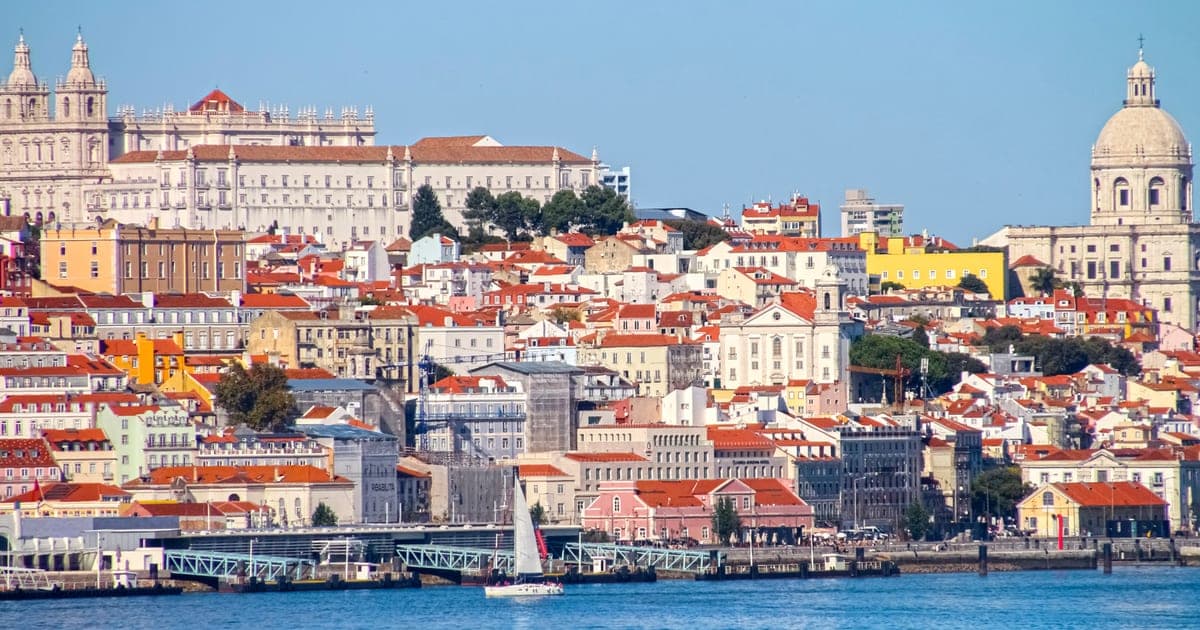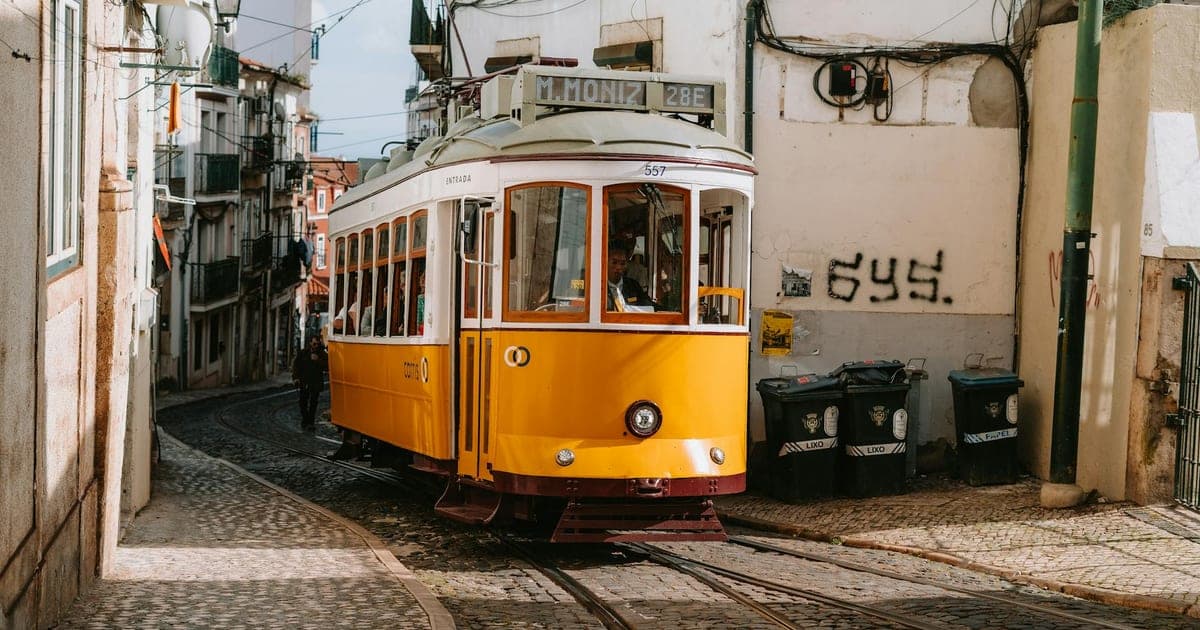
Lisbon is a city that rewards you for getting lost. You turn a corner in Alfama and suddenly there's a miradouro with the whole Tagus River laid out below you. You follow a tram track uphill and end up at a tiny ginjinha bar where the owner pours from a bottle older than you are. You chase the smell of pasteis de nata and find yourself in a bakery that's been open since the 1800s.
Three days is the sweet spot. Enough to cover the essential neighborhoods, take a day trip to Sintra's fairy-tale palaces, and still have time for long lunches and sunset drinks. This itinerary is built on actual walking routes, real 2026 prices, and the kind of specific recommendations you won't find in a generic "top 10" list.
Before You Go: The Practical Stuff
Getting Around
Lisbon's public transport system is good — but the city's hills are no joke. You'll want a combination of trams, metro, and walking.
- Navegante card: Buy a reusable card (€0.50) at any metro station and load it with "Zapping" credit. Single rides drop to €1.72 instead of the on-board price. Works on metro, buses, trams, ferries, and the Santa Justa Elevator.
- 24-hour pass: €7.25 for unlimited travel on all Lisbon public transport including trams and funiculars. Worth it if you plan 4+ rides in a day.
- Tram 28 single ticket: €3.30 bought on board. Use Zapping or the 24-hour pass to save money — Tram 28 gets very crowded and you might ride it several times.
- Lisboa Card: €22/24h, €37/48h, or €46/72h. Includes unlimited public transport plus free entry to 50+ museums and monuments including Castelo de Sao Jorge, Jeronimos Monastery, Torre de Belem, and the National Tile Museum. The 72-hour card pays for itself easily over 3 days.
From the airport: The metro Red Line runs directly from Aeroporto station to the city center in about 25 minutes (€1.72 with Zapping + €0.50 for the card). Taxis cost a flat €20 to the center with no luggage surcharge. Uber is widely available and usually €12-18.
Important: Lisbon's hills are genuinely steep. Comfortable shoes are non-negotiable. The cobblestone streets (calcada portuguesa) are beautiful but slippery when wet. Trams and funiculars exist for a reason — use them.
When to Visit
Lisbon has over 300 days of sunshine per year, but the season matters:
- March-May: Best overall. 16-22°C, flowers everywhere, manageable tourist numbers, perfect walking weather
- June-August: Hot (28-35°C), very crowded, but the rooftop bar scene is in full swing. Book accommodations far in advance
- September-October: Sweet spot. Still warm (22-28°C), summer crowds thin out, Sintra is less packed
- November-February: Mild (10-16°C), occasional rain, but the cheapest hotels and shortest queues. Lisbon doesn't shut down in winter
Budget Breakdown
| Expense | Budget | Mid-Range | Splurge |
|---|---|---|---|
| Hotel/night | €50-90 | €110-200 | €250+ |
| Food/day | €20-35 | €45-80 | €100+ |
| Transport/day | €5-8 | €7-15 | €30+ (taxis) |
| Activities/day | €10-25 | €25-50 | €60+ |
| Daily Total | €85-158 | €187-345 | €440+ |
Lisbon is one of the cheapest capitals in Western Europe. A proper meal with wine in a local tasca costs what an appetizer costs in Paris. Don't overspend on tourist-trap restaurants near major sights — walk two blocks in any direction and prices drop by half.
Day 1: Alfama, Castelo de Sao Jorge & Fado
Morning: Alfama & the Castle (9:00 AM)
Start in Alfama, Lisbon's oldest neighborhood. This is the one that survived the 1755 earthquake — a labyrinth of narrow alleys, tiled facades, laundry lines overhead, and old women leaning out of windows. It's the real Lisbon, and it's best experienced early before the tour groups arrive.
Castelo de Sao Jorge should be your first stop. Get there at opening time (9:00 AM) to beat the crowds. The castle itself is a Moorish fortification dating back to the 11th century, but the real draw is the view — this is the highest point in central Lisbon, and on a clear morning you can see the entire city, the Tagus River, and the Ponte 25 de Abril bridge.
- Entry: €15 adults, €7.50 youth (13-25), free under 12. Free with Lisboa Card.
- Time needed: 60-90 minutes
- Tip: Walk the castle walls. The archaeological site inside is interesting but skippable if you're short on time. The cafe terrace has the same view at the price of a coffee.
After the castle, walk downhill through Alfama. Don't use Google Maps — just head generally downward and let the streets take you. You'll pass:
- Miradouro de Santa Luzia: Bougainvillea-covered terrace with views over Alfama's rooftops to the river. Two stunning tile panels on the wall show pre-earthquake Lisbon.
- Miradouro das Portas do Sol: Just next door, equally beautiful views. There's usually a guitarist here in the morning.
- Se de Lisboa (Lisbon Cathedral): The city's oldest church, built in 1147. Free to enter, but the cloister costs €4. The fortress-like Romanesque facade is worth seeing even if you don't go inside.
Late Morning: Tram 28 Experience (11:00 AM)
The Tram 28 is both a tourist attraction and a real commuter tram. The classic yellow car climbs impossibly steep hills, squeezes through alleys barely wider than the tram itself, and gives you a free panoramic tour of five Lisbon neighborhoods.
How to ride it smart:
- Board at Martim Moniz (the starting terminus) — not a mid-route stop. This guarantees you a seat. The line forms early, but it moves quickly.
- Ride the full route to Campo Ourique (about 40 minutes one way), then ride back or hop off wherever catches your eye.
- Use your Navegante card with Zapping (€1.72) rather than paying €3.30 cash on board.
- Pickpocket warning: Tram 28 is the most pickpocketed spot in Lisbon. Keep your bag in front of you, phone in your front pocket, and stay aware. This isn't fear-mongering — it's a genuine, well-documented problem.
Alternative: If the Tram 28 line is impossibly long (this happens in summer), take Tram 12 instead. It covers a shorter but equally scenic route through Alfama with a fraction of the tourists.
Afternoon: Graca & Lunch (1:00 PM)
Head to the Graca neighborhood, just uphill from Alfama. This is where Lisbon residents actually live — less polished, more authentic, and the food is better value.
Lunch options:
- Taberna da Rua das Flores: Tiny tasca with creative Portuguese small plates. Expect to spend €15-20 per person. Get the croquettes.
- O Velho Eurico: Classic family-run restaurant in Alfama. Grilled sardines, bacalhau (salt cod), and house wine for under €15. Cash only.
- Mercado da Graca: The recently renovated food hall in Graca. Multiple vendors, everything from sushi to traditional Portuguese — average €8-14 per meal.
After lunch, visit:
- Miradouro da Graca: Locals' favorite viewpoint. Less crowded than the Alfama miradouros, better sunset angle, and there's a kiosk selling cheap beer and sangria.
- Miradouro da Senhora do Monte: The highest viewpoint in Lisbon. Worth the steep walk for the 360-degree panorama. Best at golden hour.
Evening: Fado in Alfama (8:30 PM)
You cannot come to Lisbon and skip Fado — the melancholic Portuguese music genre born in the taverns of Alfama. There are two ways to experience it:
The traditional way (recommended):
- Clube de Fado: One of the best professional Fado houses in Alfama. Dinner and show. Expect to pay €40-55 per person including a meal and wine. Reservations essential.
- Tasca do Chico: Smaller, more intimate, raw performances. Cheaper at €25-35 but harder to get in — book a few days ahead.
The free way:
- Several bars in Alfama host informal Fado sessions (called fado vadio — amateur Fado). Walk along Rua dos Remedios and Rua de Sao Miguel after 9 PM and listen for the music. Buy a drink, sit quietly, and don't talk or clap during the song — only after.
Where to eat dinner before Fado:
- Cervejaria Ramiro: Lisbon's legendary seafood restaurant. Tiger prawns, percebes (goose barnacles), and a steak sandwich to finish — it's a ritual. Budget €35-50 per person. Always packed, so go early (7 PM) or expect a 30-minute wait.
- Ponto Final (across the river in Cacilhas): Take the ferry from Cais do Sodre (€1.72, 10 minutes) for some of the best grilled fish in Lisbon with waterfront views of the city skyline. Mains €10-16. The ferry ride alone is worth it.
Day 2: Belem, LX Factory & Bairro Alto
Morning: Belem District (9:00 AM)
Take the Tram 15E from Praca da Figueira or Cais do Sodre to Belem (20 minutes, €1.72 with Zapping). Belem is where Lisbon's Age of Discovery history lives — this is where Vasco da Gama set sail for India and where the great navigators are commemorated in stone.
First stop: Pasteis de Belem (8:00 AM if you can)
Before the monuments, before anything — go to Pasteis de Belem. This bakery has been making pasteis de nata from a secret monastery recipe since 1837, turning out over 20,000 tarts per day. The original location is under renovation in 2026, but their new next-door space is open and serves the same tarts.
- Price: About €1.40 per tart at the counter (cheaper than sitting at a table)
- Tip: Eat them warm, dusted with cinnamon and powdered sugar. Order at least two — you'll want a second one immediately.
- Alternative: Manteigaria (in Chiado, or their Belem outpost) makes arguably equally good pasteis de nata at €1.50. Less queue, more caramelized top.
Jeronimos Monastery (10:00 AM)
The Mosteiro dos Jeronimos is Lisbon's most impressive building and a UNESCO World Heritage Site. The Manueline architecture — a uniquely Portuguese style mixing Gothic, Renaissance, and maritime motifs — is extraordinary. The cloisters are the highlight: two stories of carved stone arches that look like coral reefs frozen in limestone.
- Entry: €21 adults. Free with Lisboa Card. Free first Sunday of the month.
- Time needed: 60-90 minutes
- Tip: The church entrance is free (separate from the monastery ticket) and features Vasco da Gama's tomb. Visit the church first while waiting for your monastery time slot.
Torre de Belem (11:30 AM)
A 10-minute walk west along the waterfront brings you to the Torre de Belem, the iconic 16th-century tower that's become Lisbon's most photographed landmark. It's smaller than you expect in person.
- Entry: €8 adults. Free with Lisboa Card. Note: The tower is under renovation until May 2026 — check current status before visiting. You can still see the exterior and the surrounding area.
- Time needed: 30-45 minutes (if open)
Also in Belem:
- Padrao dos Descobrimentos (Monument to the Discoveries): €10 to go up for the views. The floor map of Portuguese maritime routes is impressive.
- MAAT (Museum of Art, Architecture and Technology): €11. The wavy building alone is worth seeing from outside. Skip if you're not into contemporary art.
- Walk along the Belem waterfront from the monument to the tower — it's a pleasant 15-minute stroll with river views.
Afternoon: LX Factory (2:00 PM)
A 10-minute walk east from Belem (or one tram stop) brings you to LX Factory, a converted industrial complex under the Ponte 25 de Abril bridge. This is Lisbon's creative hub — design studios, independent shops, street art, and some excellent food.
Don't miss:
- Ler Devagar: A stunning bookshop inside an old printing press. One of the most beautiful bookstores in Europe.
- Landeau Chocolate: Serves one item — a slab of chocolate cake that's widely considered the best in Lisbon. €5.50. Worth the queue.
- Lunch at LX Factory: Multiple restaurants with outdoor seating. 1300 Taberna does excellent Portuguese cuisine (€14-20 mains). Cafe na Fabrica is good for lighter meals.
Late Afternoon: Chiado & Carmo (4:00 PM)
Take the tram back toward the center and get off at Chiado, Lisbon's elegant shopping and literary district.
- Convento do Carmo: The roofless Gothic church destroyed in the 1755 earthquake and left as a ruin on purpose. Hauntingly beautiful. €5 entry.
- Elevador de Santa Justa: The famous iron elevator connecting Baixa to Chiado. Skip the queue for the elevator and instead walk up the hill to the viewing platform at the top — it's included with the Lisboa Card or costs €1.72 with Zapping for the elevator ride.
- A Brasileira cafe: The historic cafe on Rua Garrett where poet Fernando Pessoa used to write. Touristy but iconic. Have an espresso (€1.20) at the bar, not at a table (where prices double).
Evening: Bairro Alto & Cais do Sodre Nightlife (8:00 PM)
Bairro Alto transforms at night. During the day it's a quiet residential neighborhood. After 9 PM, the shutters fly open on dozens of tiny bars, and the narrow streets fill with people holding drinks and conversation.
Dinner first:
- Cervejaria da Trindade: Beautiful azulejo-tiled beer hall founded in 1836. Seafood and steaks in a former monastery refectory. Mains €14-22.
- Bairro do Avillez: Celebrity chef Jose Avillez's casual restaurant with modern Portuguese cuisine. Expect €25-35 per person. The pica-pau (sauteed beef) is excellent.
- Tascas on Rua da Atalaia: A string of traditional hole-in-the-wall restaurants. Pick whichever has the most locals inside. Expect €10-16 for a full meal with wine.
Drinks in Bairro Alto:
- Pensao Amor: A former brothel converted into a bar with burlesque decor, a bookshop, and live music some nights. Cocktails €8-12.
- Pavilhao Chines: A legendary bar filled floor-to-ceiling with antique toys, helmets, model ships, and random curiosities. It's like drinking inside a museum. Cocktails €10-14.
- Ginjinha bars: Scattered throughout Bairro Alto and Rossio. Ginjinha is a sour cherry liqueur served in a shot glass — some places offer it with or without the cherry (com ou sem ginja). About €1.50 per shot. A Ginjinha near Rossio square has been serving since 1840.
Or try Cais do Sodre (downhill from Bairro Alto): Rua Nova do Carvalho (Pink Street) is the main nightlife strip. More bar-hopping, DJ sets, and late-night spots. Pensao Amor straddles both scenes. Things don't really start until 11 PM.
Day 3: Day Trip to Sintra (or Cascais Beach Day)
Option A: Sintra — Fairy-Tale Palaces (Recommended)
Sintra is non-negotiable. A UNESCO World Heritage town 40 minutes from Lisbon by train, it's a forested mountain covered in palaces that look like they were designed by a romantically inclined madman. Lord Byron called it "glorious Eden" — and for once, the literary hype is accurate.
Getting there:
- Train from Rossio Station to Sintra. Trains every 20 minutes, 40-minute journey. €2.45 one way (€4.90 return) with Navegante card.
- Leave early: Catch the 8:30 or 9:00 AM train. Sintra gets extremely crowded by 11 AM.
- Buy your palace tickets online in advance — they require a specific time slot.
Pena Palace (10:00 AM)
The Palacio Nacional da Pena is Sintra's star attraction — a technicolor castle perched on a mountaintop, mixing Romanesque, Gothic, Manueline, and Moorish architecture into something that looks like a Disney concept artist's fever dream. It's extraordinary.
- Entry: €14 adults (palace + park), €7.50 park only. 10% discount with Lisboa Card. Book online with a time slot.
- Time needed: 2-2.5 hours (including the park)
- Getting there from Sintra station: Take the Scotturb 434 bus (€4.20 return) which loops between Sintra station, Moorish Castle, and Pena Palace. Or walk uphill through the park (40 minutes, steep but scenic).
- Tip: Start at Pena Palace and work your way downhill to the Moorish Castle. Going uphill in the afternoon heat is miserable.
Moorish Castle (12:30 PM)
The Castelo dos Mouros is a 10th-century hilltop fortification with walls that snake along the mountain ridge. The views are spectacular — you can see Pena Palace above and the Atlantic Ocean in the distance.
- Entry: €8 adults, €6.50 children. 15% discount with Lisboa Card.
- Time needed: 45-60 minutes
- Tip: The walls are uneven and steep in places. Not ideal for anyone with mobility issues.
Lunch in Sintra Town (2:00 PM)
Walk downhill to Sintra's historic center for lunch:
- Tascantiga: Small plates and Portuguese wines. €12-18 per person.
- Incomum by Luis Santos: Creative Portuguese food in a gorgeous setting. Mains €14-20.
- Piriquita: Famous for travesseiros (almond pastries) and queijadas (cheese tarts) — Sintra's local pastries. About €1.50-2.50 each. Get both.
National Palace of Sintra (3:30 PM)
If you still have energy, the Palacio Nacional de Sintra in the town center is worth a visit. Its two conical chimneys are Sintra's most recognizable feature, and the interior rooms — especially the Magpie Room and the Coat of Arms Room — are stunning.
- Entry: €10 adults.
- Time needed: 45-60 minutes
Return to Lisbon: Catch a train back from Sintra station (last trains until around 1:00 AM, but aim for 5-6 PM to have time for a final Lisbon evening).
Option B: Cascais Beach Day
If you've seen enough palaces, spend Day 3 at the coast. Cascais is a charming seaside town 30 minutes from Lisbon by train.
- Train from Cais do Sodre station to Cascais. Every 20 minutes. €2.45 one way.
- The train follows the Tagus River and then the Atlantic coast — one of Europe's most scenic commuter rail routes.
- Praia da Conceicao and Praia da Rainha are the main town beaches. For something wilder, walk 20 minutes to Praia do Guincho — a wide surf beach backed by dunes.
- Wander the old town, eat fresh seafood at Casa da Guia (a complex of restaurants on the cliff edge), and catch the sunset from the Boca do Inferno (Hell's Mouth) blowhole.
Lisbon Food Guide: What (and Where) to Eat
The Essentials
- Pasteis de nata: Lisbon's iconic custard tarts. Eat them warm. Best at: Pasteis de Belem (the original), Manteigaria (locals' favorite), Aloma (award-winning).
- Bacalhau: Salt cod prepared 1,000 ways (literally — the Portuguese claim to have that many recipes). Try bacalhau a Bras (shredded cod with potatoes and eggs) or pasteis de bacalhau (cod fritters).
- Bifana: A pork sandwich on a crusty roll, served at any tasca or cafe. The ultimate cheap Lisbon lunch. €3-5.
- Sardinhas assadas: Grilled sardines, especially during the Santos Populares festival in June. But they're available year-round in Alfama restaurants.
- Ginjinha: Sour cherry liqueur. One shot at a standing bar is a Lisbon ritual. About €1.50.
Restaurant Price Guide
| Type | Average Cost | Example |
|---|---|---|
| Pastel de nata + coffee | €2.50-3.50 | Manteigaria, Fabrica da Nata |
| Bifana sandwich | €3-5 | O das Bifanas, any cafe |
| Lunch at a tasca | €8-15 | O Velho Eurico, Ti Natalia |
| Dinner with wine | €18-30 | Taberna da Rua das Flores |
| Seafood splurge | €35-55 | Cervejaria Ramiro, Sea Me |
Money-Saving Tips
- Get the Lisboa Card (72h): At €46, it's cheaper than buying individual tickets to Castelo de Sao Jorge (€15) + Jeronimos (€21) + Torre de Belem (€8) + National Tile Museum (€10) + unlimited transport. It pays for itself by mid-Day 2.
- Eat lunch, not dinner: Like most southern European cities, the menu of the day at lunch (prato do dia) is €7-10 at most tascas. The same quality food at dinner costs double.
- Drink at kiosks: The miradouro kiosks sell beer for €2-3 and sangria for €4-5. Bars in Bairro Alto charge double that.
- Walk downhill, ride uphill: Use trams and funiculars for the steep climbs, then walk the downhill stretches to save on fares.
- Free Sundays: Many museums (including Jeronimos and the National Tile Museum) are free on the first Sunday of each month.
- Tap water is safe: Lisbon tap water is perfectly drinkable. Skip the €3 bottled water at restaurants.
Let AI Build Your Personalized Lisbon Itinerary
This guide covers the highlights, but every trip is different. Maybe you want to add a fourth day for the Tile Museum and Parque das Nacoes. Maybe you're traveling with kids who need park breaks. Maybe you want to skip Sintra and spend two days in Alfama.
MonkeyTravel's AI creates a personalized day-by-day Lisbon itinerary in 30 seconds — with real restaurants, actual prices, and smart routing so you're not climbing the same hill twice.
Generate My Lisbon Itinerary — Free
This itinerary is a starting point, not a script. If you want one built around your own dates, budget and pace — with real venues and opening hours — MonkeyTravel does it in about thirty seconds, free and with no account.
FAQ
Is 3 days enough for Lisbon?
Three days covers Alfama, Belem, Bairro Alto, and a day trip to Sintra or Cascais with time for great food and relaxed exploration. It's ideal for a first visit. If you want to add the National Tile Museum, Parque das Nacoes, and a deeper dive into neighborhoods like Principe Real or Mouraria, plan for 4-5 days.
What is the best area to stay in Lisbon?
Baixa/Chiado is the most central — flat ground, walking distance to everything, and excellent metro connections. Alfama is atmospheric but very hilly with fewer restaurant options outside tourist spots. Bairro Alto/Principe Real is great for nightlife and food but can be noisy. Graca feels most local and has the best views, but requires more uphill walking. Avoid staying near Cais do Sodre if you're a light sleeper — it's the nightlife district.
How much does 3 days in Lisbon cost?
Budget travelers can manage €85-160 per day including accommodation. Mid-range visitors should plan €190-345. Lisbon remains one of the most affordable capital cities in Western Europe — significantly cheaper than London, Paris, or Amsterdam for food, drink, and accommodation.
Do I need to book Sintra tickets in advance?
Yes. Pena Palace requires a timed entry ticket and frequently sells out, especially between 10 AM and 1 PM. Book at parquesdesintra.pt at least a few days ahead. The Moorish Castle and National Palace of Sintra also benefit from advance booking to avoid the ticket queues.
Is Lisbon safe?
Lisbon is very safe for a European capital. Violent crime affecting tourists is extremely rare. Pickpocketing is the main concern — especially on Tram 28, in Alfama, at Rossio station, and in crowded viewpoints. Use a crossbody bag, keep valuables in front pockets, and be alert in crowds. The normal city-sense rules apply.
Is the Lisboa Card worth it?
For a 3-day trip, the 72-hour Lisboa Card (€46) is almost always worth it. The free entry to major monuments alone (Castelo, Jeronimos, Belem Tower, Tile Museum) totals over €54 at full price. Add unlimited metro, tram, and bus rides, and it's a clear saving — plus you skip ticket queues at several sites.
Sources: Lisboa Card Official, Castelo de Sao Jorge, Jeronimos Monastery, Parques de Sintra, Metropolitano de Lisboa, Visit Lisboa