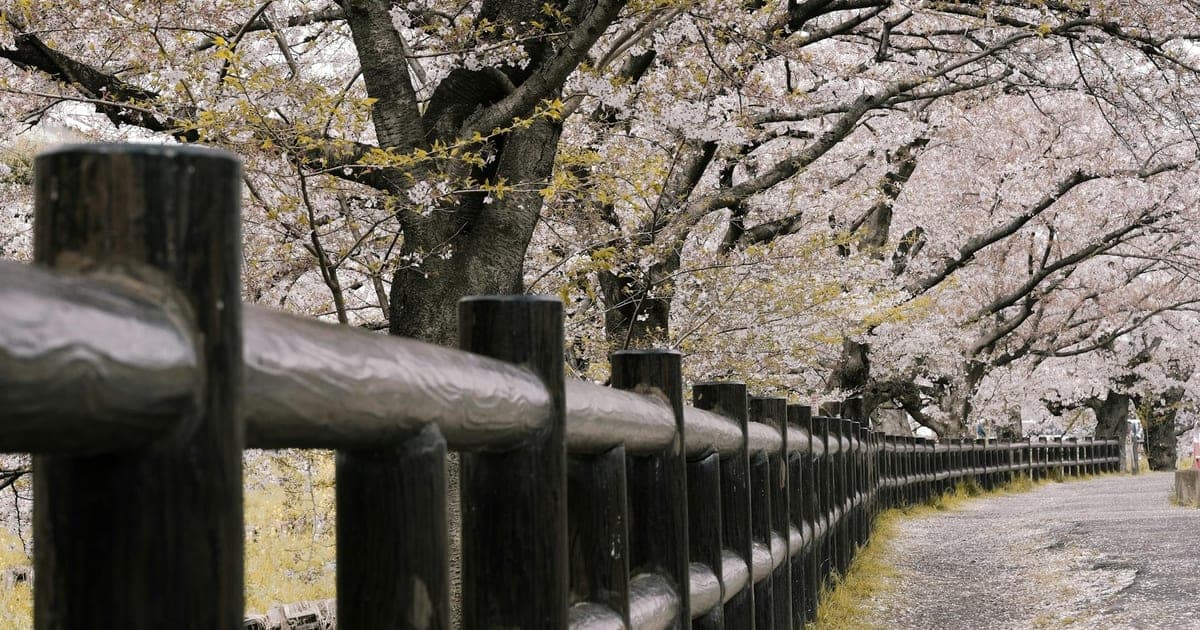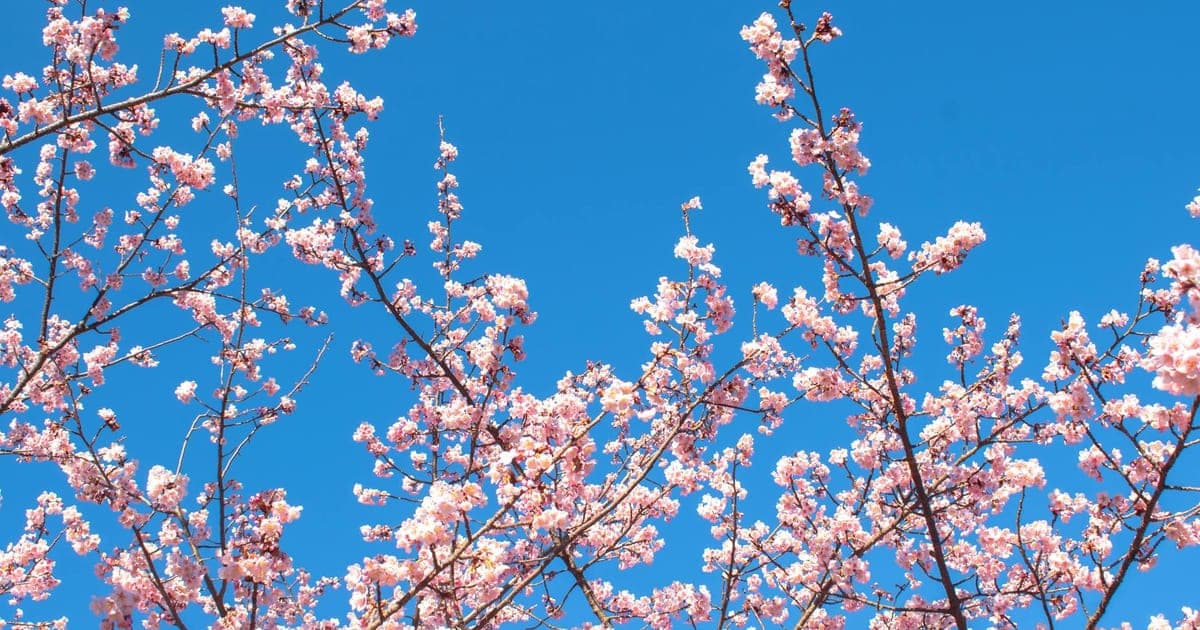
Every spring, Japan turns pink. Millions of cherry trees bloom across the country in a wave that moves from south to north over roughly six weeks — and for the Japanese, this isn't just scenery. It's a cultural event that has shaped poetry, art, and daily life for over a thousand years.
If you're planning a trip to see the sakura in 2026, timing is everything. Bloom too early and you'll see bare branches. Arrive too late and the petals are already on the ground. This guide covers exactly when and where to go, how to track the forecast, and how to experience hanami like the locals do.
When Do Cherry Blossoms Bloom in Japan?
The cherry blossom season in Japan typically runs from late March to mid-April in most of the main island (Honshu). But the exact timing shifts every year depending on winter temperatures and early spring warmth.
Here's the general timeline for 2026 (based on historical averages and early forecasts):
| Region | First Bloom | Full Bloom (Mankai) |
|---|---|---|
| Kyushu (Fukuoka) | ~March 19-22 | ~March 28-April 1 |
| Kansai (Osaka, Kyoto, Nara) | ~March 24-28 | ~April 1-5 |
| Kanto (Tokyo, Yokohama) | ~March 20-25 | ~March 29-April 3 |
| Tohoku (Sendai, Hirosaki) | ~April 8-15 | ~April 14-22 |
| Hokkaido (Sapporo, Hakodate) | ~April 30-May 5 | ~May 3-10 |
Important: "First bloom" (kaika) means 5-6 flowers have opened on the sample tree. Full bloom (mankai) — when 80% of blossoms are open — usually arrives 5-7 days later. The best viewing window is from full bloom through about 5 days after, before petals start falling in earnest.
The sweet spot for most travelers: Late March through the first week of April gives you the best odds for Tokyo and Kyoto. If you can only pick one week, aim for March 28 - April 5.
How to Track the Cherry Blossom Forecast
Don't book a sakura trip without checking the forecast. These are the most reliable sources:
Japan Meteorological Corporation (JMC)
The gold standard. The JMC issues its first forecast in January and updates it roughly every week through March and April. They track over 1,000 sample trees across the country.
- Website: sakura.weathermap.jp (Japanese, but Google Translate works well)
- First forecast: Usually mid-January
- Accuracy: Within 2-3 days for locations 2 weeks out
Japan Weather Association
Another major forecaster that publishes bloom predictions city-by-city.
- Website: n-kishou.com/corp/news-contents/sakura (Japanese with English summaries)
Weathernews Sakura Channel
The most user-friendly option for English speakers. Their app lets you check individual parks and locations.
- Website: weathernews.jp/sakura
- App: Available on iOS and Android
Real-Time Updates
Once you're in Japan, follow social media hashtags like #桜 (sakura) and #花見 (hanami) on X/Twitter and Instagram. Local parks and city tourism boards also post daily updates.
Pro tip: The bloom date for Tokyo has been trending earlier over the past decade — averaging 3-4 days earlier than the 1990s average. Keep this in mind if you're booking based on "historical" dates.
Best Cities for Cherry Blossoms in Japan
Tokyo
Tokyo is the most accessible city for cherry blossom viewing, with hundreds of parks and river walks blooming simultaneously. The metropolitan government maintains over 80,000 cherry trees.
Top spots:
-
Meguro River — The most photogenic spot in Tokyo. 800 cherry trees line both banks for 3.8 km. The overhanging canopy creates a tunnel of pink. Go early morning (before 8 AM) or at night for illuminated blossoms. Free.
-
Shinjuku Gyoen — 1,500 trees across 65 varieties means something is always blooming here. The mix of Japanese, English, and French gardens makes this the best park for a long, leisurely visit. ¥500 admission. No alcohol allowed.
-
Ueno Park — Tokyo's most famous hanami party spot. Over 1,000 trees and the atmosphere is electric — families, salarymen, and students spread tarps and picnic all day. Free, but arrive by noon to claim a spot on weekends.
-
Chidorigafuchi — The moat around the Imperial Palace lined with 260 cherry trees. Rent a rowboat (¥800/30 min) and paddle under the blossoms. One of the most iconic sakura experiences in Japan. Evening illumination until 10 PM.
-
Sumida River — 1,000 trees along the riverbank with Tokyo Skytree as a backdrop. Take a river cruise during bloom for the best views.
Kyoto
Kyoto's cherry blossoms feel different from Tokyo's — more refined, more intertwined with temple architecture and tradition. The combination of ancient wooden temples framed by sakura is why photographers from around the world flock here.
Top spots:
-
Maruyama Park — Kyoto's most popular hanami spot, centered around a magnificent weeping cherry tree (shidarezakura) that's illuminated at night. Free. Extremely crowded on weekends — go on a weekday evening.
-
Philosopher's Path (Tetsugaku no Michi) — A 2 km canal-side path lined with hundreds of cherry trees, connecting Ginkaku-ji to Nanzen-ji. Walk it in the morning before 9 AM for relative peace. Free.
-
Kiyomizu-dera — This iconic temple on a hillside is surrounded by 1,500 cherry trees. The view from the main hall's wooden stage over a sea of pink blossoms is unforgettable. ¥400. Night illuminations during peak season (separate admission, ¥400).
-
Arashiyama — The bamboo grove gets all the press, but the cherry trees along the Togetsukyo Bridge and Nakanoshima Park are stunning. Combine with a visit to Tenryu-ji temple. Free for the riverbank areas.
-
Daigo-ji — Emperor Hideyoshi held his legendary cherry blossom viewing party here in 1598 with 700 trees and 1,300 guests. Today, the temple's 800 cherry trees make it one of Kyoto's most spectacular (and crowded) sakura sites. ¥1,500.
Osaka
Osaka has a more laid-back, party-oriented hanami culture than Kyoto. The food is better (this is Japan's kitchen, after all), and the crowds are more local.
Top spots:
-
Osaka Castle Park — 3,000 cherry trees surround the castle, and the sight of pink blossoms against the white-and-gold castle is the city's defining spring image. The Nishinomaru Garden (¥350) offers the best angle. Free for the main park. Evening illumination.
-
Kema Sakuranomiya Park — 4,500 trees line the Okawa River for 4.2 km. This is Osaka's biggest hanami party zone — street food stalls, beer vendors, and a lively atmosphere day and night. Free.
-
Expo '70 Commemorative Park — 5,500 cherry trees across a massive park in northern Osaka. Less crowded than central spots. ¥260 admission.
Nara
Nara adds something no other city can: deer wandering under cherry blossoms. The 1,200+ wild deer in Nara Park coexist with 1,700 cherry trees, making for uniquely photogenic moments.
Top spots:
-
Nara Park — Free and enormous. The area around Todai-ji temple and Kasuga-taisha shrine is especially beautiful during bloom. The deer are friendly (buy shika senbei crackers for ¥200).
-
Mount Yoshino — Technically in Nara Prefecture rather than the city, Yoshino is considered Japan's single greatest cherry blossom site. Over 30,000 trees cover the mountainside in four zones that bloom sequentially from bottom to top over 2-3 weeks. The lower zone (Shimo-senbon) blooms first in early April, while the upper (Oku-senbon) peaks around mid-April. Take the Kintetsu Railway from Osaka (75 minutes, ~¥1,000).
Hirosaki (Tohoku)
If you're visiting in mid-to-late April and have already missed the Kanto/Kansai bloom, head north. Hirosaki in Aomori Prefecture is home to one of Japan's top three cherry blossom festivals.
Top spots:
- Hirosaki Castle Park — 2,600 cherry trees around a castle and moat. The "cherry blossom tunnel" along the outer moat and the "petal carpet" (hanaikada) — a solid layer of fallen pink petals floating on the moat water — are sights you won't see anywhere else. ¥500 during festival (late April). The festival runs roughly April 20 - May 5.
Hanami: The Art of Cherry Blossom Viewing
Hanami (花見) literally means "flower viewing," but it's really a picnic under the cherry blossoms. It's one of Japan's most beloved seasonal traditions, and visitors are absolutely welcome to participate.
How Hanami Works
Groups of friends, families, or coworkers spread a blue tarp (available at any convenience store or 100-yen shop) under the cherry trees and share food, drinks, and conversation. Some hanami gatherings are elaborate — catered bento boxes, sake, and hours of socializing. Others are simple — a couple of onigiri from 7-Eleven and a can of beer.
Hanami Etiquette
Follow these unwritten rules and you'll fit right in:
- Don't damage the trees. Never break branches, shake trees for petals, or tie anything to branches. This is taken very seriously.
- Claim your spot early. In popular parks, groups send someone with a tarp at dawn (or even the night before) to reserve space. If a tarp is laid out with shoes or bags on it, that spot is taken.
- Keep your area clean. Bring trash bags and leave no trace. Japan's parks don't have many garbage bins — you carry your waste out.
- Be mindful of noise. Hanami can be lively, but screaming and blasting music is frowned upon. Match the energy level of those around you.
- No fires or barbecues unless specifically permitted (some parks have designated areas).
- Respect others' space. Don't walk across other people's tarps or block their view.
What to Bring to Hanami
- Blue tarp (¥300-500 at convenience stores or Daiso)
- Bento boxes or food from konbini (7-Eleven, FamilyMart, Lawson all have excellent options)
- Drinks — beer, sake, or non-alcoholic options (note: Shinjuku Gyoen prohibits alcohol)
- Wet wipes and hand sanitizer
- Trash bags (you will carry out everything)
- A warm layer — evenings under the trees get cold, even in late March/early April
Yozakura: Nighttime Cherry Blossoms
Many parks and temples illuminate their cherry trees at night (yozakura). The pink blossoms against a dark sky, often reflected in water, create an entirely different atmosphere — quieter, more romantic, arguably more beautiful. Top yozakura spots include Chidorigafuchi (Tokyo), Maruyama Park (Kyoto), and Hirosaki Castle (Tohoku).
Budget Tips for Cherry Blossom Season
Peak sakura season is Japan's busiest travel period alongside Golden Week. Prices spike and availability drops. Here's how to manage costs:
Accommodation
- Book 3-6 months ahead. Hotels in Tokyo and Kyoto during peak bloom (late March - early April) sell out or double in price. Booking by December or January is ideal.
- Consider staying outside the main cities. Osaka is cheaper than Kyoto and only 15 minutes away by train. Yokohama is cheaper than central Tokyo with its own excellent cherry blossom spots.
- Hostels and capsule hotels remain affordable even during peak season. Expect ¥3,000-5,000/night ($20-35) for hostels, ¥4,000-7,000 ($28-50) for capsule hotels.
- Airbnb can offer better value for groups, but book very early.
Transport
- Japan Rail Pass (JR Pass): If you're visiting multiple cities, the 7-day JR Pass (¥50,000 / ~$335 for ordinary car) pays for itself with a Tokyo-Kyoto round trip alone (¥27,400 by Shinkansen). Buy it before arriving in Japan for the best rate.
- IC Cards (Suica/Pasmo): Essential for local trains, buses, and convenience store purchases. Load ¥2,000-3,000 per day for local transport.
- Walk. Many of the best sakura spots are within walking distance of each other, especially in Kyoto and central Tokyo.
Food
- Konbini (convenience stores) are not a compromise — they're genuinely good. Onigiri (¥120-180), bento boxes (¥400-600), and sandwiches (¥200-350) are fresh and tasty.
- Standing soba/udon shops near train stations offer hot meals for ¥350-600.
- Sakura-themed seasonal foods appear everywhere during bloom: sakura mochi (¥150-300), sakura-flavored Kit-Kats, sakura lattes at Starbucks. Try them — they're part of the experience.
- Department store basements (depachika) sell high-quality bento and prepared food, often discounted after 6 PM.
Daily Budget Estimate (Per Person)
| Category | Budget | Mid-Range |
|---|---|---|
| Accommodation | ¥3,000-5,000 | ¥10,000-18,000 |
| Food | ¥2,000-3,500 | ¥5,000-8,000 |
| Transport (local) | ¥800-1,500 | ¥1,500-3,000 |
| Activities/admission | ¥500-1,500 | ¥1,500-3,500 |
| Daily Total | ¥6,300-11,500 | ¥18,000-32,500 |
| In USD | ~$42-77 | ~$120-217 |
Late-Blooming Alternative: Hokkaido (Late April - May)
Missed the main bloom? Or prefer to avoid the peak-season crowds entirely? Hokkaido's cherry blossoms arrive 4-6 weeks later than Tokyo and Kyoto, with full bloom typically between late April and mid-May.
Why Hokkaido Is Worth Considering
- Fewer tourists. Hokkaido during sakura season has a fraction of the crowds you'll find in Kansai or Kanto.
- Different scenery. Snow-capped mountains behind cherry blossoms. Hokkaido's landscapes are more dramatic.
- Lower prices. Accommodation and food are significantly cheaper than Tokyo or Kyoto during peak season.
- Unique variety. Hokkaido features the Ezo-yamazakura (a wild cherry native to the island) alongside the standard Somei-yoshino.
Best Spots in Hokkaido
- Matsumae — Japan's northernmost castle town and Hokkaido's most famous sakura site. Over 10,000 trees of 250+ varieties bloom from late April through late May.
- Goryokaku Fort (Hakodate) — A star-shaped Western-style fort surrounded by 1,600 cherry trees. View from Goryokaku Tower for the best perspective. ¥900 for the tower.
- Asahiyama Park (Asahikawa) — 3,500 trees bloom in early to mid-May, often with views of still-snowy peaks.
- Sapporo — Odori Park and Hokkaido Shrine are the main spots. Bloom typically arrives in early May.
Sample 7-Day Cherry Blossom Itinerary
Here's a framework for a week-long sakura trip hitting the highlights:
| Day | Location | Highlights |
|---|---|---|
| 1 | Arrive Tokyo | Meguro River evening walk, jet lag picnic |
| 2 | Tokyo | Shinjuku Gyoen morning, Chidorigafuchi afternoon + boat, Ueno evening |
| 3 | Tokyo → Kyoto | Shinkansen (2h15m), Maruyama Park evening, yozakura |
| 4 | Kyoto | Philosopher's Path morning, Kiyomizu-dera, Arashiyama afternoon |
| 5 | Day trip: Nara or Yoshino | Deer + sakura in Nara, or epic mountain bloom at Yoshino |
| 6 | Osaka | Osaka Castle morning, Kema Sakuranomiya, street food evening |
| 7 | Osaka → Depart | Last hanami in Osaka Castle Park, head to KIX |
Let AI Plan Your Cherry Blossom Trip to Japan
Timing a cherry blossom trip means juggling bloom forecasts, train schedules, temple hours, and hotel availability — all for a window that shifts every year. It's a lot to coordinate on your own.
MonkeyTravel's AI builds a personalized sakura season itinerary in seconds — with bloom-optimized routing, real venue hours, and smart scheduling so you catch the blossoms at their peak without wasting days on logistics.
Plan My Cherry Blossom Trip — Free
FAQ
When is the best time to see cherry blossoms in Japan?
For Tokyo and Kyoto, the best viewing window is typically late March to early April — specifically the last few days of March through April 5. Full bloom (mankai) lasts about 7-10 days before petals start falling. Check the Japan Meteorological Corporation's forecast starting in January to narrow down the exact dates for your year.
How long do cherry blossoms last in Japan?
Individual trees are in full bloom for roughly 7-10 days, but because different varieties and regions bloom at different times, you can see cherry blossoms somewhere in Japan from mid-March (Kyushu) through mid-May (Hokkaido) — a span of about two months.
Is it worth visiting Japan during cherry blossom season?
Absolutely, but go in with realistic expectations. It's peak tourist season, so expect higher prices, crowded trains, and fully booked hotels. The trade-off is witnessing one of the world's most beautiful natural events and experiencing hanami culture firsthand. Book accommodation and transport 3-6 months ahead and you'll be fine.
Can I see cherry blossoms in Japan in May?
Yes — in Hokkaido. While the main Honshu bloom ends by mid-April, Hokkaido's cherry blossoms peak between late April and mid-May. Sapporo, Hakodate (Goryokaku Fort), and Matsumae are the top spots. It's an excellent option if you can't travel during the late March/early April peak.
Do I need to book cherry blossom tours in advance?
You don't need a tour at all — Japan's cherry blossom spots are public parks, temple grounds, and riverbanks that are easy to visit independently. What you do need to book ahead are hotels (3-6 months), Shinkansen seats (especially on weekends), and the JR Pass (buy before arrival for the best price). If you're visiting popular temples like Kiyomizu-dera during peak bloom, arrive early in the morning to avoid the worst crowds.
Sources: Japan Meteorological Corporation (JMC), Japan National Tourism Organization, JR Pass Official, Weathernews Sakura Channel, Kyoto City Tourism, Osaka Info, Hirosaki Cherry Blossom Festival, Mount Yoshino Official