 Kenya
KenyaNairobi
Lions before lunch — Africa's only city with a Big Five park at the edge of downtown
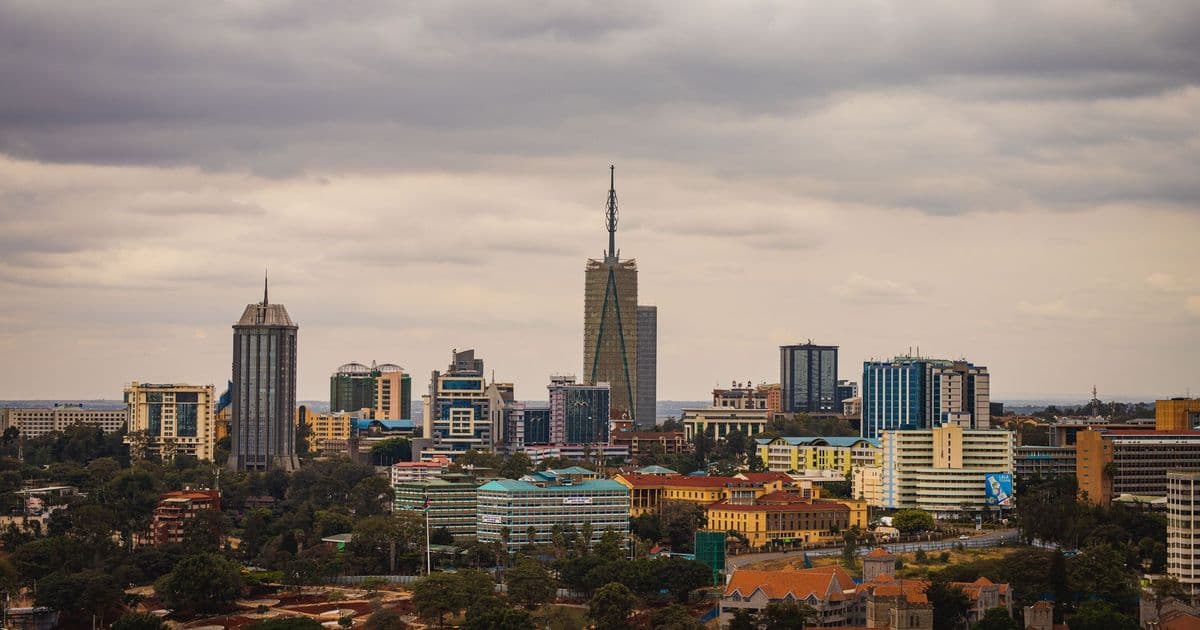
Nairobi is the rare capital where a morning game drive can have a giraffe silhouetted against a downtown skyline. The 117 km² Nairobi National Park starts 7 km from the central business district — lions, rhinos, buffalo and zebra share the savannah with the planes landing at Wilson Airport. Most travelers treat the city as a one-night layover before flying to the Mara, missing the David Sheldrick Wildlife Trust's 11 AM elephant orphanage feeding (book 3 weeks ahead, KES 1,500), the Giraffe Centre in Karen where you can hand-feed endangered Rothschild giraffes from a raised platform, and the Karen Blixen Museum in the original Out of Africa coffee plantation. The matatu mini-buses are loud and chaotic — use Uber or Bolt (cheap, regulated, English-friendly). For safaris, fly-in beats drive-in: a 1-hour Safarilink flight to the Mara replaces 6 hours on rough roads. Let AI build a 3-day Nairobi base that combines city wildlife, the Karen artisan circuit, and the Ngong Hills hike with logistics for a Mara fly-out.
Best Time to Visit Nairobi
Month-by-month weather, crowds, and season breakdown for Nairobi
Spring
Long rains (March-May) green the Mara and refill the rivers — fewer tourists, dramatic skies, but afternoon downpours can wash out game drives.
Summer
Kenya's prime season: 21°C in Nairobi (chilly mornings, sunny afternoons), dust-dry savanna, and the Mara wildebeest river crossings peak July-September. Book everything 6 months ahead.
Autumn
Short rains October-November — brief afternoon storms, lush landscapes, lower lodge rates, and migratory birds arriving in Lake Nakuru.
Winter
Dry season again — January-February match July weather. Mara herds have moved south to Serengeti but Nairobi National Park lions, Amboseli elephants, and Tsavo are at their best.
Why Visit Nairobi
Nairobi National Park
117 km² of wild savanna 7 km from downtown — lions, rhinos, buffalo and giraffe with the city skyline behind. KWS gate fee $43, game drives from Karen lodges $80-120, dawn departure essential for predator sightings
Sheldrick Elephant Orphanage + Giraffe Centre
11:00-12:00 daily feeding of rescued elephant calves at David Sheldrick Wildlife Trust (book 3 weeks ahead, KES 1,500). Pair with Giraffe Centre 6 km away — feed endangered Rothschild giraffes from a raised platform (KES 1,500)
Safari Springboard
Wilson Airport offers 1-hour Safarilink/AirKenya flights to Maasai Mara ($300-450 round trip), 45 min to Amboseli, 1.5 hrs to Samburu — fly-in beats 6+ hours on rough roads and frees a Nairobi day for the city
Sample Day in Nairobi
This is a sample day. MonkeyTravel AI creates a full multi-day itinerary personalized to your pace, budget, and interests.
Dawn game drive in Nairobi National Park
Pickup from your Karen-area lodge at 5:30 — gates open 6:00. The Athi Basin sector usually delivers lion sightings within the first 90 min as predators return to cover. Back at the Karen Blixen Coffee Garden for brunch by 10:30. Total $120 with park fees.
Sheldrick elephant feeding
The orphanage opens only 11:00-12:00 daily (KES 1,500/person, advance booking compulsory). Watch keepers bottle-feed orphaned baby elephants while giving the back-story of each. Mud-bath antics in the central enclosure are the photo moment.
Tamambo at Karen Blixen Museum
Restaurant on the grounds of Blixen's coffee farm (the original Out of Africa house, museum entry KES 1,200). Pan-African menu — nyama choma platter, swahili coconut fish curry, KES 2,500/person. Book a 1 PM table to avoid the museum tour crowds.
Giraffe Centre + Kazuri beads
Hand-feed endangered Rothschild giraffes from the raised wooden platform (KES 1,500, expect a slobber on the cheek). Walk 10 min to Kazuri Beads cooperative — single mothers handcraft fair-trade ceramic jewelry, factory tour free.
Nyama choma at Talisman
Long-running Karen favourite combining contemporary African and Mediterranean — lamb chops with mango-mint chutney, samosas with avocado salsa, on a candle-lit garden patio. Mains KES 1,800-3,000. Reserve weekends a week ahead.
Frequently Asked Questions
Is Nairobi safe for tourists?
Nairobi has a 'Nairobbery' reputation that's outdated for tourist areas but real for blind spots. Karen, Westlands, Lavington, Kilimani, Gigiri (UN zone), and the CBD by day are fine. Avoid Eastleigh, River Road after dark, and the slums (Kibera, Mathare) unless on a guided tour with a local NGO. Always use Uber or Bolt instead of street hailing taxis or matatus at night. Never display phones/cameras in the CBD or in traffic jams (smash-and-grab at lights is the most common crime). Most safari operators handle airport pickups — accept that rather than improvising.
Do I need a visa for Kenya?
Yes — since January 2024 Kenya requires every visitor (including African Union citizens previously exempt) to obtain an Electronic Travel Authorization (eTA) at etakenya.go.ke. Cost US$30 single-entry, 90 days. Apply at least 3 days before departure with passport scan, return flight, and accommodation. Yellow fever vaccination is required if arriving from a yellow fever country (most African countries plus parts of South America). The old visa-on-arrival no longer exists.
When is the best time to visit Nairobi for safari?
July-October is peak: dry savanna concentrates animals at remaining water, and the Great Migration's Mara River crossings happen August-September (the iconic croc-vs-wildebeest scenes). January-February is the secondary peak — also dry, fewer tourists, and Amboseli's Kilimanjaro views are clearest. Avoid April-May long rains (lodges close, roads flood); November short rains are tolerable. For Mara migration specifically, book lodges 6-12 months ahead — top conservancies (Mara North, Olare Motorogi) fill first.
More Adventure Destinations
More Nature Destinations
More Destinations to Explore
 Mexico
Cancun
 Indonesia
Bali
 Brazil
Rio de Janeiro
 Japan
JapanKyoto
 Thailand
Bangkok
 Singapore