Monsoon season scares most travelers away from Asia. That's exactly why you should consider going.
Here's what nobody tells you: "monsoon" doesn't mean nonstop rain. It usually means a couple of heavy downpours in the afternoon, with sunny mornings and evenings. Some destinations are genuinely dangerous during monsoon — flooding, landslides, closed islands. Others are at their most beautiful: waterfalls at full power, rice terraces glowing green, and hotel prices slashed by half.
This guide breaks down monsoon season across Asia month by month, so you know exactly where to avoid, where to embrace, and how to travel smarter during the wet season.
Where the 2026 season actually stands
Updated August 2026, because a monsoon guide that ignores this year's conditions is just a climate average.
El Niño is the headline this year. Forecasters put the likelihood at around 80% for June to August 2026, rising to near or above 90% through at least November, with most models pointing to a moderate and possibly strong event. El Niño years typically suppress rainfall across parts of South and Southeast Asia while making the rain that does fall more erratic. Practically: fewer reliable afternoon-downpour patterns, more chance of both dry spells and sudden intense bursts.
Onset was near-average across most of ASEAN, with the notable exception of Vietnam and Laos, where the southwest monsoon arrived later than usual. Overall strength is forecast at near or above average for most of Southeast Asia.
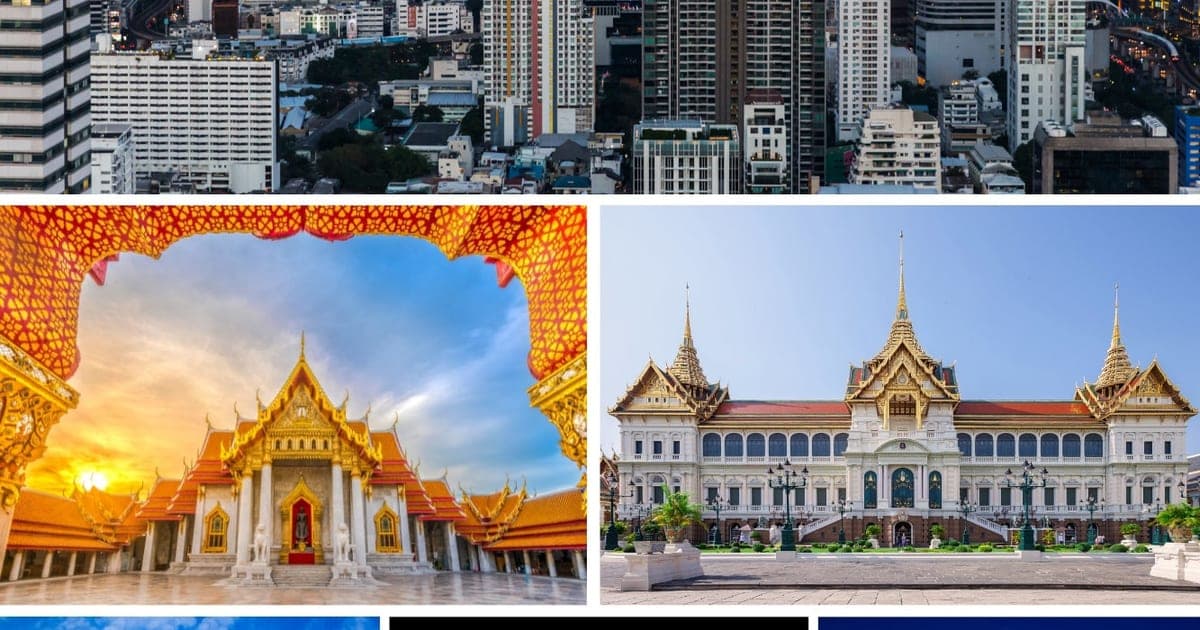
Thailand is at peak monsoon right now. Flooding hit Nakhon Phanom in early August, and warnings have covered northern provinces including Chiang Mai, Chiang Rai, Mae Hong Son, Nan and Tak. If you are travelling northern Thailand between now and October, check provincial warnings the week before you go rather than relying on seasonal averages.
The rest of this guide is the structural picture — which regions flood, which bloom, and when. Use the section above to adjust it for this particular year.
What Is Monsoon Season, Exactly?
Monsoon isn't a storm — it's a seasonal wind pattern. As the continent heats up in summer, moist air from the Indian Ocean and Pacific flows inland, bringing heavy rainfall. The key word is seasonal: it starts and ends at predictable times, and different regions get hit on different schedules.
There are two main monsoon systems in Asia:
- Southwest Monsoon (June-September): Hits India, Sri Lanka's west coast, Nepal, Myanmar, and most of mainland Southeast Asia. This is the big one.
- Northeast Monsoon (October-February): Brings rain to Sri Lanka's east coast, southern Thailand's east coast, Vietnam's central coast, and parts of Malaysia.
The critical thing to understand: when one side of a country is getting drenched, the other side is often dry. This is the key to smart monsoon travel.
Monsoon Calendar: Month-by-Month Across Asia
| Month | Heavy Rain | Transitioning | Dry/Good to Visit |
|---|---|---|---|
| May | India (south), Sri Lanka (west) | Thailand, Myanmar | Vietnam (south), Bali, Philippines (some) |
| June | India (spreading north), Sri Lanka (west), Myanmar | Thailand, Cambodia, Laos | Bali, Vietnam (central coast) |
| July | India (full), Nepal, Myanmar, Thailand, Cambodia, Laos, Philippines | Vietnam (north) | Bali, Sri Lanka (east coast) |
| August | India, Nepal, Myanmar, Thailand, Cambodia, Vietnam (central) | Philippines | Bali, Sri Lanka (east coast) |
| September | India (retreating), Thailand, Cambodia, Vietnam | Philippines (typhoon peak) | Bali, Sri Lanka (east) |
| October | Vietnam (central, flooding risk), Thailand (south-east) | India (clearing) | Bali, Myanmar, Cambodia, India (north) |
| November | Vietnam (central), Sri Lanka (east shifting) | Thailand (south) | India, Myanmar, Cambodia, Bali |
| December | Sri Lanka (east coast), Malaysia (east coast) | Vietnam (central clearing) | Thailand, India, Myanmar, Cambodia, Bali |
Places to AVOID During Monsoon (and Why)
1. Mumbai and Kerala, India (June-September)
Mumbai receives over 2,400mm of rain during monsoon — that's nearly 8 feet of water. Streets flood regularly. In 2024, monsoon flooding shut down Mumbai's rail network multiple times. Kerala experienced devastating floods in 2018 and 2019, and heavy rains continue to trigger landslides.
The risk: Urban flooding, transport disruption, landslides in hill stations. Mumbai's infrastructure simply can't handle peak monsoon rainfall.
2. Ko Samui and Thailand's Gulf Islands (October-December)
While Bangkok and northern Thailand dry out by October, the Gulf coast enters its worst period. Ko Samui, Ko Pha-ngan, and Ko Tao get battered from October through December, with November being the wettest month. Ferries get canceled. Beaches disappear under storm surges.
The risk: Canceled ferries stranding you on islands, dangerous sea conditions, flooding on the islands themselves.
3. Central Vietnam: Hoi An, Hue, Da Nang (October-November)
Central Vietnam's monsoon peaks in October-November, and it's not gentle. Hoi An floods almost every year — the old town can be knee-deep in water. Typhoons make landfall along this coast between September and November.
The risk: Typhoons, severe flooding (Hoi An's old town regularly submerges), dangerous sea conditions. In 2024, Typhoon Yagi caused devastating floods across northern and central Vietnam.
4. Philippines During Typhoon Season (August-October)
The Philippines averages 20 typhoons per year, with the strongest hitting between August and October. Luzon (including Manila) gets the worst of it. Super Typhoon Hainan in 2013 showed just how destructive these storms can be.
The risk: Typhoons with 200+ km/h winds, massive flooding, landslides, flight cancellations. Travel insurance is essential if you go.
5. Nepal Trekking Routes (June-September)
Monsoon turns Nepal's famous trekking routes into muddy, leech-infested, cloud-covered trails. The Annapurna and Everest Base Camp treks are effectively off-limits: trails are slippery and dangerous, mountain views are hidden behind clouds, and leeches are everywhere.
The risk: Trail closures, zero mountain visibility, landslides on roads and trails, leeches (seriously — they're a real issue).
Places That Are GREAT During Monsoon
Here's where it gets interesting. Some destinations are actually better during monsoon season — and dramatically cheaper.
1. Bali, Indonesia (Year-Round, Best in "Wet Season" Nov-Mar)
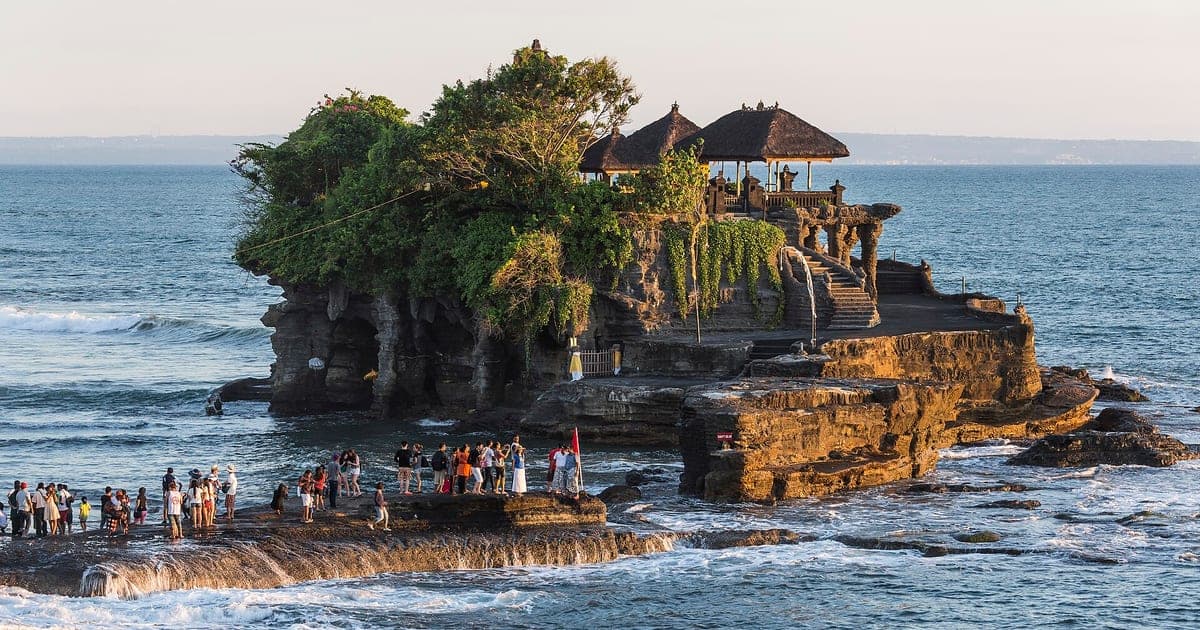
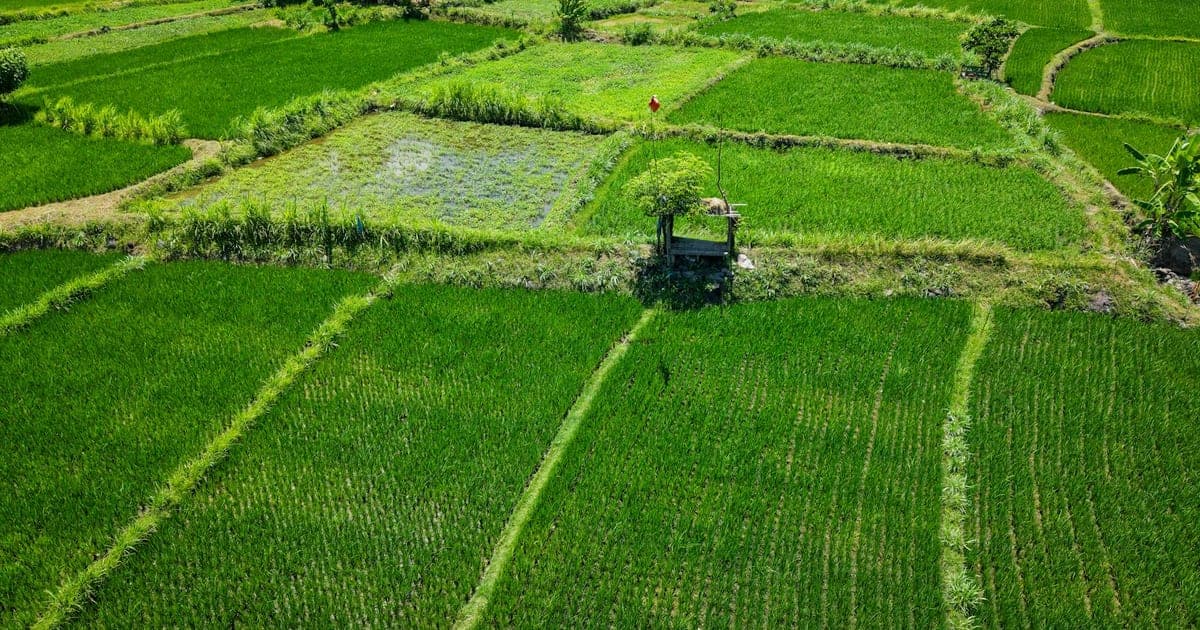
Bali's wet season brings brief afternoon showers, not all-day rain. Mornings are typically sunny and perfect. The landscape turns impossibly green, waterfalls like Sekumpul and Tukad Cepung are at their most spectacular, and hotel prices drop 30-40%.
Why it works: Rain comes in predictable afternoon bursts. Ubud's rice terraces are at their greenest. Surf is still good on the west coast. A villa that costs $200/night in August goes for $120 in January.
Budget savings: Expect 30-40% off accommodation, with many luxury resorts offering "green season" packages that include spa credits and free upgrades.
2. Sri Lanka's East Coast (May-September)
While Sri Lanka's west coast (Colombo, Galle, Mirissa) gets drenched from May through September, the east coast is dry and sunny. Trincomalee and Arugam Bay have clear skies, calm seas, and a fraction of the usual crowds.
Why it works: Sri Lanka's unique geography means one coast is always dry. The east coast has some of the island's best beaches and surf, with prices 40-50% lower than the west coast during its high season.
Budget savings: Beach guesthouses in Arugam Bay drop from $50-80/night to $25-40/night. Surf lessons, whale watching tours, and everything else follow suit.
3. Northern Thailand: Chiang Mai and Chiang Rai (June-October)
Northern Thailand's monsoon means lush green mountains, misty mornings, and far fewer tourists. The rain is usually a heavy afternoon shower that clears by evening. Waterfalls like Erawan near Kanchanaburi and Doi Inthanon's falls are at full power.
Why it works: Rain rarely lasts all day. Temples are empty. Night markets are less crowded. The countryside is stunningly green. This is the most photogenic version of northern Thailand.
Budget savings: Hotels drop 30-50%. A boutique hotel in Chiang Mai that charges $80/night in December goes for $40-50 in July. Flights from Bangkok to Chiang Mai are also significantly cheaper.
4. Indian Himalayan Region: Ladakh (July-August)
Ladakh sits in a rain shadow — the monsoon doesn't reach it. While the rest of India is soaked, Ladakh has clear skies and warm days. This is actually Ladakh's peak season, but it's worth mentioning because travelers avoiding India during monsoon don't realize this region is completely different.
Why it works: Ladakh is geographically shielded from monsoon. Roads are open (June-September only). Pangong Lake is impossibly blue. The landscapes are Mars-like and utterly unique in Asia.
5. Cambodia: Angkor Wat and Siem Reap (July-October)
Angkor Wat during monsoon is a revelation. The moat is full (it's often partly dry in high season), the surrounding jungle is lush, and the light after afternoon rainstorms creates dramatic photo opportunities. Crowd levels drop by 60-70%.
Why it works: Rain falls in short, heavy afternoon bursts. Mornings are clear — perfect for sunrise at Angkor Wat without the massive crowds of December-February. The temple complex is stunning with green vegetation growing over ancient stone.
Budget savings: Hotels in Siem Reap drop 40-50%. Tuk-tuk drivers are more available and negotiable. A 3-day Angkor pass costs the same ($62), but you'll enjoy it far more with fewer people.
6. Myanmar (June-September)
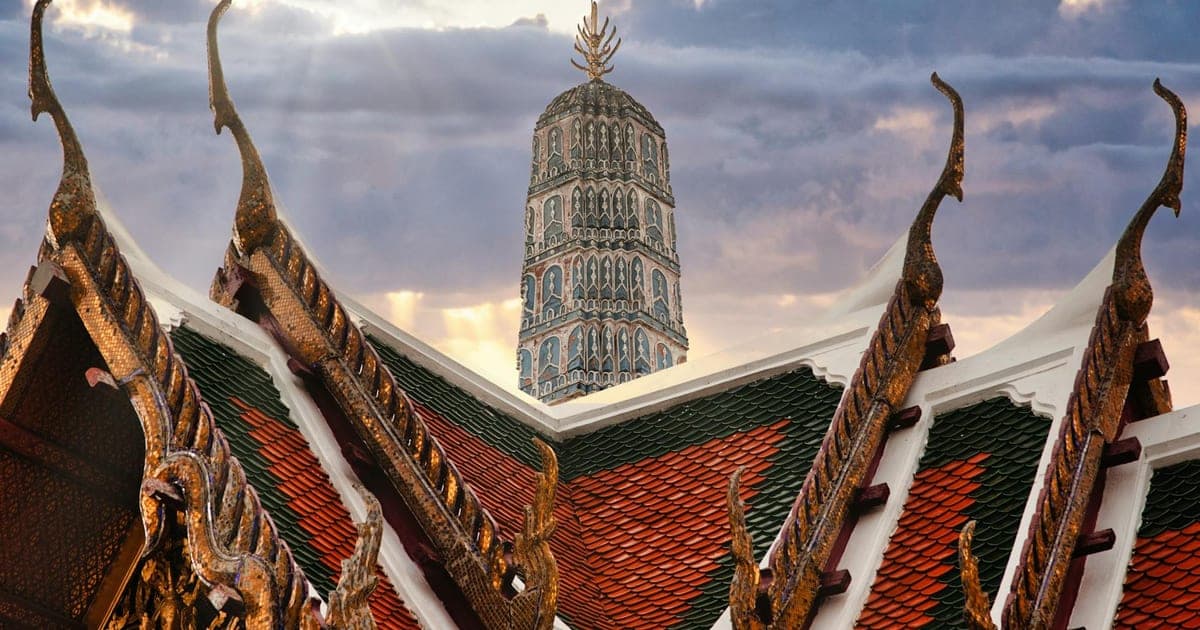
Myanmar in monsoon season is deeply atmospheric. Bagan's temples in the rain, Inle Lake at its fullest, and Yangon's golden Shwedagon Pagoda gleaming wet — it's a photographer's dream. Tourist numbers drop dramatically, and locals are more relaxed and welcoming without the high-season rush.
Why it works: Rain typically comes in afternoon bursts. Mornings are perfect for temple visits. Bagan's hot-air balloon rides are suspended, but ground-level exploration is actually better without the scorching dry-season heat (which can hit 42 degrees Celsius).
Budget savings: 40-50% off hotels. Internal flights drop significantly. Guide services are more available and sometimes negotiable.
Practical Tips for Traveling During Monsoon
What to Pack
- Waterproof daypack or dry bag: Your electronics will thank you. A 20L dry bag costs under $15 and saves your phone, camera, and passport.
- Quick-dry clothing: Cotton stays wet for hours. Synthetic or merino wool dries in 30 minutes.
- Waterproof sandals: Tevas, Chacos, or similar. Closed shoes get soaked and stay soaked.
- Compact rain jacket: Not a poncho (they're useless in wind). A packable Gore-Tex jacket handles 90% of monsoon rain.
- Waterproof phone pouch: $5 insurance for a $1,000 device.
Plan Your Day Around the Rain
Monsoon rain follows a pattern: sunny mornings, cloudy midday, heavy rain from 2-5 PM, clearing by evening. Structure your activities accordingly:
- Morning (6-11 AM): Outdoor activities — temples, trekking, beaches, markets
- Midday (11 AM-2 PM): Indoor activities — museums, cooking classes, spa treatments
- Afternoon (2-5 PM): Rain time — read at a café, take a nap, enjoy a long lunch
- Evening (5-9 PM): Rain clears — night markets, sunset viewpoints, dinner
Travel Insurance Is Non-Negotiable
During monsoon season, flights get delayed, ferries get canceled, and plans change. Get travel insurance that covers:
- Trip interruption due to weather
- Flight delays and cancellations
- Medical evacuation (especially for remote areas)
- Lost or damaged belongings
Expect to pay $50-100 for a 2-week policy. World Nomads and SafetyWing are popular options for monsoon-season travelers.
Keep Your Itinerary Flexible
Don't book every hotel and transport in advance. Monsoon means plans change — a landslide closes a road, a ferry gets canceled, or the weather is so good somewhere that you want to stay an extra day.
The rule: Book your first 2-3 nights and any hard-to-get reservations. Leave the rest flexible. Having a backup destination for each stop reduces stress dramatically.
Budget Advantages of Monsoon Travel
The financial case for monsoon travel is compelling:
| Expense | High Season | Monsoon/Green Season | Savings |
|---|---|---|---|
| Hotels (mid-range) | $80-150/night | $40-90/night | 30-50% |
| Flights (regional) | $100-200 | $60-120 | 30-40% |
| Tours & activities | $40-80 | $25-50 | 25-40% |
| Food & transport | Similar | Similar | 0-10% |
| 2-week trip total | $2,500-4,000 | $1,500-2,500 | 35-45% |
On a 2-week trip through Southeast Asia, you can realistically save $1,000-1,500 by traveling during monsoon season. That's enough to extend your trip by a week or upgrade your accommodation significantly.
Many luxury hotels and resorts offer "green season" packages that include:
- Room upgrades at no extra charge
- Free spa treatments
- Complimentary meals or cooking classes
- Airport transfers included
A 5-star resort in Bali that charges $400/night in August might offer a green season package at $200/night with breakfast and a couples massage included. The value is extraordinary.
Let AI Help You Navigate Monsoon Season
Planning around monsoon season requires juggling rainfall data, regional patterns, and constantly shifting weather. That's exactly the kind of complexity where AI excels.
MonkeyTravel's AI builds your itinerary around real weather patterns — routing you to the dry side of a country while others are fighting the rain. Drop in your dates, and get a personalized monsoon-smart itinerary in 30 seconds.
Plan My Monsoon Season Trip — Free
Where to go next
If monsoon season has pushed you toward a different month or a different region:
- Where to go in September — the shoulder month when the southwest monsoon starts easing
- Where to go in October — southern Thailand's east coast flips wet as the west coast dries out
- Where to go in November — post-monsoon Southeast Asia at its best
- Where to go in December — peak dry season across most of the region
- The travel packing checklist — wet-season packing is genuinely different, and the rain-gear section matters here
- How to plan a multi-city trip — useful when you are routing around a wet region rather than cancelling on it
FAQ
Is it safe to travel during monsoon season in Asia?
Most of Asia is perfectly safe during monsoon. The rain is predictable and manageable. The exceptions are areas prone to typhoons (Philippines, Vietnam's central coast), severe flooding (Mumbai, Hoi An), and landslide-prone mountain roads (Nepal, northern India hill stations). Check weather advisories for your specific destination and have travel insurance.
What does monsoon rain actually feel like?
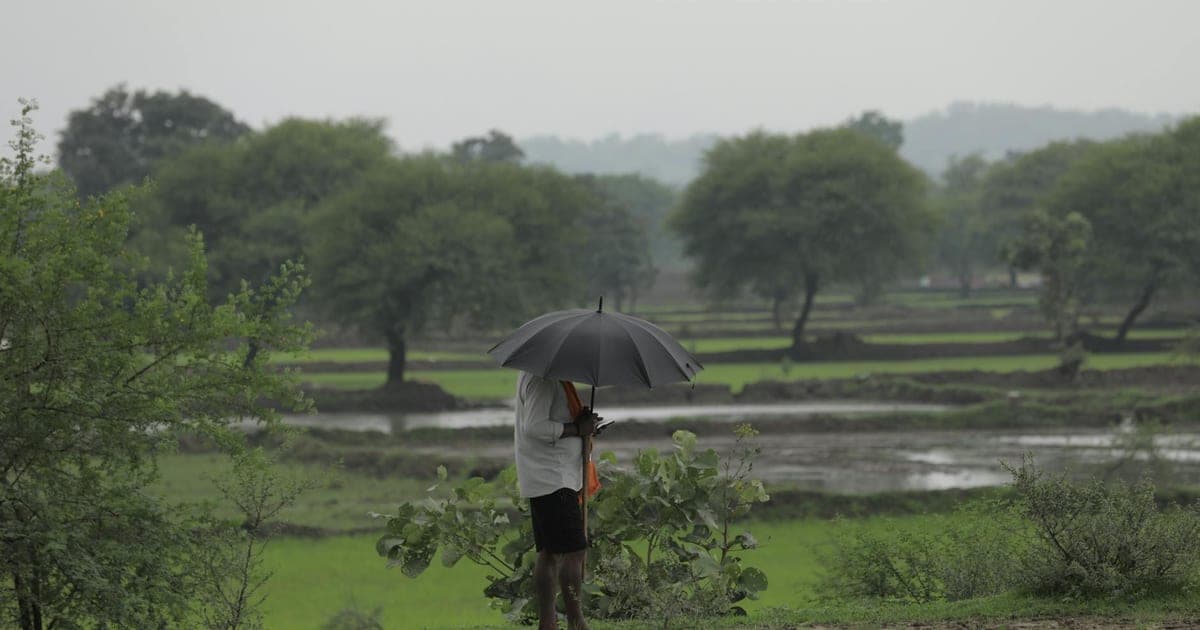
It's not constant drizzle — it's intense, heavy downpours that typically last 1-3 hours in the afternoon, then clear up completely. Mornings are usually sunny and pleasant. The temperature stays warm (27-33 degrees Celsius in most of Southeast Asia), so the rain is actually refreshing after a hot morning.
Can I still go to the beach during monsoon?
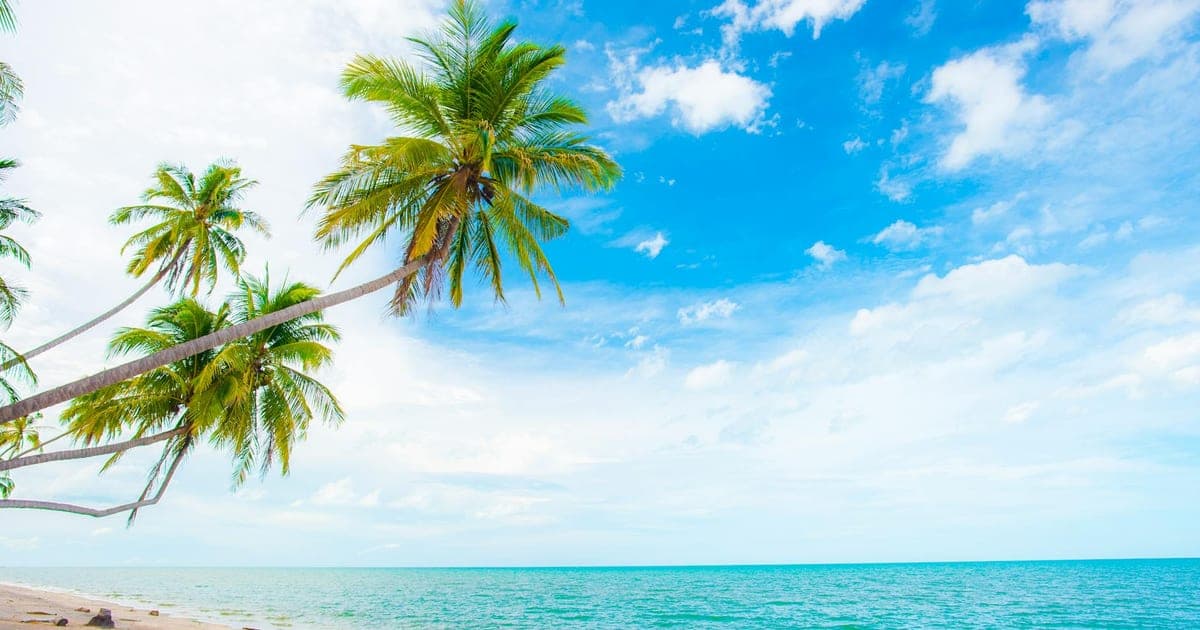
Yes, in many places. Bali's beaches are fine year-round. Sri Lanka's east coast (Trincomalee, Arugam Bay) is sunny from May to September while the west coast is wet. Southern Thailand's Andaman coast (Phuket, Krabi) is wet from May to October, but the Gulf coast (Ko Samui) is dry until October. The key is choosing the right coast.
How much cheaper is travel during monsoon season?
Expect 30-50% savings on accommodation, 30-40% on regional flights, and 25-40% on tours and activities. On a typical 2-week Southeast Asia trip, that translates to $1,000-1,500 in savings. Food and local transport prices stay roughly the same year-round.
Should I avoid booking monsoon travel too far in advance?
Book your first few nights and any international flights. Beyond that, keep it flexible. Weather patterns can shift, roads can close, and you might discover a destination is sunnier than expected and want to stay longer. Many hotels offer free cancellation during green season precisely because they want to fill rooms.
Sources: India Meteorological Department, Thai Meteorological Department, Vietnam National Centre for Hydro-Meteorological Forecasting, World Meteorological Organization, PAGASA Philippines, Department of Meteorology Sri Lanka