February is the most eventful month of the travel year, and almost nobody plans it that way. Two of the planet's biggest festivals land inside the same fortnight — Lunar New Year on 6 February 2027, opening the Year of the Fire Goat, and Rio's Carnival running 5–13 February, with Carnival Tuesday on the 9th. The Serengeti's wildebeest drop half a million calves on the short-grass plains in a matter of weeks. Iceland gets enough daylight to actually do things while the aurora is still strong.
It is also the last genuinely cheap month in the Northern Hemisphere before spring pricing begins in March. The catch is that February rewards deciding what you want: the festival weeks are expensive and sold out, and the same country can be a bargain seven days later. Twelve destinations where February is the point — and a clear note on which dates to book and which to dodge.
Quick-Pick Comparison: 12 February Destinations
| Destination | Why February | Daily budget (mid-range, pp) | Crowds |
|---|---|---|---|
| Rio de Janeiro & Salvador | Carnival, 5–13 February | $90–160 | Extreme (Carnival week) |
| Serengeti & Ndutu, Tanzania | Calving season at its peak | $250–450 | Moderate |
| Hokkaido & Tohoku, Japan | Snow festivals and deep powder | $120–180 | High (early Feb) |
| Iceland | Aurora plus usable daylight | $150–230 | Moderate |
| Egypt | The last perfect month before the heat | $50–90 | Moderate–high |
| Zanzibar & the Swahili coast | Hot, dry, between the rains | $60–100 | Moderate |
| Vietnam & Taiwan | Lunar New Year, 6 February | $40–75 | High (festival week) |
| Andalusia, Spain | Almond blossom, 17–19°C, empty | $70–110 | Low |
| Oaxaca & Mexico City | Dry season, clear skies | $45–80 | Moderate |
| Luang Prabang, Laos | Cool, dry, and still quiet | $35–60 | Low–moderate |
| Cartagena & Colombia's coast | The driest weeks of the year | $60–100 | Moderate–high |
| New Zealand | Warmest sea, locals back at work | $110–170 | Moderate |
The cheapest places to travel in February 2027
On a mid-range budget, four of the twelve cost the least per person per day: Luang Prabang in Laos ($35–60), Vietnam and Taiwan ($40–75, with prices up around Lunar New Year on 6 February), Oaxaca and Mexico City ($45–80), and Egypt ($50–90). Flights are the other half of the bill, so compare fares from your home airport before you choose.
1. Rio de Janeiro & Salvador — Carnival
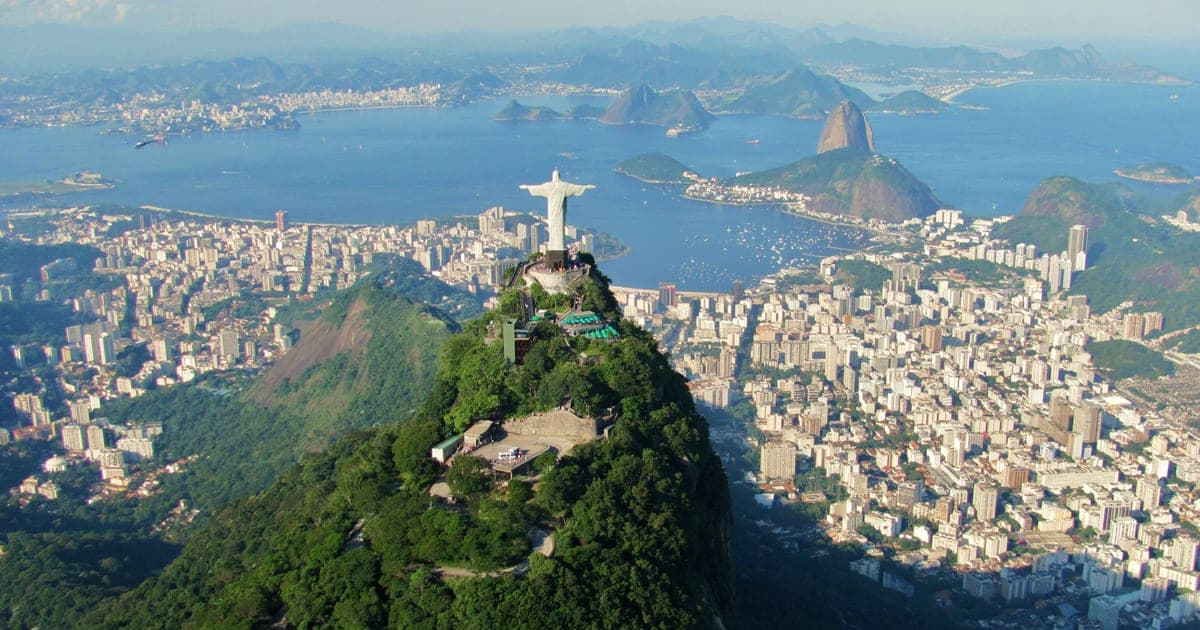
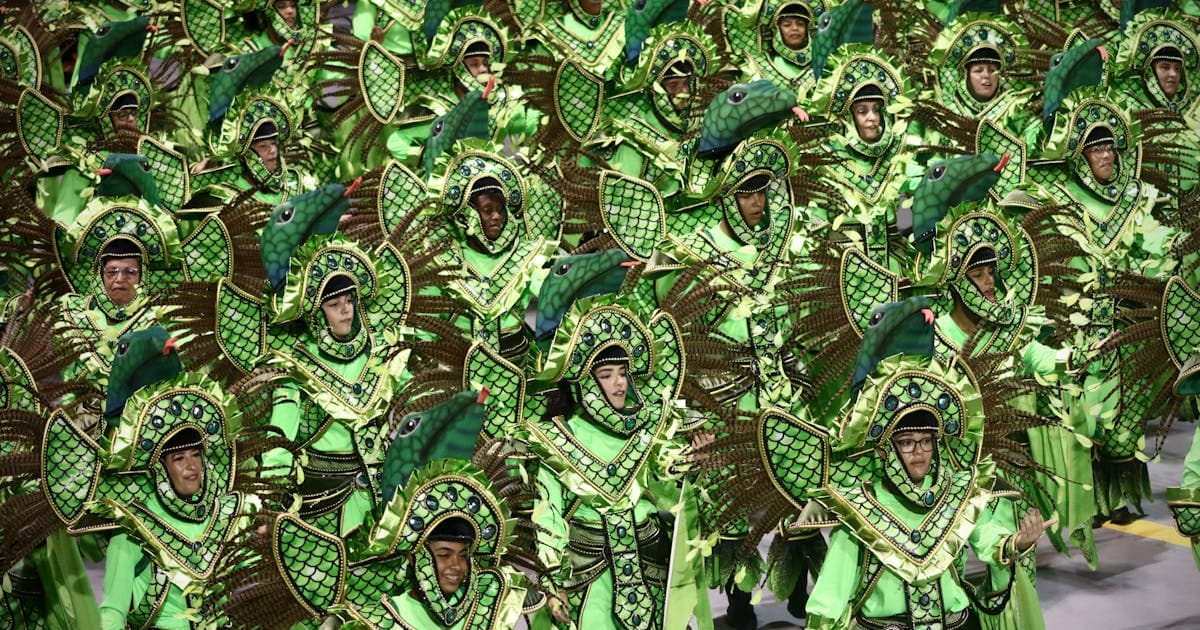
Carnival 2027 runs 5–13 February, with Carnival Tuesday on the 9th. Rio is the version everyone pictures — the Sambadrome parades, and the street blocos that are the part locals actually go to. Salvador runs a different and, for many, better Carnival: less parade, more crowd, trio elétrico trucks and Afro-Brazilian percussion for a week straight.
Cost reality: $90–160/day outside the festival, and multiples of that during it — Rio hotels routinely demand four- or five-night minimums at three to four times normal rates. The trade-off: Carnival week is the single hardest booking on this list; rooms go six months out and prices only rise. If the festival is not the goal, arrive from the 16th onward and get the same city, warm and half-price.
2. The Serengeti & Ndutu — Calving Season
February is the reason to go to Tanzania rather than Kenya. The wildebeest herds are concentrated on the southern short-grass plains around Ndutu, and this is when they calve — several hundred thousand births compressed into a few weeks, with the predator density that follows. It is the most concentrated wildlife spectacle in Africa, and it is a February event specifically.
Cost reality: $250–450/day — East African safari pricing is what it is; mobile tented camps that follow the herds cost less than the permanent luxury lodges. The trade-off: it is the wet season, so expect short heavy afternoon rains and some rough tracks. That rain is exactly why the grass is there and the herds are there with it. Our Great Migration guide maps the whole year if your dates cannot move.
3. Hokkaido & Tohoku, Japan — Snow Festivals and Deep Powder
Sapporo's snow festival fills early February with monumental ice sculpture, and the powder is still at full depth on Niseko, Furano and the Tohoku resorts. Add the Jigokudani snow monkeys, drift ice off the Okhotsk coast, and onsen towns under a metre of snow — Japan does winter better than anywhere.
Cost reality: $120–180/day; the snow-festival week in Sapporo is the exception and behaves like a festival everywhere else does. The trade-off: early February is the busiest window of the Japanese ski season and overlaps Lunar New Year travel from across Asia. Mid-to-late February has the same snow with noticeably fewer people.
4. Iceland — Aurora, and Enough Daylight to Use It
By February Reykjavík gets around eight hours of light — enough for a real day out — while the nights are still long and dark enough for the aurora. This is also ice-cave season: the glacial caves under Vatnajökull are only safe and accessible in the cold months, and February is the reliable end of that window. Visit Iceland is the official planning source.
Cost reality: $150–230/day — Iceland is expensive year-round; February is cheaper than summer but the guided glacier and cave trips are the budget line. The trade-off: February storms close roads, and the aurora is weather rather than a booking. Do not plan a tight itinerary around the ring road; base yourself in the south and give it several nights.
5. Egypt — The Last Perfect Month
Luxor and Aswan sit around 25°C in February with almost no rain, the Nile cruise season is in full swing, and the Red Sea is warm enough to dive. From March the heat starts climbing toward the point where midday at Karnak becomes an endurance test — February is the last of the genuinely comfortable months.
Cost reality: $50–90/day mid-range; the multi-night Nile cruise is the big-ticket item and worth building the trip around. The trade-off: this is peak season for exactly these reasons, so Abu Simbel, the Valley of the Kings and Giza are busy from mid-morning. Start early — the sites open at first light and the first two hours are a different experience.
6. Zanzibar & the Swahili Coast — Between the Rains
February sits in the hot, dry gap between Zanzibar's two rainy seasons: 30°C+, low rainfall, and clear water for diving off Mnemba. It pairs naturally with a Serengeti trip in the same fortnight, which is how most people should be doing East Africa in February anyway.
Cost reality: $60–100/day — well below the Maldives for comparable water, with far more to do on land. The trade-off: it is genuinely hot and humid, and the short rains can still arrive at the tail of the month. Stone Town is stifling at midday; the north and east coasts get the breeze.
7. Vietnam & Taiwan — Lunar New Year
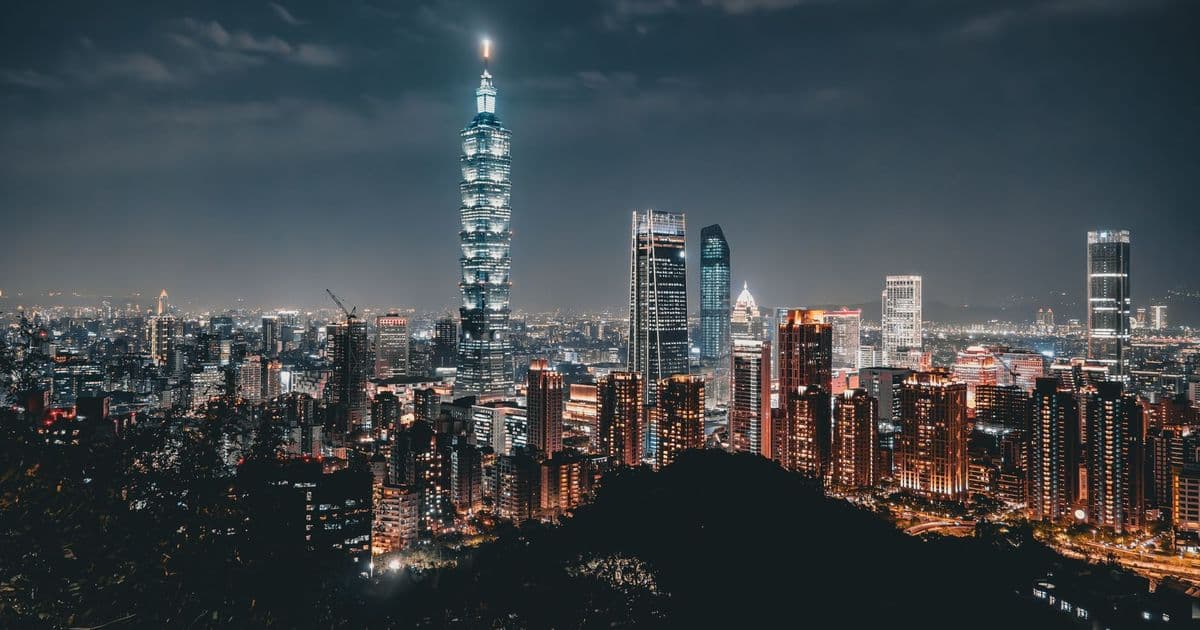
Tết in Vietnam and Lunar New Year in Taiwan both fall on 6 February 2027, and the fortnight around it is the most atmospheric time to be in either — flower markets, temple crowds, families everywhere, Taipei's lantern displays building toward the Lantern Festival on the 20th.
Cost reality: $40–75/day outside the holiday; domestic transport and hotels spike sharply during it. The trade-off: this is the honest warning nobody gives. In the three or four days around New Year itself, a large share of restaurants, shops and family-run guesthouses simply close, and domestic transport sells out to people going home. Arrive a week before or a few days after and you get the atmosphere without the shutters.
8. Andalusia, Spain — Almond Blossom and Nobody There
Seville, Córdoba and Granada in February run 17–19°C in the afternoons, the almond blossom comes out across the hills, and the queues that define these cities from April onward do not exist. The Alhambra without a three-week booking window is worth the month on its own. (Visit Sevilla covers the city's calendar.)
Cost reality: $70–110/day — Spanish shoulder-season pricing, which is to say very good value for what you get. The trade-off: it is warm in the sun and cold in the shade, evenings drop quickly, and some coastal and rural places close for the winter. This is a city-and-monument month, not a beach one.
9. Oaxaca & Mexico City — Dry Season, Clear Skies
The dry season is at its most stable: 25°C days, cool evenings, clear light. Oaxaca's markets and mezcal country are easy without the Día de Muertos crush, and Mexico City's museums and food scene are at their best in the cool months. Whale watching is running off Baja at the same time.
Cost reality: $45–80/day — among the strongest value on this list. The trade-off: Mexico City sits at 2,240m and February nights are properly cold in buildings that mostly are not heated. Pack for a 15-degree swing between afternoon and midnight.
10. Luang Prabang, Laos — Cool, Dry, Still Quiet
February is the tail of the cool dry season on the Mekong: comfortable days, low rain, and the Kuang Si falls still running well. Luang Prabang remains one of the few places in Southeast Asia that has kept its pace, and February is its most pleasant month before the March–April burning season arrives.
Cost reality: $35–60/day — cheap even by regional standards. The trade-off: get in before the agricultural burning starts. From late February into April the haze across northern Laos and Thailand can be severe enough to spoil views and irritate lungs. Early-to-mid February is the safe window.
11. Cartagena & Colombia's Caribbean — The Driest Weeks
December to March is Colombia's Caribbean dry season and February is its centre: Cartagena's old town, the Rosario islands, Tayrona's beaches and Santa Marta all get sun with the trade winds keeping the heat honest. Inland, Medellín's spring-like weather is unaffected all year.
Cost reality: $60–100/day — Cartagena's walled city is priced well above the rest of Colombia; a night or two there and the rest elsewhere stretches the budget a long way. The trade-off: it is peak season, so Cartagena is busy and the Rosario day trips are crowded. Tayrona also closes for several weeks each year for ecological rest — check the current closure dates before building a trip around it.
12. New Zealand — The Better Half of Summer
February is quietly New Zealand's best month. The sea is at its warmest — a month of summer heat has finally gone into the water — the weather is at its most settled, and the domestic holiday crowds that fill every campsite in January have gone back to work and school.
Cost reality: $110–170/day — still summer pricing, but campervans and Great Walk huts are meaningfully easier to get than in January. The trade-off: the Great Walks are still in booked season and the popular huts go early, so this is easier than January rather than easy. The far south starts cooling at the end of the month.
Practical Tips for February Travel
- Decide about the festivals first, then book everything else. Carnival (5–13 February) and Lunar New Year (6 February) both distort prices and availability for a fortnight around them. They are worth planning a trip around, or worth deliberately avoiding — but not worth stumbling into.
- The week after a festival is the bargain. Rio from the 16th, Vietnam from roughly the 12th: same destination, normal prices, everything reopened.
- February is the last cheap month up north. March brings spring-break and Easter-run-up pricing to Europe and North America. If your dates are flexible and the destination is northern, February beats March on cost almost every time.
- Short month, tight connections. February has 28 days and a fixed number of long-haul seats, and the festival weeks eat a disproportionate share. Book internal flights in Brazil, Vietnam and Tanzania earlier than you would in a normal month.
- Check which side of the rains you are on. East Africa, Southeast Asia and the Caribbean all have regional splits this month — our monsoon-season guide maps them, and the 2027 travel calendar shows how February compares to the months either side.
- Two festivals shape February 2027. Lunar New Year falls on 6 February and Carnival peaks on Shrove Tuesday, 9 February; see where to celebrate Lunar New Year and Carnival 2027 around the world for dates and booking windows.
Plan Your February Trip in 30 Seconds
Pick a destination above, and build a day-by-day February itinerary with real places, opening hours and a budget — free, no account needed to see it.
Frequently Asked Questions (FAQ)
Where is the best place to go in February 2027?
For a once-in-a-lifetime event, the Serengeti's calving season and Rio's Carnival (5–13 February) are both at their absolute peak and both are February-specific. For reliable warmth, Zanzibar, Egypt and Colombia's Caribbean coast. For snow, Hokkaido. For value with good weather, Andalusia and Oaxaca are hard to beat.
When is Lunar New Year 2027 and should I travel then?
6 February 2027, opening the Year of the Fire Goat, with the Lantern Festival on 20 February. It is a wonderful time to be in Vietnam or Taiwan for the atmosphere — but expect closures for a few days around the date itself and sold-out domestic transport. Arrive a week early or a few days late unless the festival is the reason you are going.
Where is it warm in February?
Above 28°C: Zanzibar, Thailand, southern Vietnam, and Colombia's Caribbean coast. Comfortably in the mid-20s°C: Egypt, Oaxaca, and Oman. In the Southern Hemisphere, New Zealand has its warmest sea of the year and Brazil is in full summer.
Which destinations should I avoid in February?
Northern Vietnam and northern India stay cold and often foggy. The Mediterranean is still closed and wet. Northern Laos and Thailand start their agricultural burning season toward the end of the month, and the haze can be severe. And anywhere in Brazil during Carnival week if you are not there for Carnival.
How to read the numbers: temperatures are typical monthly averages for each destination, not forecasts — individual days vary widely. Daily budgets are mid-range, per-person editorial estimates covering accommodation, food, local transport and activities; they are a planning guide, not surveyed data, and move with season, booking window and exchange rate. Festival and season dates are sourced below and were verified for 2027.
Sources: Chinese New Year — 2027 dates, Visit Iceland, Visit Sevilla.