Marzo è il mese in cui l'anno di viaggio riparte. L'inverno del nord si spezza, i deserti entrano nella loro breve finestra perfetta prima del caldo, e metà delle cose chiuse — rifugi di montagna, linee di traghetto, hotel stagionali — riaccendono le luci. È anche il mese con la distanza più ampia tra una buona e una cattiva decisione, perché al suo interno convivono due marzo molto diversi.
Le prime tre settimane sono mezza stagione: miti, tranquille, economiche. Poi cambia. La Pasqua 2027 cade il 28 marzo, il che mette la Settimana Santa dal 21 al 27 — e quella settimana riempie l'Andalusia, spinge in alto i prezzi europei e esaurisce i voli in tutta l'America Latina. L'Holi cade il 22 marzo, dentro la stessa settimana. Pianifica nelle prime tre e marzo è uno dei mesi con il miglior rapporto qualità-prezzo dell'anno; inciampa nell'ultima ed è uno dei più cari. Dodici posti dove marzo è il punto, con le date che contano.
Confronto rapido: 12 mete per marzo
| Meta | Perché a marzo | Budget giornaliero (fascia media, a persona) | Affollamento |
|---|---|---|---|
| Giappone (Kyoto, Tokyo) | Ciliegi in fiore, a fine mese | $130–200 | Alto (settimana di fioritura) |
| Rajasthan e India del nord | Holi il 22 marzo, prima del caldo | $35–60 | Medio |
| Andalusia, Spagna | Semana Santa, 21–27 marzo | $75–120 | Estremo (Settimana Santa) |
| Patagonia | Le settimane più calme, colori d'autunno | $100–160 | Basso–medio |
| Giordania (Petra e Wadi Rum) | Trekking di primavera, fiori | $80–130 | Medio |
| Marocco (Atlante e costa) | Verde di primavera, prima della fornace | $50–85 | Medio |
| Creta e il Peloponneso | Fiori, rovine e nessuno in giro | $60–100 | Basso |
| Utah e Arizona | Clima desertico perfetto, senza caldo | $110–170 | Medio–alto |
| Islanda | Aurore più luce vera | $150–230 | Medio |
| Vietnam centrale | Arriva la stagione secca a Hoi An | $35–60 | Medio |
| Cascate Vittoria (Zambia/Zimbabwe) | Portata massima dopo le piogge | $90–150 | Medio |
| Nepal | Trekking di primavera, rododendri | $40–70 | Medio–alto |
1. Giappone — I ciliegi, con il calendario in mano
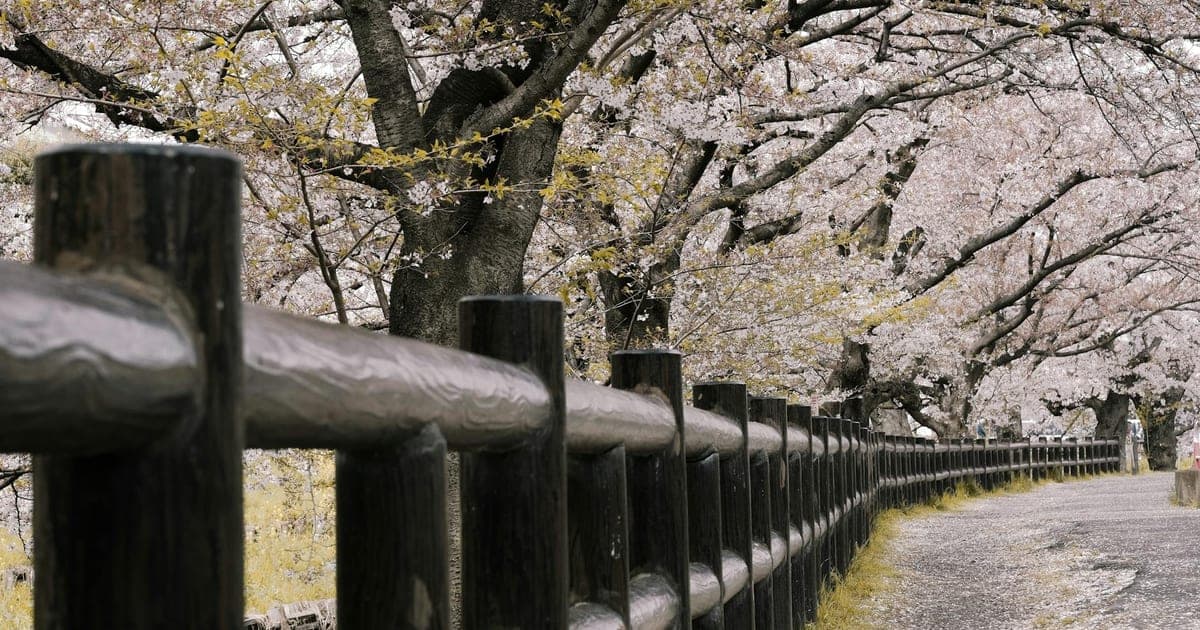
La fioritura è il motivo per cui marzo è il mese più conteso del Giappone. Tokyo e Kyoto di solito aprono nell'ultima settimana di marzo e toccano il picco pochi giorni dopo, ma il fronte sale verso nord nell'arco di settimane e le date esatte si spostano ogni anno con le temperature di fine inverno: prima il Kyushu, poi Tokyo e Kyoto, il Tohoku e l'Hokkaido non prima di aprile o maggio. La nostra guida alla stagione dei ciliegi segue il fronte; il sito ufficiale del turismo di Kyoto pubblica i tempi locali.
Costi reali: $130–200 al giorno — la settimana della fioritura è la più cara dell'anno giapponese dopo il Capodanno, e gli hotel lo sanno. Il compromesso: il picco non si prenota, si scommette, e un febbraio caldo lo anticipa di una settimana. Costruisci un viaggio che funzioni comunque: Kyushu a inizio marzo, o un itinerario con abbastanza escursione nord-sud da incrociare il fronte da qualche parte.
2. Rajasthan e India del nord — Holi e le ultime settimane comode
L'Holi cade il 22 marzo 2027 — il gioco dei colori può spostarsi di un giorno a seconda della regione — e il Rajasthan è il posto classico per viverlo. Marzo è anche l'ultimo mese prima che il caldo dell'India del nord diventi la caratteristica dominante: 28–32 °C adesso, oltre 40 °C a maggio.
Costi reali: $35–60 al giorno — rapporto eccellente, anche se la settimana dell'Holi spinge in alto gli hotel di Jaipur e Udaipur. Il compromesso: l'Holi è rumoroso e, per chi viaggia da solo e in particolare per le donne, può risultare travolgente nelle grandi città turistiche. I paesi piccoli e le celebrazioni organizzate dagli hotel sono la versione più tranquilla, ed entrambe sono modi legittimi di viverlo.
3. Andalusia — Semana Santa
La Settimana Santa va dal 21 al 27 marzo nel 2027, e quella di Siviglia è uno dei grandi spettacoli d'Europa: processioni notturne, confraternite che portano i pasos per strade gremite, la città sveglia fino all'alba. Málaga, Cordova e Granada hanno ciascuna la propria versione.
Costi reali: $75–120 al giorno nelle settimane normali di marzo; la Settimana Santa va molto oltre, con minimi di soggiorno a Siviglia. Il compromesso: o è il motivo per cui sei venuto o è un problema da evitare — non c'è via di mezzo. Durante la Settimana Santa il centro di Siviglia è impraticabile negli orari di processione e le camere si prenotano con molti mesi di anticipo. Le prime tre settimane di marzo danno la stessa città, mite e davvero tranquilla.
4. Patagonia — La fine calma dell'estate
Marzo è il segreto meglio custodito della Patagonia. Il famoso vento cala in modo percettibile rispetto al picco di gennaio, i boschi di lenga diventano rossi e dorati, e la folla estiva se n'è andata — mentre rifugi e servizi del parco funzionano ancora. Le giornate si accorciano, ma le condizioni per camminare sono spesso migliori che in piena stagione.
Costi reali: $100–160 al giorno — sotto il picco di gennaio, e la disponibilità nei rifugi è nettamente migliore. Il compromesso: la stagione sta finendo, quindi i servizi si riducono nel corso del mese e alcuni percorsi e rifugi chiudono da fine marzo. Verifica le date di chiusura attuali per qualsiasi cosa su cui costruisci il viaggio, e metti in conto notti davvero fredde.
5. Giordania — Primavera sui sentieri del deserto
Marzo è quando la Giordania dà il meglio: 20–24 °C nel bacino di Petra, fiori in tutta la riserva di Dana e un tempo per camminare che né il caldo estivo né il freddo invernale concedono. I tratti più popolari del Jordan Trail si percorrono esattamente in questa finestra.
Costi reali: $80–130 al giorno — il Jordan Pass include visto e ingressi e si ripaga in circa due giorni. Il compromesso: le notti nel deserto sono ancora fredde, e marzo può portare piogge improvvise che causano piene lampo nei siq e nei canyon. Verifica le condizioni prima di qualsiasi escursione in wadi; il rischio è reale ed è ben segnalato localmente.
6. Marocco — Atlante verde, costa vuota
Marzo prende il Marocco tra l'inverno e la fornace: Marrakech tra i 20 e i 25 °C, l'Alto Atlante ancora innevato ma con i valichi che si aprono, e le valli verdi per la pioggia invernale. La costa atlantica — Essaouira, Taghazout — è ventosa e luminosa, e il sud desertico è confortevole invece che punitivo.
Costi reali: $50–85 al giorno; un riad con cortile resta l'alloggio classico di fascia media. Il compromesso: è mezza stagione, quindi il tempo è variabile: pomeriggi caldi, notti fredde e qualche pioggia forte che trasforma le piste sterrate in fango. Il Ramadan può cadere in questo periodo a seconda dell'anno; controlla le date attuali, perché orari e servizio di ristorazione cambiano parecchio.
7. Creta e il Peloponneso — Fiori e rovine vuote
La Grecia a marzo è una meta da camminate e archeologia più che da spiaggia, ed è spettacolare in questo: 17–20 °C, colline coperte di fiori e Cnosso, Micene o Olimpia praticamente per te. La Pasqua ortodossa cade molto più tardi nel 2027 — il 2 maggio — quindi marzo resta tranquillo dall'inizio alla fine.
Costi reali: $60–100 al giorno — prezzi di bassa stagione su un paese caro. Il compromesso: il mare è freddo, molti traghetti per le isole vanno con orario invernale e buona parte di hotel e taverne isolane non apre fino ad aprile o maggio. Resta a Creta o sulla terraferma, dove c'è attività tutto l'anno.
8. Utah e Arizona — La finestra perfetta del deserto
Zion, Bryce, Arches, Canyonlands e il bordo sud del Grand Canyon a marzo: tra i 15 e i 22 °C di giorno, notti fredde e limpide, e niente del caldo estivo che rende davvero pericoloso camminare a mezzogiorno. Lo scioglimento inoltre significa che i canaloni e le cascate del deserto hanno acqua vera.
Costi reali: $110–170 al giorno — l'auto a noleggio è obbligatoria ed è la voce più grossa. Il compromesso: si sovrappone alle vacanze di primavera americane, quindi da metà a fine marzo Zion e il Grand Canyon si riempiono e le code delle navette si allungano. Bryce sta sopra i 2.400 m e nevica ancora. Vacci a inizio mese o scegli i parchi più tranquilli.
9. Islanda — L'ultimo buon mese di aurore
Marzo è il punto dolce di fine stagione: c'è ancora abbastanza buio per episodi forti, ma già circa dodici ore di luce verso l'equinozio — abbastanza per percorrere la costa sud, camminare su un ghiacciaio e vedere le cascate nello stesso viaggio. Visit Iceland è la fonte ufficiale.
Costi reali: $150–230 al giorno — sempre caro, sempre meno dell'estate. Il compromesso: marzo è tempestoso e le chiusure stradali sono frequenti, soprattutto al nord e negli altopiani, che restano chiusi. Le grotte di ghiaccio diventano inoltre inaffidabili con l'inizio del disgelo. Lascia margine e non pianificare un giro stretto sulla circolare.
10. Il Vietnam centrale — Arriva la stagione secca
Hoi An, Da Nang e Hue passano l'inverno grigie e piovigginose, e marzo è quando si rompe: temperature in salita, pioggia in calo e spiagge di nuovo utilizzabili. È l'unico mese in cui tutto il paese sta ragionevolmente bene nello stesso momento, cosa rara.
Costi reali: $35–60 al giorno — il rapporto qualità-prezzo del Vietnam non cambia, e il centro costa meno di entrambe le estremità. Il compromesso: l'inizio di marzo può ancora prendere la coda della pioggerella a Hue, e il nord si sta appena scaldando. Se il viaggio è centro e sud, marzo è ideale; se è Hanoi e Sapa, aprile è meglio.
11. Cascate Vittoria — Portata massima
Le piogge dello Zambesi cadono da novembre a marzo e l'acqua arriva alle cascate in ritardo, quindi marzo e aprile sono quando le Vittoria vanno al massimo. Questa è la versione che genera il proprio microclima e ti inzuppa dai sentieri panoramici.
Costi reali: $90–150 al giorno tra Livingstone (Zambia) e Victoria Falls (Zimbabwe). Il compromesso: portata massima significa spruzzi massimi, e il lato zambiano in particolare può essere così avvolto dalla nebbia d'acqua che vedi foschia invece che acqua. La Devil's Pool è chiusa con l'acqua alta. Se vuoi vedere la parete di roccia e nuotare sul bordo, quello è un viaggio da settembre a dicembre, non questo.
12. Nepal — Si apre il trekking di primavera
La stagione primaverile parte a marzo: tempo stabile, giornate che si scaldano e i boschi di rododendri lungo i percorsi dell'Annapurna e del Langtang in fiore da metà mese. I panorami sono più foschi del cristallino autunno post-monsone, ma i sentieri sono aperti e i valichi si liberano.
Costi reali: $40–70 al giorno sul percorso, tra case da tè, permessi e guida. Il compromesso: la foschia di marzo è un limite reale per la fotografia: l'autunno è più nitido. I valichi alti possono avere ancora neve a inizio mese, e il campo base dell'Everest è più affollato in primavera che in autunno per la stagione delle scalate.
Consigli pratici per viaggiare a marzo
- Il mese si spezza in due: prima e dopo il 21 marzo. La Settimana Santa (21–27) e la Pasqua (28) spingono in alto i prezzi in Europa e America Latina, e l'Holi cade il 22. Le prime tre settimane sono mezza stagione; l'ultima no.
- La fioritura non si prenota, si scommette. Tokyo e Kyoto di solito toccano il picco negli ultimi giorni di marzo, ma la data si muove con l'inverno. Costruisci un itinerario con abbastanza escursione nord-sud da incontrare il fronte da qualche parte, invece di giocarti il viaggio su una città e una settimana.
- Marzo è il mese del deserto. Giordania, Marocco, Rajasthan, Utah e Arizona sono tutti nella finestra stretta tra il freddo invernale e il caldo estivo. A maggio, diversi di loro sono davvero sgradevoli.
- Verifica cosa ha davvero riaperto. Marzo è un mese di transizione, e hotel stagionali, traghetti, rifugi e strade dei parchi riaprono in date molto diverse. Conferma invece di dare per scontato, soprattutto in Grecia, Islanda e Patagonia.
- Confrontalo con i mesi vicini prima di chiudere. Febbraio costa meno al nord e aprile è più caldo — guarda come si incastra il calendario viaggi 2026 prima di impegnarti sulle date.
Pianifica il tuo viaggio di marzo in 30 secondi
Scegli una meta qui sopra e crea un itinerario giorno per giorno per marzo con luoghi reali, orari e budget — gratis, senza account per vederlo.
Domande frequenti (FAQ)
Qual è la meta migliore per marzo 2027?
Per un evento irripetibile, i ciliegi giapponesi nell'ultima settimana di marzo e la Semana Santa di Siviglia (21–27 marzo). Come rapporto clima-prezzo, Giordania, Marocco e Rajasthan sono tutti nella loro finestra perfetta. Per la tranquillità, Creta e il Peloponneso sono bellissimi e quasi vuoti. E la Patagonia a marzo è più calma e più economica che a gennaio.
Quand'è la Pasqua 2027 e come influisce su marzo?
La Pasqua è il 28 marzo 2027, quindi la Settimana Santa va dal 21 al 27. Quella settimana alza i prezzi e riempie gli alloggi in Spagna, Italia e America Latina, ed è quando la Semana Santa di Siviglia prende la città. La Pasqua ortodossa è separata e molto più tardi — il 2 maggio 2027 — quindi la Grecia resta tranquilla per tutto marzo.
Dove fa caldo a marzo?
Caldo affidabile: il centro e il sud del Vietnam, il Rajasthan e le Cascate Vittoria. Mite più che caldo: Giordania, Marocco e Andalusia, tra i 17 e i 24 °C — ideale per camminare, non per nuotare. L'emisfero sud entra in autunno, quindi la Patagonia è mite, non calda.
Quali mete evitare a marzo?
Il nord del Laos e della Thailandia sono nella stagione degli incendi agricoli e la foschia può essere pesante. Gran parte delle isole greche e dei resort balneari mediterranei è ancora chiusa. Gli altopiani e il nord dell'Islanda sono inaffidabili per gli spostamenti su strada. E qualsiasi posto in Spagna durante la Settimana Santa, se le processioni non sono ciò per cui sei venuto.
Come leggere i numeri: le temperature sono medie mensili tipiche di ogni meta, non previsioni — i singoli giorni variano molto. I budget giornalieri sono stime editoriali di fascia media a persona che coprono alloggio, cibo, trasporti locali e attività; sono una guida alla pianificazione, non dati rilevati, e cambiano con la stagione, l'anticipo della prenotazione e il cambio. Le date di festival e stagioni sono citate qui sotto e verificate per il 2027.
Fonti: Drik Panchang — Holi 2027, Guida ufficiale al turismo di Kyoto, Visit Iceland.